

 プレビュー
プレビュー
 プリントを購入
 シェアする
シェアする シェアする
シェアする
 詳細を見る
詳細を見る

 ダウンロード
 似ている作品
 X線調査
X線調査 スライドショー
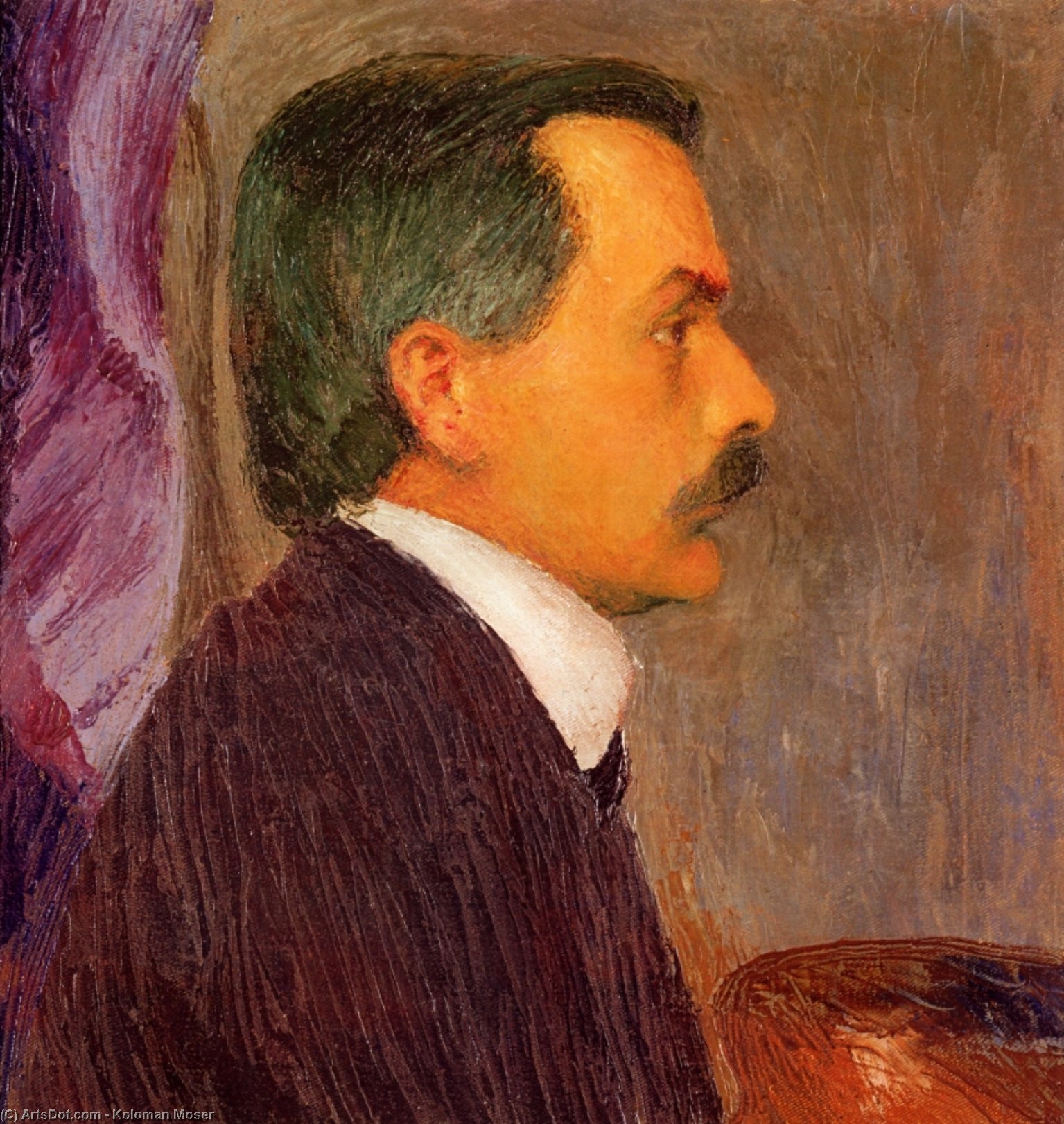
Self Portrait in Colonial Dress
 Acrylic On Paper
- Vienna Secession
 1910
1910- 19th Century
 50.0 x 50.0 cm
 Kunsthistorisches Museum
 詳細を見る
詳細を見る
オンラインプレビューをはるかに凌ぐ、高解像度で鮮明なデジタル画像をご購入いただけます。
各ファイルは、社内の専門家が高度なツールと熟練した手作業によるレタッチを用いて、細心の注意を払って準備されています。すべての画像において、卓越した鮮明度、正確な色彩再現性、そして繊細なディテールを保証いたします。
最終ファイルは、プロフェッショナルな編集・印刷環境ですぐにご利用いただけるよう最適化された状態で、72時間以内にメールにてお届けいたします。これは、一流のデザインスタジオ、出版社、ギャラリーから信頼されているものと同等の品質です。
デジタル画像のご注文に付随する特典
高品質なデジタル画像配信を、確かな品質で。
ArtsDot.com を選ぶことは、単に画像を手に入れることではありません。それは、プロの手によって精密に仕上げられ、満足保証が付いた高品質なデジタルアートワークを受け取ることを意味します。ご注文いただいた際に自動的に付随する内容は、以下の通りです:

メールですぐにお届け
ご注文から72時間以内に、高解像度のデジタル画像ファイルがメールでお手元に届きます。すぐにそのままご利用いただけます。

AI技術で最適化されたデジタルファイル
お客様の作品は、高度なAIツールと専門家による手作業の編集を組み合わせてプロフェッショナルに最適化されており、細部のディテール、鮮明さ、そして正確な色再現性を最大限に引き出しています。

一生涯無料の再送サービス
ファイルを誤って削除したり、紛失してしまったりしましたか?ご安心ください。いつでも無料で再送いたします。

輸入手数料は一切かかりません
関税や手数料、配送料を気にすることなく、お気に入りのアートワークをすぐにお楽しみいただけます。デジタルダウンロードは常に免税です。

色彩再現の保証
プロ仕様のツールとカラーマネジメント技術を用いることで、デジタル画像が元の色を最大限に忠実に再現することを保証いたします。

60日間満足保証
ご購入いただいたデジタル画像にご満足いただけない場合は、60日以内であれば、修正または100%の返金(理由を問う必要はありません)をさせていただきます。

100% 返金保証
ご満足いただけない場合は、デジタルファイルを受け取ってから60日以内であれば、理由を問わず全額返金いたします。

まとめ買い割引
3枚購入で10%OFF - 5枚購入で15%OFF - 10枚以上購入で20%OFF。クリエイティブなプロジェクト、ギャラリー、エージェンシーに最適です。
作品の詳細
A Portrait Steeped in Symbolism: Koloman Moser’s Self Portrait
Vienna Secession, established in 1897, represented a radical departure from the conservative artistic conventions of its time. At its core was a desire to forge new paths for Austrian art—paths that prioritized geometric abstraction and expressive color alongside traditional craftsmanship. Among its most influential members was Koloman Moser, a painter, sculptor, ceramicist, textile designer, and educator whose vision profoundly shaped the movement’s aesthetic sensibilities. This essay delves into Moser's iconic Self Portrait in Colonial Dress (1910), examining its stylistic innovations, technical mastery, historical significance, and enduring emotional resonance.Stylistic Innovation: Geometric Abstraction Meets Organic Form
Moser’s approach to painting distinguished itself from the prevailing Impressionist tendencies of Vienna. Rejecting fleeting impressions of light and atmosphere, he embraced geometric abstraction—a technique championed by artists like Piet Mondrian and Kazimir Malevich—to distill visual experience into its most fundamental elements: lines and planes. However, Moser skillfully blended these austere forms with organic motifs drawn from nature—specifically stylized representations of foliage and blossoms—creating a harmonious tension between rational structure and sensual beauty. This duality reflects Moser’s broader artistic philosophy, which sought to reconcile the intellectual rigor of abstraction with the expressive power of natural imagery. The deliberate asymmetry of the composition contributes to this dynamic interplay, preventing the image from feeling static or overly calculated.Technical Mastery: Watercolor on Paper – A Delicate Balance
Moser executed Self Portrait in Colonial Dress primarily using watercolor on paper—a medium known for its luminous qualities and ability to achieve subtle tonal gradations. He employed a layering technique that allowed him to build up color gradually, achieving remarkable depth and luminosity without resorting to heavy brushstrokes. Careful attention was paid to the surface texture of the paper itself, which Moser treated with meticulous precision to maximize reflectivity and enhance the overall visual impact. The artist’s masterful control over watercolor—a notoriously challenging medium—is evident in the delicate rendering of the floral elements and the nuanced shading of the man's face. This technique underscores Moser’s commitment to both artistic innovation and technical excellence, demonstrating his profound understanding of how materials contribute to conveying meaning and emotion.Historical Context: Vienna at the Dawn of Modernity
Vienna in 1910 was experiencing a period of rapid social and cultural transformation—the “Fin de Siècle,” as historians termed it—marked by anxieties about tradition, uncertainty regarding the future, and burgeoning interest in avant-garde ideas. The Secession movement served as a focal point for these debates, challenging established artistic hierarchies and advocating for experimentation with new forms and materials. Moser’s Self Portrait reflects this spirit of defiance against convention, aligning itself with the broader trend toward embracing abstraction and rejecting academic formalism. Furthermore, the inclusion of colonial dress—a symbol of imperial ambition and cultural appropriation—underscores the movement's engagement with pressing social issues and its willingness to confront uncomfortable truths about European history.Symbolism: Floral Imagery as Embodiment of Vitality and Transformation
The floral motifs adorning Self Portrait are laden with symbolic significance, representing not merely decorative embellishment but rather profound ideas about life, growth, and metamorphosis. Moser’s choice of blossoms—specifically stylized representations of lilies and orchids—references biblical imagery associated with purity and resurrection—a motif particularly resonant during the period's preoccupation with spiritual renewal. The flowers’ upward-reaching stems symbolize aspiration and transcendence, mirroring Moser’s artistic ambition to elevate painting beyond mere representation into a realm of expressive abstraction. Moreover, their delicate petals convey vulnerability and fragility—acknowledging the ephemeral nature of beauty and reminding viewers of the importance of embracing change as inevitable components of existence.Emotional Impact: A Reflection of Artistic Integrity
Ultimately, Self Portrait in Colonial Dress transcends its formal innovations to communicate a powerful emotional resonance—a testament to Moser’s artistic integrity and his unwavering belief in the transformative potential of art. The painting's serene stillness conveys a sense of contemplative introspection, inviting viewers to engage in a dialogue with their own inner selves. Simultaneously, the subtle interplay of color and form evokes feelings of wonder and delight—capturing the beauty of nature while simultaneously expressing Moser’s artistic vision. This enduring emotional impact speaks to the universality of human experience—affirming the capacity of art to inspire contemplation, provoke emotion, and illuminate the complexities of life itself.関連作品
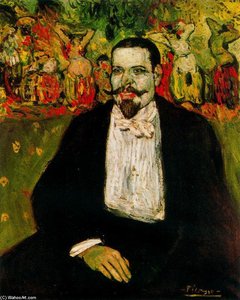
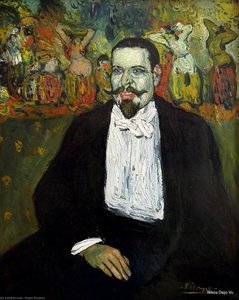
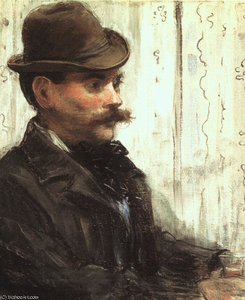
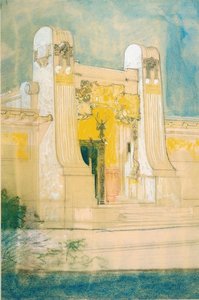
作家の略歴
生い立ちと教育
1868年3月30日、オーストリア=ハンガリー帝国(現在のクロアチア)のウィーンに生まれたコローマン・モーザーは、オーストリア美術界において重要な役割を果たした人物です。特にグラフィックアートへの貢献と、ウィーン分離派運動の創設メンバーとしての功績で知られています。彼の芸術的な旅は、ウィーナー・アカデミー(Wiener Akademie)とクンストゲヴェルベシューレ(Kunstgewerbeschule)での正式な研究から始まりました。その後、1899年からはクンストゲヴェルベシューレの講師も務め、この学術的な基盤は、彼が様々なメディアにわたる多様なキャリアを築く上で非常に重要であることが証明されました。モーザーの家族背景は、彼の幼少期における芸術とデザインへの露出に影響を与え、彼の芸術的スタイルを特徴づける細部への鋭い観察眼と美意識を育みました。多岐にわたる芸術的貢献
モーザーのグラフィックアートへの影響は否定できません。彼は、独特な幾何学模様と様式化されたイメージを用いた切手や雑誌のビネットなど、様々な印刷物をデザインしました。彼のデザインは、明瞭さ、優雅さ、そして革新的なタイポグラフィーの使用によって特徴づけられました。グラフィックデザインに加えて、モーザーの才能はファッション、ステンドグラス、磁器、陶器、ガラス製品、食器、銀細工、ジュエリーにも及びました。これは彼が芸術を日常生活に統合しようとする献身を示しています。彼の建築作品、とりわけウィーンのシュタインホフ教会(Kirche am Steinhof)のために1904年に設計されたアプスモザイクとステンドグラスは、彼の芸術的なビジョンと機能的なデザインを融合させる能力を示しています。これらの作品は、アール・ヌーヴォー建築の傑作と考えられています。ウィーン・ワークシュテッテと協調性
1903年、モーザーはヨーゼフ・ホフマンと共にウィーン・ワークシュテッテ(Wiener Werkstätte)を共同設立しました。この共同工房は、芸術家と職人を結びつけ、美的に心地よい家庭用品を作り出すことを目指しました。「ゲザムトクンストヴェルク」(Gesamtkunstwerk:総合芸術作品)という哲学を提唱し、オブジェクトの設計から製作に至るまで、あらゆる側面が慎重に検討されました。モーザーのウィーン・ワークシュテッテへの関与は、機能的な美しさへの彼の献身を確固たるものにし、応用美術の地位を高めました。影響、発展と遺産
モーザーの芸術的発展には、アール・ヌーヴォー、象徴主義、ウィーン分離派など、いくつかの重要な運動が影響を与えました。彼は日本の浮世絵からインスピレーションを受け、その平面的な色彩と簡略化された形態を取り入れました。彼のスタイルは時間とともに進化し、優雅さと洗練さを保ちながら、ますます抽象的で幾何学的になりました。モーザーの遺産は、彼のデザインがオーストリア100ユーロ・シュタインホフ教会記念硬貨(2005年)に不朽のものとして刻まれたことによって確固たるものとなりました。これは、芸術とデザインに対する彼の永続的な影響を認めたものです。彼は1918年にウィーンで亡くなり、今日までアーティストやデザイナーにインスピレーションを与え続ける重要な作品群を残しました。彼の貢献は、日常生活のオブジェクトや空間に美を統合することの重要性を強調し、近代美術とデザインの流れを形作りました。 モーザーの作品は、単なる装飾品ではなく、生活様式そのものを豊かにする試みでした。 ウィーン分離派の精神を受け継ぎ、芸術と工芸の境界を超えた彼の功績は、現代デザインに多大な影響を与え続けています。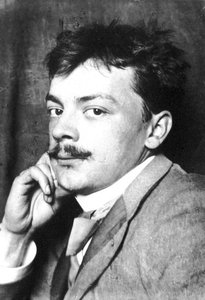
コローマン・モーザー
1868 - 1918 , クロアチア
プロフィール概要
- Artistic Movement Or Style: ウィーン・セcession
- Artists Or Movements Influenced By This Artist: ['ウィーン・ワークシュテッテ']
- Date Of Birth: 1868年3月30日
- Date Of Death: 1918年
- Full Name: コローマン・モザー
- Nationality: オーストリア人
- Notable Artworks:
- 装飾のファサード
- ダンサー
- 3人のうずくまる女性
- カエルの王様
- 巨人たちの衝突
- 三美神
- 光
- Place Of Birth (City And Country): ウィーン、クロアチア

