


 プレビュー
プレビュー
 シェアする
シェアする シェアする
シェアする
 詳細を見る
詳細を見る

 ダウンロード
 似ている作品
 X線調査
X線調査 スライドショー
 Stats
StatsCoffee Set with Battle Scenes (

 詳細を見る
詳細を見る
手描き油彩複製画
当社のアーティストが、お客様のご希望のサイズと額縁に合わせて、キャンバスに手描きで制作する油彩画です。 ( Switch to Print Switch to Digital Image)




































作品のオリジナル比率に合わせた、当店の規定サイズからお選びください。

特定のフレームやスペースに合わせて、ご希望のサイズをご入力いただけます。選択されたサイズが元の画像の比率と異なる場合、アートワークをトリミングするか、手描きで要素を追加して絵画を拡張いたします。デジタルモックアップ を制作し、制作開始前にご確認(承認)をいただきます。
画面上のプレビューは、実際のトリミングや拡張を正確に反映しているものではありません。最終的な構図は、モックアップによってのみ正確にご確認いただけます。
カスタムサイズもご利用いただけますが、元の比率を維持するためには、あらかじめ用意されたリストからサイズを選択することをお勧めいたします。
ご注文後、ArtsDot.com チームより詳細な指示をお送りするとともに、仕上がりイメージ(モックアップ)をご提供いたします。


 ガラスオプションは、110cm未満のサイズでのみご利用いただけます。

Coffee Set with Battle Scenes (
複製技法
複製画のサイズ
-


合計金額
$ 263
関連作品





アーティストの略歴
Königliche Porzellan-Manufaktur Berlin: A Legacy of Rococo Elegance and Enduring Craftsmanship
The Royal Porcelain Manufactory Berlin (KPM), established in 1763 by King Frederick II, stands as a testament to Prussia’s ambition for artistic excellence and its enduring fascination with the opulent aesthetic of the Rococo period. Born from three private enterprises united under royal patronage—a collective striving to cultivate ‘white gold,’ porcelain production within Berlin—KPM quickly ascended to prominence, becoming synonymous with unparalleled quality and meticulous craftsmanship. Its distinctive cobalt blue sceptre logo, stamped on every piece produced since 1837, serves as a constant reminder of its heritage and unwavering dedication to artistic tradition. Today, KPM continues its legacy, producing entirely unique porcelain creations—a remarkable feat considering many forms have remained unchanged for over two centuries.Origins and Early Patronage: From Private Ventures to Royal Vision
Before Frederick II’s decisive intervention, Berlin’s porcelain ambitions floundered amidst competition from established European workshops. However, recognizing the potential for bolstering Prussia's prestige and fostering artistic innovation, the king championed the initiative, transforming disparate enterprises into a unified powerhouse. This royal endorsement wasn’t merely symbolic; it fueled substantial investment in research and development—a crucial factor in overcoming technical challenges inherent in porcelain production at the time. Frederick II himself possessed an acute appreciation for Rococo art, exemplified by his magnificent palaces – Charlottenburg and Sanssouci – which profoundly influenced KPM's artistic direction.The Rococo Style and Artistic Innovation
KPM’s early years were deeply rooted in the Rococo style—characterized by flowing curves, pastel hues, and elaborate ornamentation. Artists embraced this aesthetic, translating its spirit into breathtaking porcelain designs that mirrored the grandeur of royal courts. The meticulous attention to detail—from delicately painted floral motifs to exquisitely sculpted figurines—reflected a commitment to artistic perfection. Notably, KPM’s designers skillfully incorporated elements of chinoiserie, drawing inspiration from Chinese decorative arts and incorporating stylized depictions of dragons and landscapes into their creations. This fusion of European artistry with Eastern influences solidified KPM's reputation as a pioneer in porcelain innovation.Notable Achievements and Artistic Evolution
Throughout its history, KPM has achieved remarkable success in preserving traditional techniques while adapting to evolving artistic sensibilities. The establishment of Trude Petri’s studio in the 1930s marked a pivotal moment—resulting in iconic designs like the Urbino, Urania, and Arkadia tea sets that remain instantly recognizable today. These pieces exemplify KPM's ability to honor its past while embracing contemporary aesthetics. Furthermore, KPM continues to produce stunning animal sculptures – Buddy Bear and Knut Bear – demonstrating an ongoing commitment to artistic exploration and innovation. The enduring popularity of these figurines underscores the timeless appeal of KPM’s craftsmanship and its unwavering dedication to preserving artistic heritage.A Continuing Tradition: Modern Production and Artistic Significance
Even in the 21st century, KPM maintains its traditions of handcrafted excellence, producing unique porcelain pieces that embody centuries of artistic expertise. Each creation is meticulously crafted by skilled artisans who adhere to time-honored techniques—a remarkable feat considering many forms have persisted unchanged for over two hundred years. The Royal Porcelain Manufactory Berlin’s legacy extends far beyond mere decorative artistry; it represents Prussia's ambition for cultural prestige and its enduring fascination with the sublime beauty of Rococo elegance. Its continued production serves as a tangible link to Prussia’s artistic past, ensuring that KPM’s exquisite porcelain creations continue to inspire awe and admiration for generations to come.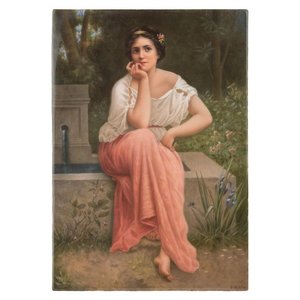
königliche porzellan-manufaktur berlin
1763 - , Germany
基本情報
- Artistic Movement Or Style: Rococo & Modern
- Artists Or Movements Influenced By This Artist: ['Trude Petri']
- Artists Who Influenced This Artist: ['Frederick the Great']
- Date Of Birth: Berlin, Germany (1763)
- Date Of Death: Living
- Full Name: Königliche Porzellan-Manufaktur Berlin
- Nationality: German
- Notable Artworks:
- Teapot with réchaud
- Coffee Set with Battle Scenes
- Place Of Birth: Berlin