

 プレビュー
プレビュー
 プリントを購入
 シェアする
シェアする シェアする
シェアする
 詳細を見る
詳細を見る

 ダウンロード
 似ている作品
 X線調査
X線調査 スライドショー
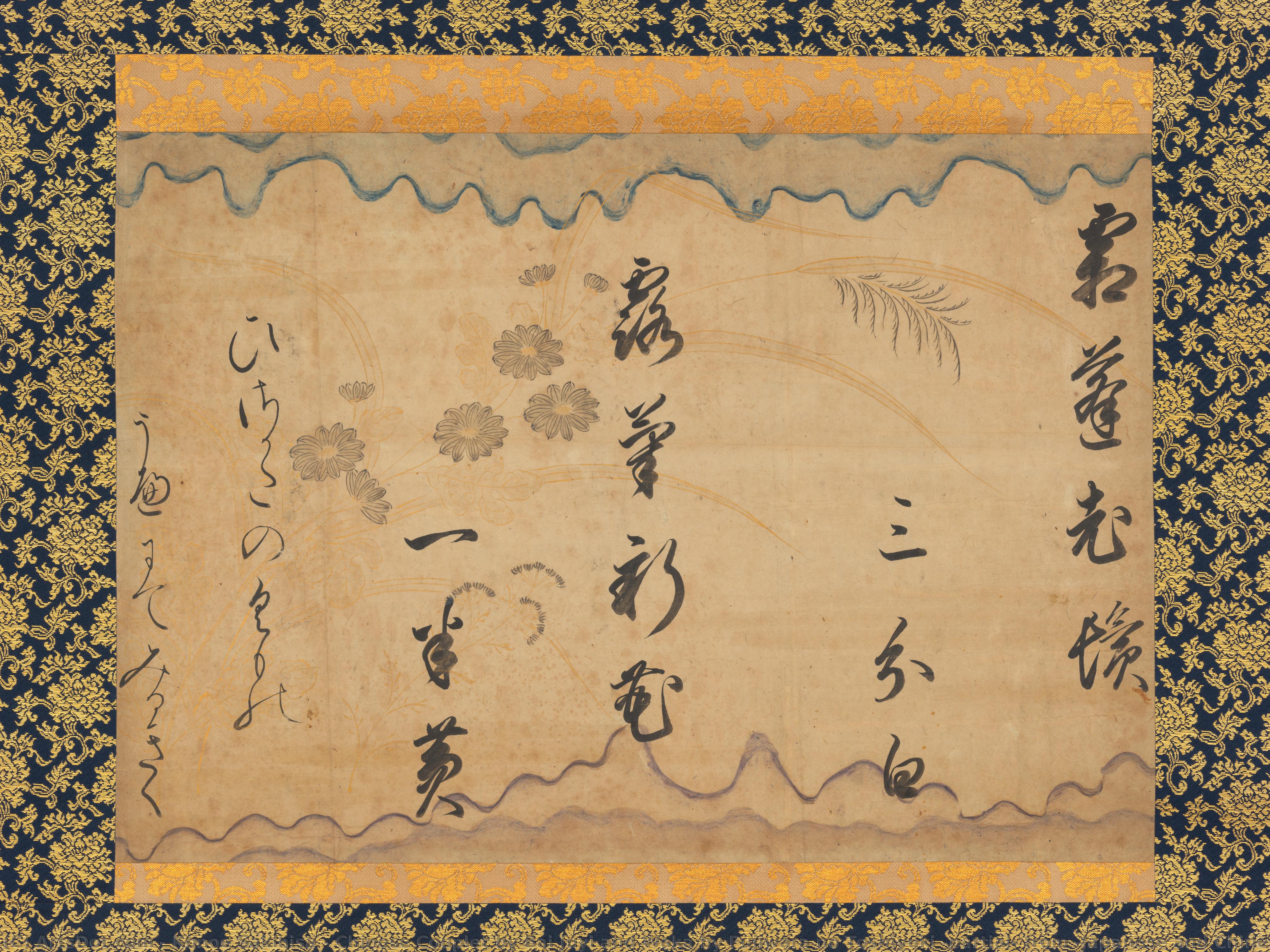
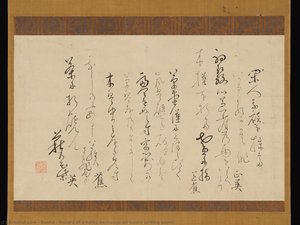
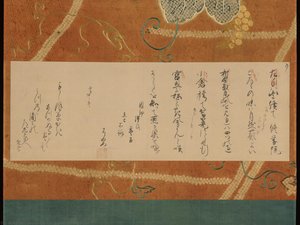
Chinese Couplet by Bai Juyi and Waka by Fujiwara no Toshiyuki (partial) from “Japanese and Chinese Poems to Sing” (Wakan rōeishū)
 Ink On Paper
- Momoyama
 601
601- Early Modern
 33.0cm x 47.0cm
 詳細を見る
詳細を見る




P118B $10

P118H $10

P118W $10

P438Z $10

P508JH $12

P508YH $12

P805H $10

P805Z $10

P919BZ $10

P919G $10

P919XJ $10

P959ZH $10

P968JZ $12

W106C $8

W218G $10

W218JH $8

W218Y $10

W307PJ $10

W316G $10

W316PJ $8

W316Y $10

W398PJ $8

W4111J $10

W500HY $15

W500JH $15

W692G $12

W849H $8

W940BG $15

W953PJ $8




作品のオリジナル比率に合わせた、当店の規定サイズからお選びください。

特定のフレームやスペースに合わせて、ご希望のサイズをご入力いただけます。選択されたサイズが元の画像の比率と異なる場合、アートワークをトリミングするか、手描きで要素を追加して絵画を拡張いたします。デジタルモックアップ を制作し、制作開始前にご確認(承認)をいただきます。
画面上のプレビューは、実際のトリミングや拡張を正確に反映しているものではありません。最終的な構図は、モックアップによってのみ正確にご確認いただけます。
カスタムサイズもご利用いただけますが、元の比率を維持するためには、あらかじめ用意されたリストからサイズを選択することをお勧めいたします。
ご注文後、ArtsDot.com チームより詳細な指示をお送りするとともに、仕上がりイメージ(モックアップ)をご提供いたします。


 ガラスオプションは、110cm未満のサイズでのみご利用いただけます。

Chinese Couplet by Bai Juyi and Waka by Fujiwara no Toshiyuki (partial) from “Japanese and Chinese Poems to Sing” (Wakan rōeishū)
複製技法
複製画のサイズ
-


合計金額
$ 263
Key Points:
- Artist: Konoe Sakihisa
- Painting Title: Chinese Couplet by Bai Juyi and Waka by Fujiwara no Toshiyuki (partial) from “Japanese and Chinese Poems to Sing” (Wakan rōeishū)
- Medium: Paper
- Date: 601
- Museum: Not specified
関連作品

アーティストの略歴
biography and artistic contributions
konoe sakihisa, a japanese court noble, lived from 1536 to 1612, spanning the sengoku, azuchi–momoyama, and early edo periods. as a member of the influential konoe family, a branch of the fujiwara clan, sakihisa's life was marked by significant political and military roles. early life and family born in 1536, sakihisa was the son of regent taneie, positioning him within the upper echelons of japanese nobility. his family's legacy played a crucial role in his early life, setting the stage for his future endeavors.artistic and political involvement
- konoe sakihisa served as kampaku-sadaijin and daijō-daijin, reflecting his rise to junior first rank.
- he was a key figure in the konoe family's interactions with prominent daimyōs (feudal lords) of the time.
- sakihisa found favor with oda nobunaga and accompanied him on campaigns, further solidifying his position within japan's complex political landscape.
notable artistic connections and legacy
- konoe sakihisa's daughter, sakiko, was adopted by toyotomi hideyoshi, later becoming a consort to emperor go-yōzei and giving birth to emperor go-mizunoo.
- in 1582, sakihisa received the appointment as daijō daijin, a position he later resigned from the same year.
- his adoption of hashiba (later toyotomi) hideyoshi in 1585 granted hideyoshi fujiwara legitimacy, paving the way for his appointment as kampaku.
art movement influences and legacy
while primarily known for his political and military roles, konoe sakihisa's influence on japanese art, particularly through his connections with the konoe family's artistic patronage, is noteworthy. the kanō school style art movement, which dominated japanese painting during this period, reflects the era's emphasis on vibrant colors and gold leaf, characteristic of the nobility's decorative preferences.- for a deeper understanding of the kanō school style art movement, visit the kanō school style art movement.
- explore the influence of chinese painting on japanese art through kanō masanobu's works, such as zhou maoshu appreciating lotuses.
- discover the ukiyo-e art movement, which flourished during the edo period, at the museum of fine arts (gifu, japan) and its collection.
conclusion
konoe sakihisa's life, though marked by political and military service, indirectly influenced the artistic landscape of japan's sengoku, azuchi–momoyama, and early edo periods. his connections with prominent figures like oda nobunaga and toyotomi hideyoshi further solidify his place in japanese history.
Konoe Sakihisa
1536 - 1612 , Japan
基本情報
- Artistic Movement Or Style: Kanō school style
- Artists Or Movements Influenced By This Artist: ['Momoyama art']
- Artists Who Influenced This Artist: ['Kanō School']
- Date Of Birth: 1536
- Date Of Death: 1612
- Full Name: Konoe Sakihisa
- Nationality: Japanese
- Notable Artworks:
- Chinese Couplet
- Waka by Fujiwara no Toshiyuki
- Place Of Birth: Nakamura, Japan
関連記事
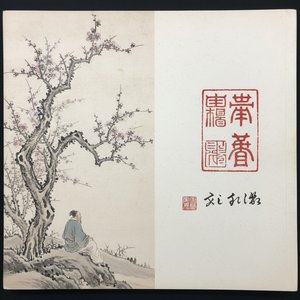
Xie Zhiliu: A Legacy of Ink Wash Painting & Modern Chinese Literati Tradition
Explore the legacy of Xie Zhiliu, a master of Chinese ink wash painting & prominent figure in modern art. Discover his techniques, influences, and contributions to literati tradition. A guide for discerning collectors.

葛飾北斎:25の傑作が語る浮世絵の世界 - ArtsDot
葛飾北斎の25選:『神奈川沖浪裏』や『富嶽三十六景』など、浮世絵の世界を深く探求。木版画の技法と日本美術の美をArtsDotで。高品質なアートプリントで空間に感動を。コレクションはこちら。

Floating World: The Captivating Art and Legacy of Japanese Ukiyo-e
Explore the profound beauty of Japanese Ukiyo-e. Discover the history, masters like Hokusai, and the enduring legacy of the 'Floating World' through an expert art-historical lens.
Utagawa Kuniyoshi: A Master of Japanese Ukiyo-e – Narrative Innovation & the Fusion of Tradition with Popular Culture
Explore the captivating world of Utagawa Kuniyoshi, a master of Japanese ukiyo-e woodblock prints. Discover his innovative warrior scenes, vibrant landscapes & lasting legacy in 19th-century art history.
Léonard Foujita: A Poetic Synthesis of Japanese Sensibility & European Modernism
Discover the captivating world of Léonard Foujita, a master bridging Japanese aesthetics & European Modernism. Explore his signature style, diverse works, and enduring legacy – essential reading for discerning art collectors.

