

 プレビュー
プレビュー
 プリントを購入
 シェアする
シェアする シェアする
シェアする
 詳細を見る
詳細を見る

 ダウンロード
 似ている作品
 X線調査
X線調査 スライドショー
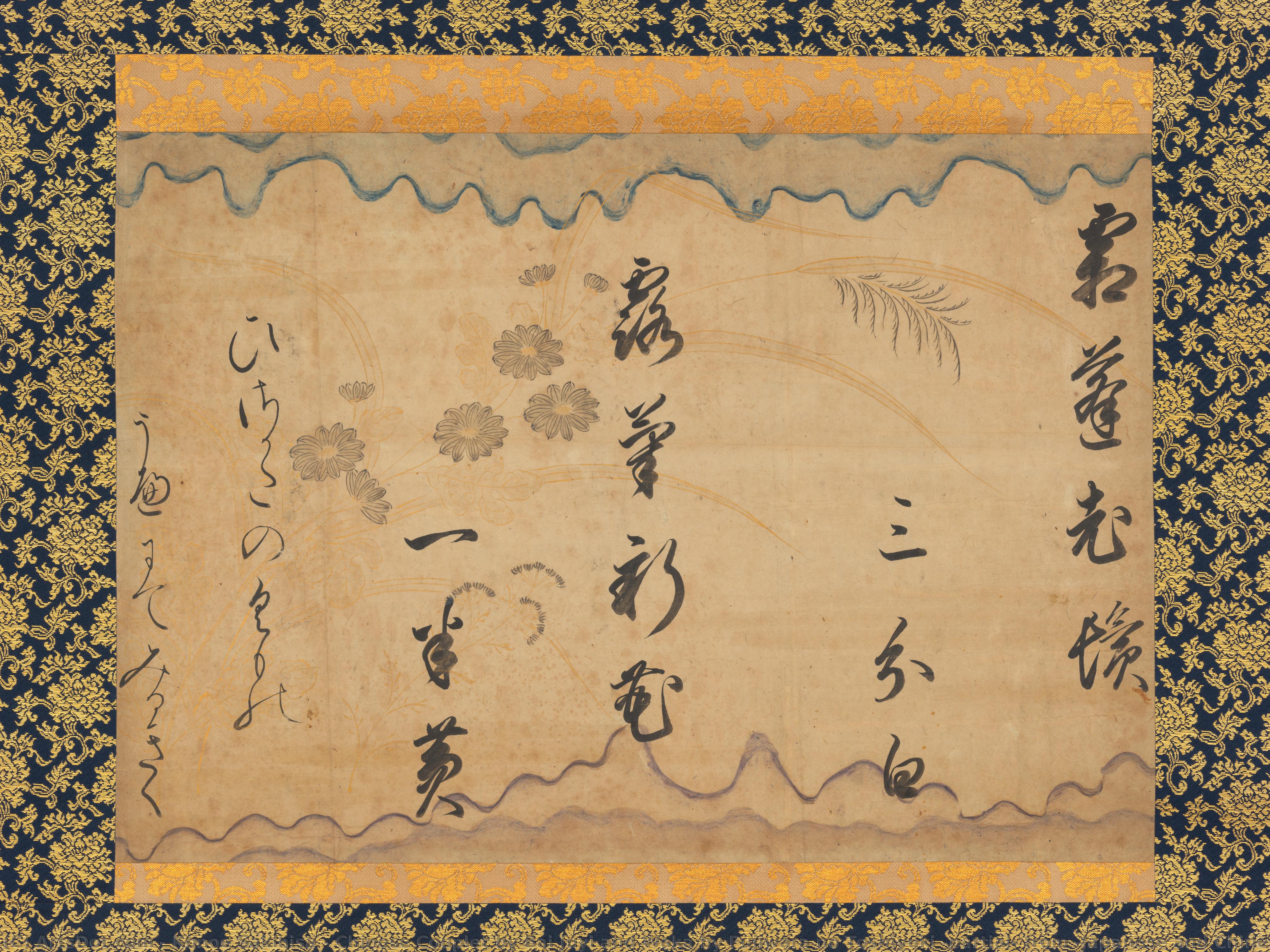
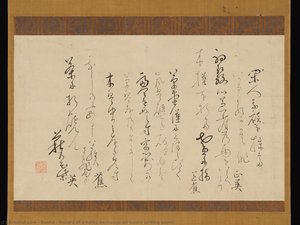
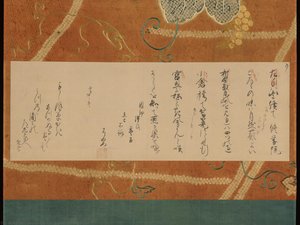
Chinese Couplet by Bai Juyi and Waka by Fujiwara no Toshiyuki (partial) from “Japanese and Chinese Poems to Sing” (Wakan rōeishū)
 Ink On Paper
- Momoyama
 601
601- Early Modern
 33.0cm x 47.0cm
 詳細を見る
詳細を見る
オンラインプレビューをはるかに凌ぐ、高解像度で鮮明なデジタル画像をご購入いただけます。
各ファイルは、社内の専門家が高度なツールと熟練した手作業によるレタッチを用いて、細心の注意を払って準備されています。すべての画像において、卓越した鮮明度、正確な色彩再現性、そして繊細なディテールを保証いたします。
最終ファイルは、プロフェッショナルな編集・印刷環境ですぐにご利用いただけるよう最適化された状態で、72時間以内にメールにてお届けいたします。これは、一流のデザインスタジオ、出版社、ギャラリーから信頼されているものと同等の品質です。
デジタル画像のご注文に付随する特典
高品質なデジタル画像配信を、確かな品質で。
ArtsDot.com を選ぶことは、単に画像を手に入れることではありません。それは、プロの手によって精密に仕上げられ、満足保証が付いた高品質なデジタルアートワークを受け取ることを意味します。ご注文いただいた際に自動的に付随する内容は、以下の通りです:

メールですぐにお届け
ご注文から72時間以内に、高解像度のデジタル画像ファイルがメールでお手元に届きます。すぐにそのままご利用いただけます。

AI技術で最適化されたデジタルファイル
お客様の作品は、高度なAIツールと専門家による手作業の編集を組み合わせてプロフェッショナルに最適化されており、細部のディテール、鮮明さ、そして正確な色再現性を最大限に引き出しています。

一生涯無料の再送サービス
ファイルを誤って削除したり、紛失してしまったりしましたか?ご安心ください。いつでも無料で再送いたします。

輸入手数料は一切かかりません
関税や手数料、配送料を気にすることなく、お気に入りのアートワークをすぐにお楽しみいただけます。デジタルダウンロードは常に免税です。

色彩再現の保証
プロ仕様のツールとカラーマネジメント技術を用いることで、デジタル画像が元の色を最大限に忠実に再現することを保証いたします。

60日間満足保証
ご購入いただいたデジタル画像にご満足いただけない場合は、60日以内であれば、修正または100%の返金(理由を問う必要はありません)をさせていただきます。

100% 返金保証
ご満足いただけない場合は、デジタルファイルを受け取ってから60日以内であれば、理由を問わず全額返金いたします。

まとめ買い割引
3枚購入で10%OFF - 5枚購入で15%OFF - 10枚以上購入で20%OFF。クリエイティブなプロジェクト、ギャラリー、エージェンシーに最適です。
Key Points:
- Artist: Konoe Sakihisa
- Painting Title: Chinese Couplet by Bai Juyi and Waka by Fujiwara no Toshiyuki (partial) from “Japanese and Chinese Poems to Sing” (Wakan rōeishū)
- Medium: Paper
- Date: 601
- Museum: Not specified
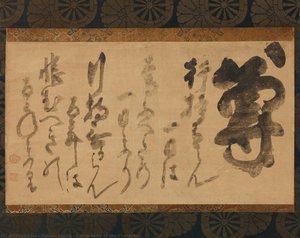
関連作品

作家の略歴
biography and artistic contributions
konoe sakihisa, a japanese court noble, lived from 1536 to 1612, spanning the sengoku, azuchi–momoyama, and early edo periods. as a member of the influential konoe family, a branch of the fujiwara clan, sakihisa's life was marked by significant political and military roles. early life and family born in 1536, sakihisa was the son of regent taneie, positioning him within the upper echelons of japanese nobility. his family's legacy played a crucial role in his early life, setting the stage for his future endeavors.artistic and political involvement
- konoe sakihisa served as kampaku-sadaijin and daijō-daijin, reflecting his rise to junior first rank.
- he was a key figure in the konoe family's interactions with prominent daimyōs (feudal lords) of the time.
- sakihisa found favor with oda nobunaga and accompanied him on campaigns, further solidifying his position within japan's complex political landscape.
notable artistic connections and legacy
- konoe sakihisa's daughter, sakiko, was adopted by toyotomi hideyoshi, later becoming a consort to emperor go-yōzei and giving birth to emperor go-mizunoo.
- in 1582, sakihisa received the appointment as daijō daijin, a position he later resigned from the same year.
- his adoption of hashiba (later toyotomi) hideyoshi in 1585 granted hideyoshi fujiwara legitimacy, paving the way for his appointment as kampaku.
art movement influences and legacy
while primarily known for his political and military roles, konoe sakihisa's influence on japanese art, particularly through his connections with the konoe family's artistic patronage, is noteworthy. the kanō school style art movement, which dominated japanese painting during this period, reflects the era's emphasis on vibrant colors and gold leaf, characteristic of the nobility's decorative preferences.- for a deeper understanding of the kanō school style art movement, visit the kanō school style art movement.
- explore the influence of chinese painting on japanese art through kanō masanobu's works, such as zhou maoshu appreciating lotuses.
- discover the ukiyo-e art movement, which flourished during the edo period, at the museum of fine arts (gifu, japan) and its collection.
conclusion
konoe sakihisa's life, though marked by political and military service, indirectly influenced the artistic landscape of japan's sengoku, azuchi–momoyama, and early edo periods. his connections with prominent figures like oda nobunaga and toyotomi hideyoshi further solidify his place in japanese history.
Konoe Sakihisa
1536 - 1612 , Japan
プロフィール概要
- Artistic Movement Or Style: Kanō school style
- Artists Or Movements Influenced By This Artist: ['Momoyama art']
- Artists Who Influenced This Artist: ['Kanō School']
- Date Of Birth: 1536
- Date Of Death: 1612
- Full Name: Konoe Sakihisa
- Nationality: Japanese
- Notable Artworks:
- Chinese Couplet
- Waka by Fujiwara no Toshiyuki
- Place Of Birth: Nakamura, Japan

