

 プレビュー
プレビュー
 プリントを購入
 シェアする
シェアする シェアする
シェアする
 詳細を見る
詳細を見る

 ダウンロード
 似ている作品
 X線調査
X線調査 スライドショー
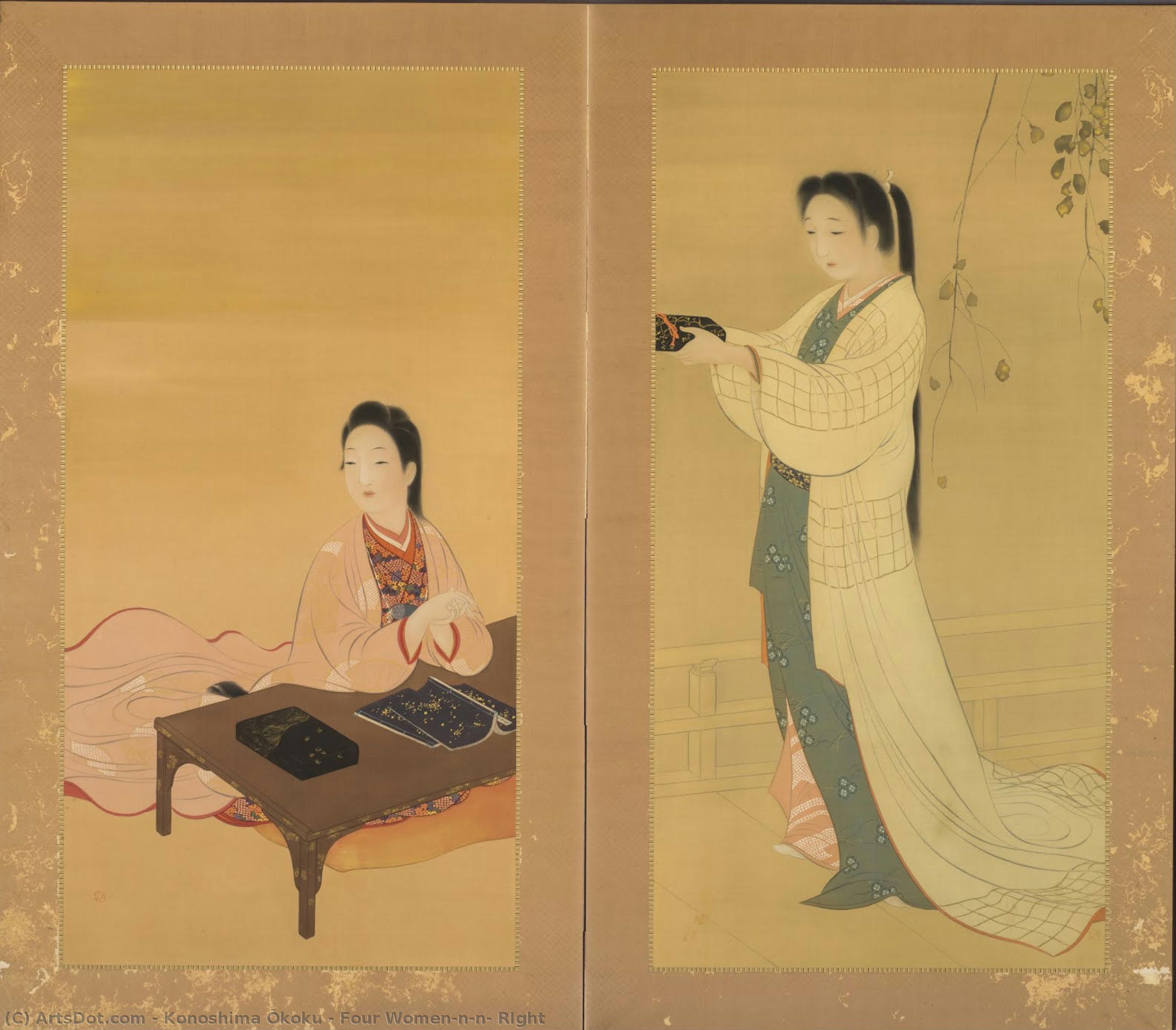
Four Women\n\n- RIght

 詳細を見る
詳細を見る




































作品のオリジナル比率に合わせた、当店の規定サイズからお選びください。

特定のフレームやスペースに合わせて、ご希望のサイズをご入力いただけます。選択されたサイズが元の画像の比率と異なる場合、アートワークをトリミングするか、手描きで要素を追加して絵画を拡張いたします。デジタルモックアップ を制作し、制作開始前にご確認(承認)をいただきます。
画面上のプレビューは、実際のトリミングや拡張を正確に反映しているものではありません。最終的な構図は、モックアップによってのみ正確にご確認いただけます。
カスタムサイズもご利用いただけますが、元の比率を維持するためには、あらかじめ用意されたリストからサイズを選択することをお勧めいたします。
ご注文後、ArtsDot.com チームより詳細な指示をお送りするとともに、仕上がりイメージ(モックアップ)をご提供いたします。


 ガラスオプションは、110cm未満のサイズでのみご利用いただけます。

Four Women\n\n- RIght
複製技法
複製画のサイズ
-


合計金額
$ 263
関連作品



アーティストの略歴
A Life Immersed in Brushstrokes: The World of Konoshima Ōkoku
Konoshima Ōkoku, born in Kyoto in 1877 and passing away in 1938, stands as a pivotal figure in the transition of Japanese painting from traditional styles to a modern aesthetic. He wasn’t merely an artist; he was a conduit, inheriting centuries of artistic lineage while simultaneously forging his own path through meticulous observation and a deeply personal connection with nature. His life unfolded against a backdrop of rapid modernization in Japan, a period that saw the nation grapple with embracing Western influences alongside preserving its rich cultural heritage. Ōkoku’s work embodies this very tension—a harmonious blend of established techniques and an emerging realism born from sketching directly from life. He represented the Kyoto circle of painters, a group known for their dedication to *Nihonga*, or traditional Japanese-style painting, but with a distinct emphasis on capturing the essence of the natural world around them.Early Years and Artistic Foundations
Ōkoku’s artistic journey began under the tutelage of Imao Keinen, a highly respected master of Nihonga. Keinen was instrumental in shaping Ōkoku's foundational skills, instilling within him a deep understanding of traditional brushwork, composition, and subject matter—often focusing on birds, flowers, and landscapes. However, Ōkoku wasn’t content with simply replicating the styles of his teacher. He possessed an innate curiosity and a desire to move beyond imitation. This led him to actively sketch from life, a practice that would become central to his artistic development. His early works already hinted at this burgeoning realism, showcasing a keen eye for detail and a sensitivity to light and shadow. He quickly distinguished himself, winning prizes at each of the first six Ministry of Education art exhibitions—a testament to his exceptional talent and dedication. These accolades weren’t merely acknowledgements of skill; they signaled the arrival of a new voice within the Nihonga landscape.The Shijō School and a Unique Aesthetic
Ōkoku became a leading member of the *Shijō school*, an influential group of artists active in Kyoto from the Meiji period through the early Shōwa era. The Shijō school was characterized by its commitment to realism, combined with traditional Japanese aesthetics. While many artists were experimenting with Western painting techniques, the Shijō painters sought to modernize Nihonga *from within*, refining existing methods and incorporating direct observation without abandoning their cultural roots. Ōkoku’s contribution to this movement was significant. He developed a distinctive style that balanced meticulous detail with a lyrical quality, imbuing his paintings with a sense of tranquility and emotional depth. His subject matter often revolved around animals—deer grazing in misty landscapes, foxes moving through bamboo forests—historical scenes, and glimpses into everyday life. He wasn’t simply depicting these subjects; he was capturing their spirit, their essence, their place within the natural order.Major Achievements and Artistic Themes
Throughout his career, Ōkoku exhibited extensively at prestigious exhibitions like the *Bunten* and *Teiten*, further solidifying his reputation as a leading Nihonga painter. His works consistently garnered critical acclaim for their technical mastery and poetic resonance. Several themes recur throughout his oeuvre. Animals, particularly deer and foxes, appear frequently, often depicted in serene landscapes shrouded in mist or bathed in soft light. These animals weren’t merely subjects; they were symbols of grace, resilience, and harmony with nature. Historical scenes allowed Ōkoku to explore narratives from Japan's past, rendered with a meticulous attention to detail and a sense of dramatic storytelling. Perhaps most compelling are his depictions of daily life—scenes of women engaged in everyday activities, capturing the quiet beauty of ordinary moments. His triptych “Misty Rain & Fallen Leaves” exemplifies his mastery; the delicate brushwork, subtle color palette, and evocative atmosphere create a truly captivating work.Legacy and Renewed Appreciation
While Ōkoku enjoyed considerable recognition during his lifetime, his popularity waned in the decades following his death. However, in recent years, there has been a renewed appreciation for his work, particularly among those seeking to understand the complexities of modern Japanese painting. His paintings offer a unique perspective—a harmonious blend of tradition and innovation, realism and lyricism. He wasn’t simply replicating the past; he was building upon it, creating something new and distinctly his own. Today, Konoshima Ōkoku is celebrated as a leading master of Nihonga, an artist whose work continues to inspire and captivate audiences with its technical brilliance, emotional depth, and enduring beauty. His legacy lies not only in the exquisite paintings he left behind but also in his ability to bridge the gap between tradition and modernity, leaving an indelible mark on the landscape of Japanese art.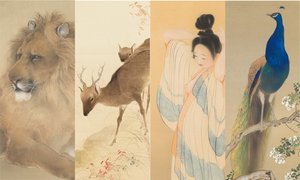
konoshima ōkoku
1877 - 1938 , Japan
基本情報
- Artistic Movement Or Style: Nihonga painting
- Artists Who Influenced This Artist: ['Imao Keinen']
- Date Of Birth: 1877
- Date Of Death: 1938
- Full Name: Konoshima Ōkoku
- Nationality: Japanese
- Notable Artworks:
- Spring on a Main Road
- Misty Rain & Fallen Leaves
- Four Women
- Spring Sunset
- Place Of Birth: Kyoto, Japan

