

 プレビュー
プレビュー
 プリントを購入
 シェアする
シェアする シェアする
シェアする
 詳細を見る
詳細を見る

 ダウンロード
 似ている作品
 X線調査
X線調査 スライドショー
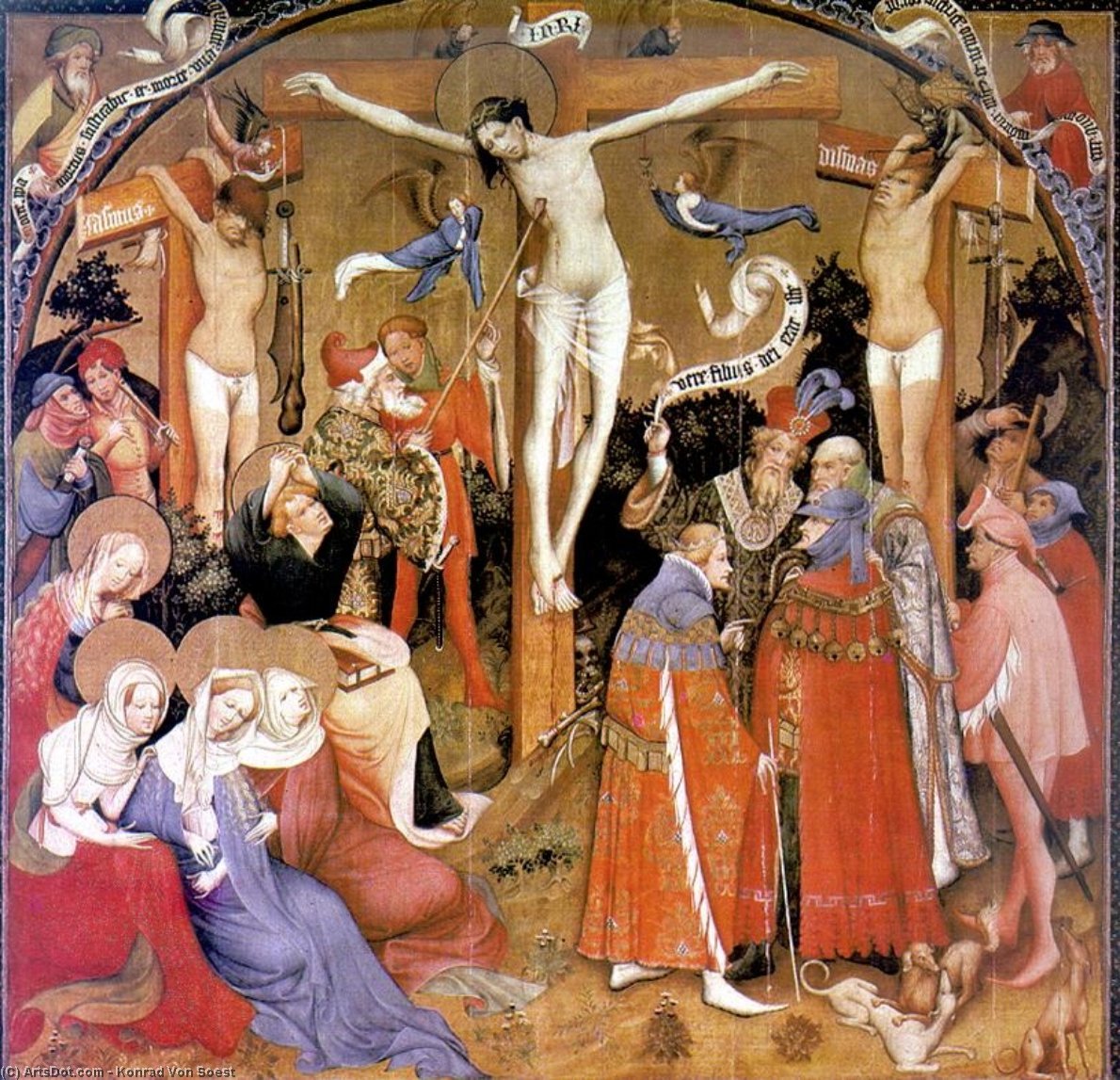
The Crucifixion
 Oil On Canvas
- WallArt
- International Gothic
 1404
1404 158.0 x 267.0 cm
 聖ニコラウス教区教会
 詳細を見る
詳細を見る
オンラインプレビューをはるかに凌ぐ、高解像度で鮮明なデジタル画像をご購入いただけます。
各ファイルは、社内の専門家が高度なツールと熟練した手作業によるレタッチを用いて、細心の注意を払って準備されています。すべての画像において、卓越した鮮明度、正確な色彩再現性、そして繊細なディテールを保証いたします。
最終ファイルは、プロフェッショナルな編集・印刷環境ですぐにご利用いただけるよう最適化された状態で、72時間以内にメールにてお届けいたします。これは、一流のデザインスタジオ、出版社、ギャラリーから信頼されているものと同等の品質です。
デジタル画像のご注文に付随する特典
高品質なデジタル画像配信を、確かな品質で。
ArtsDot.com を選ぶことは、単に画像を手に入れることではありません。それは、プロの手によって精密に仕上げられ、満足保証が付いた高品質なデジタルアートワークを受け取ることを意味します。ご注文いただいた際に自動的に付随する内容は、以下の通りです:

メールですぐにお届け
ご注文から72時間以内に、高解像度のデジタル画像ファイルがメールでお手元に届きます。すぐにそのままご利用いただけます。

AI技術で最適化されたデジタルファイル
お客様の作品は、高度なAIツールと専門家による手作業の編集を組み合わせてプロフェッショナルに最適化されており、細部のディテール、鮮明さ、そして正確な色再現性を最大限に引き出しています。

一生涯無料の再送サービス
ファイルを誤って削除したり、紛失してしまったりしましたか?ご安心ください。いつでも無料で再送いたします。

輸入手数料は一切かかりません
関税や手数料、配送料を気にすることなく、お気に入りのアートワークをすぐにお楽しみいただけます。デジタルダウンロードは常に免税です。

色彩再現の保証
プロ仕様のツールとカラーマネジメント技術を用いることで、デジタル画像が元の色を最大限に忠実に再現することを保証いたします。

60日間満足保証
ご購入いただいたデジタル画像にご満足いただけない場合は、60日以内であれば、修正または100%の返金(理由を問う必要はありません)をさせていただきます。

100% 返金保証
ご満足いただけない場合は、デジタルファイルを受け取ってから60日以内であれば、理由を問わず全額返金いたします。

まとめ買い割引
3枚購入で10%OFF - 5枚購入で15%OFF - 10枚以上購入で20%OFF。クリエイティブなプロジェクト、ギャラリー、エージェンシーに最適です。
A Testament to Faith: Konrad von Soest’s “The Crucifixion” (1404)
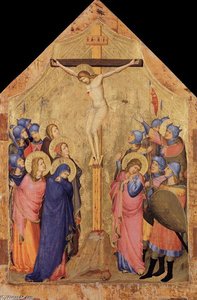
Konrad von Soest's "The Crucifixion," painted in 1404, is a profoundly moving and meticulously rendered depiction of one of Christianity’s most iconic events. Measuring an impressive 158 x 267 cm, this work transcends mere representation; it embodies the spiritual anguish and profound sorrow associated with Christ's sacrifice. Executed by von Soest during his formative years, the painting reveals a clear debt to the artistic innovations of Gentile da Fabriano, a pioneer of the International Gothic style, yet possesses a distinct character that firmly establishes von Soest as a significant artist in his own right.
- Subject and Composition: The scene unfolds with dramatic intensity – Jesus Christ, centrally positioned on the cross, dominates the composition. Surrounding him is a throng of figures, including angels, saints, and ordinary individuals, each contributing to the narrative’s emotional weight. A faithful dog lies at the foot of the cross, a recurring symbol of loyalty and devotion in Christian iconography.
- Style and Technique: Von Soest's mastery of the International Gothic style is immediately apparent. The figures are rendered with exquisite detail, exhibiting a graceful elegance and refined beauty characteristic of the period. The use of vibrant colors – rich reds, blues, and golds – enhances the scene’s dramatic effect and evokes a sense of otherworldly splendor. The artist employs meticulous glazing techniques, layering translucent washes of paint to achieve luminous effects and create a remarkable sense of depth and realism.
Historical Context and Artistic Influences
Painted in 1404, “The Crucifixion” reflects the artistic and religious climate of late medieval Germany. The work aligns with the broader trend towards greater emotional expression within Christian art, a shift partly influenced by the growing popularity of devotional imagery. Von Soest’s connection to Gentile da Fabriano is crucial to understanding the painting's aesthetic. Da Fabriano’s influence can be seen in the careful attention to detail, the elegant poses of the figures, and the overall sense of decorative splendor. However, von Soest subtly diverges from his predecessor, injecting a greater degree of psychological intensity into his portrayal of Christ’s suffering.
The painting's creation coincided with a period of significant religious fervor in Europe, fueled by the ongoing Crusades and the increasing importance of pilgrimage sites. The depiction of the crucifixion served as a powerful reminder of Christian faith and a focal point for devotional practices. Von Soest’s work exemplifies the artistic response to these profound spiritual currents.
Symbolism and Emotional Impact
“The Crucifixion” is laden with symbolic meaning, reflecting core tenets of Christian belief. The cross itself represents sacrifice, redemption, and salvation. The presence of angels signifies divine intervention and support, while the surrounding figures embody human empathy and faith. The dog at Christ’s feet symbolizes loyalty and devotion – a poignant reminder of Christ's unwavering love for humanity.
The painting’s emotional impact is undeniable. Von Soest skillfully captures the agony and despair associated with Christ’s suffering, inviting viewers to contemplate themes of mortality, faith, and redemption. The artist’s meticulous attention to detail and his masterful use of color contribute to a profoundly moving experience, ensuring that this work continues to resonate with audiences centuries after its creation.
A Masterpiece Reproduced
ArtsDot offers a stunning hand-painted reproduction of Konrad von Soest's “The Crucifixion,” meticulously crafted to capture the essence and emotional power of the original. This faithful recreation allows you to bring this iconic artwork into your home or office, serving as a timeless reminder of faith, beauty, and artistic mastery. The high-quality materials and expert craftsmanship ensure that this reproduction will retain its splendor for generations to come.
関連作品




作家の略歴
Gentile da Fabriano: A Pioneer of the International Gothic
Gentile da Fabriano, born around 1370 in the vibrant city of Fabriano in the Papal States, stands as a pivotal figure in the transition from the late Medieval to the early Renaissance. His name, meaning “gentle” or “kind,” belies the profound impact he had on European art, particularly through his masterful command of the International Gothic style. Unlike many artists of his time who sought to emulate the rigid formality of earlier traditions, Gentile embraced a more fluid and decorative approach, infusing his works with an unparalleled sense of elegance, detail, and vibrant color. His relatively small body of surviving paintings—a testament to the ravages of time and artistic appreciation—holds immense value, offering invaluable insights into the burgeoning aesthetic sensibilities of 15th-century Italy. Gentile’s early life remains shrouded in some mystery, though it's believed he received his initial training within the thriving artisan community of Fabriano, a renowned center for textile production and manuscript illumination. The city’s rich history as a wool trading hub undoubtedly influenced his artistic development, fostering an appreciation for luxurious materials and intricate patterns—qualities that would become hallmarks of his distinctive style. His father, Niccolò di Giovanni Massi, was involved in the civic life of Fabriano, and it's likely Gentile’s upbringing exposed him to the political and social dynamics of the region. Early works, such as the *Annunciation* (c. 1395-1400) now housed in Berlin, demonstrate a clear debt to Northern European Gothic traditions—particularly the use of elongated figures, delicate drapery, and a focus on elegant detail—but already reveal his own burgeoning artistic voice.The Venetian Years: Influences and Early Development
Around 1405, Gentile embarked on a significant chapter of his career in Venice, a city renowned for its wealth, artistic patronage, and cosmopolitan atmosphere. This period proved to be immensely formative, exposing him to the diverse influences that would shape his evolving style. He found employment at the court of Gian Galeazzo Visconti, Duke of Milan, where he created paintings depicting ladies in a room of the Visconti Castle—a testament to his skill in portraying aristocratic life and capturing the grandeur of the era. Crucially, during this time, he encountered Lorenzo Monaco, another prominent Venetian painter, whose work demonstrated a more restrained and psychologically nuanced approach compared to Gentile’s earlier style. This encounter likely prompted a shift towards greater emotional depth and a subtle exploration of human character in his subsequent works. The influence of the *International Gothic* is particularly evident in his 1408-1409 frescoes for the Church of Santa Sofia in Venice, commissioned alongside Il Pisanello. These ambitious projects showcased Gentile’s ability to orchestrate complex compositions and integrate narrative elements with decorative flourishes. However, these works were tragically lost, leaving only fragments as evidence of their magnificence. His *Madonna with the Children together with the saints Clara and Francis* (1408-1409), now in the Pavia Civic Museums, offers a glimpse into his Venetian style—characterized by elongated figures, intricate details, and a refined elegance that foreshadows his later achievements.The Strozzi Altarpiece: A Masterpiece of International Gothic
Gentile’s most celebrated work, the *Adoration of the Magi* (1423), commissioned for the Church of Santa Trinità in Florence, stands as a towering achievement of the International Gothic style. This monumental altarpiece is a breathtaking spectacle of color, texture, and intricate detail—a testament to Gentile’s unparalleled skill in depicting luxurious materials, exotic costumes, and complex narratives. The scene depicts the arrival of the Magi to visit the infant Jesus, surrounded by a throng of kneeling worshippers, Oriental retainers, and a menagerie of animals. The figures are rendered with exquisite grace and elegance, their robes shimmering with velvet, silk, and gold—a deliberate homage to the wealth and power of the Florentine elite. What distinguishes the *Adoration of the Magi* is not merely its technical virtuosity but also its profound sense of atmosphere and emotional resonance. Gentile masterfully captures the wonder and reverence associated with this sacred event, creating a scene that is both visually stunning and spiritually evocative. The painting’s decorative elements—the intricate patterns on the fabrics, the shimmering gold leaf, and the delicate details of the animals—are executed with breathtaking precision, demonstrating Gentile's meticulous attention to detail.The Flight into Egypt and Legacy
Following his work in Florence, Gentile spent his final years in Rome, where he completed a series of frescoes for the Church of St. John Lateran. These works, sadly destroyed during the rebuilding efforts after World War II, represent his last major artistic undertaking. His *Flight into Egypt* (c. 1427), now housed in the Louvre Museum, offers a poignant glimpse into his evolving style—characterized by a greater emphasis on emotional expression and a more naturalistic depiction of human figures. The painting portrays Mary and Joseph fleeing to Egypt with the infant Jesus, conveying a sense of urgency and vulnerability through their gestures and expressions. Gentile da Fabriano’s legacy extends far beyond his individual works. He played a crucial role in shaping the artistic landscape of 15th-century Italy, influencing generations of artists who followed in his footsteps. His embrace of the *International Gothic* style—characterized by its elegance, detail, and decorative flourishes—became a defining feature of Florentine painting during the early Renaissance. His meticulous attention to materials, his innovative use of color, and his profound understanding of human emotion continue to inspire artists today, solidifying his place as one of the most important and influential figures in European art history. His work serves as a beautiful bridge between the medieval world and the dawn of the Renaissance, showcasing the enduring power of artistic beauty and innovation.
konrad von soest
1370 - 1422

