

 プレビュー
プレビュー
 プリントを購入
 シェアする
シェアする シェアする
シェアする
 詳細を見る
詳細を見る

 ダウンロード
 似ている作品
 X線調査
X線調査 スライドショー
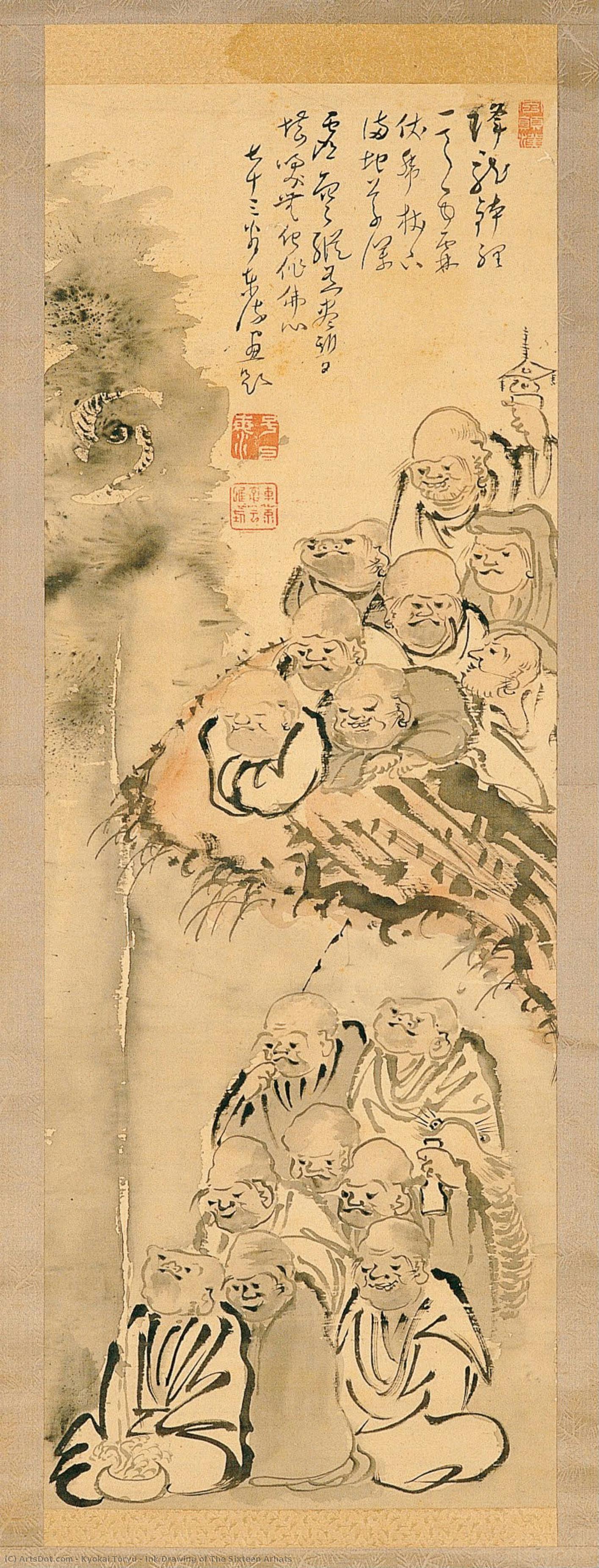
Ink Drawing of The Sixteen Arhats


 詳細を見る
詳細を見る
オンラインプレビューをはるかに凌ぐ、高解像度で鮮明なデジタル画像をご購入いただけます。
各ファイルは、社内の専門家が高度なツールと熟練した手作業によるレタッチを用いて、細心の注意を払って準備されています。すべての画像において、卓越した鮮明度、正確な色彩再現性、そして繊細なディテールを保証いたします。
最終ファイルは、プロフェッショナルな編集・印刷環境ですぐにご利用いただけるよう最適化された状態で、72時間以内にメールにてお届けいたします。これは、一流のデザインスタジオ、出版社、ギャラリーから信頼されているものと同等の品質です。
デジタル画像のご注文に付随する特典
高品質なデジタル画像配信を、確かな品質で。
ArtsDot.com を選ぶことは、単に画像を手に入れることではありません。それは、プロの手によって精密に仕上げられ、満足保証が付いた高品質なデジタルアートワークを受け取ることを意味します。ご注文いただいた際に自動的に付随する内容は、以下の通りです:

メールですぐにお届け
ご注文から72時間以内に、高解像度のデジタル画像ファイルがメールでお手元に届きます。すぐにそのままご利用いただけます。

AI技術で最適化されたデジタルファイル
お客様の作品は、高度なAIツールと専門家による手作業の編集を組み合わせてプロフェッショナルに最適化されており、細部のディテール、鮮明さ、そして正確な色再現性を最大限に引き出しています。

一生涯無料の再送サービス
ファイルを誤って削除したり、紛失してしまったりしましたか?ご安心ください。いつでも無料で再送いたします。

輸入手数料は一切かかりません
関税や手数料、配送料を気にすることなく、お気に入りのアートワークをすぐにお楽しみいただけます。デジタルダウンロードは常に免税です。

色彩再現の保証
プロ仕様のツールとカラーマネジメント技術を用いることで、デジタル画像が元の色を最大限に忠実に再現することを保証いたします。

100日間満足保証
ご購入いただいたデジタル画像にご満足いただけない場合は、100日以内であれば、修正または100%の返金(理由を問う必要はありません)をさせていただきます。

100% 返金保証
ご満足いただけない場合は、デジタルファイルを受け取ってから100日以内であれば、理由を問わず全額返金いたします。

まとめ買い割引
3枚購入で10%OFF - 5枚購入で15%OFF - 10枚以上購入で20%OFF。クリエイティブなプロジェクト、ギャラリー、エージェンシーに最適です。
関連作品
作家の略歴
Kyokai Tōryū (Kaiten Ekō): A Silent Witness to Edo Japan
Kyokai Tōryū, also known as Kaiten Ekō, stands as a singular figure in the annals of Edo-period Japanese art—a testament to monastic devotion interwoven with artistic mastery. Born in Echigo Prefecture around 1779, he ascended to abbatial leadership at Gōtokuji Temple in Musashi in 1832, dedicating his life to spiritual practice while simultaneously cultivating a distinctive visual idiom that continues to resonate today. His legacy rests primarily upon a single masterpiece: the monumental ink drawing of the Sixteen Arhats, completed in 1851—a work imbued with profound symbolism and executed with unparalleled skill.- Early Life & Spiritual Formation
- Abbotship at Gōtokuji Temple
- The Sixteen Arhats: A Symbol of Enlightenment
- Style and Technique – The Chigo Style
- Historical Significance & Legacy
Early Life & Spiritual Formation
Details surrounding Kyokai Tōryū’s formative years remain somewhat elusive, reflecting the customary privacy of monastic life. However, he emerged from a lineage deeply rooted in Soto Zen Buddhism—a tradition emphasizing meditation and contemplation as pathways to liberation. His upbringing instilled within him a profound appreciation for stillness, simplicity, and the pursuit of inner harmony – values that would undoubtedly inform his artistic sensibilities. While biographical information is scarce, scholarly consensus suggests he received extensive training in calligraphy and painting techniques, foundational skills necessary for mastering the Chigo style.Abbotship at Gōtokuji Temple
Kyokai Tōryū’s appointment as the 22nd abbot of Gōtokuji Temple marked a pivotal moment in his life and solidified his position within Japanese Buddhist society. Situated in Musashi Province, Gōtokuji was renowned for its serene landscapes and its role as a center for Zen meditation—a setting perfectly suited to Kyokai Tōryū’s contemplative inclinations. During his tenure, he oversaw temple affairs with unwavering dedication, fostering spiritual growth among his monks and upholding the temple's traditions. His abbatial duties provided him with invaluable experience in managing complex administrative responsibilities alongside maintaining a deep connection to Buddhist philosophy.The Sixteen Arhats: A Symbol of Enlightenment
The Sixteen Arhats—Buddhist figures who have attained enlightenment through meditation and renunciation—represent the pinnacle of spiritual achievement. Kyokai Tōryū’s depiction of these revered saints is arguably his most celebrated work, embodying the essence of Chigo style art. The drawing showcases sixteen arhats arranged in a dynamic composition that captures both stillness and movement—a deliberate juxtaposition reflecting the paradoxical nature of enlightenment itself. Each arhat is rendered with meticulous detail, conveying not merely physical likeness but also psychological depth—a hallmark of Kyokai Tōryū’s artistic vision.Style and Technique – The Chigo Style
Kyokai Tōryū's artistic style—commonly referred to as Chigo—is characterized by its distinctive aesthetic qualities. This technique prioritizes a restrained palette of muted tones, primarily browns and blacks, creating an atmosphere of profound tranquility and contemplation. Lines are executed with remarkable precision and fluidity, conveying both strength and grace—a testament to Kyokai Tōryū’s mastery of brushwork. The Chigo style eschews elaborate ornamentation, focusing instead on capturing the subtle nuances of form and texture—resulting in images that evoke a sense of timeless beauty and spiritual resonance.Historical Significance & Legacy
Kyokai Tōryū's contribution to Edo-period art transcends mere stylistic innovation; it represents a profound engagement with Buddhist ideals. The Sixteen Arhats stands as an enduring symbol of enlightenment—a visual embodiment of Soto Zen’s core teachings. His work continues to inspire admiration for its serene beauty and intellectual depth, securing his place among Japan's most revered artists. Furthermore, Kyokai Tōryū’s legacy extends beyond the canvas, serving as a reminder of the harmonious coexistence between artistic creativity and spiritual devotion—a testament to the enduring power of Buddhist art to illuminate the human condition.
kyokai tōryū
1779 - 1853 , Japan
プロフィール概要
- Artistic Movement Or Style: Sōtō Zen
- Date Of Birth: 1779
- Full Name: Kyokai Tōryū
- Nationality: Japanese
- Notable Artworks: ['Ink Drawing of The Sixteen Arhats']
- Place Of Birth: Echigo Prefecture, Japan