

 プレビュー
プレビュー
 シェアする
シェアする シェアする
シェアする
 詳細を見る
詳細を見る

 ダウンロード
 似ている作品
 X線調査
X線調査 スライドショー
 Stats
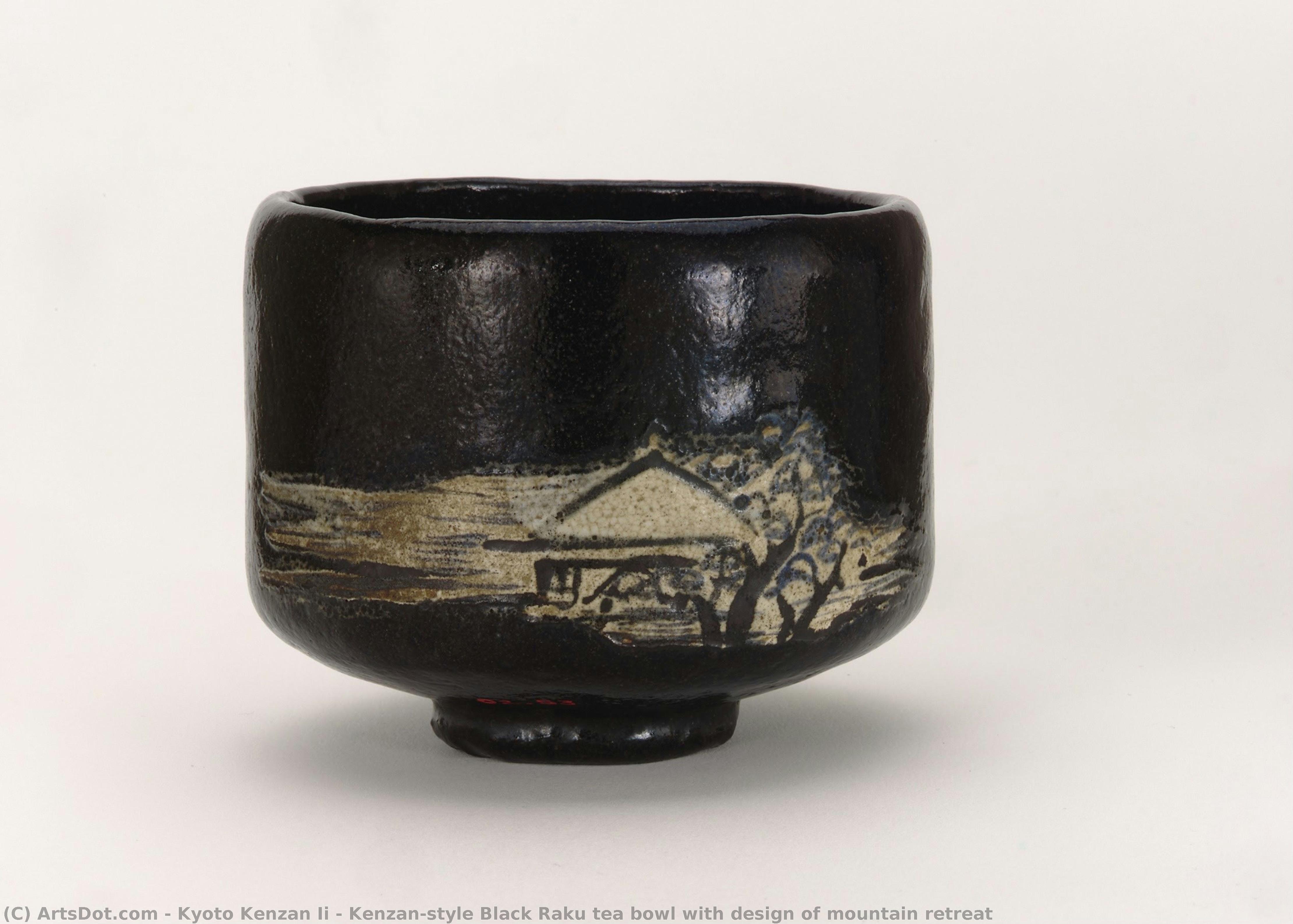
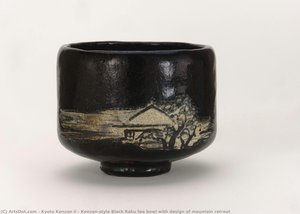
StatsKenzan-style Black Raku tea bowl with design of mountain retreat


 詳細を見る
詳細を見る
手描き油彩複製画
当社のアーティストが、お客様のご希望のサイズと額縁に合わせて、キャンバスに手描きで制作する油彩画です。 ( Switch to Print Switch to Digital Image)




































作品のオリジナル比率に合わせた、当店の規定サイズからお選びください。

特定のフレームやスペースに合わせて、ご希望のサイズをご入力いただけます。選択されたサイズが元の画像の比率と異なる場合、アートワークをトリミングするか、手描きで要素を追加して絵画を拡張いたします。デジタルモックアップ を制作し、制作開始前にご確認(承認)をいただきます。
画面上のプレビューは、実際のトリミングや拡張を正確に反映しているものではありません。最終的な構図は、モックアップによってのみ正確にご確認いただけます。
カスタムサイズもご利用いただけますが、元の比率を維持するためには、あらかじめ用意されたリストからサイズを選択することをお勧めいたします。
ご注文後、ArtsDot.com チームより詳細な指示をお送りするとともに、仕上がりイメージ(モックアップ)をご提供いたします。


 ガラスオプションは、110cm未満のサイズでのみご利用いただけます。

Kenzan-style Black Raku tea bowl with design of mountain retreat
複製技法
複製画のサイズ
-


合計金額
$ 263
関連作品
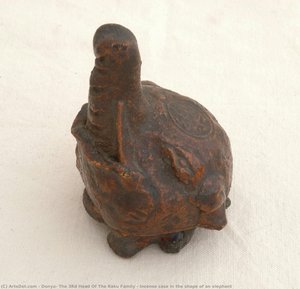
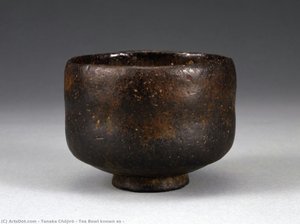
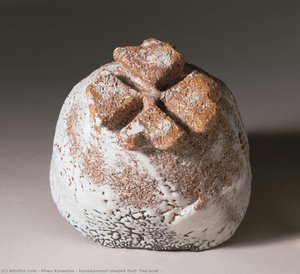
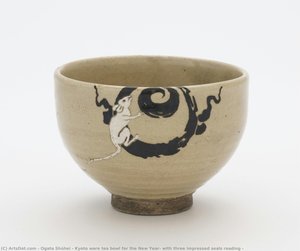
アーティストの略歴
The Legacy of the Kenzan Lineage
In the heart of Kyoto, during the vibrant Edo period, a profound artistic lineage was forged through clay and fire. Kyoto Kenzan II, born as Ogata Ihachi around 1720, emerged not merely as a successor but as a vital custodian of a revolutionary aesthetic. While his predecessor, the legendary Ogata Kenzan, had already transformed Japanese ceramics by treating the vessel as a canvas for painterly expression, Ihachi dedicated his life to refining and expanding this delicate balance between form and fine art. His identity was deeply intertwined with the Rimpa School, an artistic movement that celebrated the decorative elegance of nature. Through his hands, the traditions of the Kenzan style were preserved, ensuring that the rhythmic beauty of Japanese landscapes could be held and experienced in the palm of one's hand.
Ihachi’s journey was shaped by a rigorous and multifaceted education that transcended the simple boundaries of craft. Growing up amidst the cultural sophistication of Kyoto, he immersed himself in the study of Confucian scholarship and the disciplined strokes of calligraphy. These intellectual pursuits were harmonized with the spiritual depth of Zen Buddhism, providing him with a worldview where every line and glaze could reflect the profound interconnectedness of all living things. This scholarly foundation allowed him to approach pottery not just as a technician, but as a philosopher of form, imbuing his ceramic works with a sense of meditative stillness and intellectual weight.
Symbolism and the Language of Nature
The artistry of Kyoto Kenzan II is most profoundly felt in his mastery of symbolic motifs. His work often serves as a silent poetry, utilizing bold, graphic patterns to communicate ancient truths about the natural world. He frequently turned to auspicious botanical elements—such as the resilient pine and the flexible bamboo—to weave narratives of strength, renewal, and endurance into his designs. These were not merely decorative flourishes; they were deeply embedded in the Japanese cosmological belief in the cyclical nature of existence and the pursuit of longevity.
Beyond flora, Ihachi’s compositions often captured the ethereal grandeur of the landscape. His ability to translate the vastness of mountain retreats and the majesty of Mount Fuji onto the curved surfaces of tea bowls and plates demonstrated a remarkable spatial intelligence. By integrating stylized landscapes with geometric precision, he created a sense of depth that invited the viewer into a miniature, tranquil universe. This seamless blend of the organic and the structured became the hallmark of his contribution to the Kenzan style, making his pieces much more than functional objects; they were windows into a spiritualized landscape.
Technical Mastery and Lasting Impact
To achieve such evocative results, Ihachi utilized highly sophisticated techniques that pushed the boundaries of 18th-century ceramic production. He was particularly adept at employing Raku ware methods, a process celebrated for its ability to produce unpredictable and breathtaking glaze effects. Through the careful manipulation of kiln temperatures and the application of iron pigments and enamels under transparent lead glazes, he achieved a stunning range of textures and luminous colors. His work often featured a captivating contrast between the rugged, earthy qualities of the clay and the delicate, brilliant highlights of his painted motifs.
The historical significance of Kyoto Kenzan II lies in his ability to bridge the gap between the classical traditions of his ancestors and the evolving tastes of the Edo period. His notable achievements, such as his exquisite hexagonal plates adorned with Jurōjin—the deity of longevity—stand as testaments to his skill in merging religious iconography with high-art aesthetics. Today, his legacy continues to resonate within the world's most prestigious collections, from the Freer Gallery of Art to the Metropolitan Museum of Art. He remains a pivotal figure whose work continues to inspire an appreciation for the harmony, resilience, and enduring beauty found within the intersection of earth and art.
kyoto kenzan ii
Japan
基本情報
- Artistic Movement Or Style: Raku ware
- Artists Or Movements Influenced By This Artist: ['Rimpa School']
- Artists Who Influenced This Artist:
- Ninsei
- Ogata Kōrin
- Full Name: Ogata Ihachi
- Nationality: Japanese
- Notable Artworks:
- Jurōjin Plate
- Cedar Grove Plate
- Hana-kago Scroll
- Eight Bridges Painting
- Place Of Birth: Kyoto, Japan
関連記事
Floating World: The Captivating Art and Legacy of Japanese Ukiyo-e
Explore the profound beauty of Japanese Ukiyo-e. Discover the history, masters like Hokusai, and the enduring legacy of the 'Floating World' through an expert art-historical lens.
Japonisme: How Japanese Woodblock Prints Revolutionized Western Art
Explore the profound impact of Japonisme on Western art. Discover how Japanese ukiyo-e woodblock prints revolutionized perspective, color, and composition for masters like Monet and Van Gogh, forever changing the course of modern art history.
The Alchemy of Clay: A Collector's Guide to the Mastery, Texture, and Timeless Form of Ceramic Art
Discover the profound beauty of ceramic art. Our expert guide explores the alchemy of clay, texture, and glaze, offering collectors deep insights into mastering earth and fire to create timeless, sculptural masterpieces for any curated collection.

葛飾北斎:25の傑作が語る浮世絵の世界 - ArtsDot
葛飾北斎の25選:『神奈川沖浪裏』や『富嶽三十六景』など、浮世絵の世界を深く探求。木版画の技法と日本美術の美をArtsDotで。高品質なアートプリントで空間に感動を。コレクションはこちら。
Serenity on Canvas: A Guide to the Timeless Beauty of Japanese Landscape Painting
Discover the serene beauty of Japanese landscape painting. From Hokusai's iconic woodblock prints to meditative sumi-e ink washes, explore a visual journey through the 'floating world' and learn how to bring this timeless Zen aesthetic into your modern home decor.