

 プレビュー
プレビュー
 シェアする
シェアする シェアする
シェアする
 詳細を見る
詳細を見る

 ダウンロード
 似ている作品
 X線調査
X線調査 スライドショー
 Stats
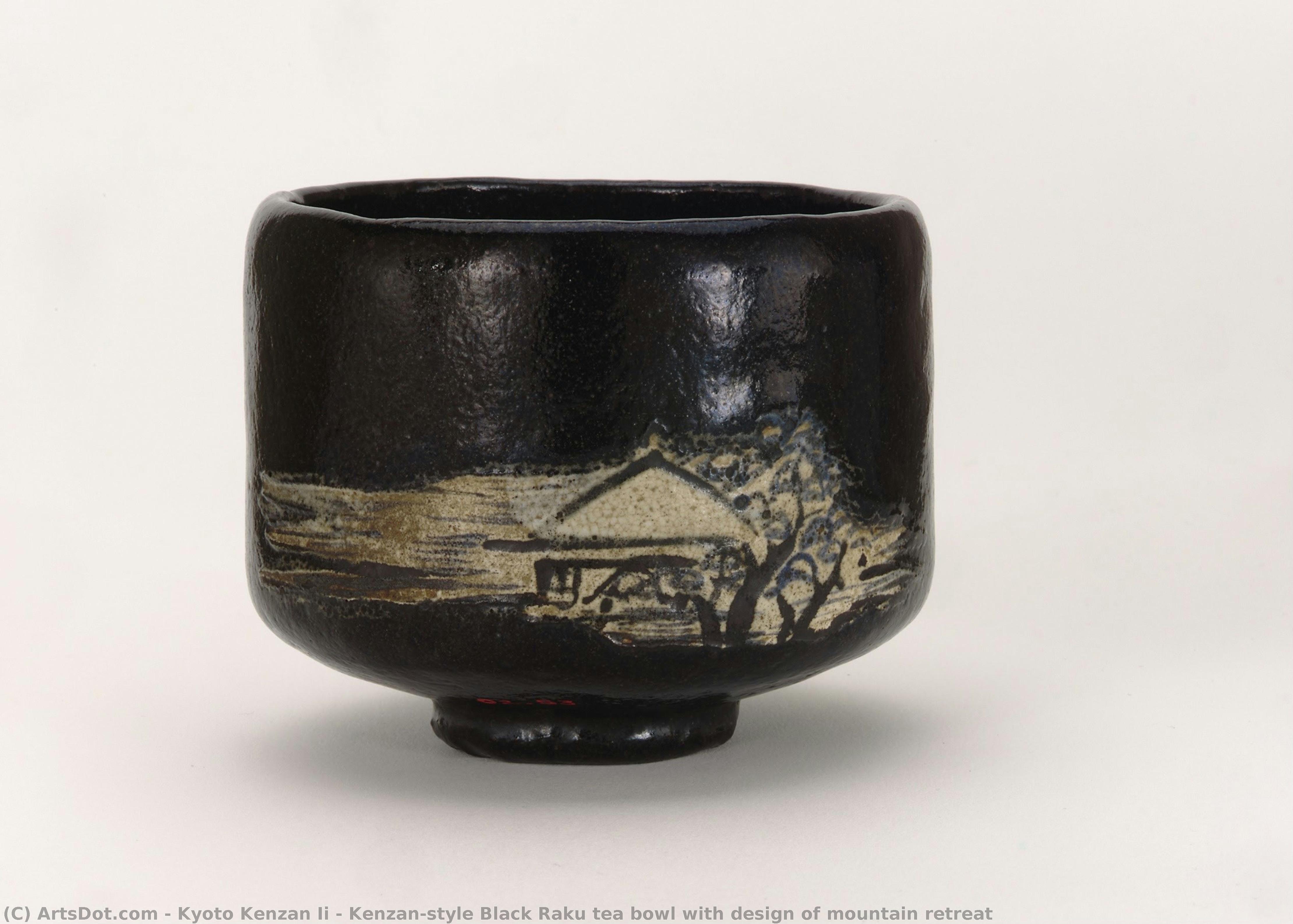
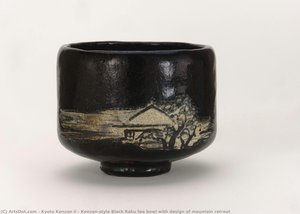
StatsKenzan-style Black Raku tea bowl with design of mountain retreat


 詳細を見る
詳細を見る
オンラインプレビューをはるかに凌ぐ、高解像度で鮮明なデジタル画像をご購入いただけます。
各ファイルは、社内の専門家が高度なツールと熟練した手作業によるレタッチを用いて、細心の注意を払って準備されています。すべての画像において、卓越した鮮明度、正確な色彩再現性、そして繊細なディテールを保証いたします。
最終ファイルは、プロフェッショナルな編集・印刷環境ですぐにご利用いただけるよう最適化された状態で、72時間以内にメールにてお届けいたします。これは、一流のデザインスタジオ、出版社、ギャラリーから信頼されているものと同等の品質です。
デジタルアート
個人での鑑賞、印刷、クリエイティブなプロジェクト用に、高解像度ファイルをダウンロードできます。 ( Switch to Print 手描きの絵画を購入)
デジタル画像のご注文に付随する特典
高品質なデジタル画像配信を、確かな品質で。
ArtsDot.com を選ぶことは、単に画像を手に入れることではありません。それは、プロの手によって精密に仕上げられ、満足保証が付いた高品質なデジタルアートワークを受け取ることを意味します。ご注文いただいた際に自動的に付随する内容は、以下の通りです:

メールですぐにお届け
ご注文から72時間以内に、高解像度のデジタル画像ファイルがメールでお手元に届きます。すぐにそのままご利用いただけます。

AI技術で最適化されたデジタルファイル
お客様の作品は、高度なAIツールと専門家による手作業の編集を組み合わせてプロフェッショナルに最適化されており、細部のディテール、鮮明さ、そして正確な色再現性を最大限に引き出しています。

一生涯無料の再送サービス
ファイルを誤って削除したり、紛失してしまったりしましたか?ご安心ください。いつでも無料で再送いたします。

輸入手数料は一切かかりません
関税や手数料、配送料を気にすることなく、お気に入りのアートワークをすぐにお楽しみいただけます。デジタルダウンロードは常に免税です。

色彩再現の保証
プロ仕様のツールとカラーマネジメント技術を用いることで、デジタル画像が元の色を最大限に忠実に再現することを保証いたします。

100日間満足保証
ご購入いただいたデジタル画像にご満足いただけない場合は、100日以内であれば、理由を問わず修正または100%の返金対応をさせていただきます。

100% 返金保証
ご満足いただけない場合は、デジタルファイルを受け取ってから100日以内であれば、理由を問わず全額返金いたします。

まとめ買い割引
3枚購入で10%OFF - 5枚購入で15%OFF - 10枚以上購入で20%OFF。クリエイティブなプロジェクト、ギャラリー、エージェンシーに最適です。
関連作品
作家の略歴
The Legacy of the Kenzan Lineage
In the heart of Kyoto, during the vibrant Edo period, a profound artistic lineage was forged through clay and fire. Kyoto Kenzan II, born as Ogata Ihachi around 1720, emerged not merely as a successor but as a vital custodian of a revolutionary aesthetic. While his predecessor, the legendary Ogata Kenzan, had already transformed Japanese ceramics by treating the vessel as a canvas for painterly expression, Ihachi dedicated his life to refining and expanding this delicate balance between form and fine art. His identity was deeply intertwined with the Rimpa School, an artistic movement that celebrated the decorative elegance of nature. Through his hands, the traditions of the Kenzan style were preserved, ensuring that the rhythmic beauty of Japanese landscapes could be held and experienced in the palm of one's hand.
Ihachi’s journey was shaped by a rigorous and multifaceted education that transcended the simple boundaries of craft. Growing up amidst the cultural sophistication of Kyoto, he immersed himself in the study of Confucian scholarship and the disciplined strokes of calligraphy. These intellectual pursuits were harmonized with the spiritual depth of Zen Buddhism, providing him with a worldview where every line and glaze could reflect the profound interconnectedness of all living things. This scholarly foundation allowed him to approach pottery not just as a technician, but as a philosopher of form, imbuing his ceramic works with a sense of meditative stillness and intellectual weight.
Symbolism and the Language of Nature
The artistry of Kyoto Kenzan II is most profoundly felt in his mastery of symbolic motifs. His work often serves as a silent poetry, utilizing bold, graphic patterns to communicate ancient truths about the natural world. He frequently turned to auspicious botanical elements—such as the resilient pine and the flexible bamboo—to weave narratives of strength, renewal, and endurance into his designs. These were not merely decorative flourishes; they were deeply embedded in the Japanese cosmological belief in the cyclical nature of existence and the pursuit of longevity.
Beyond flora, Ihachi’s compositions often captured the ethereal grandeur of the landscape. His ability to translate the vastness of mountain retreats and the majesty of Mount Fuji onto the curved surfaces of tea bowls and plates demonstrated a remarkable spatial intelligence. By integrating stylized landscapes with geometric precision, he created a sense of depth that invited the viewer into a miniature, tranquil universe. This seamless blend of the organic and the structured became the hallmark of his contribution to the Kenzan style, making his pieces much more than functional objects; they were windows into a spiritualized landscape.
Technical Mastery and Lasting Impact
To achieve such evocative results, Ihachi utilized highly sophisticated techniques that pushed the boundaries of 18th-century ceramic production. He was particularly adept at employing Raku ware methods, a process celebrated for its ability to produce unpredictable and breathtaking glaze effects. Through the careful manipulation of kiln temperatures and the application of iron pigments and enamels under transparent lead glazes, he achieved a stunning range of textures and luminous colors. His work often featured a captivating contrast between the rugged, earthy qualities of the clay and the delicate, brilliant highlights of his painted motifs.
The historical significance of Kyoto Kenzan II lies in his ability to bridge the gap between the classical traditions of his ancestors and the evolving tastes of the Edo period. His notable achievements, such as his exquisite hexagonal plates adorned with Jurōjin—the deity of longevity—stand as testaments to his skill in merging religious iconography with high-art aesthetics. Today, his legacy continues to resonate within the world's most prestigious collections, from the Freer Gallery of Art to the Metropolitan Museum of Art. He remains a pivotal figure whose work continues to inspire an appreciation for the harmony, resilience, and enduring beauty found within the intersection of earth and art.
kyoto kenzan ii
Japan
プロフィール概要
- Artistic Movement Or Style: Raku ware
- Artists Or Movements Influenced By This Artist: ['Rimpa School']
- Artists Who Influenced This Artist:
- Ninsei
- Ogata Kōrin
- Full Name: Ogata Ihachi
- Nationality: Japanese
- Notable Artworks:
- Jurōjin Plate
- Cedar Grove Plate
- Hana-kago Scroll
- Eight Bridges Painting
- Place Of Birth: Kyoto, Japan