

 プレビュー
プレビュー
 プリントを購入
 シェアする
シェアする シェアする
シェアする
 詳細を見る
詳細を見る

 ダウンロード
 似ている作品
 X線調査
X線調査 スライドショー
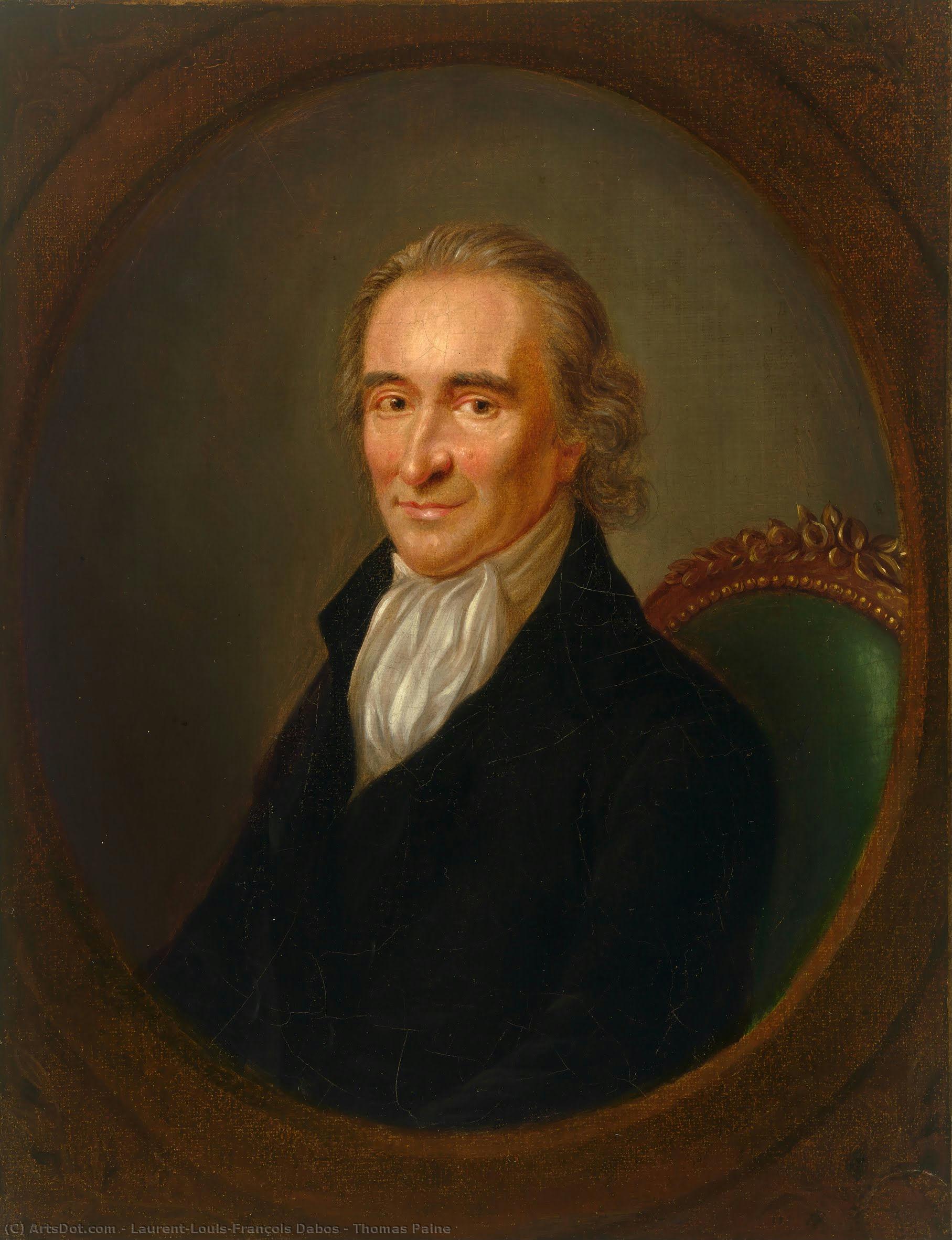
Thomas Paine


 詳細を見る
詳細を見る




P118B $10

P118H $10

P118W $10

P438Z $10

P508JH $12

P508YH $12

P805H $10

P805Z $10

P919BZ $10

P919G $10

P919XJ $10

P959ZH $10

P968JZ $12

W106C $8

W218G $10

W218JH $8

W218Y $10

W307PJ $10

W316G $10

W316PJ $8

W316Y $10

W398PJ $8

W4111J $10

W500HY $15

W500JH $15

W692G $12

W849H $8

W940BG $15

W953PJ $8




作品のオリジナル比率に合わせた、当店の規定サイズからお選びください。

特定のフレームやスペースに合わせて、ご希望のサイズをご入力いただけます。選択されたサイズが元の画像の比率と異なる場合、アートワークをトリミングするか、手描きで要素を追加して絵画を拡張いたします。デジタルモックアップ を制作し、制作開始前にご確認(承認)をいただきます。
画面上のプレビューは、実際のトリミングや拡張を正確に反映しているものではありません。最終的な構図は、モックアップによってのみ正確にご確認いただけます。
カスタムサイズもご利用いただけますが、元の比率を維持するためには、あらかじめ用意されたリストからサイズを選択することをお勧めいたします。
ご注文後、ArtsDot.com チームより詳細な指示をお送りするとともに、仕上がりイメージ(モックアップ)をご提供いたします。


 ガラスオプションは、110cm未満のサイズでのみご利用いただけます。

Thomas Paine
複製技法
複製画のサイズ
-


合計金額
$ 263
作品解説
Thomas Paine: A Portrait Embodied in Reason
Laurent Dabos’s portrait of Thomas Paine—completed circa 1792—stands as a testament to the artistic fervor of the Napoleonic era and, crucially, to the enduring legacy of Enlightenment ideals. More than just a likeness of a prominent figure, it embodies the spirit of intellectual defiance that characterized Paine's life and work, capturing not merely his physical appearance but also the profound conviction underpinning his revolutionary convictions.
- Historical Context: Painted during the tumultuous years following the French Revolution, Dabos’s portrait reflects the anxieties and aspirations of a society grappling with radical change. Paine himself had become a symbol of republican fervor—a champion of liberty and equality—drawing inspiration from Rousseau and Voltaire—figures who championed natural rights and challenged hereditary authority.
- Style & Technique: Dabos adhered to Neoclassical principles, prioritizing realism and clarity while avoiding excessive ornamentation. The meticulous attention to detail—particularly in the rendering of Paine’s clothing and facial features—demonstrates mastery of oil painting techniques. Subtle shading creates depth and volume, conveying a sense of dignified solemnity.
- Composition & Symbolism: The oval frame surrounding Paine's head emphasizes his importance and dignity, aligning with classical conventions. The soft lighting highlights textures and contours, fostering contemplation. Dabos’s deliberate pose—seated upright—suggests composure and intellectual seriousness—qualities consistent with Paine’s philosophical pursuits.
- Color Palette & Mood: Dominated by dark tones—primarily black, brown, and muted greens—the palette contributes to the portrait's contemplative mood. The restrained use of color underscores the solemnity of the subject matter and reinforces the overarching theme of reason and moral fortitude.
The artwork’s impact extends beyond its aesthetic qualities; it serves as a visual record of Paine’s intellectual stature—a figure who dared to question established dogma and advocate transformative social reforms. Dabos's portrait captures not only the man but also the ideas that propelled him into history, cementing his place as an icon of Enlightenment thought.
About Laurent Dabos
Laurent Dabos (1761–1835) was a prolific French painter who achieved considerable renown during the Napoleonic era. Primarily celebrated for his portraits and historical genre paintings—particularly those depicting scenes from the Napoleonic Wars—Dabos’s work reflects the artistic sensibilities of his time while demonstrating remarkable skill in capturing human emotion and detail.
He studied under François André Vincent, establishing himself as a successful artist early in his career through exhibitions like “Exposition de la Jeunesse” in 1788. Dabos’s artistic journey began with meticulous draughtsmanship—a cornerstone of Neoclassical style—instilled by Vincent’s influence.
Provenance & Significance
This portrait was created as a model for engravings, reflecting the widespread demand for images of prominent figures during the Napoleonic period. Its acquisition by the National Portrait Gallery underscores its artistic merit and historical importance—a visual embodiment of Enlightenment ideals that continues to inspire admiration.
Technical Details
Executed in oil on canvas, Dabos’s portrait exemplifies the precision and artistry characteristic of Neoclassicism. The artist skillfully employed brushwork, blending, and layering techniques—resulting in a smooth and lifelike appearance—demonstrating mastery of oil painting.
関連作品
関連記事

18th Century Masters: 10 Artworks That Define an Era | ArtsDot
Journey through 18th century art! Explore 10 iconic paintings – from Rococo elegance to Neoclassical grandeur. Discover Fragonard, David & more. Find museum-quality reproductions and elevate your home decor on ArtsDot.com.
Thomas Hudson: A Study in 18th-Century Portraiture & British Artistic Identity
Explore the life & work of Thomas Hudson, a leading 18th-century British portraitist. Discover his mastery of the 'Grand Manner,' influential style, and lasting impact on British art. Learn about his notable portraits like Judge William Noel & Alexander Van Aken.
至高の芸術:新古典主義を象徴する10選 – 華麗なる巨匠と時代を彩る傑作の世界
新古典主義を代表する10選!ダビッド、アンジェリカーら巨匠の傑作を紐解き、時代を超えた美と知性を探求。油絵、版画など高精細なアートプリントで、お部屋を華やかに彩りませんか?ArtsDot.comで至高の芸術を体験してください。
Reflections of an Age: Social Commentary & Artistic Representation in 18th-Century Society
Explore the social commentary & artistic representation of 18th-century society. Discover Rococo masterpieces, portraiture's power, and shifting historical perspectives. Expert insights for art lovers.
Reflecting Nobility & Nuance: 18th-Century Portraiture as a Window into Societal Values
Explore the world of 18th-century portraiture with ArtsDot. Discover symbolism, artistic innovation & societal values reflected in masterpieces by Reynolds, Hogarth & more. Expert insights for collectors.

