

 プレビュー
プレビュー
 プリントを購入
 シェアする
シェアする シェアする
シェアする
 詳細を見る
詳細を見る

 ダウンロード
 似ている作品
 X線調査
X線調査 スライドショー
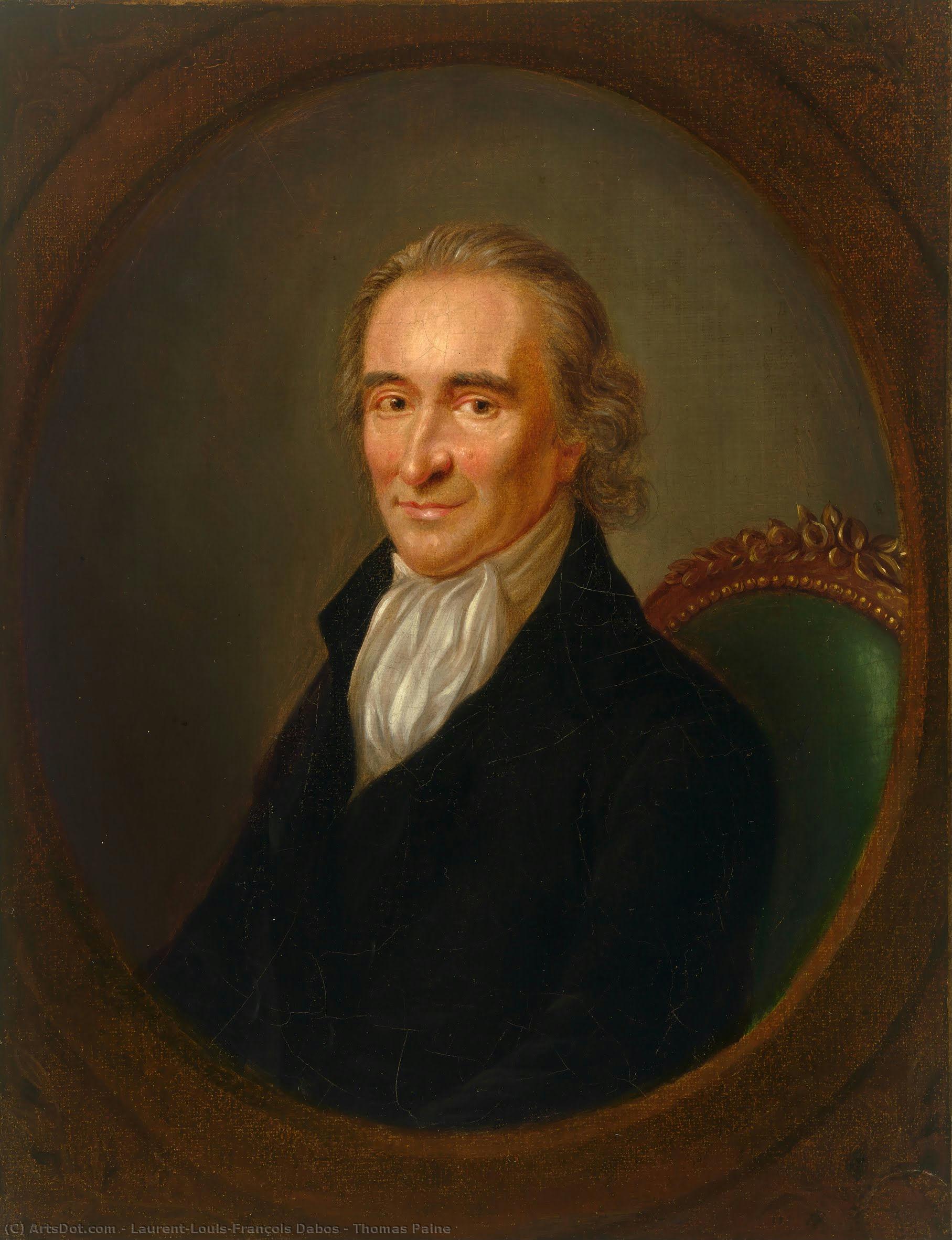
Thomas Paine


 詳細を見る
詳細を見る
オンラインプレビューをはるかに凌ぐ、高解像度で鮮明なデジタル画像をご購入いただけます。
各ファイルは、社内の専門家が高度なツールと熟練した手作業によるレタッチを用いて、細心の注意を払って準備されています。すべての画像において、卓越した鮮明度、正確な色彩再現性、そして繊細なディテールを保証いたします。
最終ファイルは、プロフェッショナルな編集・印刷環境ですぐにご利用いただけるよう最適化された状態で、72時間以内にメールにてお届けいたします。これは、一流のデザインスタジオ、出版社、ギャラリーから信頼されているものと同等の品質です。
デジタル画像のご注文に付随する特典
高品質なデジタル画像配信を、確かな品質で。
ArtsDot.com を選ぶことは、単に画像を手に入れることではありません。それは、プロの手によって精密に仕上げられ、満足保証が付いた高品質なデジタルアートワークを受け取ることを意味します。ご注文いただいた際に自動的に付随する内容は、以下の通りです:

メールですぐにお届け
ご注文から72時間以内に、高解像度のデジタル画像ファイルがメールでお手元に届きます。すぐにそのままご利用いただけます。

AI技術で最適化されたデジタルファイル
お客様の作品は、高度なAIツールと専門家による手作業の編集を組み合わせてプロフェッショナルに最適化されており、細部のディテール、鮮明さ、そして正確な色再現性を最大限に引き出しています。

一生涯無料の再送サービス
ファイルを誤って削除したり、紛失してしまったりしましたか?ご安心ください。いつでも無料で再送いたします。

輸入手数料は一切かかりません
関税や手数料、配送料を気にすることなく、お気に入りのアートワークをすぐにお楽しみいただけます。デジタルダウンロードは常に免税です。

色彩再現の保証
プロ仕様のツールとカラーマネジメント技術を用いることで、デジタル画像が元の色を最大限に忠実に再現することを保証いたします。

60日間満足保証
ご購入いただいたデジタル画像にご満足いただけない場合は、60日以内であれば、修正または100%の返金(理由を問う必要はありません)をさせていただきます。

100% 返金保証
ご満足いただけない場合は、デジタルファイルを受け取ってから60日以内であれば、理由を問わず全額返金いたします。

まとめ買い割引
3枚購入で10%OFF - 5枚購入で15%OFF - 10枚以上購入で20%OFF。クリエイティブなプロジェクト、ギャラリー、エージェンシーに最適です。
作品の詳細
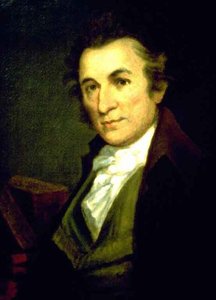
Thomas Paine: A Portrait Embodied in Reason
Laurent Dabos’s portrait of Thomas Paine—completed circa 1792—stands as a testament to the artistic fervor of the Napoleonic era and, crucially, to the enduring legacy of Enlightenment ideals. More than just a likeness of a prominent figure, it embodies the spirit of intellectual defiance that characterized Paine's life and work, capturing not merely his physical appearance but also the profound conviction underpinning his revolutionary convictions.
- Historical Context: Painted during the tumultuous years following the French Revolution, Dabos’s portrait reflects the anxieties and aspirations of a society grappling with radical change. Paine himself had become a symbol of republican fervor—a champion of liberty and equality—drawing inspiration from Rousseau and Voltaire—figures who championed natural rights and challenged hereditary authority.
- Style & Technique: Dabos adhered to Neoclassical principles, prioritizing realism and clarity while avoiding excessive ornamentation. The meticulous attention to detail—particularly in the rendering of Paine’s clothing and facial features—demonstrates mastery of oil painting techniques. Subtle shading creates depth and volume, conveying a sense of dignified solemnity.
- Composition & Symbolism: The oval frame surrounding Paine's head emphasizes his importance and dignity, aligning with classical conventions. The soft lighting highlights textures and contours, fostering contemplation. Dabos’s deliberate pose—seated upright—suggests composure and intellectual seriousness—qualities consistent with Paine’s philosophical pursuits.
- Color Palette & Mood: Dominated by dark tones—primarily black, brown, and muted greens—the palette contributes to the portrait's contemplative mood. The restrained use of color underscores the solemnity of the subject matter and reinforces the overarching theme of reason and moral fortitude.
The artwork’s impact extends beyond its aesthetic qualities; it serves as a visual record of Paine’s intellectual stature—a figure who dared to question established dogma and advocate transformative social reforms. Dabos's portrait captures not only the man but also the ideas that propelled him into history, cementing his place as an icon of Enlightenment thought.
About Laurent Dabos
Laurent Dabos (1761–1835) was a prolific French painter who achieved considerable renown during the Napoleonic era. Primarily celebrated for his portraits and historical genre paintings—particularly those depicting scenes from the Napoleonic Wars—Dabos’s work reflects the artistic sensibilities of his time while demonstrating remarkable skill in capturing human emotion and detail.
He studied under François André Vincent, establishing himself as a successful artist early in his career through exhibitions like “Exposition de la Jeunesse” in 1788. Dabos’s artistic journey began with meticulous draughtsmanship—a cornerstone of Neoclassical style—instilled by Vincent’s influence.
Provenance & Significance
This portrait was created as a model for engravings, reflecting the widespread demand for images of prominent figures during the Napoleonic period. Its acquisition by the National Portrait Gallery underscores its artistic merit and historical importance—a visual embodiment of Enlightenment ideals that continues to inspire admiration.
Technical Details
Executed in oil on canvas, Dabos’s portrait exemplifies the precision and artistry characteristic of Neoclassicism. The artist skillfully employed brushwork, blending, and layering techniques—resulting in a smooth and lifelike appearance—demonstrating mastery of oil painting.
関連作品
作家の略歴
The Soul of an Era: The Life and Legacy of Laurent Dabos
In the grand tapestry of French art history, few painters captured the turbulent transition from the twilight of the monarchy to the dawn of the Napoleonic age as poignantly as Laurent Dabos. Born in the vibrant city of Toulouse in 1761, Dabos emerged not merely as a chronicler of faces, but as a visual poet of his era's most profound shifts. His journey into the heart of the Parisian art scene was paved by rigorous classical training under the esteemed François André Vincent, a master whose influence gifted Dabos with a command over neoclassical precision. This foundation allowed him to marry the disciplined draughtsmanship of the old world with a burgeoning emotional depth that would become his hallmark.
The artistry of Dabos was deeply intertwined with the personal and the professional. His creative life was enriched by his marriage to Jeanne Bernard, an accomplished artist in her own right, whose shared passion for the canvas created a domestic sanctuary of artistic pursuit. This synergy of talent likely fortified his ability to navigate the complex social and political landscapes of late 18th-century France. As he moved through the prestigious exhibitions of his time, such as the Exposition de la Jeunesse in 1788, Dabos began to establish a reputation that transcended simple portraiture, moving toward a more profound narrative style that could hold the weight of history itself.
Mastery of Narrative and Emotion
To gaze upon a work by Laurent Dabos is to witness a masterclass in the balance between historical grandeur and intimate human vulnerability. While his technical skill allowed him to render the intricate textures of royal attire and the cold steel of military regalia, it was his ability to capture the psychological interiority of his subjects that truly set him apart. His paintings often serve as windows into moments of profound transition, where the fate of nations is reflected in the eyes of a single individual.
His oeuvre is defined by several monumental themes:
- The Weight of Monarchy: In works such as his depiction of Louis XVI writing his will, Dabos captures the heavy, suffocating atmosphere of an era ending. The painting is less a political statement and more a study of solitude and the quiet anxiety of a man facing the inevitable tide of revolution.
- The Poetics of Grief: Through pieces like Mary of England, Queen of France, Lamenting the Death of Her Husband, Louis XII, Dabos demonstrates his ability to use neoclassical composition to elevate personal sorrow into a universal expression of loss, utilizing light and shadow to deepen the sense of mourning.
- The Glory of Empire: Conversely, Dabos was able to pivot toward the epic scale required by the Napoleonic era. His painting The Return of the Grande Armée serves as a dynamic, sweeping tribute to the triumph of Napoleon’s forces after Waterloo, showcasing his capacity for large-scale historical genre painting that celebrates movement, energy, and national pride.
A Lasting Impression on French Art
The significance of Laurent Dabos lies in his role as a bridge between two worlds. He stood at the intersection of the refined, idealized traditions of the 18th century and the more dramatic, emotionally charged sensibilities that would eventually pave the way for Romanticism. His work does not merely document events; it preserves the emotional temperature of the French people during one of the most transformative periods in human history.
Though his life concluded in 1835, the resonance of his brushstrokes remains. By documenting the intimate moments of kings and the sweeping movements of armies with equal reverence, Dabos ensured that the fleeting emotions of his time were etched into the permanence of art. Today, his legacy continues to inspire those who seek to understand the human heart amidst the grand theater of history, making his works essential touchstones for anyone studying the profound evolution of French painting.
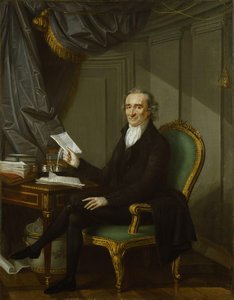
laurent-louis-françois dabos
1761 - 1835

