

 プレビュー
プレビュー
 プリントを購入
 シェアする
シェアする シェアする
シェアする
 詳細を見る
詳細を見る

 ダウンロード
 似ている作品
 X線調査
X線調査 スライドショー
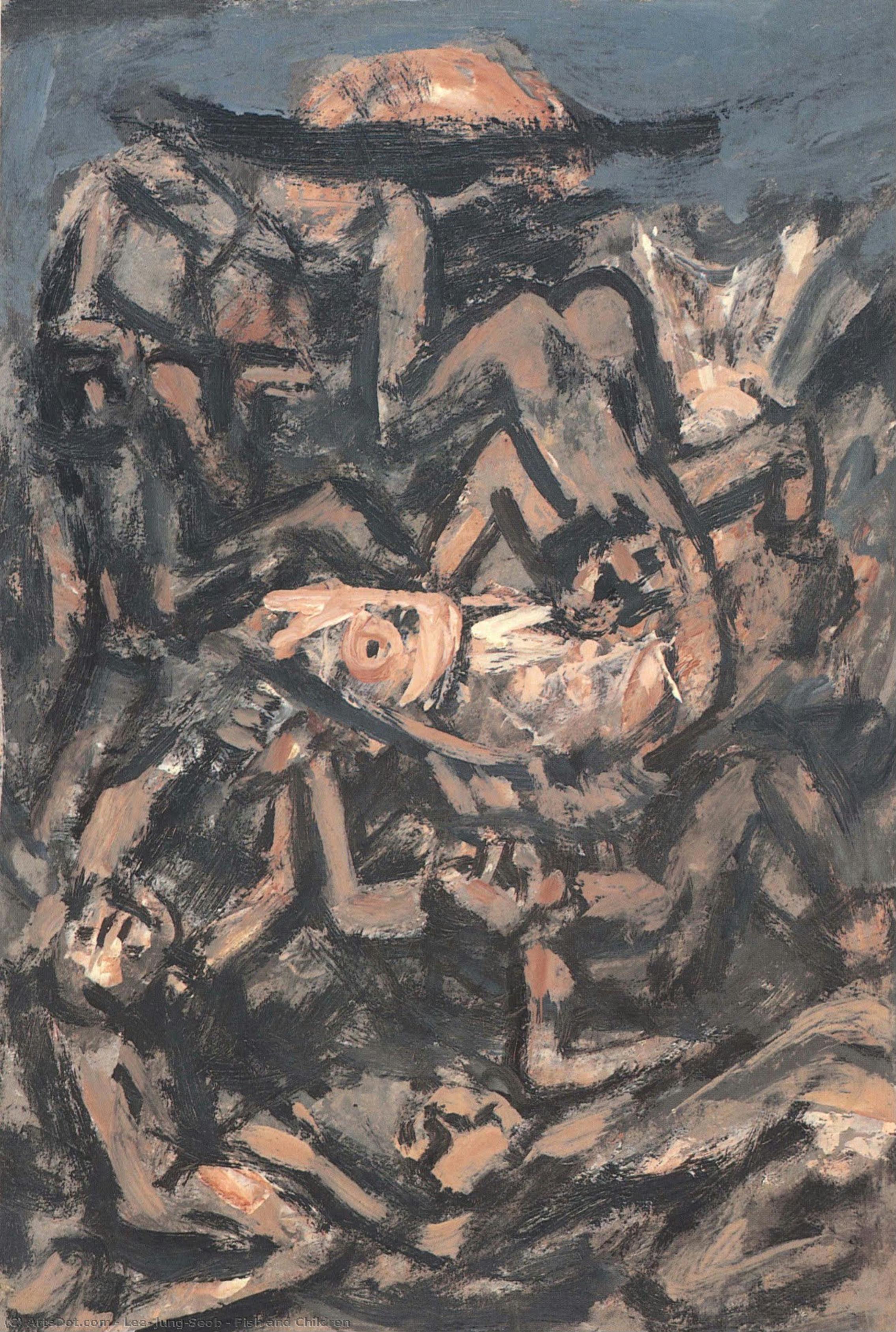
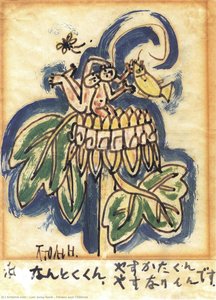
Fish and Children
 Acrylic On Canvas
- WallArt
- Modern Korean Art
 25.0 x 37.0 cm
 国立中央博物館
 詳細を見る
詳細を見る




P118B $10

P118H $10

P118W $10

P438Z $10

P508JH $12

P508YH $12

P805H $10

P805Z $10

P919BZ $10

P919G $10

P919XJ $10

P959ZH $10

P968JZ $12

W106C $8

W218G $10

W218JH $8

W218Y $10

W307PJ $10

W316G $10

W316PJ $8

W316Y $10

W398PJ $8

W4111J $10

W500HY $15

W500JH $15

W692G $12

W849H $8

W940BG $15

W953PJ $8




作品のオリジナル比率に合わせた、当店の規定サイズからお選びください。

特定のフレームやスペースに合わせて、ご希望のサイズをご入力いただけます。選択されたサイズが元の画像の比率と異なる場合、アートワークをトリミングするか、手描きで要素を追加して絵画を拡張いたします。デジタルモックアップ を制作し、制作開始前にご確認(承認)をいただきます。
画面上のプレビューは、実際のトリミングや拡張を正確に反映しているものではありません。最終的な構図は、モックアップによってのみ正確にご確認いただけます。
カスタムサイズもご利用いただけますが、元の比率を維持するためには、あらかじめ用意されたリストからサイズを選択することをお勧めいたします。
ご注文後、ArtsDot.com チームより詳細な指示をお送りするとともに、仕上がりイメージ(モックアップ)をご提供いたします。


 ガラスオプションは、110cm未満のサイズでのみご利用いただけます。

Fish and Children
複製技法
複製画のサイズ
-


合計金額
$ 263
A Moment of Shared Humanity: Lee Jung-seob’s “Fish and Children”
Lee Jung-seob's "Fish and Children" isn’t merely a painting; it’s a poignant distillation of Korean life in the mid-20th century, a quiet testament to family, community, and the enduring spirit of resilience. Painted during a turbulent period of Japanese colonial rule and the looming shadow of the Korean War, this work transcends its historical context to offer a universal depiction of human connection – a scene bathed in the soft light of an afternoon gathering around a simple meal.
The composition is deceptively straightforward. Two women, rendered with a gentle realism characteristic of Lee’s style, lie reclining comfortably on a woven mat. Their relaxed postures and averted gazes suggest a comfortable intimacy, while their proximity to three younger figures – boys and a young child – establishes an immediate sense of familial warmth. The setting is deliberately understated; the background fades into a hazy wash of color, drawing all attention to the central figures and their interaction. Lee’s masterful use of light creates a luminous quality, imbuing the scene with a feeling of serenity and contentment despite the underlying anxieties of the era.
The Artist's Vision: A Fusion of Tradition and Modernity
Born in 1916 in Pyeongannamdo, Lee Jung-seob’s artistic journey was deeply rooted in Korean tradition yet propelled by a desire to forge a distinctly modern aesthetic. Influenced by the monumental Goguryeo tomb murals he encountered as a child – images of grand processions and vibrant court life – Lee sought to capture the essence of Korean identity through his art. However, he wasn't content with mere imitation; he embraced elements of Western painting techniques, particularly the Fauvist movement’s emphasis on bold color and expressive brushwork, while retaining a distinctly Korean sensibility.
Lee’s artistic training at Bunka Gakuin in Tokyo exposed him to avant-garde ideas, but it was his return to Korea that truly shaped his vision. He deliberately chose subjects close to home – rural life, family relationships, and the everyday experiences of ordinary Koreans – as a way of asserting Korean identity against the backdrop of colonial rule. His work is often characterized by a naive simplicity, a deliberate rejection of academic realism in favor of capturing the emotional truth of a scene.
Symbolism and Emotional Resonance
“Fish and Children” is rich with symbolic meaning. The fish itself represents abundance, nourishment, and connection to nature – fundamental elements of Korean culture. Sharing a meal together signifies community, hospitality, and the importance of family bonds. The women’s relaxed posture suggests a sense of contentment and security, while their gaze towards the children hints at maternal love and protection.
Despite the apparent tranquility of the scene, there's an underlying current of melancholy. The painting was created during a period of immense social and political upheaval in Korea, marked by war, displacement, and colonial oppression. The muted colors and understated composition subtly convey a sense of loss and uncertainty – a poignant reminder of the fragility of life and the enduring strength of the human spirit. It’s this delicate balance between joy and sorrow that elevates “Fish and Children” beyond a simple depiction of a family gathering.
A Legacy Preserved: Reproduction and Artistic Appreciation
Reproductions of Lee Jung-seob's "Fish and Children" offer a remarkable opportunity to bring this evocative artwork into your home or office. ArtsDot’s high-quality reproductions faithfully capture the artist’s masterful use of color, light, and composition, allowing you to experience the painting’s emotional depth and symbolic richness firsthand. Whether you choose a standard size or commission a custom reproduction tailored to your specific needs, you'll be investing in a piece of Korean art history that speaks volumes about family, community, and the enduring beauty of everyday life.
Consider framing the artwork with a simple, natural wood frame to complement its understated elegance. “Fish and Children” is more than just a painting; it’s an invitation to reflect on the values that unite us all – connection, compassion, and the importance of cherishing those closest to our hearts.
アーティストの略歴
油彩画の韓国の巨匠
李中燮(イ・ジュンスプ)は、その心を捉えて離さない油彩画によって、美術界に消えることのない足跡を残した韓国の著名な芸術家です。1916年に韓国の平安南道に生まれた彼の芸術的な旅路は、常に革新性に満ち、自らの伝統的な遺産との深い結びつきによって形作られていました。芸術的貢献
李中燮の名を世界に知らしめたのは、その象徴的な作品である'白牛'です。この傑作は、油彩画の巧みな技法を証明するものであり、韓国の伝統的な要素とモダンな技法を融合させた彼独自のスタイルを見事に描き出しています。- 主要作品:
- 作品を収蔵する美術館:
- 韓国国立中央博物館(韓国、ソウル)
遺産と影響
1956年にソウルで迎えた李中燮の死は、一つの時代の終焉を意味しましたが、同時に次世代の韓国人アーティストたちの道を切り拓くことにもなりました。彼の魂が宿る影響力は、現代の多くの韓国人画家たちの作品の中にも脈々と受け継がれています。李中燮の芸術をさらに探索する: https://ArtsDot.com/@/lee-jung-seob | ArtsDotにて、彼の膨大な絵画コレクションをご覧ください。他の著名な芸術家について学ぶ: /ja/art/list/ | ArtsDotで、偉大な芸術家たちのリストを閲覧してください。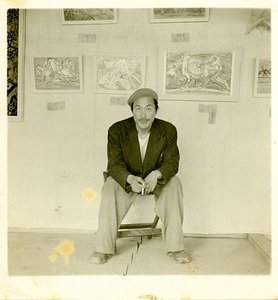
李承燮
1916 - 1956 , 韓国
基本情報
- Artistic Movement Or Style: 韓国近代美術
- Artists Or Movements Influenced By This Artist: ['フォーヴィスム']
- Artists Who Influenced This Artist: ['高句麗古墳壁画']
- Date Of Birth: 1916年4月10日
- Date Of Death: 1956年9月6日
- Full Name: 李承燮 (イ・ジュンスプ)
- Nationality: 韓国
- Notable Artworks:
- 白牛
- 家族と鳩
- 子供、魚、蟹
- Place Of Birth: 朝鮮、平安南道
関連記事

Oil on Canvas: A Historical & Technical Exploration of a Timeless Artistic Medium
Explore the rich history & enduring techniques of oil painting on canvas. Discover the science behind its longevity, conservation practices, and contemporary relevance. Expert insights for art enthusiasts.

The Enduring Legacy of Oil on Canvas: Technique, History & Aesthetic Impact
Explore the rich history & techniques of oil painting – from Renaissance masters to Impressionism. Discover pigments, layering methods, and why this timeless medium endures. Expert insights for artists & art enthusiasts.

The Enduring Power of Painting: A Historical & Contemporary Exploration of Form and Emotion
Explore the rich history & enduring techniques of oil painting with ArtsDot. Discover masterpieces, learn about art collecting, and find authentic handmade reproductions crafted by skilled artists.
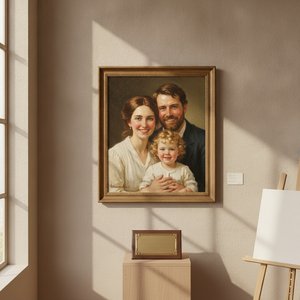
家族の絆を永遠に:手描きの油絵肖像画が世代を超えて紡ぐ、愛と記憶の遺産
ArtsDotで、大切な家族の写真を美しい油絵肖像画へ。熟練アーティストが丁寧に手描きし、世代を超えて語り継ぐ特別な遺産を制作します。高品質・安心保証。今すぐオーダーメイド портретをお見積もりください。
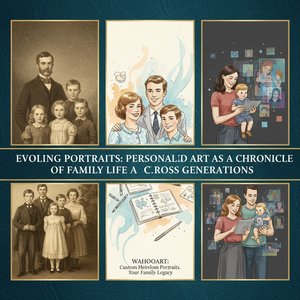
Evolving Portraits: Personalized Art as a Chronicle of Family Life Across Generations
Create a timeless family legacy with custom portraits! ArtsDot connects you with skilled artists for heirloom-quality paintings & prints. Explore styles, commission your unique artwork today.