

 プレビュー
プレビュー
 プリントを購入
 シェアする
シェアする シェアする
シェアする
 詳細を見る
詳細を見る

 ダウンロード
 似ている作品
 X線調査
X線調査 スライドショー
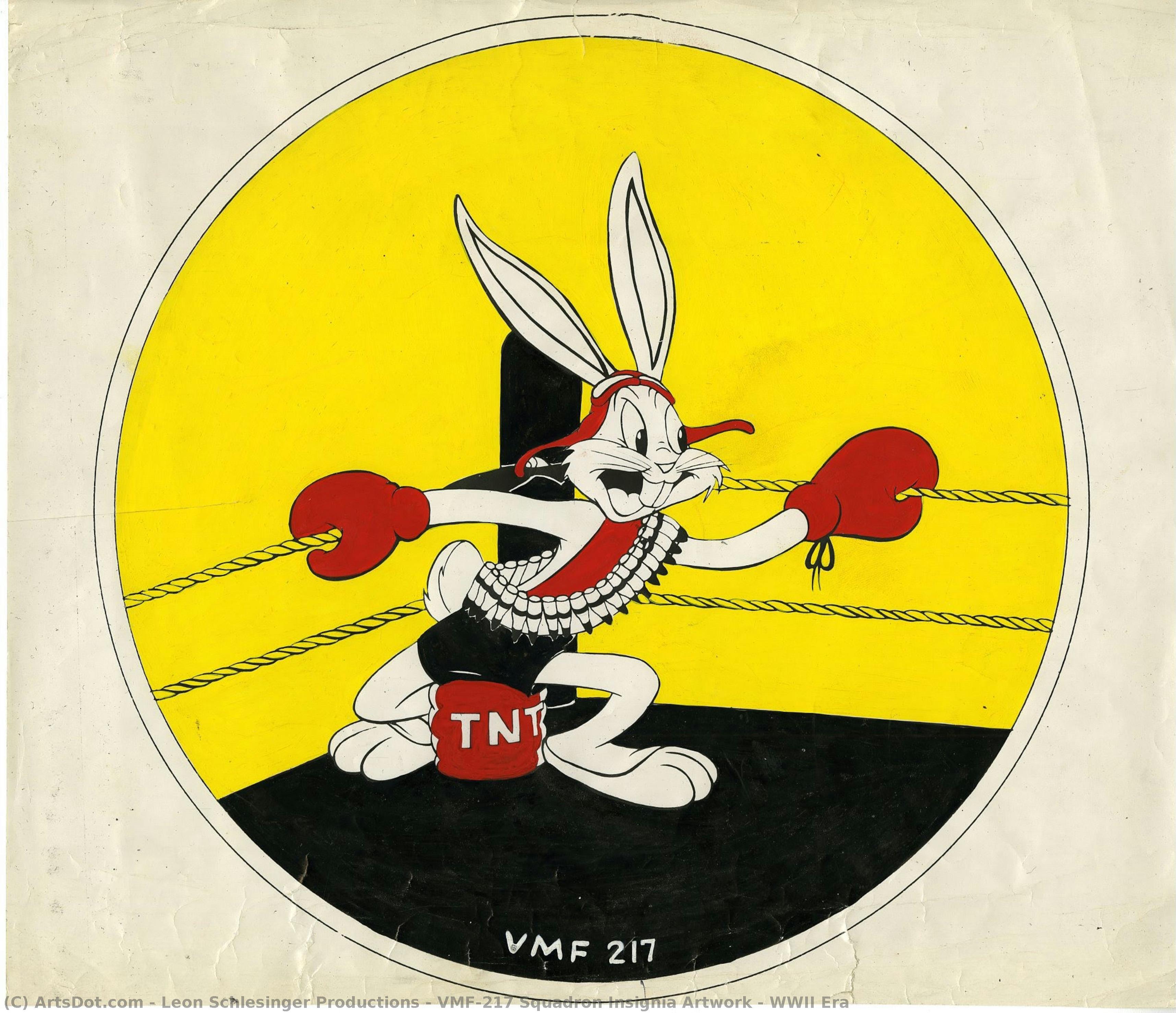
VMF-217 Squadron Insignia Artwork - WWII Era


 詳細を見る
詳細を見る




P118B $10

P118H $10

P118W $10

P438Z $10

P508JH $12

P508YH $12

P805H $10

P805Z $10

P919BZ $10

P919G $10

P919XJ $10

P959ZH $10

P968JZ $12

W106C $8

W218G $10

W218JH $8

W218Y $10

W307PJ $10

W316G $10

W316PJ $8

W316Y $10

W398PJ $8

W4111J $10

W500HY $15

W500JH $15

W692G $12

W849H $8

W940BG $15

W953PJ $8




作品のオリジナル比率に合わせた、当店の規定サイズからお選びください。

特定のフレームやスペースに合わせて、ご希望のサイズをご入力いただけます。選択されたサイズが元の画像の比率と異なる場合、アートワークをトリミングするか、手描きで要素を追加して絵画を拡張いたします。デジタルモックアップ を制作し、制作開始前にご確認(承認)をいただきます。
画面上のプレビューは、実際のトリミングや拡張を正確に反映しているものではありません。最終的な構図は、モックアップによってのみ正確にご確認いただけます。
カスタムサイズもご利用いただけますが、元の比率を維持するためには、あらかじめ用意されたリストからサイズを選択することをお勧めいたします。
ご注文後、ArtsDot.com チームより詳細な指示をお送りするとともに、仕上がりイメージ(モックアップ)をご提供いたします。


 ガラスオプションは、110cm未満のサイズでのみご利用いただけます。

VMF-217 Squadron Insignia Artwork - WWII Era
複製技法
複製画のサイズ
-


合計金額
$ 263
作品解説
A Cinematic Icon in the Ring: The Spirit of VMF-217
In the intersection of wartime propaganda and the golden age of American animation lies a captivating piece of cultural history: the VMF-217 Squadron Insignia Artwork. Created around 1940 by the legendary Leon Schlesinger Productions, this evocative painting transcends mere illustration to become a vibrant emblem of mid-century resilience. At its heart, the work features the unmistakable silhouette of Bugs Bunny, captured in a moment of pugilistic determination. Clad in a stark black outfit and striking red boxing gloves, the character stands poised within a ring, set against a radiant yellow backdrop that commands immediate attention. This is not merely a cartoon; it is a spirited personification of the grit and bravado that defined the era.
The technique employed in this piece—the use of casein—lends the artwork an unmistakable sense of antiquity and depth. Casein, a milk-based paint, provides a matte, velvety texture that allows colors to settle with a soft, organic weight, perfectly mimicking the aged aesthetic of historical squadron insignia. The way the light interacts with the pigment creates a nostalgic glow, reminiscent of the hand-painted title cards that once graced silent and early sound cinema screens. For the discerning collector or interior designer, this medium offers a tactile richness that modern digital prints simply cannot replicate, making it an ideal centerpiece for spaces that celebrate vintage Americana or mid-century modern aesthetics.
Beyond its visual charm, the artwork carries profound historical weight. As part of the VMF-217 Squadron Insignia collection housed at the National Museum of the Marine Corps, this piece serves as a bridge to the World War II era. During this period, animation studios like Leon Schlesinger Productions played a vital role in boosting morale, using beloved characters to represent the fighting spirit of the Allied forces. The choice of Bugs Bunny—a character known for his wit and ability to outsmart much larger adversaries—serves as a powerful symbol of triumph over adversity. To display such a piece is to invite a conversation about the intersection of popular culture and military history, offering an emotional resonance that speaks to themes of courage, cleverness, and the enduring power of hope.
For those looking to curate a collection that blends high art with pop-culture heritage, this reproduction offers an unparalleled opportunity. It is a piece that breathes life into a room, providing a bold splash of color while grounding the environment in a storied past. Whether integrated into a sophisticated gallery wall or used as a focal point in a contemporary study, the VMF-217 Squadron Insignia Artwork remains a timeless testament to the artistry of animation and the indomitable spirit of an era.
関連作品
アーティストの略歴
The Architect of Animation: The Legacy of Leon Schlesinger
In the golden tapestry of American cinematic history, few names resonate with as much foundational importance as Leon Schlesinger. While often remembered not as a painter of canvases but as a master of moving ink, his role in shaping the visual language of the twentieth century was nothing short of revolutionary. Born in Philadelphia in 1884, Schlesinger’s early life was far removed from the whimsical worlds of Looney Tunes. His beginnings were rooted in the gritty, practical world of theater—working as an usher, a songbook agent, and a manager. This early immersion in the mechanics of performance and the business of entertainment provided him with a unique, sharp-eyed perspective on what captured the public imagination, a skill that would later allow him to identify and nurture the most vibrant talents in animation.
The transition from the silent era to the age of sound marked a pivotal metamorphosis for Schlesinger. As the industry grappled with the arrival of "talkies," he demonstrated an uncanny ability to pivot alongside technological shifts. His early ventures, including the production of title cards for silent films through Pacific Title and Art, laid the groundwork for his eventual partnership with Warner Bros. By recognizing the burgeoning potential of animated shorts, Schlesinger moved beyond mere business management into the realm of true production artistry. He did not merely fund films; he established an ecosystem where humor, rhythm, and character could flourish, effectively creating the blueprint for the modern animation studio.
The Birth of a Golden Age
The true magic of the Schlesinger era began with the establishment of Leon Schlesinger Productions. In a move that would change the course of pop culture, he partnered with animators Hugh Harman and Rudolf Ising, bringing to life characters that would become global icons. This period saw the birth of the Looney Tunes and Merrie Melodies series, much of which was produced within the legendary, cramped confines of a studio space affectionately known as "Termite Terrace." It was within this creative crucible that the DNA of American comedy was rewritten. Schlesinger’s genius lay in his ability to act as a "moneyman" who, despite his reputation for being more businessman than artist, provided the essential freedom for directors and animators to experiment with slapstick, surrealism, and biting wit.
Under his stewardship, the studio became a nursery for legends. The development of characters such as Bugs Bunny, Daffy Duck, Porky Pig, and Tweety Bird was not merely an exercise in drawing, but an evolution of personality and comedic timing. Schlesinger’s production philosophy encouraged a certain level of anarchy; he allowed his directors to push the boundaries of visual storytelling, blending the frantic energy of the Great Depression with a sophisticated sense of narrative irony. This era of animation was characterized by a seamless blend of technical innovation—such as the transition to color—and an unwavering commitment to character-driven humor that transcended generational boundaries.
A Lasting Impression on the Cinematic Canvas
Though his direct involvement with the studio concluded in 1944 when Warner Bros. acquired the entity, the imprint of Leon Schlesinger remains indelible. His historical significance lies in his role as a bridge between the theatrical traditions of the nineteenth century and the high-concept animation of the twentieth. He understood that for an animated character to live forever, they required more than just fluid movement; they required a soul, a temperament, and a connection to the cultural zeitgeist. By fostering a collaborative environment where talent was prioritized over rigid control, he ensured that his studio's output would remain a cornerstone of the Warner Bros. legacy.
Today, we look back at the work produced under his name as more than just "cartoons." We see them as essential artifacts of American art—works that utilized movement, color, and sound to explore the heights of human comedy and the depths of absurdity. The lineage of animation can be traced directly back to the foundations laid by this Philadelphia-born producer. His life remains a testament to the power of vision and the enduring impact of a creator who, while perhaps not holding the pencil himself, provided the very stage upon which the greatest characters in history could dance.
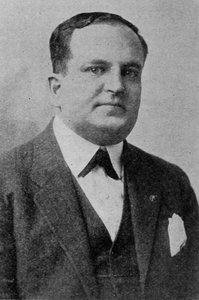
leon schlesinger productions
1884 - 1949 , United States of America
基本情報
- Artistic Movement Or Style: Animation Producer
- Artists Or Movements Influenced By This Artist: ['Golden Age Animation']
- Artists Who Influenced This Artist: ['Warner Bros.']
- Date Of Birth: May 20, 1884
- Date Of Death: December 25, 1949
- Full Name: Leon Schlesinger
- Nationality: American
- Notable Artworks: ['Looney Tunes']
- Place Of Birth: Philadelphia, United States
関連記事
Echoes of Time: Nostalgia, Technique & Cultural Significance in Vintage Paintings
Explore the captivating world of vintage paintings! Discover key styles, cultural significance & collecting tips from art experts at ArtsDot. Find authentic reproductions and elevate your home décor.
Echoes of Time: Exploring the Enduring Appeal of Vintage Artwork
Explore the captivating world of vintage art! Discover its history, enduring appeal, & how to build your own collection. Expert advice, custom reproductions & museum-quality prints at ArtsDot.

Echoes of Time: Exploring the Enduring Appeal & Historical Context of Vintage Art Prints
Explore the captivating world of vintage art prints! Discover their history, collecting tips & enduring appeal. Expert insights on chromolithography and building a legacy collection with ArtsDot.
Joseph Cornell: Assemblage, Shadow Boxes & the Poetics of Found Objects
Explore the captivating world of Joseph Cornell's assemblage art & shadow boxes. Discover his unique process, Surrealist influences, and lasting legacy with ArtsDot.

Echoes of Eras Past: Exploring Themes & Techniques in Vintage Art Collections
Explore the captivating world of vintage art! Discover historical movements, iconic themes & collecting tips. Find handmade reproductions & expert appraisal at ArtsDot.

