

 プレビュー
プレビュー
 プリントを購入
 シェアする
シェアする シェアする
シェアする
 詳細を見る
詳細を見る

 ダウンロード
 似ている作品
 X線調査
X線調査 スライドショー
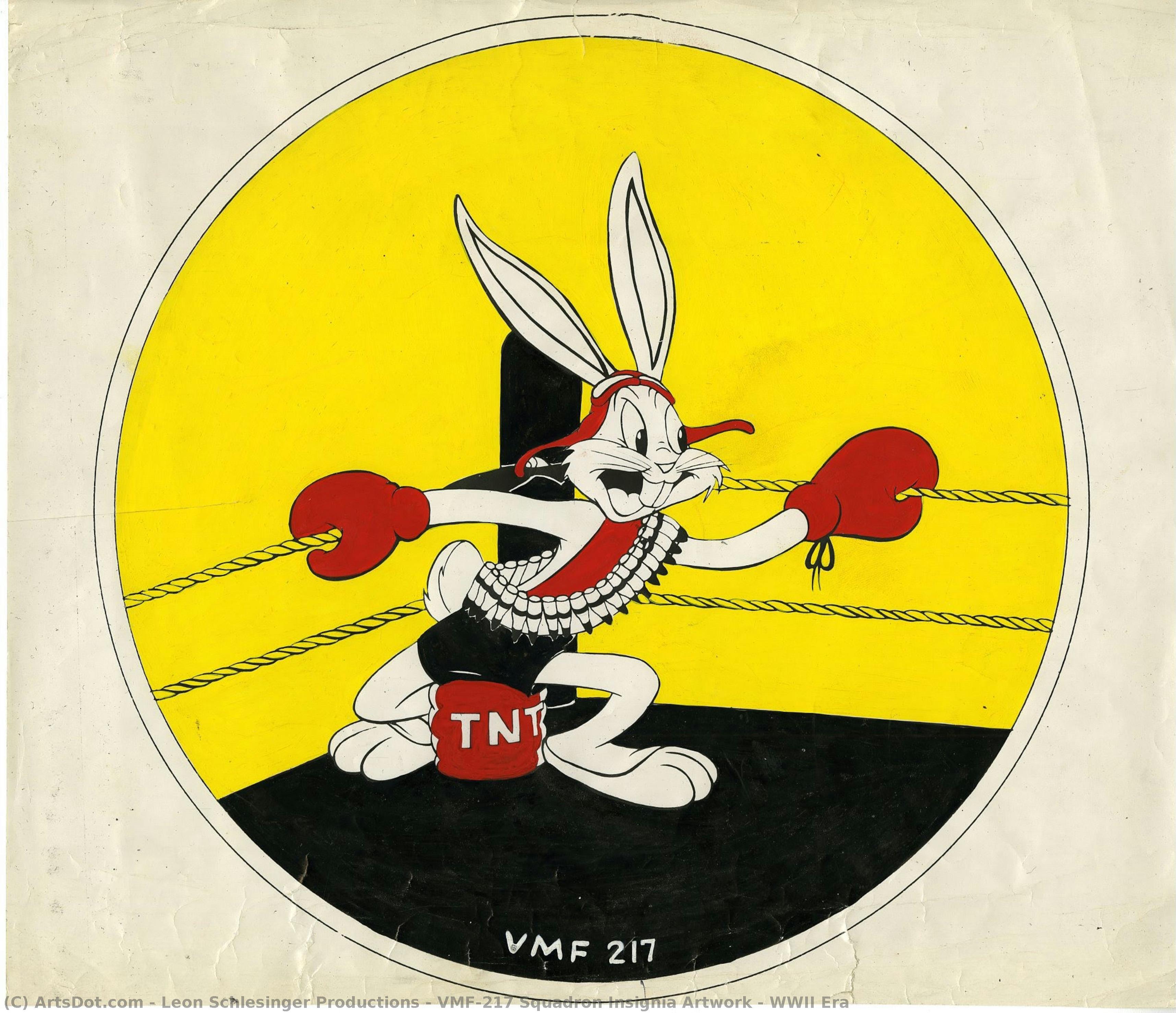
VMF-217 Squadron Insignia Artwork - WWII Era


 詳細を見る
詳細を見る
オンラインプレビューをはるかに凌ぐ、高解像度で鮮明なデジタル画像をご購入いただけます。
各ファイルは、社内の専門家が高度なツールと熟練した手作業によるレタッチを用いて、細心の注意を払って準備されています。すべての画像において、卓越した鮮明度、正確な色彩再現性、そして繊細なディテールを保証いたします。
最終ファイルは、プロフェッショナルな編集・印刷環境ですぐにご利用いただけるよう最適化された状態で、72時間以内にメールにてお届けいたします。これは、一流のデザインスタジオ、出版社、ギャラリーから信頼されているものと同等の品質です。
デジタル画像のご注文に付随する特典
高品質なデジタル画像配信を、確かな品質で。
ArtsDot.com を選ぶことは、単に画像を手に入れることではありません。それは、プロの手によって精密に仕上げられ、満足保証が付いた高品質なデジタルアートワークを受け取ることを意味します。ご注文いただいた際に自動的に付随する内容は、以下の通りです:

メールですぐにお届け
ご注文から72時間以内に、高解像度のデジタル画像ファイルがメールでお手元に届きます。すぐにそのままご利用いただけます。

AI技術で最適化されたデジタルファイル
お客様の作品は、高度なAIツールと専門家による手作業の編集を組み合わせてプロフェッショナルに最適化されており、細部のディテール、鮮明さ、そして正確な色再現性を最大限に引き出しています。

一生涯無料の再送サービス
ファイルを誤って削除したり、紛失してしまったりしましたか?ご安心ください。いつでも無料で再送いたします。

輸入手数料は一切かかりません
関税や手数料、配送料を気にすることなく、お気に入りのアートワークをすぐにお楽しみいただけます。デジタルダウンロードは常に免税です。

色彩再現の保証
プロ仕様のツールとカラーマネジメント技術を用いることで、デジタル画像が元の色を最大限に忠実に再現することを保証いたします。

60日間満足保証
ご購入いただいたデジタル画像にご満足いただけない場合は、60日以内であれば、修正または100%の返金(理由を問う必要はありません)をさせていただきます。

100% 返金保証
ご満足いただけない場合は、デジタルファイルを受け取ってから60日以内であれば、理由を問わず全額返金いたします。

まとめ買い割引
3枚購入で10%OFF - 5枚購入で15%OFF - 10枚以上購入で20%OFF。クリエイティブなプロジェクト、ギャラリー、エージェンシーに最適です。
作品の詳細
A Cinematic Icon in the Ring: The Spirit of VMF-217
In the intersection of wartime propaganda and the golden age of American animation lies a captivating piece of cultural history: the VMF-217 Squadron Insignia Artwork. Created around 1940 by the legendary Leon Schlesinger Productions, this evocative painting transcends mere illustration to become a vibrant emblem of mid-century resilience. At its heart, the work features the unmistakable silhouette of Bugs Bunny, captured in a moment of pugilistic determination. Clad in a stark black outfit and striking red boxing gloves, the character stands poised within a ring, set against a radiant yellow backdrop that commands immediate attention. This is not merely a cartoon; it is a spirited personification of the grit and bravado that defined the era.
The technique employed in this piece—the use of casein—lends the artwork an unmistakable sense of antiquity and depth. Casein, a milk-based paint, provides a matte, velvety texture that allows colors to settle with a soft, organic weight, perfectly mimicking the aged aesthetic of historical squadron insignia. The way the light interacts with the pigment creates a nostalgic glow, reminiscent of the hand-painted title cards that once graced silent and early sound cinema screens. For the discerning collector or interior designer, this medium offers a tactile richness that modern digital prints simply cannot replicate, making it an ideal centerpiece for spaces that celebrate vintage Americana or mid-century modern aesthetics.
Beyond its visual charm, the artwork carries profound historical weight. As part of the VMF-217 Squadron Insignia collection housed at the National Museum of the Marine Corps, this piece serves as a bridge to the World War II era. During this period, animation studios like Leon Schlesinger Productions played a vital role in boosting morale, using beloved characters to represent the fighting spirit of the Allied forces. The choice of Bugs Bunny—a character known for his wit and ability to outsmart much larger adversaries—serves as a powerful symbol of triumph over adversity. To display such a piece is to invite a conversation about the intersection of popular culture and military history, offering an emotional resonance that speaks to themes of courage, cleverness, and the enduring power of hope.
For those looking to curate a collection that blends high art with pop-culture heritage, this reproduction offers an unparalleled opportunity. It is a piece that breathes life into a room, providing a bold splash of color while grounding the environment in a storied past. Whether integrated into a sophisticated gallery wall or used as a focal point in a contemporary study, the VMF-217 Squadron Insignia Artwork remains a timeless testament to the artistry of animation and the indomitable spirit of an era.
関連作品
作家の略歴
The Architect of Animation: The Legacy of Leon Schlesinger
In the golden tapestry of American cinematic history, few names resonate with as much foundational importance as Leon Schlesinger. While often remembered not as a painter of canvases but as a master of moving ink, his role in shaping the visual language of the twentieth century was nothing short of revolutionary. Born in Philadelphia in 1884, Schlesinger’s early life was far removed from the whimsical worlds of Looney Tunes. His beginnings were rooted in the gritty, practical world of theater—working as an usher, a songbook agent, and a manager. This early immersion in the mechanics of performance and the business of entertainment provided him with a unique, sharp-eyed perspective on what captured the public imagination, a skill that would later allow him to identify and nurture the most vibrant talents in animation.
The transition from the silent era to the age of sound marked a pivotal metamorphosis for Schlesinger. As the industry grappled with the arrival of "talkies," he demonstrated an uncanny ability to pivot alongside technological shifts. His early ventures, including the production of title cards for silent films through Pacific Title and Art, laid the groundwork for his eventual partnership with Warner Bros. By recognizing the burgeoning potential of animated shorts, Schlesinger moved beyond mere business management into the realm of true production artistry. He did not merely fund films; he established an ecosystem where humor, rhythm, and character could flourish, effectively creating the blueprint for the modern animation studio.
The Birth of a Golden Age
The true magic of the Schlesinger era began with the establishment of Leon Schlesinger Productions. In a move that would change the course of pop culture, he partnered with animators Hugh Harman and Rudolf Ising, bringing to life characters that would become global icons. This period saw the birth of the Looney Tunes and Merrie Melodies series, much of which was produced within the legendary, cramped confines of a studio space affectionately known as "Termite Terrace." It was within this creative crucible that the DNA of American comedy was rewritten. Schlesinger’s genius lay in his ability to act as a "moneyman" who, despite his reputation for being more businessman than artist, provided the essential freedom for directors and animators to experiment with slapstick, surrealism, and biting wit.
Under his stewardship, the studio became a nursery for legends. The development of characters such as Bugs Bunny, Daffy Duck, Porky Pig, and Tweety Bird was not merely an exercise in drawing, but an evolution of personality and comedic timing. Schlesinger’s production philosophy encouraged a certain level of anarchy; he allowed his directors to push the boundaries of visual storytelling, blending the frantic energy of the Great Depression with a sophisticated sense of narrative irony. This era of animation was characterized by a seamless blend of technical innovation—such as the transition to color—and an unwavering commitment to character-driven humor that transcended generational boundaries.
A Lasting Impression on the Cinematic Canvas
Though his direct involvement with the studio concluded in 1944 when Warner Bros. acquired the entity, the imprint of Leon Schlesinger remains indelible. His historical significance lies in his role as a bridge between the theatrical traditions of the nineteenth century and the high-concept animation of the twentieth. He understood that for an animated character to live forever, they required more than just fluid movement; they required a soul, a temperament, and a connection to the cultural zeitgeist. By fostering a collaborative environment where talent was prioritized over rigid control, he ensured that his studio's output would remain a cornerstone of the Warner Bros. legacy.
Today, we look back at the work produced under his name as more than just "cartoons." We see them as essential artifacts of American art—works that utilized movement, color, and sound to explore the heights of human comedy and the depths of absurdity. The lineage of animation can be traced directly back to the foundations laid by this Philadelphia-born producer. His life remains a testament to the power of vision and the enduring impact of a creator who, while perhaps not holding the pencil himself, provided the very stage upon which the greatest characters in history could dance.
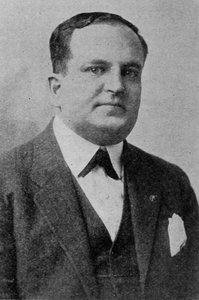
leon schlesinger productions
1884 - 1949 , United States of America
プロフィール概要
- Artistic Movement Or Style: Animation Producer
- Artists Or Movements Influenced By This Artist: ['Golden Age Animation']
- Artists Who Influenced This Artist: ['Warner Bros.']
- Date Of Birth: May 20, 1884
- Date Of Death: December 25, 1949
- Full Name: Leon Schlesinger
- Nationality: American
- Notable Artworks: ['Looney Tunes']
- Place Of Birth: Philadelphia, United States

