

 シェアする
シェアする シェアする
シェアする
 詳細を見る
詳細を見る

 ダウンロード
 似ている作品
 スライドショー
 統計情報
統計情報Langston Hughes
 Black and White Photography
- Photo
- Modernism
 1925
1925- Modern
 15.0 x 22.0 cm
 National Portrait Gallery
 詳細を見る
詳細を見る
手描き油彩複製画
当社のアーティストが、お客様のご希望のサイズと額縁に合わせて、キャンバスに手描きで制作する油彩画です。 ( プリント版に切り替え デジタル画像販売へ切り替え)




































作品のオリジナル比率に合わせた、当店の規定サイズからお選びください。

特定のフレームやスペースに合わせて、ご希望のサイズをご入力いただけます。選択されたサイズが元の画像の比率と異なる場合、アートワークをトリミングするか、手描きで要素を追加して絵画を拡張いたします。デジタルモックアップ を制作し、制作開始前にご確認(承認)をいただきます。
画面上のプレビューは、実際のトリミングや拡張を正確に反映しているものではありません。最終的な構図は、モックアップによってのみ正確にご確認いただけます。
カスタムサイズもご利用いただけますが、元の比率を維持するためには、あらかじめ用意されたリストからサイズを選択することをお勧めいたします。
ご注文後、ArtsDot.com チームより詳細な指示をお送りするとともに、仕上がりイメージ(モックアップ)をご提供いたします。


 ガラスオプションは、110cm未満のサイズでのみご利用いただけます。

Langston Hughes
複製技法
複製画のサイズ
-


合計金額
$ 263
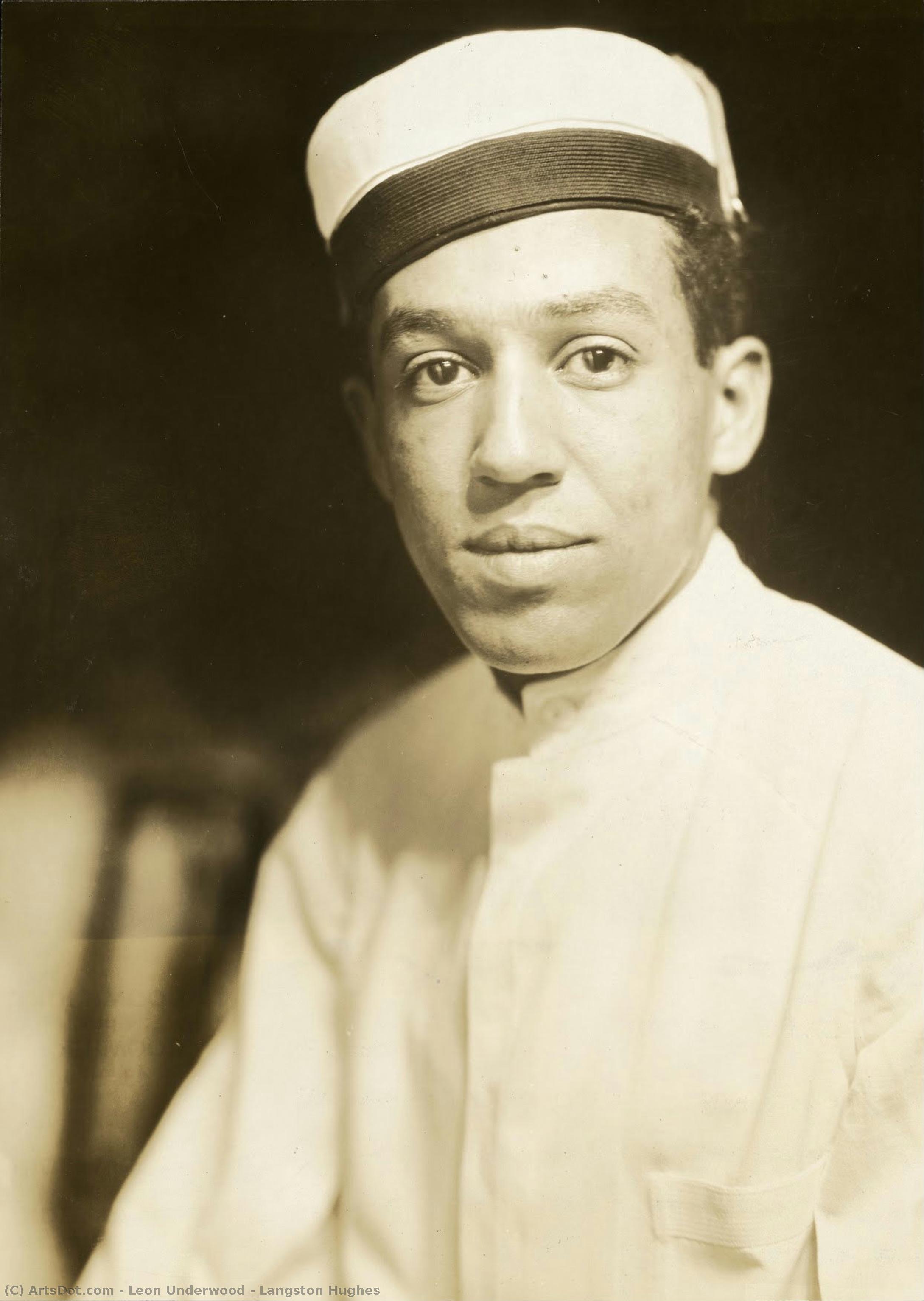
A Moment Frozen in Time: The Soul of Langston Hughes
In this evocative black and white photograph from 1925, we are invited into a profound moment of stillness that transcends mere documentation. The subject, the legendary poet Langston Hughes, is captured in a pose of quiet dignity, wearing a uniform and hat that suggest a life shaped by both service and the weight of history. There is an undeniable gravity to his gaze, a sense of a man standing at the precipice of a cultural revolution. As a central figure of the Harlem Renaissance, Hughes did not merely participate in a movement; he forged a path through the complexities of identity, using the medium of modernist poetry to articulate the deep, rhythmic soul of African American life. This image serves as a window into that era, capturing the man behind the words before his voice became a fundamental global phenomenon.
The composition is strikingly intimate, stripped of all unnecessary distraction. By placing Hughes against a simple, textured wall, the photographer directs our entire emotional focus toward the subject's countenance and presence. The monochromatic palette enhances the interplay of light and shadow, carving out the contours of his face and the structural elements of his uniform with a sculptural precision. This technique lends the photograph a timeless quality, reminiscent of the fine art printmaking for which the artist Leon Underwood was known. The lack of background detail creates a vacuum of space that forces the viewer to confront the subject directly, fostering a connection that is both deeply personal and profoundly historical.
Mastery of Light and Monochrome Texture
The technical execution of this piece relies on the masterful use of contrast to create depth where color is absent. The starkness of the black and white tones allows for a dramatic interplay between light and shadow, which serves to emphasize the structural elements of the subject's attire and the weathered texture of the background. This approach creates a sense of sculptural precision, turning a two-dimensional photograph into a three-dimensional study of character. For the discerning collector, this monochromatic depth offers a sophisticated aesthetic that avoids the fleeting trends of color, instead leaning into a permanent, classical elegance.
Beyond its technical merit, the image carries a heavy symbolic weight. The uniform serves as a metaphor for the structured roles individuals often inhabit within society, while the steady, unblinking gaze of Hughes suggests an internal resilience that cannot be suppressed by external circumstances. It is an artwork that speaks to the strength found in silence and the power of presence. This piece does not merely show us a man; it shows us the quiet preparation of a legend.
A Sophisticated Addition to the Curated Interior
For the interior designer or art enthusiast, this photograph offers much more than a historical record; it provides a sophisticated focal point for any curated space. The starkness of its tones allows it to integrate seamlessly into various design languages, from modern minimalism to classic academic interiors. It possesses the unique ability to add a layer of intellectual depth and soulful character to a room, acting as a conversation piece that bridges the gap between the early twentieth century and the contemporary era.
Whether placed in a sunlit study, a minimalist gallery wall, or a professional creative studio, this reproduction brings with it an aura of prestige and historical significance. It is an ideal acquisition for those seeking to surround themselves with art that possesses both narrative power and aesthetic permanence, offering a window into the heart of the Harlem Renaissance through the lens of Leon Underwood’s profound vision.
関連作品
アーティストの略歴
Leon Underwood: Bridging Tradition and Innovation in British Sculpture
Leon Underwood (1890-1975) stands as a fascinating figure within the landscape of early twentieth-century British art, often overshadowed by his more celebrated contemporaries. While he may not command the immediate recognition afforded to artists like Henry Moore or Barbara Hepworth – figures who benefited from significant institutional support and whose stylistic explorations resonated deeply with the zeitgeist – Underwood’s contribution to sculpture and printmaking deserves a renewed appreciation for its quiet brilliance and profound engagement with artistic heritage.- Early Life & Training: Born George Claude Leon Underwood in 1890, he pursued his artistic education at Regent Street Polytechnic before honing his skills at the Royal College of Art (RCA) between 1910 and 1913. This formative period instilled in him a disciplined approach to technique and exposed him to influential teachers like Henry Tonks, shaping his aesthetic sensibilities.
- Travels & Influences: Underwood’s adventurous spirit propelled him eastward in 1914, embarking on a perilous journey through Lithuania and Belarus amidst the escalating tensions of World War I. This expedition instilled within him an enduring fascination with Eastern European culture and traditions – influences that would subtly permeate his artistic output.
Sculpture: A Synthesis of Form and Emotion
Underwood’s sculptural practice distinguished itself by a remarkable fusion of stylistic approaches. He skillfully blended the formal rigor of Academic sculpture with expressive gestures derived from African art – a deliberate choice reflecting his conviction that “there should be a relationship between content and form in art.” This commitment to conveying emotion through meticulously crafted shapes resulted in works characterized by dynamism and psychological depth. Notable sculptures include pieces exploring themes of human figure, often imbued with subtle nuances of movement and gesture. His students—Henry Tonks and Blair Hughes-Stanton—were profoundly impacted by Underwood’s teaching methods and artistic vision.- Notable Works: Underwood's sculptural output includes pieces exploring themes of human figure, often imbued with subtle nuances of movement and gesture.
- Teaching Legacy: Underwood’s influence extended beyond his own creations; he mentored a generation of artists who embraced his belief in the importance of intuition alongside technical mastery.
Printmaking: Exploring Rhythm & Texture
Beyond sculpture, Underwood excelled as a printmaker, particularly in wood engraving. His prints demonstrated an exceptional command of line and texture—techniques he honed during his travels to Mexico where he was captivated by the vibrant colours and bold patterns of Mexican art. Underwood’s prints are notable for their rhythmic compositions and meticulous attention to detail, reflecting his conviction that “inspiration and intuition have a value over science and logic.” His work stands as testament to the enduring power of traditional printmaking methods combined with artistic vision.- Technique & Style: Underwood’s prints showcased an exceptional command of line and texture—techniques he honed during his travels to Mexico where he was captivated by the vibrant colours and bold patterns of Mexican art.
- Recognition & Exhibitions: Underwood's work gained recognition through exhibitions at Abbott and Holder, Pallant House and The Redfern Gallery, showcasing a retrospective in 1996.
Historical Significance & Legacy
Despite his understated profile within the broader canon of British Modernism—a movement largely defined by monumental forms and abstract explorations—Leon Underwood’s artistic integrity and unwavering dedication to craft ensured that he would be remembered as a pivotal figure in bridging the gap between Academic tradition and expressive innovation. His enduring influence can be discerned in the work of subsequent sculptors like Henry Moore and Barbara Hepworth, demonstrating his role as an educator and mentor who championed both technical precision and emotional resonance—a legacy deserving of renewed scholarly attention.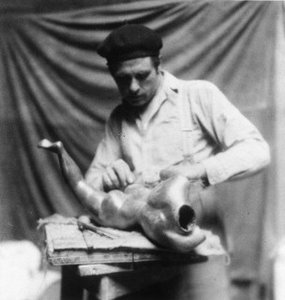
leon underwood
1890 - 1975
基本情報
- Artistic Movement Or Style: Modernist Sculpture
- Artists Or Movements Influenced By This Artist:
- Henry Moore
- Barbara Hepworth
- Artists Who Influenced This Artist:
- Gaudier-Brzeska
- Jacob Epstein
- Eric Gill
- Date Of Birth: December 25, 1890
- Date Of Death: October 9, 1975
- Full Name: George Claude Leon Underwood
- Nationality: British
- Notable Artworks:
- Belgian children made orphans by the war
- Temple of Olympian Zeus and the Acropolis in the background
- Place Of Birth: London
関連記事

Monochrome Visions: Exploring the Aesthetic & Historical Significance of Black & White Photography
Explore the rich history & artistic power of black and white photography. From early techniques to iconic masters like Ansel Adams, discover why monochrome continues to captivate art lovers today. Expert insights for collectors.
Mars Black Masterpieces: 10 Iconic Paintings & Timeless Art Decor Ideas
Delve into the power of 'Mars Black' with 10 iconic paintings by masters like Rembrandt & Caravaggio. Explore dramatic chiaroscuro, gothic art, and timeless beauty. Find museum-quality reproductions & elevate your home decor on .

Dark Masterpieces: 10 Iconic Paintings Dominated by Black Tones |
Explore 10 iconic paintings dominated by black tones, from Rembrandt’s chiaroscuro to Goya's dark expressions. Discover the stories behind these masterpieces & find museum-quality art reproductions for your home at .
白黒の静寂:写真から生まれる古典絵画の世界 - ミニマリズムと光の芸術 | ArtsDot
ArtsDotで、思い出の写真を感動的な絵画に。熟練のアーティストが手作業で古典絵画のような美を再現します。高品質な油絵レプリカやカスタム肖像画で、あなたの空間を芸術的に彩りませんか?無料アート相談も実施中。

White on Canvas: 10 Masterpieces & Timeless Elegance for Your Home Decor
Explore 10 iconic white paintings by Monet, Whistler & Rothko! Discover the stories behind these serene masterpieces and their impact on art history. Find museum-quality reproductions for your home decor at .