

 プレビュー
プレビュー
 シェアする
シェアする シェアする
シェアする
 詳細を見る
詳細を見る

 ダウンロード
 似ている作品
 X線調査
X線調査 スライドショー
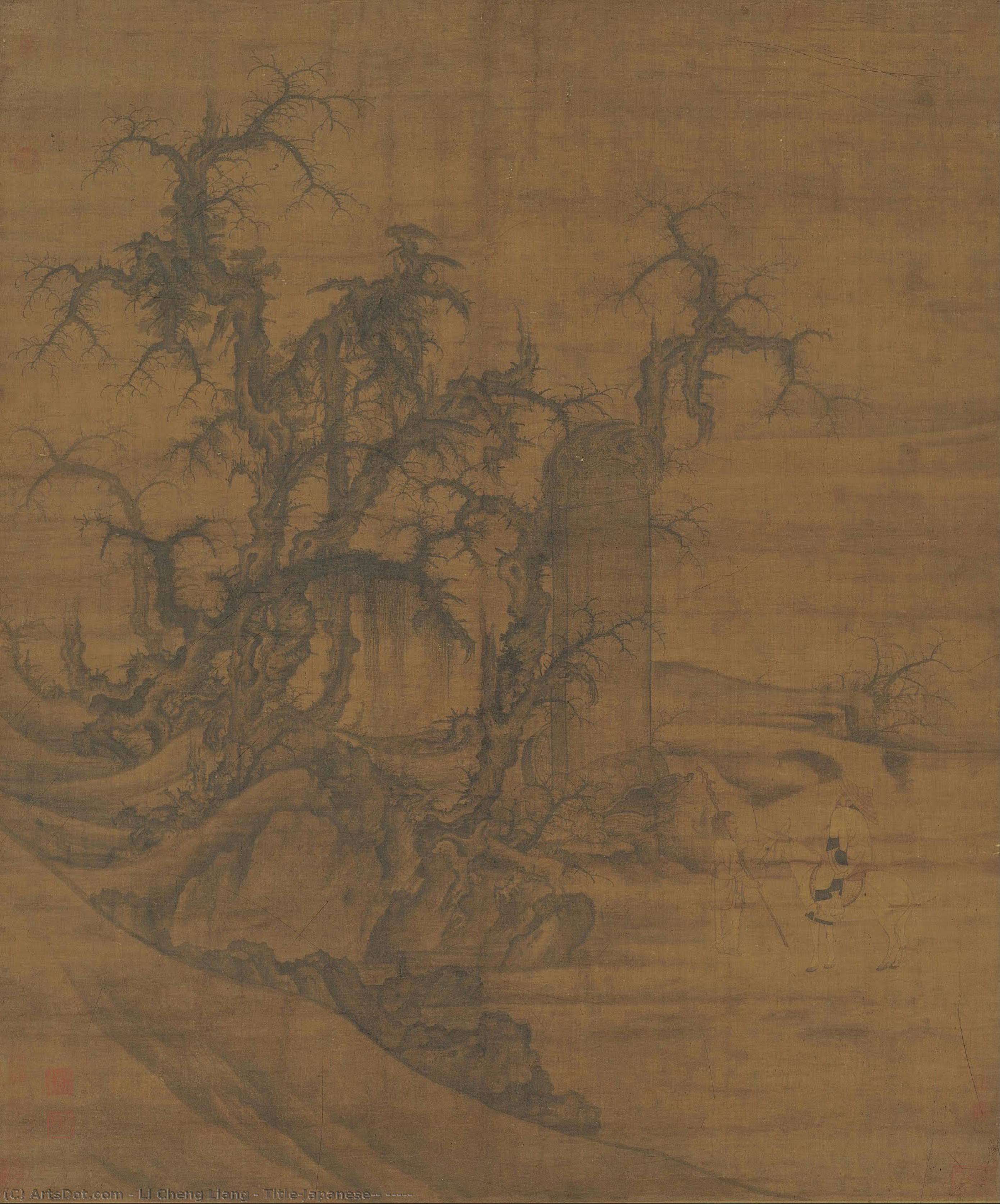
Title(Japanese): 読碑窠石図
 Ink
Ink- Northern Song Landscape
 900
900- Early Medieval
 105.0cm x 126.0cm
 大阪市立美術館
 詳細を見る
詳細を見る
ジークレー/アートプリント
迅速な制作と多彩な仕上げオプションを備えた、ミュージアムクオリティのジークレーまたはキャンバスプリント。 ( 手描きの絵画を購入 画像を購入)




P118B $10

P118H $10

P118W $10

P438Z $10

P508JH $12

P508YH $12

P805H $10

P805Z $10

P919BZ $10

P919G $10

P919XJ $10

P959ZH $10

P968JZ $12

W106C $8

W218G $10

W218JH $8

W218Y $10

W307PJ $10

W316G $10

W316PJ $8

W316Y $10

W398PJ $8

W4111J $10

W500HY $15

W500JH $15

W692G $12

W849H $8

W940BG $15

W953PJ $8




作品のオリジナル比率に合わせた、当店の規定サイズからお選びください。

特定のフレームやスペースに合わせて、ご自身でサイズを指定することも可能です。選択されたサイズが元の画像の比率と一致しない場合、作品をトリミングするか、鏡面反射または単色での塗りつぶしによって画像を拡張いたします。制作を開始する前に、ご確認用のデジタルモックアップをお送りいたします。
画面上のプレビューには、実際のトリミングや拡張は反映されませんのでご注意ください。最終的な構図を正確に確認できるのは、モックアップのみとなります。
カスタムサイズも承っておりますが、元の比率を維持するためには、あらかじめ用意されたリストからサイズを選択することをお勧めいたします。


 ガラスオプションは、110cm未満のサイズでのみご利用いただけます。

Title(Japanese): 読碑窠石図
ジークレー/アートプリント
複製画のサイズ
-


合計金額
$ 62
A Tale Written in Stone and Silk
In the delicate interplay of ink and silk, the masterpiece Title(Japanese): 読碑窠石図 invites viewers into a profound moment of historical reflection and intellectual discovery. This evocative work captures a legendary encounter from the Wei dynasty, centered around the figures of Cao Cao and Yang Xiu. As they traverse a landscape marked by ancient memory, they pause before a memorial stele dedicated to Cao E. The painting masterfully illustrates the divergence in human perception: while the brilliant Yang Xiu instantly deciphers the hidden meanings etched into the stone, the mighty Cao Cao finds himself momentarily lost in the complexity of the inscription. It is a narrative that transcends mere history, touching upon the universal themes of wisdom, intuition, and the layered depths of language.
The composition serves as a breathtaking tribute to two legendary masters of the past, Wang Xiao and Li Cheng. The very text inscribed upon the stele celebrates the synergy of their talents—the ability to render the vitality of human figures and animals alongside the architectural precision of trees and rocks. Through this work, we witness a dialogue between generations, where the brushstrokes of a Yuan dynasty copyist breathe new life into the Northern Song aesthetic. The painting is not merely a depiction of a scene, but a living testament to the enduring legacy of Chinese landscape traditions.
The Mastery of Nature and Atmosphere
Technically, the artwork is a triumph of atmospheric storytelling. The artist employs a sophisticated approach to texture and depth, utilizing what is famously known as the "crab claw" rendering of tree branches to create a sense of organic movement and ruggedness. As one gazes upon the silk, the scene unfolds with a dramatic intensity; a sudden storm seems to pulse through the composition, with lightning bolts flickering around the branches of a central, commanding tree. This use of light and shadow creates a dynamic tension that keeps the eye wandering through the intricate details of the foliage and the weathered surfaces of the earth.
The landscape is characterized by earthen hillocks that provide a sense of structural perspective, guiding the viewer's gaze from the foreground figures toward the misty, ethereal distance. This technique creates a profound sense of spatial depth, making the world within the silk feel vast and immersive. For the collector or interior designer, this piece offers more than just visual beauty; it provides a window into a meticulously constructed universe where every leaf and every bolt of lightning contributes to a larger, more contemplative emotional experience.
An Eternal Inspiration for the Modern Space
For those seeking to curate an environment of intellectual depth and serene grandeur, this reproduction offers an unparalleled opportunity. The artwork’s ability to balance the chaotic energy of a storm with the quiet, scholarly pursuit of reading a stele makes it a versatile centerpiece. It possesses a unique emotional resonance—a blend of the dramatic and the meditative—that can anchor a room with a sense of history and prestige.
Integrating such a high-quality hand-painted reproduction into a sophisticated interior allows for a conversation between ancient tradition and contemporary elegance. Whether placed in a private library, a formal study, or a curated gallery space, the piece serves as a focal point that inspires wonder. It is an invitation to slow down, to look closer at the fine details of the silk, and to reflect on the timeless beauty of the natural world and the enduring power of human intellect.
関連作品


アーティストの略歴
Li Cheng Liang: Echoes of the Northern Landscape
Born in Qingzhou, Shandong province during the tumultuous Five Dynasties period (907-967), Li Cheng Liang emerged as a pivotal figure in Chinese landscape painting. His life coincided with a time of profound artistic and political upheaval, yet he managed to forge a distinctive style that would profoundly influence generations of artists. More than simply depicting scenes from nature, Li Cheng sought to capture the very essence of the northern mountains – their ruggedness, their ethereal mist, and the quiet dignity of ancient pines – creating works imbued with a sense of timelessness and profound serenity. He wasn’t merely an imitator; he developed a unique approach that moved beyond the conventions of his predecessors, establishing himself as one of the ‘three great rival artists’ alongside Fan Kuan and Guan Tong, a trio whose combined influence shaped the trajectory of Chinese landscape painting for centuries to come.
Li Cheng's early artistic development was deeply rooted in the teachings of Jing Hao, a master of the “literati” style – a school of painting emphasizing intellectualism and subtle brushwork. Jing Hao’s focus on capturing atmospheric effects and conveying a sense of solitude profoundly impacted Li Cheng. However, unlike Jing Hao, who favored detailed depictions of specific locations, Li Cheng broadened his scope to encompass the vastness and mystery of the northern mountains. He also drew inspiration from Juran, known for his expressive brushwork and dramatic use of ink. This synthesis of influences resulted in a style characterized by loose, flowing brushstrokes, subtle tonal variations, and an emphasis on capturing the overall mood and atmosphere rather than precise topographical detail.
The ‘Giant’ and Artistic Innovation
Li Cheng's most celebrated work, “Giant” (Zhong Tu), exemplifies his artistic innovations. This monumental painting, now housed in the National Palace Museum in Taipei, is a testament to his mastery of technique and his ability to evoke a powerful emotional response. The painting depicts a towering pine tree standing alone on a barren mountain peak, shrouded in mist. The scale of the work—over 18 feet tall and nearly 25 feet wide—is truly awe-inspiring. What distinguishes “Giant” is not its meticulous detail but rather its masterful use of ink to create a sense of depth, atmosphere, and drama. The loose, expressive brushstrokes convey the ruggedness of the mountain and the ethereal quality of the mist, while the subtle tonal variations suggest the play of light and shadow. The painting’s composition—the solitary pine tree against the vast expanse of the sky—symbolizes resilience, longevity, and the enduring spirit of nature.
Critics have noted that “Giant” represents a departure from traditional landscape painting conventions. Instead of depicting specific locations or historical events, Li Cheng focused on capturing the essence of the natural world – its beauty, its mystery, and its power. This shift towards abstraction marked a significant step in the development of Chinese landscape painting and paved the way for future generations of artists to explore new ways of representing the world around them.
Influences and Legacy
Li Cheng’s artistic vision was shaped by several factors, including his upbringing in a region known for its rugged mountain landscapes. The dramatic scenery of Shandong province—its towering peaks, its deep valleys, and its perpetually misty atmosphere—provided him with an endless source of inspiration. He also benefited from exposure to the intellectual traditions of Confucianism, which emphasized harmony between humanity and nature. These influences combined to create a unique artistic sensibility that set him apart from his contemporaries.
Li Cheng’s influence on subsequent generations of Chinese landscape painters is undeniable. His loose brushwork, atmospheric effects, and emphasis on capturing the overall mood and atmosphere of the natural world became hallmarks of the “Northern Landscape” style—a dominant trend in Chinese painting during the Song Dynasty. Artists such as Guo Xi, Fan Sang, and Dong Yuan all drew inspiration from Li Cheng’s work, further disseminating his artistic innovations throughout the art community. Despite the fact that many of his original paintings have been lost over time, his influence continues to be felt today, reminding us of the enduring power of nature and the beauty of Chinese landscape painting.
A Life Less Documented
Information about Li Cheng’s life is surprisingly scarce. Historical records suggest he was born in Qingzhou, Shandong province, around 919 AD, but details regarding his early years and career are limited. He was known to be a scholar-artist, skilled in both calligraphy and painting. Anecdotes from the *Xuanhe Catalogue of Paintings* (a comprehensive inventory of paintings in the imperial collection during the Northern Song Dynasty) reveal that he was considered a man of great talent and ambition, but also one who valued personal expression over worldly recognition. The catalogue describes him as “good at writing, his prose has unusual subtlety,” suggesting an intellectual depth beyond simply technical skill. His preference for solitude and his disdain for the superficiality of courtly life likely contributed to the relative obscurity of his biography.
Despite the lack of extensive biographical information, Li Cheng’s artistic legacy endures. His paintings continue to be admired for their beauty, their emotional depth, and their technical mastery. He remains a vital figure in the history of Chinese art—a testament to the power of individual vision and the enduring appeal of the natural world.

li cheng liang
China
基本情報
- Artistic Movement Or Style: Landscape painting
- Artists Or Movements Influenced By This Artist: ['Northern Landscape style']
- Artists Who Influenced This Artist:
- Jing Hao
- Juran
- Date Of Birth: 919 – present
- Full Name: Li Cheng Liang
- Nationality: Chinese
- Notable Artworks: ['Giant']
- Place Of Birth: Qingzhou, China
関連記事
Arboreal Echoes: A Historical & Artistic Exploration of Trees in Painting
Explore the rich history of trees in painting! Discover symbolism, Romantic masterpieces by Caspar David Friedrich & beyond. A curated journey for art enthusiasts.

ロマン派ランドスケープ:時代を彩る巨匠の10選|アートとインテリアの世界
ロマン派絵画の時代を彩る10選。巨匠たちの風景が織りなす感動の世界へ。ターナー、ルーベンスなど、名作の裏話と高精細複製でアートをお部屋に。ArtsDot.comで至福のアート体験を。

ジョン・コンスタブルの傑作25選:英国風景画の巨匠が描く自然と光の詩 | ArtsDot
ジョン・コンスタブルの傑作25選。英国風景画の巨匠が描く自然と光の詩の世界へ。ロマン主義を代表する絵画、デダム・ヴェールやヘイ・ウェインなど、ArtsDotで高品質なアートプリントをお楽しみください。インテリアに深みと感動を。コレクションはこちら。
Arboreal Echoes: A Historical & Artistic Exploration of Trees in Painting
Explore the rich history of trees in painting! Discover symbolism, Romantic masterpieces by Caspar David Friedrich & beyond. A curated journey for art enthusiasts.

Evocations of Place: A Historical Journey Through Landscape Art
Explore the rich history of landscape art with ArtsDot. Discover renowned artists, movements like Impressionism & Romanticism, and expert guidance for collecting timeless pieces. Find your perfect serene escape today!