Shuxian (Or Guobao, According To Xuanhe Huapu): A Master of Landscape Painting in Turbulent Times
Guo Zhongshu (c. 929 – 977), courtesy name Shuxian (or Guobao, according to Xuanhe Huapu), stands as a singular figure within the artistic landscape of the Five Dynasties and Song dynasties—a period marked by political fragmentation and cultural upheaval—yet his legacy endures through exquisitely rendered landscapes and architectural depictions that embody elegance and profound philosophical contemplation. Born in Luoyang during a time of intense instability, Shuxian’s life coincided with a dramatic shift in artistic sensibilities away from the grandeur of Tang Dynasty art towards a more restrained, introspective aesthetic rooted in Neo-Confucian ideals. This stylistic evolution reflects not merely personal preference but also a broader societal yearning for harmony amidst chaos—a theme powerfully conveyed in his oeuvre.
- Early Life and Education: Shuxian’s formative years were spent pursuing scholarly pursuits, immersing himself in Confucian classics and honing his calligraphy skills. These foundational disciplines would profoundly influence his artistic vision, shaping his meticulous attention to detail and his ability to capture the essence of nature with understated grace. His family lineage traced back to prominent officials, providing him with access to resources that nurtured his intellectual curiosity and fostered a lifelong dedication to learning.
- The Xuanhe Huapu Style: Shuxian’s artistic breakthrough occurred during the Xuanhe reign (960-977), when he embraced the Xuanhe Huapu style—a distinctive approach characterized by subtle tonal variations achieved through meticulous layering of ink washes. This technique, championed by Xie Lingyun, prioritized capturing atmospheric conditions and conveying emotions rather than striving for photographic realism. It became Shuxian’s signature method, distinguishing him from his contemporaries and establishing a lasting contribution to Chinese landscape painting.
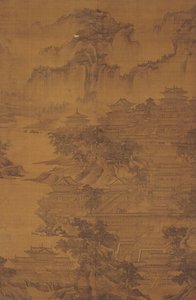
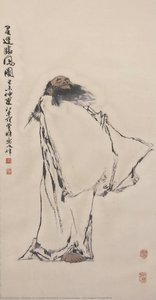
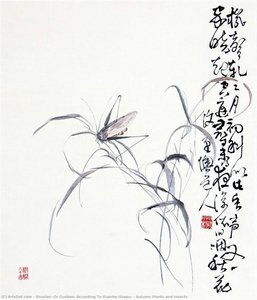
- Notable Works: Among Shuxian's celebrated paintings are “Autumn Plants and Insects,” a breathtaking depiction of autumnal foliage and insects—a testament to his mastery of tonal harmony and compositional balance. This artwork exemplifies the Neo-Confucian preoccupation with observing the natural world as a pathway to moral enlightenment, mirroring Xie Lingyun’s own philosophical stance. Another significant piece is "Title(Japanese): 明皇避暑宮図," showcasing Shuxian's meticulous rendering of Emperor Shenzong’s summer palace—a masterful demonstration of architectural perspective and artistic precision.
- Influence and Legacy: Shuxian’s influence extended beyond his immediate contemporaries, shaping the aesthetic sensibilities of subsequent generations of artists. His unwavering commitment to Xuanhe Huapu style solidified its position as a cornerstone of Song Dynasty landscape painting, inspiring countless imitators and contributing to the development of a distinctly contemplative artistic tradition. He is remembered not only for his technical prowess but also for embodying the spirit of his era—a period characterized by intellectual rigor and spiritual aspiration.
- Recognition and Honors: Shuxian’s artistic achievements garnered considerable acclaim during his lifetime, culminating in a Gold Award at the “Hundred Flower Cup-Tian Gong Yi Yuan” Chinese Arts and Crafts Masterpiece Exhibition in 2008—a testament to his enduring contribution to Chinese art history. His work continues to be studied and admired by scholars and connoisseurs worldwide, ensuring that Shuxian’s artistic legacy persists as a beacon of elegance and philosophical depth.
Further Research: Explore resources on Xuanhe Huapu style and the broader cultural context of the Five Dynasties and Song dynasties to gain deeper insights into Shuxian's artistic milieu.