Early Life & Artistic Formation: From Black Forest Origins to Academic Promise
Franz Xaver Winterhalter’s story is one of remarkable ascent, a journey from the secluded beauty of the Black Forest to the glittering courts of Europe. Born in 1805 in Menzenschwand, a small village nestled within Germany's forested landscape, his early life offered little hint of the artistic prominence he would achieve. His father, Fidel Winterhalter, was a farmer and resin producer – a practical man rooted in the land. Yet, even amidst this humble upbringing, an appreciation for aesthetics flourished. The family’s strong bonds and close-knit community instilled a sense of diligence and observation that would later inform his meticulous portraiture.
Winterhalter's initial training began with drawing and engraving under Karl Ludwig Schüler in Freiburg im Breisgau, providing him with the foundational skills necessary for lithography. However, it was through the patronage of Baron von Eichtal that he first glimpsed a wider artistic world, enabling his move to Munich in 1823. While formally studying at the Academy of Arts under Peter von Cornelius, Winterhalter found himself somewhat constrained by the academic rigidity of the curriculum. It was Joseph Karl Stieler, a celebrated portraitist known for his flattering depictions of Bavarian royalty, who truly ignited his passion and guided him towards his destined path.
This period wasn’t merely about technical proficiency; it was about understanding the nuances of character, capturing not just likeness but also an essence of personality. Winterhalter's early work demonstrated a keen eye for detail and a growing ability to translate observation into compelling imagery. His subsequent travels to Italy in 1833-34, supported by Grand Duke Leopold of Baden, further refined his skills, exposing him to the romantic genre scenes prevalent at the time. These formative experiences laid the groundwork for his eventual triumph as a master portraitist.
The Rise to Royal Favor: Winterhalter’s Appointment at the Court of Louis-Philippe
Franz Xaver Winterhalter (20 April 1805 – 8 July 1873) was a German painter and lithographer, known for his portraits of royalty in the mid-nineteenth century.
Winterhalter's arrival in Paris in 1836 marked a pivotal moment in his career. His genre scene, *Il dolce Farniente*, presented at the Salon that year, garnered initial attention, but it was his portraits that truly captured the imagination of Parisian society. He quickly established himself as a painter capable of capturing both beauty and status – qualities highly valued by the elite.
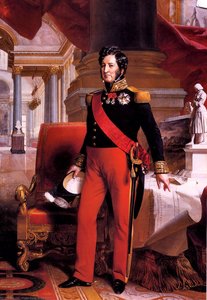
The turning point came with commissions from Queen Louise Marie of Orleans, which led to an introduction to Maria Amalia of the Two Sicilies, Queen of the French. This connection proved invaluable, securing Winterhalter’s appointment as court painter to Louis-Philippe in 1838. Suddenly, he was immersed in a world of dynastic power and aristocratic elegance, tasked with immortalizing the royal family on canvas.
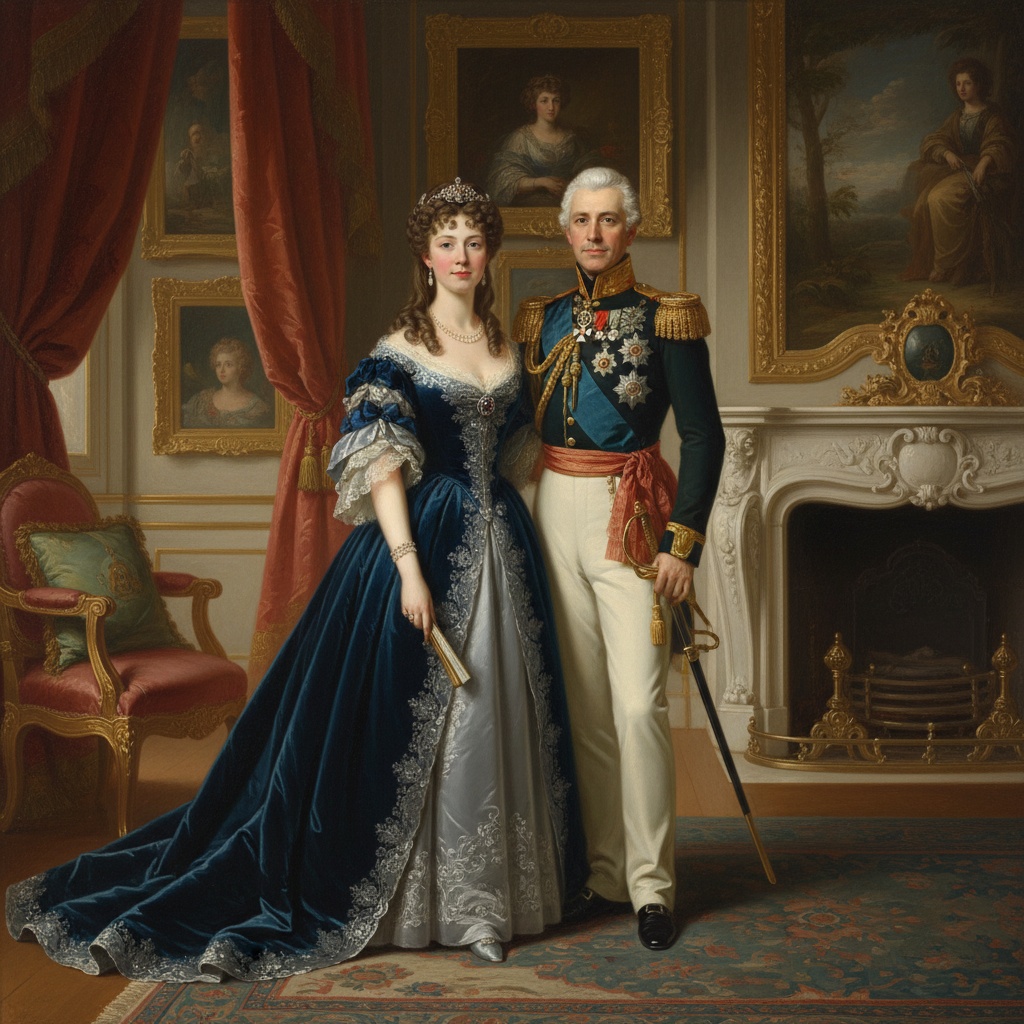
Over the next decade, Winterhalter executed over thirty portraits for Louis-Philippe alone, becoming synonymous with fashionable court portraiture. His ability to combine meticulous realism with subtle flattery proved irresistible to his sitters. He didn’t simply paint faces; he crafted images that projected an idealized vision of power, grace, and refinement – a skill that quickly extended beyond the French royal family to encompass European nobility.
A Master of Flattery: Style, Technique and the Aesthetic of Biedermeier Portraiture
Winterhalter’s success wasn't accidental. His style was deeply rooted in the aesthetic sensibilities of the Biedermeier period – a time characterized by a focus on domesticity, sentimentality, and a refined sense of bourgeois values. While critics often dismissed Biedermeier art as lacking ambition, Winterhalter skillfully harnessed its emphasis on detail, comfort, and emotional warmth to create portraits that resonated with his clientele.
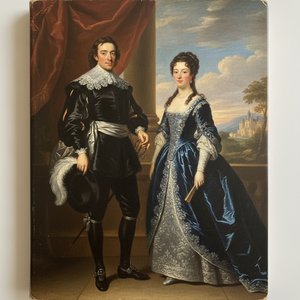
His technique was meticulous, characterized by layered brushstrokes, subtle glazing, and an extraordinary attention to texture. He excelled at rendering luxurious fabrics – silks, velvets, and lace – imbuing his subjects with a tangible sense of wealth and status. But beyond technical skill, Winterhalter possessed a remarkable ability to capture the *likeness* of his sitters while simultaneously enhancing their perceived beauty and dignity.
His portraits weren’t merely representations; they were carefully constructed images designed to project an idealized version of reality. He understood the power of symbolism, subtly incorporating elements that alluded to his subjects' status, virtues, or aspirations. This mastery of both technique and psychological insight made him the preferred portraitist of royalty across Europe.
Portraying Power & Prestige: Notable Commissions and International Recognition
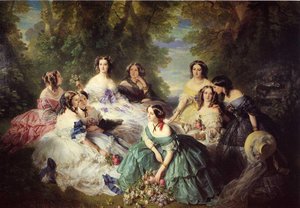
Winterhalter’s reputation quickly transcended national boundaries. He became a sought-after artist throughout Europe, receiving commissions from emperors, empresses, duchesses, and other members of the aristocracy. Among his most celebrated works are *Empress Eugénie Surrounded by her Ladies in Waiting* (1855), a dazzling display of imperial splendor, and his numerous portraits of Empress Elisabeth of Austria, capturing her ethereal beauty and melancholic grace.
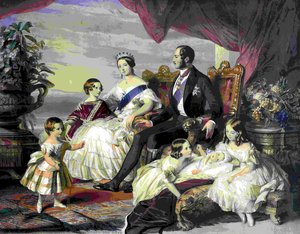
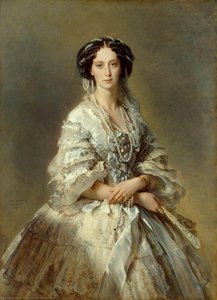
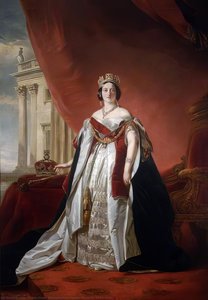
His travels took him to England, where he painted Queen Victoria – a commission that further solidified his international standing. He also received patronage from the Russian Imperial Court, creating portraits of Grand Duchesses and other prominent figures. These commissions weren’t simply artistic endeavors; they were statements of power, prestige, and diplomatic alliance.
Winterhalter's ability to navigate the complex social dynamics of European courts was as crucial to his success as his artistic talent. He understood the importance of pleasing his sitters, subtly incorporating their desires and expectations into his work. This combination of artistic skill and political acumen made him a uniquely influential figure in 19th-century art.
Beyond the Brushstroke: Winterhalter's Legacy and Influence on 19th Century Art
Despite facing criticism from some quarters for prioritizing flattery over artistic innovation, Winterhalter’s influence on 19th-century portraiture is undeniable. He established a standard of elegance and refinement that shaped the aesthetic sensibilities of his era. His portraits weren't simply likenesses; they were carefully crafted images designed to project an idealized version of power, grace, and status.
While he may not have been a revolutionary figure in terms of artistic style, Winterhalter’s mastery of technique and understanding of social dynamics made him the preferred portraitist of royalty across Europe. His work continues to captivate audiences today, offering a glimpse into the lives and aspirations of the elite during a period of significant political and social change.
His legacy extends beyond his individual paintings; it lies in the enduring appeal of his aesthetic – a celebration of beauty, refinement, and the power of image. Today, collectors prize Winterhalter’s portraits not only for their artistic merit but also for their historical significance, offering a unique window into the world of 19th-century European aristocracy.
At ArtsDot.com, we are proud to offer exquisite reproductions of Franz Xaver Winterhalter’s masterpieces, allowing you to bring a touch of imperial splendor into your own home. Explore our collection and discover the timeless beauty of this celebrated court painter.