The Dawn of Representation: Ancient Roots & Early Portraiture
Art history is an academic discipline devoted to the study of artistic production and visual culture throughout human history. Art historians use a historical method or a philosophy, such as historical materialism or critical theory, to analyze artwo...
The impulse to capture likeness, to preserve a fragment of existence beyond the fleeting moment, is as old as humanity itself. While we often associate portraiture with the refined oil paintings of the Renaissance or the stately commissions of the Victorian era, its origins lie far earlier – in the prehistoric carvings and funerary masks that sought not merely to depict, but to embody the spirit of the departed. Consider the haunting beauty of Egyptian sarcophagi, their painted surfaces offering idealized representations intended to guide the soul through the afterlife. These weren’t simply portraits in our modern sense; they were transformative objects, imbued with religious significance and a profound belief in continuity beyond death. The Fayum mummy portraits, dating from Roman Egypt, represent a fascinating transition – remarkably realistic depictions of individuals painted onto wooden boards placed over their faces. They offer an intimate glimpse into the lives of ordinary people, showcasing a level of individualization rarely seen in earlier forms of representation. These early examples demonstrate that portraiture wasn’t born out of vanity or social status, but from deeply held spiritual beliefs and a fundamental human desire to remember.
Renaissance Portraits: Humanism, Identity & Artistic Innovation
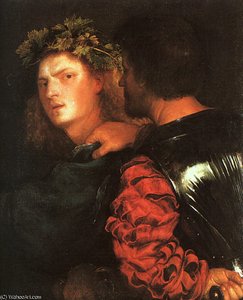 The assassin, art history museum, vienna
Tiziano Vecellio’s ‘The Assassin’ (1520) – a captivating Renaissance portrait! Explore this intimate scene of youthful beauty, rich colors & masterful oil technique. Discover its symbolism and historical significance.
The Renaissance witnessed a seismic shift in the understanding of humanity – a renewed focus on individual potential and earthly existence. This humanist spirit profoundly impacted portraiture, moving it away from purely religious or symbolic representations towards a celebration of the sitter’s unique character and intellect. Artists like Leonardo da Vinci and Raphael elevated portraiture to an unprecedented level of psychological realism. Da Vinci's Mona Lisa remains perhaps the most iconic portrait in history, not simply for its technical brilliance but for the enigmatic quality that seems to capture a fleeting moment of inner life. The sfumato technique – the subtle blurring of lines and colors – creates an ethereal effect, inviting endless interpretation. Similarly, Raphael’s portraits, such as Baldassare Castiglione, convey a sense of dignity and intellectual gravitas. The Renaissance also saw the rise of the profile portrait, often commissioned by wealthy merchants and patrons to assert their social standing. Artists like Matteo Civitale masterfully captured these individuals, emphasizing their refined features and elegant attire. The attention to detail – the texture of fabrics, the gleam of jewelry – served not only as a display of artistic skill but also as a symbol of wealth and power. Tiziano Vecellio’s ‘The Assassin’ (1520) exemplifies this period's captivating blend of intimacy and symbolism; a youthful beauty rendered with rich colors and masterful oil technique, hinting at a deeper narrative beneath the surface.
Baroque & Rococo: Drama, Power & the Intimate Gaze
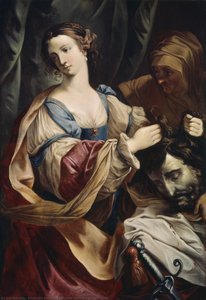 Judith with the Head of Holofernes
Admire Elisabetta Sirani’s "Judith with Holofernes." A Baroque masterpiece of grief & power, showcasing rich detail & dramatic lighting. Explore this iconic 1665 oil painting.
The Baroque era embraced grandeur, drama, and emotional intensity. Portraiture reflected this shift, becoming increasingly opulent and theatrical. Artists like Rembrandt van Rijn explored the psychological depths of their sitters through masterful use of light and shadow – chiaroscuro. His self-portraits are particularly revealing, offering a candid glimpse into the artist’s own aging process and inner turmoil. The Rococo period, with its emphasis on elegance and frivolity, saw portraiture become more intimate and playful. Artists like François Boucher favored pastel colors and delicate brushstrokes, creating portraits that celebrated beauty and aristocratic leisure. However, even within this seemingly lighthearted style, there was often a subtle undercurrent of social commentary. Elisabetta Sirani’s “Judith with Holofernes” (1665) stands as a powerful example of Baroque mastery; the dramatic lighting and rich detail convey both grief and power in equal measure. The period also saw an increased focus on capturing movement and gesture, adding a dynamic quality to portraiture that had been largely absent in earlier styles.
19th-Century Portraiture: Capturing Realism and Psychological Depth
The 19th century was marked by a growing interest in realism and psychological depth. Artists like Gustave Courbet rejected idealized representations, striving instead to depict their sitters with unflinching honesty. This pursuit of authenticity led to portraits that were often more somber and introspective than those of previous eras. The rise of photography also had a profound impact on portraiture, challenging artists to find new ways to capture likeness and personality. Artists like John Singer Sargent skillfully blended realism with impressionistic techniques, creating portraits that captured not only the sitter’s physical appearance but also their social context and inner life. The Victorian era saw a proliferation of portraiture, driven by a growing middle class eager to commemorate their status and achievements. These portraits often emphasized respectability and moral virtue, reflecting the strict social conventions of the time. The detailed rendering of clothing and accessories served as symbols of wealth and refinement.
Modernity's Fragmentation: Reimagining Portraiture in the 20th Century
The 20th century witnessed a radical fragmentation of artistic styles and techniques, profoundly impacting portraiture. Artists like Pablo Picasso and Georges Braque challenged traditional notions of representation with Cubism, breaking down forms into geometric shapes and exploring multiple perspectives simultaneously. This approach reflected a desire to capture the complexity of modern life and the subjective nature of perception. Surrealism further pushed the boundaries of portraiture, delving into the subconscious mind and creating dreamlike images that defied logical interpretation. Artists like Salvador Dalí explored themes of identity, sexuality, and mortality through bizarre and unsettling imagery. The Expressionist movement emphasized emotional intensity, often distorting forms and using bold colors to convey inner turmoil. The Pop Art movement embraced mass culture and celebrity, transforming iconic figures into stylized portraits that reflected the superficiality of modern society. Artists like Andy Warhol challenged traditional notions of artistic value, blurring the lines between high art and popular culture.
Portraiture Today: New Media, Identity Politics & Beyond
Today, portraiture continues to evolve, embracing new media and challenging conventional boundaries. Digital photography, video, and performance art have expanded the possibilities for representation, allowing artists to explore identity in increasingly complex ways. Contemporary artists are often concerned with issues of race, gender, sexuality, and social justice, using portraiture as a platform for activism and self-expression. The rise of social media has also had a profound impact on portraiture, blurring the lines between public and private life. Selfies and online profiles have become forms of self-portraiture, allowing individuals to curate their own identities and present themselves to the world in carefully constructed ways. The enduring power of the gaze – the act of looking and being looked at – remains central to portraiture, prompting us to question our perceptions of ourselves and others. From ancient rituals to AI art, the quest to capture identity continues, driven by a fundamental human desire to understand and connect with one another.
At ArtsDot.com, we celebrate this rich history through high-quality reproductions of masterpieces from every era. Whether you’re seeking a timeless Renaissance portrait or a bold modern image, our skilled artists can bring your vision to life. Explore our extensive collection and discover the perfect artwork to enhance your home or office. We offer custom paintings from photos, expert art appraisal services, and personalized art consultation to help you find the ideal piece for your space. Begin your journey through the captivating world of portraiture with us today.