 Preview
 Send
Send Share
Share
 Details

 Download
 Similars
 X-Ray
X-Ray Diaporama
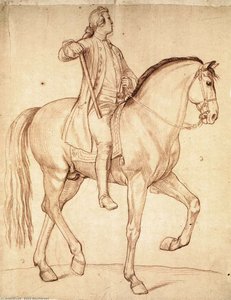
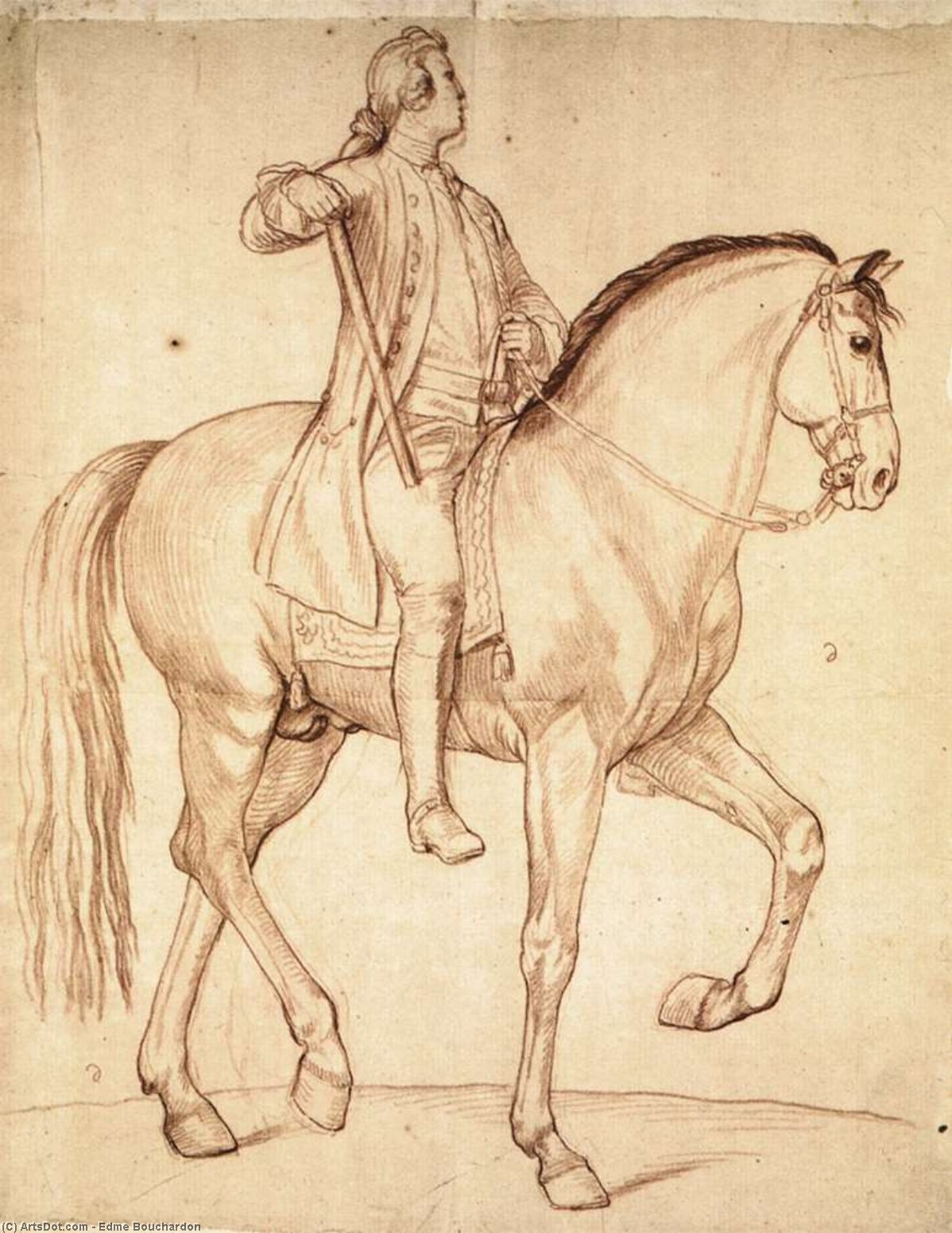
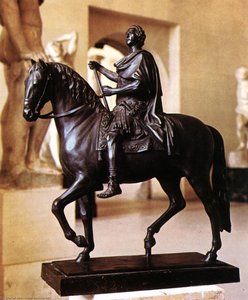
Study for the Equestrian Statue of Louis XV
 Chalk
Chalk- Baroque Neoclassicism Fusion
 1750
1750 816.0 x 630.0 cm
 The Louvre
 Read More
Hand Made Oil Reproduction
Hand-painted oil on canvas in your size and frame, made to order by our artists. ( Buy Print Buy Image)




P118B $10

P118H $10

P118W $10

P438Z $10

P508JH $12

P508YH $12

P805H $10

P805Z $10

P919BZ $10

P919G $10

P919XJ $10

P959ZH $10

P968JZ $12

W106C $8

W218G $10

W218JH $8

W218Y $10

W307PJ $10

W316G $10

W316PJ $8

W316Y $10

W398PJ $8

W4111J $10

W500HY $15

W500JH $15

W692G $12

W849H $8

W940BG $15

W953PJ $8




Pick from our preset sizes that match the artwork's original proportions.

You may enter your own dimensions to fit a specific frame or space. If your selected size does not match the original image's proportions, we will either crop the artwork or extend the painting with additional hand-painted elements. A digital mockup will be sent for your approval before production begins.
Please note that the on-screen preview does not reflect the actual cropping or extension. Only the mockup will accurately show the final composition.
While custom sizes are available, we recommend selecting a dimension from the predefined list to preserve the original proportions.
After order, ArtsDot.com team will email client for instructions and provide a mockup preview
Worldwide Delivery () in 3/4 weeks instead of standard 5 weeks. (17 August). No compromise on quality.

Free Worldwide Express Shipping

High-Quality Linen Canvas

Full Shipping Insurance

Customs Tax Refund Guarantee

True Color Matching Guarantee

60-Day Return Policy (Defects Only)

100% Money-Back Guarantee

Bulk Discount Offer
 Glass option is only available in size under 110 CM

Study for the Equestrian Statue of Louis XV
Reproduction Medium
Reproduction Size
-


Total Price
$ 263
Artwork Description
A Study Bridging Baroque Grandeur and Neoclassical Naturalism
Edmé Bouchardon’s “Study for the Equestrian Statue of Louis XV” stands as a testament to the artistic tensions simmering within 18th-century France—a moment where the opulent traditions of Baroque sculpture wrestled with the burgeoning influence of Neoclassicism. More than just a preparatory sketch, this drawing encapsulates Bouchardon's profound understanding of both stylistic approaches and his unwavering commitment to meticulous observation.
The Artist’s Genesis: Influences and Training
Born in Chaumont-sur-Loire in 1698, Bouchardon inherited artistic talent from his father, Jean-Baptiste Bouchardon, a sculptor who instilled in him an appreciation for classical forms. This formative influence would permeate Bouchardon's entire oeuvre, establishing him as one of the foremost sculptors and designers of his era. His formal training commenced under Guillaume Coustou, whose teachings emphasized anatomical accuracy—a skill that proved invaluable in Bouchardon’s subsequent artistic endeavors. Crucially, securing the Prix de Rome in 1722 opened doors to Roman academies, immersing him within the intellectual currents shaping European art.
A Monumental Vision: The Equestrian Statue Commission
The commission for Louis XV's equestrian statue represented a formidable challenge—a project that demanded not only technical prowess but also an ability to synthesize disparate artistic styles. Bouchardon’s preparatory drawings reveal his painstaking process of translating the idealized form of Marcus Curtius, sculpted by Bernini decades earlier, into a more naturalistic depiction suitable for Louis XV’s likeness. The statue's placement in Place Louis XV (now Place de la Concorde) underscored its significance as a symbol of royal power and grandeur.
Technique and Material: Chalk on Paper
Executed in chalk on paper, “Study for the Equestrian Statue” exemplifies Bouchardon’s mastery of disegno—the Italian term for drawing—characterized by precise lines and tonal gradations. The artist employed a technique that prioritized capturing subtle nuances of form and texture, reflecting the Neoclassical emphasis on naturalism alongside Baroque’s dramatic flair. The resulting image is imbued with an understated elegance, hinting at the monumental sculpture to come.
Symbolic Resonance: Virtue and Majesty
Beyond its technical brilliance, the drawing speaks volumes about the artistic sensibilities of the time. The horse itself embodies strength and nobility—qualities associated with Roman heroes and idealized masculinity. Similarly, the draped robe symbolizes majesty and dignity, mirroring the conventions of classical sculpture. Bouchardon’s meticulous attention to detail underscores the importance of conveying not merely visual likeness but also moral virtue—a cornerstone of Neoclassical thought.
A Legacy Enduring: Influence on Artistic Practice
"Study for the Equestrian Statue of Louis XV" serves as a poignant reminder of Bouchardon’s pivotal role in bridging Baroque grandeur and Neoclassicism. His unwavering dedication to observation and anatomical accuracy—skills honed under Coustou—laid the groundwork for his enduring legacy as one of France's most celebrated sculptors and designers. This drawing continues to inspire artists today, demonstrating the power of disegno to capture both beauty and intellectual depth.
Related Artworks
Artist Biography
The Sculptor of Truth: The Life and Legacy of Edmé Bouchardon
Edmé Bouchardon stands as a monumental figure in the tapestry of French art, a master who navigated the turbulent transition between the opulent, swirling energy of the Baroque era and the disciplined, restrained clarity of Neoclassicism. Born in 1698 in the serene landscape of Chaumont-sur-Loire, his artistic journey was predestined by blood; he was the son of Jean-Baptiste Bouchardon, a sculptor and architect whose influence instilled in the young Edmé a profound reverence for classical form and structural integrity. This early immersion in the principles of architecture and sculpture provided the foundation upon which Bouchardon would build a career defined by an unwavering commitment to anatomical truth and aesthetic harmony. His formal education, shaped by the rigorous teachings of Guillaume Coustou, emphasized a meticulous approach to observation. This dedication to accuracy was further refined during his transformative years in Rome, following his prestigious acquisition of the Prix de Rome in 1722. In the heart of the Eternal City, Bouchardon did not merely study the ancients; he communed with them. While many of his contemporaries were swept away by the whimsical and often superficial excesses of the Rococo style, Bouchardon sought a deeper, more permanent resonance. He looked past the decorative surface to find the skeletal strength and emotional gravity of classical antiquity, earning him the respect of critics like the Comte Caylus, who noted his unique ability to rediscover nature through the lens of ancient mastery.A Mastery of Form and the Pursuit of Naturalism
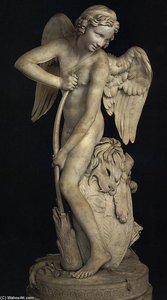
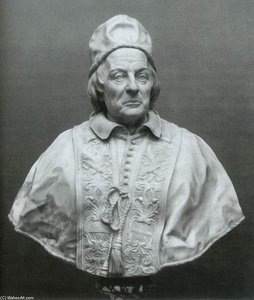
The evolution of Bouchardon’s technique is most vividly captured in his ability to marry monumental scale with startlingly intimate realism. His Roman apprenticeship bore fruit in works of immense technical difficulty, such as his celebrated sculpture of Pope Benedict XIII, a commission that showcased his capacity for capturing both the dignity of office and the subtle nuances of human character. However, it was his later works that truly signaled a departure from the idealized, often saccharine representations of his era. One of his most provocative achievements, Cupid fashioning a bow out of the club of Hercules (1746), serves as a manifesto for his artistic philosophy. In this piece, Bouchardon challenged the prevailing conventions by introducing an unsettling, raw realism to mythological subjects. By presenting figures that felt grounded in physical reality rather than mere fantasy, he paved the way for a new era of naturalism. His work often featured:- Anatomical Precision: A relentless focus on the underlying structure of the human body to convey weight and movement.
- Classical Restraint: The rejection of unnecessary ornamentation in favor of clean lines and balanced proportions.
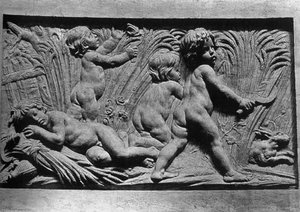
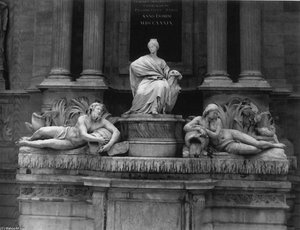
- Architectural Integration: A seamless blending of sculptural elements with larger structural designs, most notably seen in his contributions to the Fontaine des Quatre-Saisons.
Historical Significance and Artistic Endurance
Bouchardon’s influence extended far beyond the medium of stone and marble. He was a versatile designer whose eye for detail graced everything from intricate medals to grand urban monuments. His ability to translate the grandeur of the Baroque into the disciplined language of Neoclassicism made him a bridge between two worlds, providing a necessary link that allowed French art to evolve without losing its connection to classical heritage. As we reflect on his life, which concluded in 1762, we see an artist who refused to succumb to the fleeting trends of fashion. Instead, he pursued a timelessness found in the balance of nature and the rigor of antiquity. His legacy remains etched in the very fabric of French sculptural history, reminding us that true beauty is found not in decoration, but in the honest representation of form, strength, and the enduring human spirit.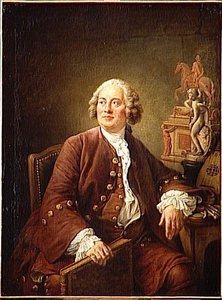
Edmé Bouchardon
1698 - 1762 , France
Quick Facts
- Artistic Movement Or Style: Neoclassical & Baroque
- Artists Or Movements Influenced By This Artist: ['Classical Art']
- Artists Who Influenced This Artist: ['Guillaume Coustou']
- Date Of Birth: 1698
- Date Of Death: 1762
- Full Name: Edmé Bouchardon
- Nationality: French
- Notable Artworks:
- Cupid fashioning a bow out of the club of Hercules
- Fontaine des quatre-saisons
- Louis XV equestrian statue
- Place Of Birth: Chaumont-sur-Loire, France
Related Articles

Giclée Prints: Archival Quality & Aesthetic Nuances for the Discerning Collector
Explore the world of giclée prints with ArtsDot. Learn about archival quality, aesthetic nuances & investment potential. Expert guidance for discerning art collectors seeking museum-quality reproductions and lasting value.
Leonardo da Vinci's Masterpieces: Explore 25 Iconic Artworks for Your Home | ArtsDot
Journey through Leonardo da Vinci's genius with our curated selection of 25 iconic artworks. Explore the stories behind Mona Lisa, The Last Supper & more Renaissance masterpieces. Find museum-quality art reproductions for your home at ArtsDot.com.

The Enduring Legacy of Fine Art Prints: Technique, History & Aesthetic Impact
Explore the rich history & techniques of fine art prints. Discover investment potential, assess authenticity, and learn how to preserve your collection with expert guidance. Trusted insights for discerning collectors.

Echoes of Time: Exploring the Enduring Appeal & Historical Context of Vintage Art Prints
Explore the captivating world of vintage art prints! Discover their history, collecting tips & enduring appeal. Expert insights on chromolithography and building a legacy collection with ArtsDot.
The Enduring Legacy of Printmaking: Techniques, Themes & Artistic Innovation Across Centuries
Explore the rich history of printmaking with ArtsDot. Discover techniques from intaglio to lithography, learn about collecting valuable prints & find museum-quality reproductions. Expert insights for art enthusiasts and collectors.