

 プレビュー
プレビュー
 シェアする
シェアする シェアする
シェアする
 詳細を見る
詳細を見る

 ダウンロード
 似ている作品
 X線調査
X線調査 スライドショー
 統計情報
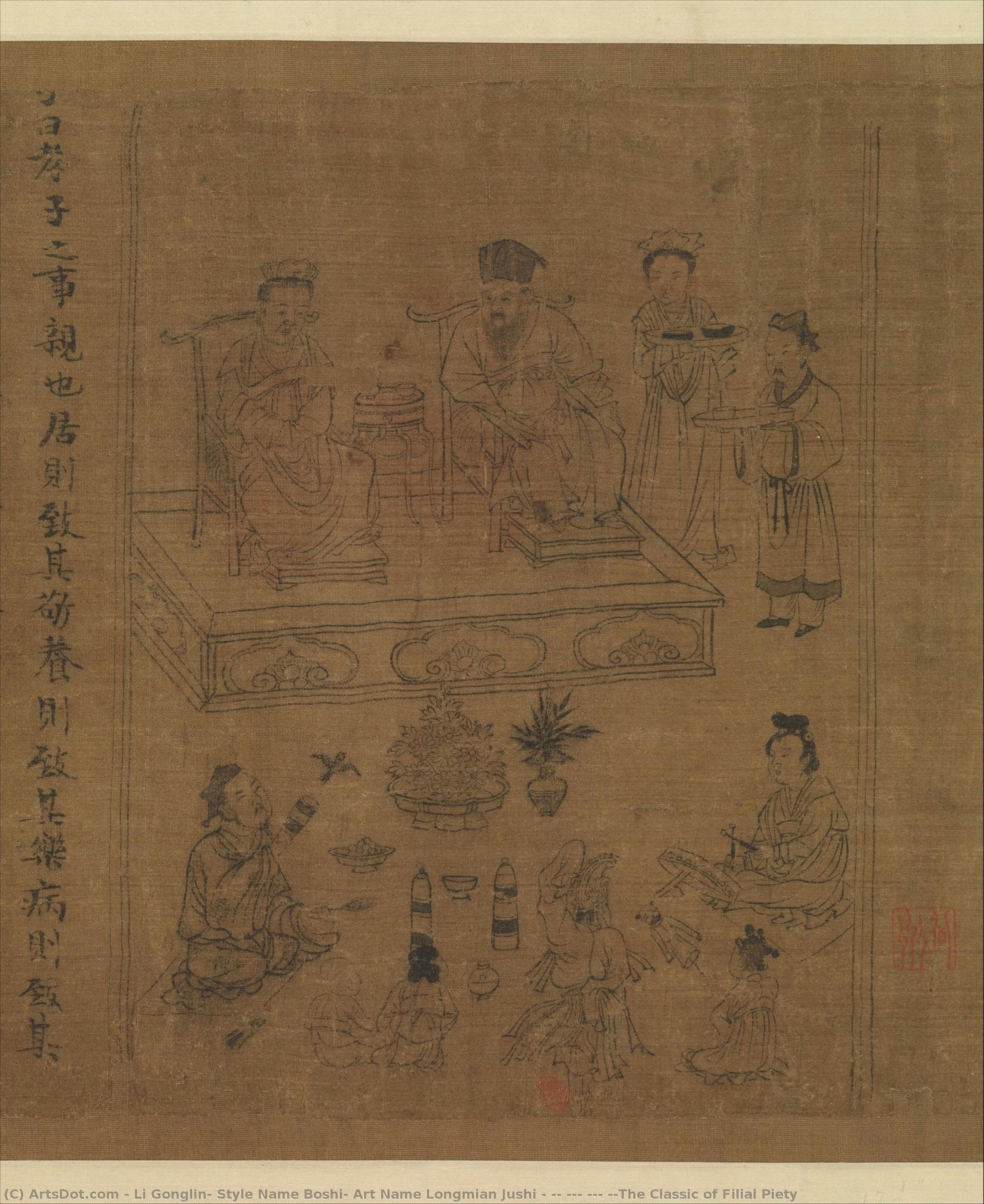
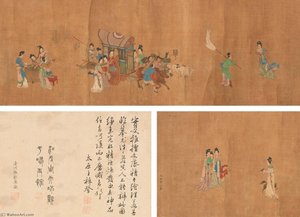
統計情報北宋 李公麟 孝經圖 卷|The Classic of Filial Piety
 Ink On Paper
- Traditional Chinese Painting
 1085
1085- High Medieval
 21.0 x 475.0 cm
 メトロポリタン美術館
 詳細を見る
詳細を見る
オンラインプレビューをはるかに凌ぐ、高解像度で鮮明なデジタル画像をご購入いただけます。
各ファイルは、社内の専門家が高度なツールと熟練した手作業によるレタッチを用いて、細心の注意を払って準備されています。すべての画像において、卓越した鮮明度、正確な色彩再現性、そして繊細なディテールを保証いたします。
最終ファイルは、プロフェッショナルな編集・印刷環境ですぐにご利用いただけるよう最適化された状態で、72時間以内にメールにてお届けいたします。これは、一流のデザインスタジオ、出版社、ギャラリーから信頼されているものと同等の品質です。
デジタルアート
個人での鑑賞、印刷、クリエイティブなプロジェクト用に、高解像度ファイルをダウンロードできます。 ( プリント版に切り替え 手描きの絵画を購入)
デジタル画像のご注文に付随する特典
高品質なデジタル画像配信を、確かな品質で。
ArtsDot.com を選ぶことは、単に画像を手に入れることではありません。それは、プロの手によって精密に仕上げられ、満足保証が付いた高品質なデジタルアートワークを受け取ることを意味します。ご注文いただいた際に自動的に付随する内容は、以下の通りです:

メールですぐにお届け
ご注文から72時間以内に、高解像度のデジタル画像ファイルがメールでお手元に届きます。すぐにそのままご利用いただけます。

AI技術で最適化されたデジタルファイル
お客様の作品は、高度なAIツールと専門家による手作業の編集を組み合わせてプロフェッショナルに最適化されており、細部のディテール、鮮明さ、そして正確な色再現性を最大限に引き出しています。

一生涯無料の再送サービス
ファイルを誤って削除したり、紛失してしまったりしましたか?ご安心ください。いつでも無料で再送いたします。

輸入手数料は一切かかりません
関税や手数料、配送料を気にすることなく、お気に入りのアートワークをすぐにお楽しみいただけます。デジタルダウンロードは常に免税です。

色彩再現の保証
プロ仕様のツールとカラーマネジメント技術を用いることで、デジタル画像が元の色を最大限に忠実に再現することを保証いたします。

100日間満足保証
ご購入いただいたデジタル画像にご満足いただけない場合は、100日以内であれば、理由を問わず修正または100%の返金対応をさせていただきます。

100% 返金保証
ご満足いただけない場合は、デジタルファイルを受け取ってから100日以内であれば、理由を問わず全額返金いたします。

まとめ買い割引
3枚購入で10%OFF - 5枚購入で15%OFF - 10枚以上購入で20%OFF。クリエイティブなプロジェクト、ギャラリー、エージェンシーに最適です。
A Glimpse into Imperial Reverence: The Art of Li Gonglin
To stand before a depiction such as The Classic of Filial Piety by Li Gonglin is to step across the threshold of time and into the rarefied atmosphere of the Northern Song court. This monumental work, dating back to 1085, is far more than a mere record of an event; it is a profound meditation on social order, filial piety, and the enduring elegance of classical Chinese life. Li Gonglin himself, known by his style name Boshi, remains one of the most revered figures in Chinese art history. His brushwork possesses a unique quality—a refined delicacy that speaks not only of technical mastery but also of deep scholarly contemplation.
Mastery in Ink and Atmosphere: Technique and Composition
The visual experience is immediately captivating, dominated by the sophisticated interplay of monochrome ink washes and subtle color accents. The technique employed here showcases Li Gonglin’s unparalleled command over the brush. Observe how the artist builds depth not through Western perspective, but through meticulous layering and overlapping forms—a hallmark of traditional Chinese painting. The composition is richly populated; figures are arranged in a dense, harmonious tableau where every robe fold, every offering, and every gesture contributes to the overall narrative weight. The ink washes create an ethereal luminosity, suggesting diffused light within an important hall, allowing the viewer’s eye to wander across the scene while remaining anchored by the formal structure of the gathering.
The Weight of Tradition: Symbolism and Context
The subject matter itself—a depiction centered around filial piety—grounds the piece in deep Confucian tradition. The official receiving offerings is not just a portrait; it is a visual articulation of societal values, where respect and duty are paramount. Every element carries symbolic weight: the attire denotes status, the gathered individuals represent community structure, and the very act of presenting gifts speaks to the enduring bond between generations. For the modern collector or designer, this piece offers an unparalleled connection to a civilization that placed such profound emphasis on moral conduct as its highest art form.
An Echo of Elegance for Contemporary Spaces
While originating from a specific historical moment, the emotional resonance of this artwork transcends its era. It evokes feelings of solemnity, quiet reverence, and structured beauty. For an interior space seeking to imbue it with cultural depth, intellectual gravitas, or an air of timeless East Asian sophistication, a reproduction of this work serves as a magnificent focal point. The restrained palette and the inherent formality lend themselves beautifully to both grand halls and intimate scholarly studies, whispering tales of Song Dynasty refinement.
関連作品

作家の略歴
The Refined Brush of Li Gonglin: A Legacy of Song Dynasty Scholarship
Li Gonglin, formally known as Longmian Jushi (meaning “Old Man with the Dragon Face”), and bearing the style name Boshi, stands as a towering figure in the landscape of Chinese painting during the Northern Song dynasty. Born sometime around 1009 – the exact date remains elusive – his life coincided with a period of immense cultural flourishing, yet also one marked by political turmoil that profoundly shaped his artistic vision. Unlike many artists who enjoyed patronage from the imperial court or wealthy collectors, Li Gonglin’s path was one of scholarly independence and deliberate stylistic choices rooted in a deep reverence for earlier masters. He died in 1085, leaving behind a body of work characterized by meticulous detail, restrained elegance, and an unwavering commitment to representing nature with both accuracy and philosophical depth.Early Life and Scholarly Pursuits
Li Gonglin hailed from a family of modest means but possessed a keen intellect and an insatiable thirst for knowledge. He dedicated his life to the study of calligraphy, painting, poetry, and history, passing the imperial examinations at a relatively late age – a testament to his focused dedication rather than early brilliance. This delay, however, proved formative. It allowed him ample time to cultivate his artistic skills and develop a unique aesthetic sensibility. He was deeply influenced by the intellectual climate of the Song dynasty, which emphasized Neo-Confucianism and a return to classical values. His scholarly background wasn’t merely an accompaniment to his art; it *was* his art. He believed that painting should serve as a vehicle for expressing moral principles and reflecting upon the natural world with profound understanding. He never held high office, preferring instead to live a life of quiet contemplation and artistic creation, traveling extensively throughout China and observing nature firsthand.A Style Forged in Tradition: Embracing the Ancients
Li Gonglin’s painting style is often described as a deliberate revival of earlier traditions, particularly those of the Five Dynasties period (907-960). He consciously rejected the prevailing trends of his time – the opulent and decorative styles favored by many court painters. Instead, he turned to the works of artists like Zhan Ziqian, known for his precise depictions of horses, and Fan Kuan, celebrated for his monumental landscapes. He meticulously copied their paintings, not as an act of imitation but as a form of rigorous training and scholarly investigation. This dedication led him to develop a distinctive technique characterized by fine, controlled brushwork, subtle ink washes, and a remarkable attention to detail. His subjects were primarily landscapes, bamboo, plum blossoms, and horses – all imbued with symbolic meaning deeply rooted in Chinese culture. Horses, for example, represented strength, loyalty, and the spirit of freedom, while bamboo symbolized resilience, integrity, and scholarly virtue.Major Achievements and Artistic Characteristics
Li Gonglin’s most celebrated works demonstrate his mastery of ink painting techniques and his ability to convey both physical reality and philosophical depth. His landscapes are not simply representations of scenic views; they are carefully constructed compositions that evoke a sense of tranquility, harmony, and the interconnectedness of all things. He employed a technique known as “dabi” (large brush) combined with “xiaomo” (light ink), creating paintings with layered textures and subtle tonal variations. His bamboo paintings are equally remarkable for their delicate lines, expressive forms, and evocative atmosphere.- The Pine Tree in the Clouds: This painting exemplifies his ability to capture the essence of nature through minimalist brushwork.
- Horses Grazing in a Pasture: A testament to his meticulous observation and understanding of equine anatomy.
- Landscape after Fan Kuan: Demonstrates his reverence for earlier masters while showcasing his own unique style.
Historical Significance and Enduring Legacy
Li Gonglin’s influence on subsequent generations of Chinese painters is immeasurable. He established a new standard for scholarly painting, emphasizing the importance of intellectual rigor, technical mastery, and moral integrity. His deliberate rejection of prevailing trends paved the way for a revival of classical styles and inspired countless artists to pursue their own unique visions. He is considered one of the “Four Masters of the Song Dynasty,” alongside Guo Xi, Wang Meng, and Fan Kuan – a testament to his enduring legacy and profound impact on Chinese art history. His paintings continue to be admired today for their beauty, elegance, and philosophical depth, serving as a powerful reminder of the importance of tradition, scholarship, and artistic excellence. He didn’t just paint what he saw; he painted what he *understood*, imbuing his works with a timeless quality that resonates with viewers centuries later.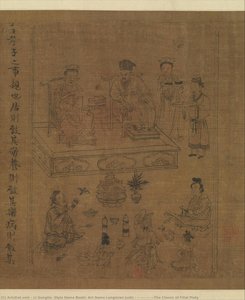
プロフィール概要
- Art Name: Longmian Jushi
- Artistic Movement Or Style: Song Dynasty painting
- Date Of Birth: (Unknown)
- Date Of Death: Living
- Full Name: Li Gonglin
- Notable Artworks:
- Pine and Crane in Snow
- Lofty Bamboo
- Nine Dragons Scroll
- Style Name: Boshi