

 プレビュー
プレビュー
 プリントを購入
 シェアする
シェアする シェアする
シェアする
 詳細を見る
詳細を見る

 ダウンロード
 似ている作品
 X線調査
X線調査 スライドショー
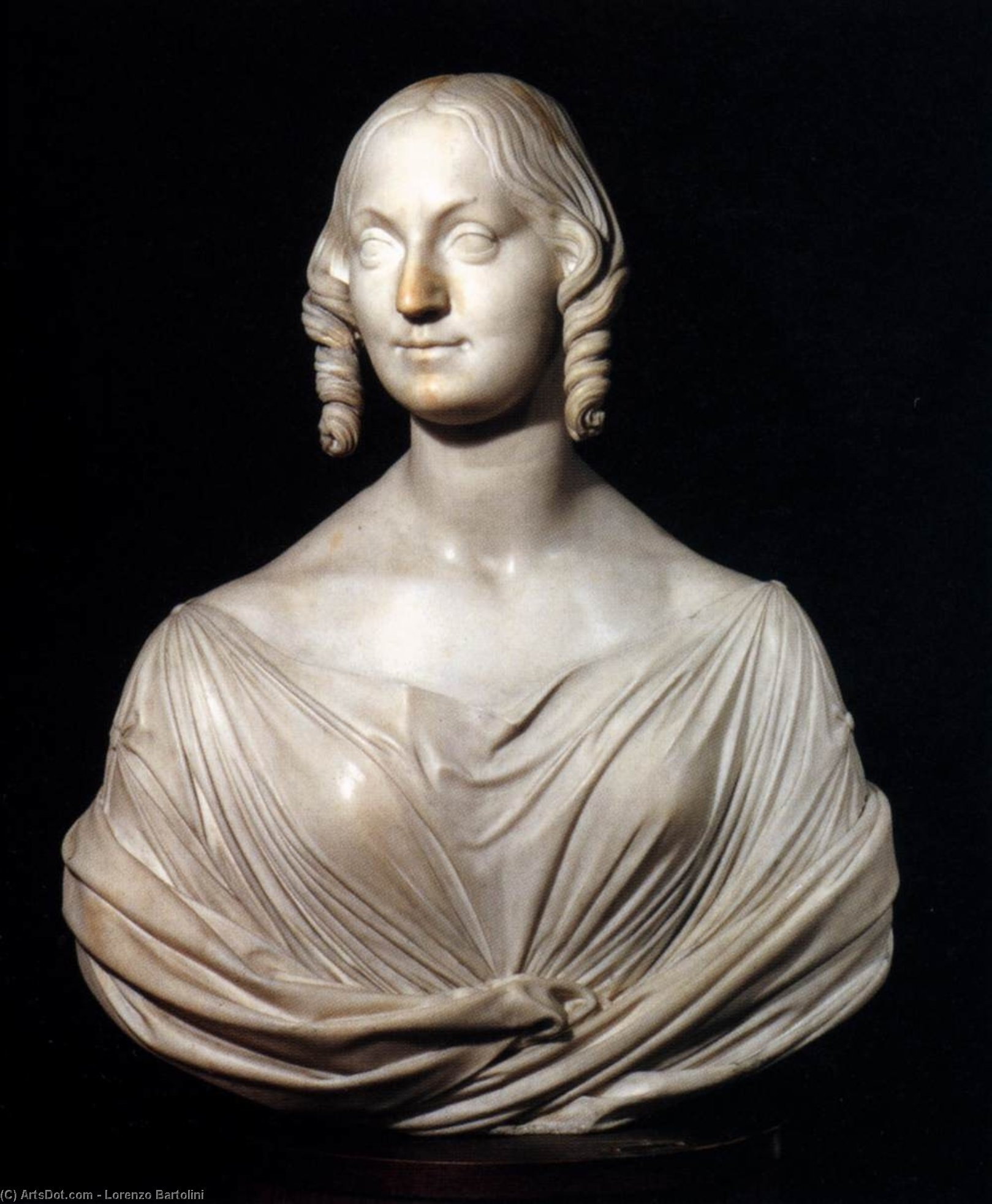
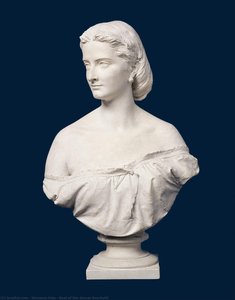
Bust of Rosa Trivulzio Poldi Pezzoli


 詳細を見る
詳細を見る




































作品のオリジナル比率に合わせた、当店の規定サイズからお選びください。

特定のフレームやスペースに合わせて、ご希望のサイズをご入力いただけます。選択されたサイズが元の画像の比率と異なる場合、アートワークをトリミングするか、手描きで要素を追加して絵画を拡張いたします。デジタルモックアップ を制作し、制作開始前にご確認(承認)をいただきます。
画面上のプレビューは、実際のトリミングや拡張を正確に反映しているものではありません。最終的な構図は、モックアップによってのみ正確にご確認いただけます。
カスタムサイズもご利用いただけますが、元の比率を維持するためには、あらかじめ用意されたリストからサイズを選択することをお勧めいたします。
ご注文後、ArtsDot.com チームより詳細な指示をお送りするとともに、仕上がりイメージ(モックアップ)をご提供いたします。


 ガラスオプションは、110cm未満のサイズでのみご利用いただけます。

Bust of Rosa Trivulzio Poldi Pezzoli
複製技法
複製画のサイズ
-


合計金額
$ 263
関連作品






アーティストの略歴
Early Life and Artistic Formation
Lorenzo Bartolini emerged onto the Italian art scene at a pivotal moment, born in 1777 in the Tuscan town of Vernio, near Prato. His initial artistic training took place within the esteemed Florentine Academy of Fine Arts, where he quickly distinguished himself through an exceptional aptitude for modeling, particularly with alabaster—a material that would become intimately linked to his early style. This foundational period instilled in him a reverence for classical forms and techniques, yet even then, hints of a unique sensibility began to surface. A dramatic turn arrived in 1797 when Bartolini found himself amidst the tumultuous landscape of Napoleonic France, serving as a drummer within Bonaparte’s army. This experience, far removed from the serene studios of Florence, broadened his horizons and ultimately led him to Paris—a burgeoning center for artistic innovation. In Paris, he pursued formal studies in painting under Frédéric Desmarais and sculpture under François-Frédéric Lemot, absorbing diverse influences that would shape his evolving aesthetic vision. It was here, in 1803, with the creation of the bas-relief Cleobis and Biton, that Bartolini truly established his reputation as a sculptor of considerable talent, attracting the attention of influential patrons who recognized the promise within his work.A Career Under Napoleonic Patronage and Beyond
Bartolini’s career flourished under the patronage of Napoleon Bonaparte, an era marked by grand artistic commissions designed to celebrate imperial power and glory. He contributed significantly to monumental projects such as the bas-relief depicting the Battle of Austerlitz for the iconic Vendôme Column—a testament to his technical skill and ability to translate historical narratives into compelling sculptural form. Beyond these large-scale endeavors, Bartolini also excelled in portraiture, crafting busts of prominent figures like composers Méhul and Cherubini, solidifying his position within Parisian artistic circles. A significant turning point arrived in 1807 when, through the recommendation of Napoleon’s sister Elisa Baciocchi, he was appointed Director of the School of Sculpture at the Accademia Carrara in Bergamo. This appointment, despite initial resistance from local factions, underscored Bartolini's rising stature and allowed him to exert a considerable influence on the next generation of Italian sculptors. He remained in this role until after Napoleon’s fall, continuing to serve as a favored portraitist for the Bonaparte family during a period of immense political upheaval. This close association with the Bonapartes would later shape his artistic trajectory and reception within Italy.Blending Neoclassicism with Naturalism: A Distinctive Style
Bartolini’s artistic style occupies a fascinating space within the broader context of 19th-century sculpture. While firmly rooted in the principles of Neoclassicism, his work transcends strict adherence to Canovan ideals—the dominant force in Italian sculpture at the time. He infused his creations with a sentimental piety and a remarkable degree of naturalistic detail, distinguishing him from contemporaries who prioritized cold perfection and idealized forms. Instead of solely looking to classical antiquity, Bartolini drew inspiration from the Florentine Renaissance sculptors like Verrocchio, embracing a more dynamic and emotionally resonant approach. This unique blend is particularly evident in his monumental works, such as the Monument to Princess Sophia Zamoyska in Santa Croce, Florence (1837). The sculpture exemplifies his naturalistic tendencies, departing from rigid classical conventions while retaining a sense of grace and dignity. Another significant achievement, the Demidoff Table (1845), showcases his mastery of marble carving and complex composition—a project that occupied him for many years and stands as a testament to his dedication and skill. His portrait busts, numerous throughout his career, are characterized by their sensitivity and ability to capture the individual essence of each sitter. Elisa and her Daughter Napoléonne, a monumental Neoclassical marble sculpture, further demonstrates Bartolini’s dynamic form and classical themes.Legacy and Historical Significance
In 1833, Bartolini was honored with an election as an honorary member of the National Academy of Design—a recognition of his growing international reputation. He eventually settled in Florence, but faced challenges due to his Bonapartist associations and artistic divergence from the prevailing Canovan style favored by the academy. Despite these obstacles, he continued to receive commissions, particularly from foreign patrons who appreciated his unique vision. Bartolini’s work represents a crucial transition within Neoclassical sculpture, foreshadowing later artistic movements through its incorporation of naturalism and sentimentality. He bridged the gap between the idealized forms of the past and the more emotionally expressive styles that would emerge in the latter half of the 19th century. His death in Florence in 1850 marked the end of a remarkable career, leaving behind a legacy of significant sculptures and a distinctive artistic voice within the Italian art world. Today, Bartolini is remembered not only for his technical brilliance but also for his ability to infuse classical ideals with individual expression—a quality that continues to resonate with scholars and art enthusiasts alike. His works stand as compelling examples of an artist who dared to forge his own path, blending tradition with innovation and leaving an indelible mark on the landscape of Italian sculpture.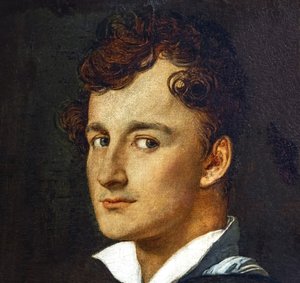
Lorenzo Bartolini
1777 - 1850 , Italy
基本情報
- Artistic Movement Or Style: Neoclassical sculpture
- Artists Or Movements Influenced By This Artist: ['Later artistic movements']
- Artists Who Influenced This Artist: ['Verrocchio']
- Date Of Birth: January 7, 1777
- Date Of Death: 1850
- Full Name: Lorenzo Bartolini
- Nationality: Italian
- Notable Artworks:
- Cleobis and Biton
- Tomb of Sophia Zamoyska
- Demidoff Table
- Elisa & Daughter
- L'ammostatore
- Place Of Birth: Vernio, Italy

