

 プレビュー
プレビュー
 プリントを購入
 シェアする
シェアする シェアする
シェアする
 詳細を見る
詳細を見る

 ダウンロード
 似ている作品
 X線調査
X線調査 スライドショー
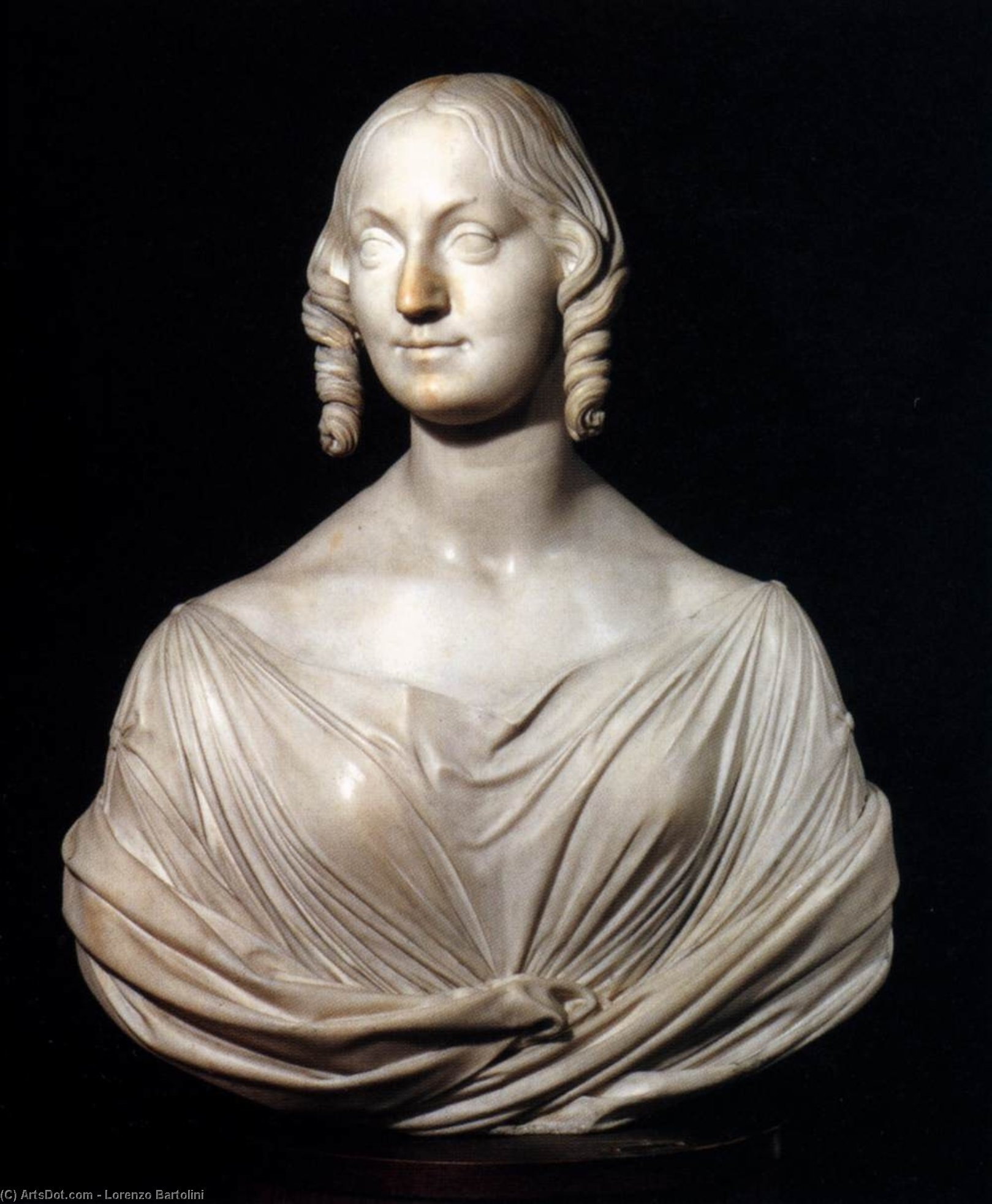
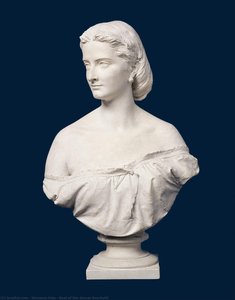
Bust of Rosa Trivulzio Poldi Pezzoli


 詳細を見る
詳細を見る
オンラインプレビューをはるかに凌ぐ、高解像度で鮮明なデジタル画像をご購入いただけます。
各ファイルは、社内の専門家が高度なツールと熟練した手作業によるレタッチを用いて、細心の注意を払って準備されています。すべての画像において、卓越した鮮明度、正確な色彩再現性、そして繊細なディテールを保証いたします。
最終ファイルは、プロフェッショナルな編集・印刷環境ですぐにご利用いただけるよう最適化された状態で、72時間以内にメールにてお届けいたします。これは、一流のデザインスタジオ、出版社、ギャラリーから信頼されているものと同等の品質です。
デジタル画像のご注文に付随する特典
高品質なデジタル画像配信を、確かな品質で。
ArtsDot.com を選ぶことは、単に画像を手に入れることではありません。それは、プロの手によって精密に仕上げられ、満足保証が付いた高品質なデジタルアートワークを受け取ることを意味します。ご注文いただいた際に自動的に付随する内容は、以下の通りです:

メールですぐにお届け
ご注文から72時間以内に、高解像度のデジタル画像ファイルがメールでお手元に届きます。すぐにそのままご利用いただけます。

AI技術で最適化されたデジタルファイル
お客様の作品は、高度なAIツールと専門家による手作業の編集を組み合わせてプロフェッショナルに最適化されており、細部のディテール、鮮明さ、そして正確な色再現性を最大限に引き出しています。

一生涯無料の再送サービス
ファイルを誤って削除したり、紛失してしまったりしましたか?ご安心ください。いつでも無料で再送いたします。

輸入手数料は一切かかりません
関税や手数料、配送料を気にすることなく、お気に入りのアートワークをすぐにお楽しみいただけます。デジタルダウンロードは常に免税です。

色彩再現の保証
プロ仕様のツールとカラーマネジメント技術を用いることで、デジタル画像が元の色を最大限に忠実に再現することを保証いたします。

60日間満足保証
ご購入いただいたデジタル画像にご満足いただけない場合は、60日以内であれば、修正または100%の返金(理由を問う必要はありません)をさせていただきます。

100% 返金保証
ご満足いただけない場合は、デジタルファイルを受け取ってから60日以内であれば、理由を問わず全額返金いたします。

まとめ買い割引
3枚購入で10%OFF - 5枚購入で15%OFF - 10枚以上購入で20%OFF。クリエイティブなプロジェクト、ギャラリー、エージェンシーに最適です。
関連作品






作家の略歴
Early Life and Artistic Formation
Lorenzo Bartolini emerged onto the Italian art scene at a pivotal moment, born in 1777 in the Tuscan town of Vernio, near Prato. His initial artistic training took place within the esteemed Florentine Academy of Fine Arts, where he quickly distinguished himself through an exceptional aptitude for modeling, particularly with alabaster—a material that would become intimately linked to his early style. This foundational period instilled in him a reverence for classical forms and techniques, yet even then, hints of a unique sensibility began to surface. A dramatic turn arrived in 1797 when Bartolini found himself amidst the tumultuous landscape of Napoleonic France, serving as a drummer within Bonaparte’s army. This experience, far removed from the serene studios of Florence, broadened his horizons and ultimately led him to Paris—a burgeoning center for artistic innovation. In Paris, he pursued formal studies in painting under Frédéric Desmarais and sculpture under François-Frédéric Lemot, absorbing diverse influences that would shape his evolving aesthetic vision. It was here, in 1803, with the creation of the bas-relief Cleobis and Biton, that Bartolini truly established his reputation as a sculptor of considerable talent, attracting the attention of influential patrons who recognized the promise within his work.A Career Under Napoleonic Patronage and Beyond
Bartolini’s career flourished under the patronage of Napoleon Bonaparte, an era marked by grand artistic commissions designed to celebrate imperial power and glory. He contributed significantly to monumental projects such as the bas-relief depicting the Battle of Austerlitz for the iconic Vendôme Column—a testament to his technical skill and ability to translate historical narratives into compelling sculptural form. Beyond these large-scale endeavors, Bartolini also excelled in portraiture, crafting busts of prominent figures like composers Méhul and Cherubini, solidifying his position within Parisian artistic circles. A significant turning point arrived in 1807 when, through the recommendation of Napoleon’s sister Elisa Baciocchi, he was appointed Director of the School of Sculpture at the Accademia Carrara in Bergamo. This appointment, despite initial resistance from local factions, underscored Bartolini's rising stature and allowed him to exert a considerable influence on the next generation of Italian sculptors. He remained in this role until after Napoleon’s fall, continuing to serve as a favored portraitist for the Bonaparte family during a period of immense political upheaval. This close association with the Bonapartes would later shape his artistic trajectory and reception within Italy.Blending Neoclassicism with Naturalism: A Distinctive Style
Bartolini’s artistic style occupies a fascinating space within the broader context of 19th-century sculpture. While firmly rooted in the principles of Neoclassicism, his work transcends strict adherence to Canovan ideals—the dominant force in Italian sculpture at the time. He infused his creations with a sentimental piety and a remarkable degree of naturalistic detail, distinguishing him from contemporaries who prioritized cold perfection and idealized forms. Instead of solely looking to classical antiquity, Bartolini drew inspiration from the Florentine Renaissance sculptors like Verrocchio, embracing a more dynamic and emotionally resonant approach. This unique blend is particularly evident in his monumental works, such as the Monument to Princess Sophia Zamoyska in Santa Croce, Florence (1837). The sculpture exemplifies his naturalistic tendencies, departing from rigid classical conventions while retaining a sense of grace and dignity. Another significant achievement, the Demidoff Table (1845), showcases his mastery of marble carving and complex composition—a project that occupied him for many years and stands as a testament to his dedication and skill. His portrait busts, numerous throughout his career, are characterized by their sensitivity and ability to capture the individual essence of each sitter. Elisa and her Daughter Napoléonne, a monumental Neoclassical marble sculpture, further demonstrates Bartolini’s dynamic form and classical themes.Legacy and Historical Significance
In 1833, Bartolini was honored with an election as an honorary member of the National Academy of Design—a recognition of his growing international reputation. He eventually settled in Florence, but faced challenges due to his Bonapartist associations and artistic divergence from the prevailing Canovan style favored by the academy. Despite these obstacles, he continued to receive commissions, particularly from foreign patrons who appreciated his unique vision. Bartolini’s work represents a crucial transition within Neoclassical sculpture, foreshadowing later artistic movements through its incorporation of naturalism and sentimentality. He bridged the gap between the idealized forms of the past and the more emotionally expressive styles that would emerge in the latter half of the 19th century. His death in Florence in 1850 marked the end of a remarkable career, leaving behind a legacy of significant sculptures and a distinctive artistic voice within the Italian art world. Today, Bartolini is remembered not only for his technical brilliance but also for his ability to infuse classical ideals with individual expression—a quality that continues to resonate with scholars and art enthusiasts alike. His works stand as compelling examples of an artist who dared to forge his own path, blending tradition with innovation and leaving an indelible mark on the landscape of Italian sculpture.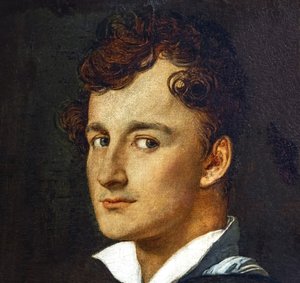
Lorenzo Bartolini
1777 - 1850 , Italy
プロフィール概要
- Artistic Movement Or Style: Neoclassical sculpture
- Artists Or Movements Influenced By This Artist: ['Later artistic movements']
- Artists Who Influenced This Artist: ['Verrocchio']
- Date Of Birth: January 7, 1777
- Date Of Death: 1850
- Full Name: Lorenzo Bartolini
- Nationality: Italian
- Notable Artworks:
- Cleobis and Biton
- Tomb of Sophia Zamoyska
- Demidoff Table
- Elisa & Daughter
- L'ammostatore
- Place Of Birth: Vernio, Italy

