

 プレビュー
プレビュー
 シェアする
シェアする シェアする
シェアする
 詳細を見る
詳細を見る

 ダウンロード
 似ている作品
 X線調査
X線調査 スライドショー
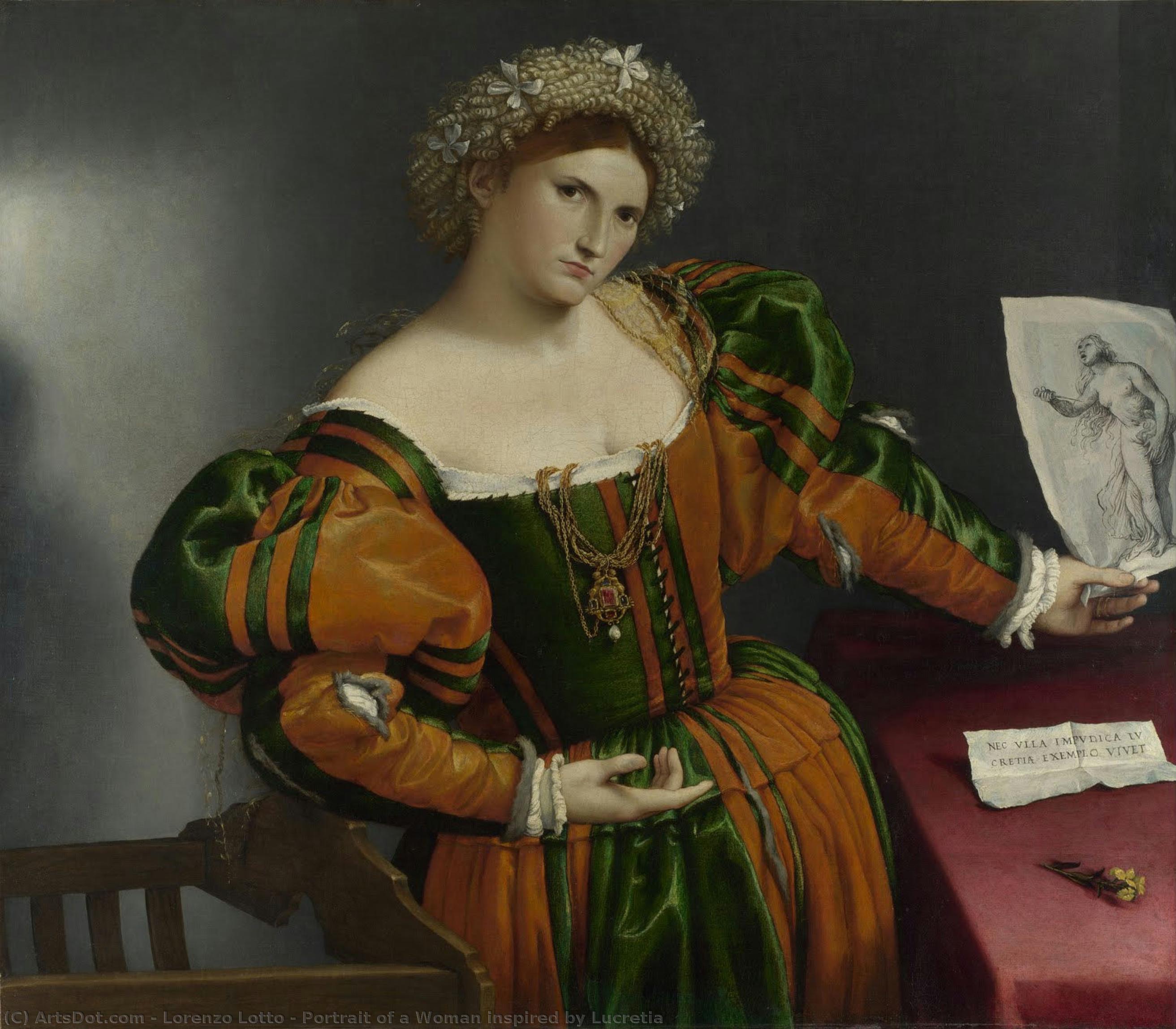
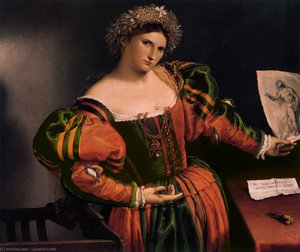
Portrait of a Woman inspired by Lucretia
 Acrylic On Canvas
- WallArt
- Renaissance Mannerism
 1530
1530 96.0 x 110.0 cm
 ナショナル・ギャラリー
 詳細を見る
詳細を見る
ジークレー/アートプリント
迅速な制作と多彩な仕上げオプションを備えた、ミュージアムクオリティのジークレーまたはキャンバスプリント。 ( 手描きの絵画を購入 画像を購入)




P118B $10

P118H $10

P118W $10

P438Z $10

P508JH $12

P508YH $12

P805H $10

P805Z $10

P919BZ $10

P919G $10

P919XJ $10

P959ZH $10

P968JZ $12

W106C $8

W218G $10

W218JH $8

W218Y $10

W307PJ $10

W316G $10

W316PJ $8

W316Y $10

W398PJ $8

W4111J $10

W500HY $15

W500JH $15

W692G $12

W849H $8

W940BG $15

W953PJ $8




作品のオリジナル比率に合わせた、当店の規定サイズからお選びください。

特定のフレームやスペースに合わせて、ご自身でサイズを指定することも可能です。選択されたサイズが元の画像の比率と一致しない場合、作品をトリミングするか、鏡面反射または単色での塗りつぶしによって画像を拡張いたします。制作を開始する前に、ご確認用のデジタルモックアップをお送りいたします。
画面上のプレビューには、実際のトリミングや拡張は反映されませんのでご注意ください。最終的な構図を正確に確認できるのは、モックアップのみとなります。
カスタムサイズも承っておりますが、元の比率を維持するためには、あらかじめ用意されたリストからサイズを選択することをお勧めいたします。


 ガラスオプションは、110cm未満のサイズでのみご利用いただけます。

Portrait of a Woman inspired by Lucretia
ジークレー/アートプリント
複製画のサイズ
-


合計金額
$ 62
Lorenzo Lotto’s Emblematic Portrait: A Meditation on Virtue and Remembrance
Lorenzo Lotto’s *Portrait of a Woman Inspired by Lucretia*, completed around 1533, stands as a testament to the artist's singular vision within the burgeoning Renaissance landscape. Currently housed in the National Gallery, London—a fortunate acquisition that allows for ongoing scholarly scrutiny—this painting transcends mere likeness; it embodies a profound engagement with humanist ideals and biblical allegory, cementing Lotto’s place among Venice’s most influential painters of his era. The artwork's allure lies not only in its exquisite execution but also in the layered narrative woven into its visual elements.A Study in Delicate Color and Transparent Technique
Lotto’s masterful technique is immediately apparent upon observation. He eschewed the prevailing monochrome tendencies of his time, opting instead for a vibrant palette dominated by shimmering greens and warm oranges—a deliberate choice that reflects both the natural beauty of Lotto's Venetian surroundings and an artistic desire to convey luminosity and grace. Crucially, Lotto employed a revolutionary approach: he initially conceived Lucretia’s depiction in color, utilizing thin glazes of pigment that allowed for remarkable transparency. This technique—characteristic of Lotto’s oeuvre—revealed the underlying preparatory sketch beneath the surface, demonstrating his meticulous process and highlighting the artist's commitment to capturing subtle nuances of light and texture. The resulting image possesses an ethereal quality, mirroring the contemplative mood conveyed by the sitter herself.The Symbolism of Lucretia: Courage and Sacrifice
The portrait’s subject matter is inextricably linked to Roman mythology—specifically, the tale of Lucretia, a noblewoman who bravely defended her honor after being raped by Sextus Tarquinius Superbus, King of Etruria. Lotto subtly incorporates this narrative into his composition. The woman depicted holds a drawing portraying Lucretia poised to stab herself in defiance of tyranny. This image serves as a powerful emblem of virtue—Lucretia’s willingness to sacrifice her life for principle embodies the humanist values championed during the Renaissance. Lotto's decision to portray Lucretia not as a static figure but as an active participant in the drama underscores the importance of moral fortitude and resistance against oppression.Historical Context: Venice at the Crossroads
Lotto’s artistic output coincided with a period of significant intellectual ferment within Venice—a city grappling with the challenges posed by papal authority and navigating the turbulent currents of European politics. The humanist movement, fueled by rediscovered classical texts, exerted considerable influence on Venetian artists like Lotto, encouraging them to explore themes of human dignity and moral responsibility. Furthermore, Lotto’s own itinerant life—characterized by patronage shifts and artistic experimentation—reflects the broader dynamism of Renaissance culture. His work stands as a beacon of independent creativity amidst the formalized conventions of papal courts, demonstrating Lotto's unwavering commitment to forging his own distinctive artistic path.Emotional Resonance: Elegance and Contemplative Reflection
Ultimately, *Portrait of a Woman Inspired by Lucretia* succeeds in evoking a profound emotional response. The serene gaze of the sitter—coupled with the understated elegance of her costume—promotes a sense of contemplative reflection. Lotto’s skillful rendering captures not merely physical appearance but also inner character—suggesting an individual possessed of unwavering moral conviction and imbued with a quiet dignity. This painting invites viewers to contemplate themes of honor, sacrifice, and resilience—resonances that endure across centuries and continue to inspire admiration for Lotto's artistic genius.関連作品


アーティストの略歴
ヴェネツィアの放浪者:ロレンツォ・ロットの生涯と芸術
1480年頃、活気あふれるヴェネツィアに生まれたロレンツォ・ロットは、イタリア・ルネサンスにおいて独自の存在感を放つ画家として台頭しました。しかし、彼の芸術的旅路は、ラグーン都市の著名な工房にとどまらず、トレヴィーゾ、ローマ、ベルガモ、アンコーナといった都市を巡り、最終的にはロレートで修道士としての生活を見出すことになります。この遍歴的な人生は、彼の芸術的ビジョンに深く影響を与え、多様な様式の影響を受けながらも、独立した精神を育みました。初期の修行については不明な点が多いものの、ヴェネツィア派の巨匠ジョヴァンニ・ベッリーニから教えを受けたと考えられています。しかしロットは単なる模倣にとどまらず、独自のスタイルを確立しました。それは、盛期ルネサンスの優雅さと、萌芽的なマニエリスムの感覚が融合したものでした。伝統の融合:様式と影響
ロットの芸術的特徴は、多様な影響を見事に統合し、一貫性がありながらも深く個人的な美学を創造する能力にあります。初期作品には、ジョルジョーネの詩的な自然主義の影響が色濃く見られ、繊細な大気効果と叙情的な構図が印象的です。しかし、ローマ滞在は彼にラファエロの芸術との出会いをもたらし、彼の作品に新たな形式の明瞭さと構成上のバランスを与えました。その後、ベルガモでの長期滞在中に、ロンバルディア写実主義の影響を取り入れ、人物像に地に足の着いた現実感をもたらしました。この折衷的なアプローチは単なる寄せ集めではありません。ロットはこれらの影響を巧みに統合し、技術的に洗練され、感情的に共鳴する絵画を生み出しました。彼は遠近法を実験することを恐れず、しばしば珍しい視点を用いることで、ドラマや親密さを高めました。彼のパレットはヴェネツィアの色彩主義に根ざしていましたが、時代とともに進化し、ますます鮮やかで表現力豊かなものとなっていきました。ベルガモ時代に描かれた『スザンナと長老たち』は、この成熟を象徴しています。それは、光沢のある色彩と登場人物の感情に対する鋭い洞察力を備えた魅力的な物語です。魂の肖像:ロットの傑作
ロットは宗教画においても優れた才能を発揮しましたが、彼の真価が発揮されたのは、おそらく肖像画においてでしょう。彼は単なる外見だけでなく、被写体の内面を描き出す並外れた才能を持っていました。彼の肖像画は理想化されることは稀であり、代わりに、被写体すべての複雑さと脆弱性を提示しています。1527年に描かれた『金色の爪を持つ男』はその典型的な例です。小さな金の置物を手に持つ紳士の魅力的な研究作品で、その象徴性は解釈の余地がありますが、紛れもなく興味深いものです。被写体の視線は直接的で魅力的であり、知性と静かな熟考を伝えています。同様に、『37歳の男の肖像』は、ロットが衣服、姿勢、目の表情といった細部を通して個性を表現する能力を示しています。これらは単なる人物の描写ではありません。それらは彼らの魂への窓なのです。再発見された遺産:歴史的意義
生前にはかなりの評価を得ていたにもかかわらず、ロットの名声は1556年または1557年の彼の死後衰退しました。しばしば地方の教会や個人コレクションに分散された彼の作品は、何世紀にもわたってほとんど無視されていました。しかし、19世紀後半にバーナード・ベレンソンの画期的な研究が発表されるまで、ロットは大きな関心を集めませんでした。今日、彼はイタリア・ルネサンスで最も独創的で魅力的な芸術家の一人として認められています。彼のユニークな様式の影響の融合、心理的な深み、そして技術的な習熟度は、今もなお観客を魅了し、美術史家を刺激しています。彼は芸術的独立性の力を証明する存在です。放浪者でありながら、独自の道を切り開き、世界に消えることのない足跡を残しました。ロットの作品の再発見は、ルネサンスに対する私たちの理解を深め、複雑で多面的な芸術家を明らかにし、彼の作品は継続的な探求と感謝に値します。ロレンツォ・ロットは、その時代を超越した才能によって、美術史において特別な地位を確立しました。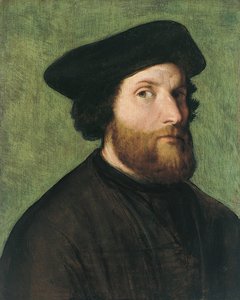
ロレンツォ・ロット
1480 - 1556 , イタリア
基本情報
- Artistic Movement Or Style: ルネサンス、マニエリスム
- Artists Who Influenced This Artist:
- ジョヴァンニ・ベッリーニ
- ジョルジョーネ
- コレッジョ
- パルマ・ヴェッキオ
- Date Of Birth: 1480年頃
- Date Of Death: 1556/57年
- Full Name: ロレンツォ・ロット
- Nationality: イタリア人
- Notable Artworks (List Of Titles):
- 聖ヒエロニムスと聖母子
- 美徳と悪徳の寓意
- 砂漠の聖ヒエロニムス
- 金色の爪を持つ男
- Place Of Birth (City And Country): イタリア、ヴェネツィア
関連記事
Verdant Visions: Exploring the Symbolism & Aesthetic Impact of Green in Art History
Explore the rich history & symbolism of green in art! Discover iconic paintings, techniques, and how to bring verdant harmony into your home with ArtsDot's expert guide.
Lorenzo Lotto: Unveiling the Enigma of a Venetian Master's Portraits
Explore the captivating world of Lorenzo Lotto, a Venetian Renaissance master renowned for his psychologically insightful portraits & enigmatic symbolism. Discover his life, style, and rediscovered legacy with ArtsDot.
Chrome Green Masterpieces: 10 Famous Paintings & Their Alluring Hues |
Explore 10 famous paintings where 'Chrome Green' reigns supreme! Discover Monet, Manet & Van Gogh’s masterpieces. Learn the stories behind these iconic artworks and find museum-quality art reproductions for your home at .

Emerald Visions: Top 10 Paintings Dominated by Cadmium Green |
Explore 10 iconic paintings where cadmium green reigns supreme! From Monet to Van Gogh, discover the stories behind these masterpieces & the power of color. Find museum-quality art reproductions and elevate your home decor on .
Echoes of Olympus: Mythological Narratives in Western Art Through the Ages
Explore the captivating history of mythological narratives in Western art! From ancient Greece to modern masterpieces, discover iconic artworks & symbolism. Expert analysis and high-quality reproductions at ArtsDot.