

 プレビュー
プレビュー
 プリントを購入
 シェアする
シェアする シェアする
シェアする
 詳細を見る
詳細を見る

 ダウンロード
 似ている作品
 X線調査
X線調査 スライドショー
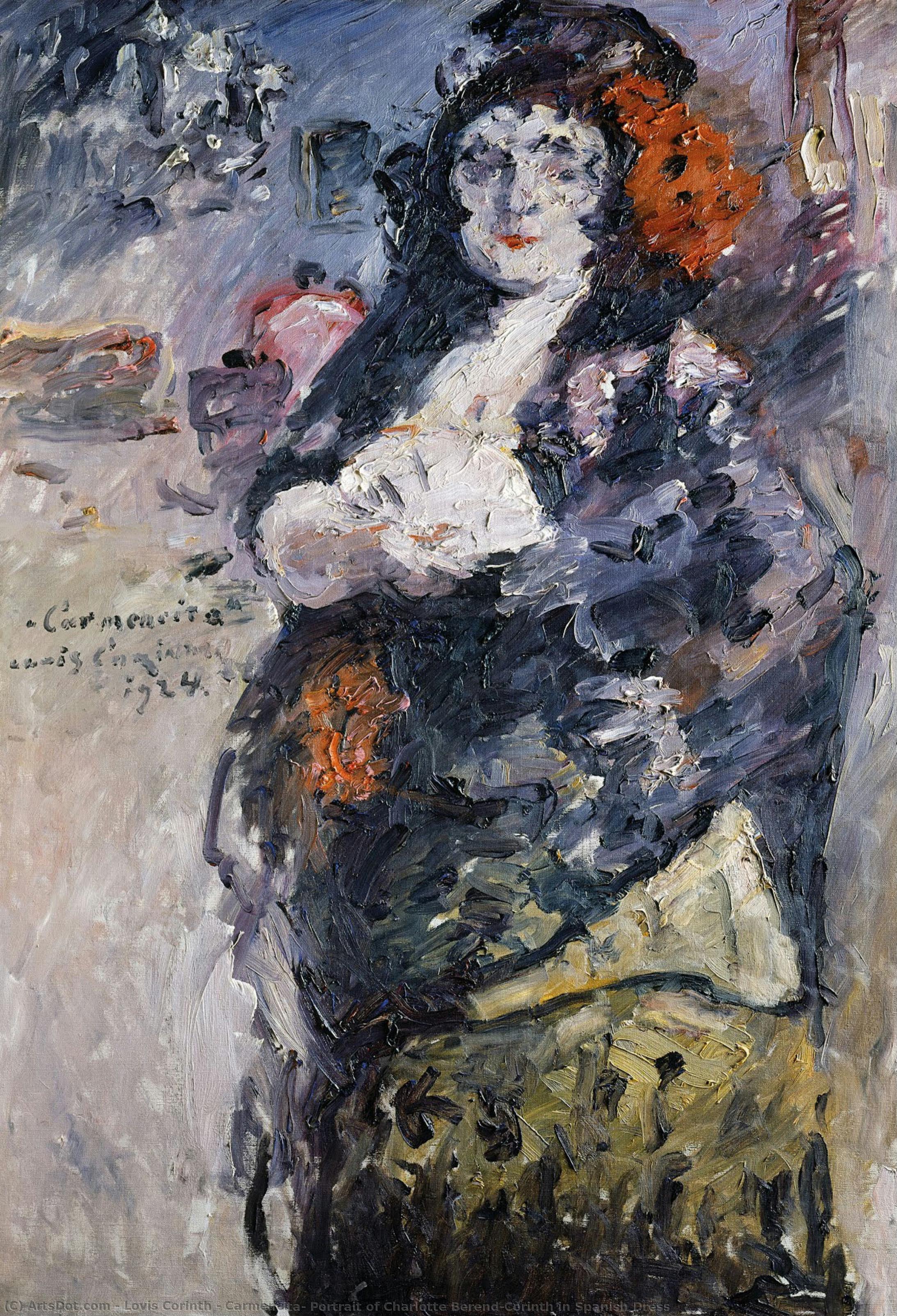
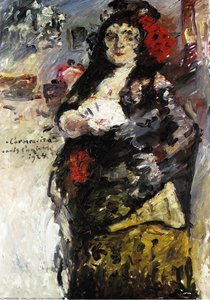
Carmencita, Portrait of Charlotte Berend-Corinth in Spanish Dress
 Acrylic
- WallArt
- Expressionism
 1924
1924 90.0 x 130.0 cm
 シュテデル美術館
 詳細を見る
詳細を見る
オンラインプレビューをはるかに凌ぐ、高解像度で鮮明なデジタル画像をご購入いただけます。
各ファイルは、社内の専門家が高度なツールと熟練した手作業によるレタッチを用いて、細心の注意を払って準備されています。すべての画像において、卓越した鮮明度、正確な色彩再現性、そして繊細なディテールを保証いたします。
最終ファイルは、プロフェッショナルな編集・印刷環境ですぐにご利用いただけるよう最適化された状態で、72時間以内にメールにてお届けいたします。これは、一流のデザインスタジオ、出版社、ギャラリーから信頼されているものと同等の品質です。
デジタル画像のご注文に付随する特典
高品質なデジタル画像配信を、確かな品質で。
ArtsDot.com を選ぶことは、単に画像を手に入れることではありません。それは、プロの手によって精密に仕上げられ、満足保証が付いた高品質なデジタルアートワークを受け取ることを意味します。ご注文いただいた際に自動的に付随する内容は、以下の通りです:

メールですぐにお届け
ご注文から72時間以内に、高解像度のデジタル画像ファイルがメールでお手元に届きます。すぐにそのままご利用いただけます。

AI技術で最適化されたデジタルファイル
お客様の作品は、高度なAIツールと専門家による手作業の編集を組み合わせてプロフェッショナルに最適化されており、細部のディテール、鮮明さ、そして正確な色再現性を最大限に引き出しています。

一生涯無料の再送サービス
ファイルを誤って削除したり、紛失してしまったりしましたか?ご安心ください。いつでも無料で再送いたします。

輸入手数料は一切かかりません
関税や手数料、配送料を気にすることなく、お気に入りのアートワークをすぐにお楽しみいただけます。デジタルダウンロードは常に免税です。

色彩再現の保証
プロ仕様のツールとカラーマネジメント技術を用いることで、デジタル画像が元の色を最大限に忠実に再現することを保証いたします。

60日間満足保証
ご購入いただいたデジタル画像にご満足いただけない場合は、60日以内であれば、修正または100%の返金(理由を問う必要はありません)をさせていただきます。

100% 返金保証
ご満足いただけない場合は、デジタルファイルを受け取ってから60日以内であれば、理由を問わず全額返金いたします。

まとめ買い割引
3枚購入で10%OFF - 5枚購入で15%OFF - 10枚以上購入で20%OFF。クリエイティブなプロジェクト、ギャラリー、エージェンシーに最適です。
A Portrait Steeped in Emotion: Lovis Corinth’s Carmencita
- Subject Matter & Narrative Charlotte Berend-Corinth, a Polish woman married to the renowned violinist Josef Korinth, graces this portrait by Lovis Corinth. The scene depicts her cradling a baby—a poignant representation of motherhood and familial devotion—within an intimate domestic setting.
- Style & Technique Corinth’s masterful blend of Impressionistic softness with Expressionist fervor is evident in Carmencita. He employs thick impasto brushstrokes, layering pigment onto the canvas to create textural richness and conveying palpable emotion through color and form. The bold hues—particularly reds—are strategically positioned to draw attention to Berend-Corinth's face and lipstick application, highlighting her presence as a focal point.
- Historical Context Painted in 1924, Carmencita emerged during Corinth’s artistic maturation following his debilitating stroke. This event dramatically shifted his stylistic approach, pushing him toward emotionally resonant depictions of human experience—a hallmark of Expressionism's reaction against the perceived superficiality of Impressionism. The painting reflects the broader cultural anxieties surrounding gender roles and familial responsibility prevalent in Weimar Germany.
- Symbolism The red lipstick serves as more than mere cosmetic detail; it symbolizes vitality, passion, and maternal care—elements Corinth skillfully integrates into the composition. The baby represents innocence, vulnerability, and the continuation of life, contrasting with Berend-Corinth’s serene gaze which conveys strength and resilience.
- Emotional Impact Carmencita transcends a simple portrait; it captures a moment of profound connection between mother and child—a testament to Corinth's ability to evoke empathy and contemplation. The painting’s textured surface invites viewers to immerse themselves in the scene, fostering an appreciation for Corinth’s expressive artistry and its enduring relevance as a symbol of familial love.
関連作品



作家の略歴
The Soul of German Modernism: The Life and Legacy of Lovis Corinth
Lovis Corinth stands as a monumental figure in the annals of art history, serving as the vital bridge that connected the delicate light of Impressionism to the raw, visceral energy of Expressionism. Born in 1858 in Tatapua, Poland, his journey was one of profound transformation, moving from the meticulous observation of the natural world toward a deeply psychological exploration of the human condition. His early years were shaped by the rich cultural currents of Prussia, where he developed a foundational mastery of naturalism. However, it was through his travels and studies in Paris and Munich that Corinth truly began to find his voice, absorbing the stylistic innovations of masters like Claude Monet while simultaneously preparing for a much more turbulent artistic evolution.
The trajectory of Corinth’s career was irrevocably altered by a personal tragedy: a devastating stroke in 1911. This physical trauma acted as a catalyst for a radical stylistic shift. Before this event, his work often leaned toward the luminous and atmospheric qualities of Impressionism; afterward, his brushwork became more aggressive, his palette more daring, and his compositions far more emotionally charged. This transition mirrored the broader shifts in European art, as the quiet beauty of the late 19th century gave way to the turbulent, fragmented reality of the early 20th century. His later works possess a unique vitality, where the paint itself seems to pulse with the artist's internal struggle and newfound intensity.
A Symbiosis of Light and Emotion
Corinth’s artistic development was deeply intertwined with the movements of his time, most notably his involvement with the Berlin Secession. In 1907, he formed a powerful creative partnership with Max Liebermann, a collaboration that would profoundly shape the direction of German modernism. While Liebermann championed a more nuanced psychological approach, Corinth brought an elemental force to their shared circle. This period was marked by an exploration of themes ranging from serene landscapes to the profound weight of biblical scenes and the raw vulnerability of the human nude. His ability to blend the light-filled techniques of his predecessors with the burgeoning Expressionist desire for emotional truth allowed him to create works that were both visually stunning and psychologically profound.
The breadth of his subject matter serves as a testament to his versatility and depth:
- Portraiture: His portraits, such as the 1924 depiction of Portrait of Friedrich Ebert, utilize bold, impressionistic brushstrokes to capture not just a likeness, but a stern and powerful essence of the subject.
- Landscapes: From the evocative Tyrolean Landscape with Bridge, which explores themes of decay and beauty within the Alpine wilderness, to the serene Walchensee with Fountain, his landscapes transition from atmospheric studies to vibrant, expressionistic visions.
- Humanity and Spirit: His work frequently delved into the complexities of the human form and religious narratives, using color and texture to convey the spiritual and physical weight of existence.
Historical Significance and Artistic Triumph
The legacy of Lovis Corinth is found in his refusal to remain static. He did not merely witness the birth of Expressionism; he helped forge its language through a synthesis of tradition and rebellion. By integrating the meticulous observation of nature with the psychological depth inspired by artists like Edvard Munch and Ernst Ludwig Kirchner, he created a body of work that remains strikingly modern even a century later. His paintings do not simply represent reality; they interpret it through a lens of heightened emotion and tactile energy.
Today, Corinth is remembered as an artist who captured the very pulse of a changing era. His ability to navigate the transition from the tranquil observations of the 19th century to the fractured, intense realities of the 20th century ensures his place as a cornerstone of German art. Through his vibrant use of color and his courageous brushwork, he left behind a visual testament to the resilience of the human spirit and the enduring power of transformative art.
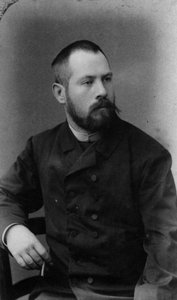
lovis corinth
1858 - 1925 , Poland
プロフィール概要
- Artistic Movement Or Style: Impressionism & Expressionism
- Artists Or Movements Influenced By This Artist: ['Expressionism']
- Artists Who Influenced This Artist: ['Max Liebermann']
- Date Of Birth: Tatapua, Poland (1858)
- Date Of Death: 1925
- Full Name: Lovis Corinth
- Nationality: German
- Notable Artworks:
- Lake Lucerne, Afternoon
- The Walchensee with the Slope of the Jochberg
- Last Self Portrait
- Place Of Birth: East Prussia

