

 プレビュー
プレビュー
 シェアする
シェアする シェアする
シェアする
 詳細を見る
詳細を見る

 ダウンロード
 似ている作品
 X線調査
X線調査 スライドショー
 Stats
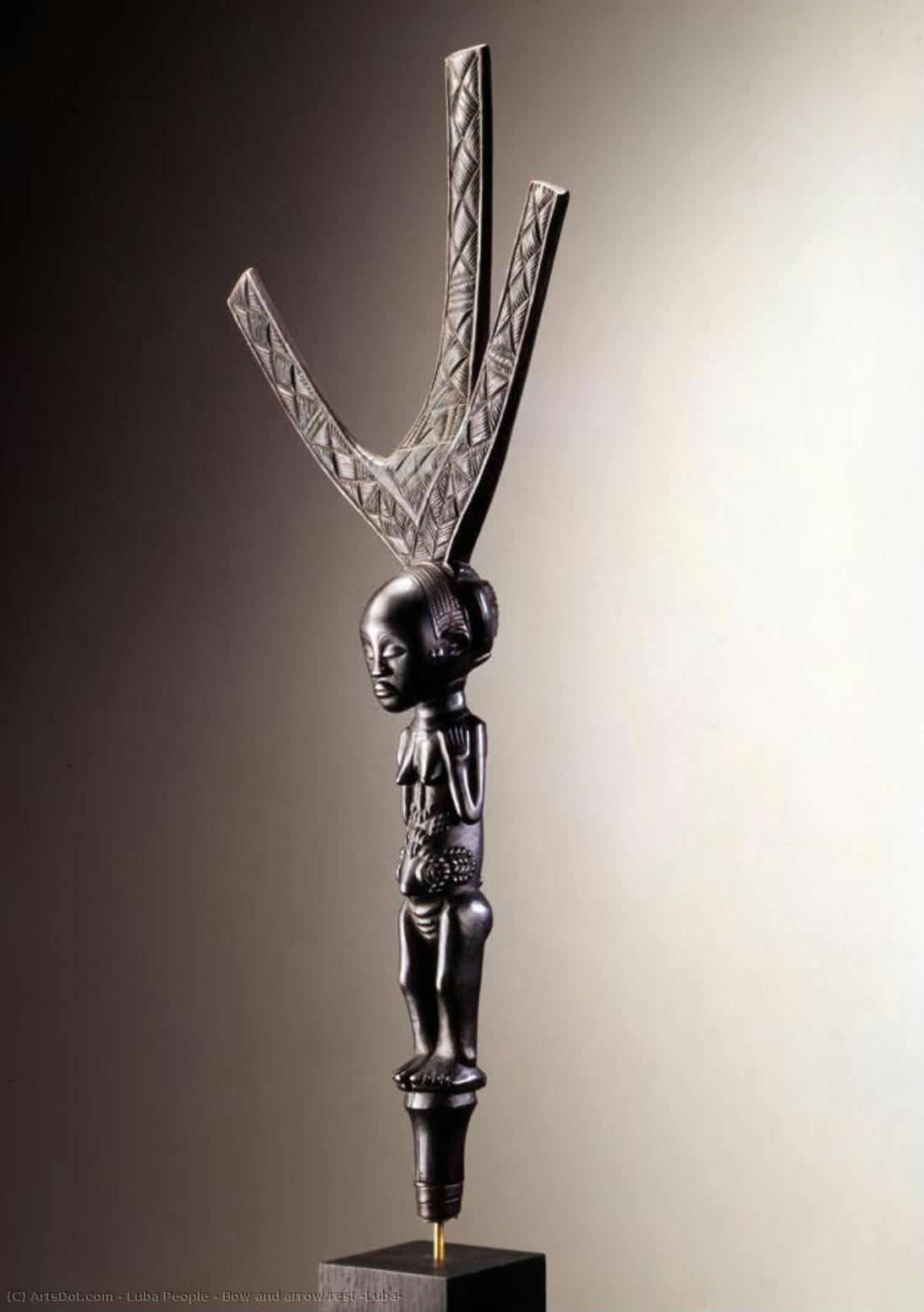
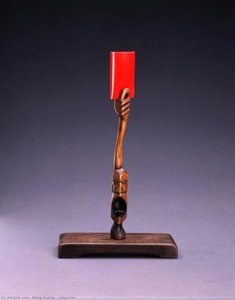
StatsBow and arrow rest (Luba)

 詳細を見る
詳細を見る
手描き油彩複製画
当社のアーティストが、お客様のご希望のサイズと額縁に合わせて、キャンバスに手描きで制作する油彩画です。 ( Switch to Print Switch to Digital Image)




































作品のオリジナル比率に合わせた、当店の規定サイズからお選びください。

特定のフレームやスペースに合わせて、ご希望のサイズをご入力いただけます。選択されたサイズが元の画像の比率と異なる場合、アートワークをトリミングするか、手描きで要素を追加して絵画を拡張いたします。デジタルモックアップ を制作し、制作開始前にご確認(承認)をいただきます。
画面上のプレビューは、実際のトリミングや拡張を正確に反映しているものではありません。最終的な構図は、モックアップによってのみ正確にご確認いただけます。
カスタムサイズもご利用いただけますが、元の比率を維持するためには、あらかじめ用意されたリストからサイズを選択することをお勧めいたします。
ご注文後、ArtsDot.com チームより詳細な指示をお送りするとともに、仕上がりイメージ(モックアップ)をご提供いたします。


 ガラスオプションは、110cm未満のサイズでのみご利用いただけます。

Bow and arrow rest (Luba)
複製技法
複製画のサイズ
-


合計金額
$ 263
関連作品






アーティストの略歴
The Enduring Legacy of the Luba People
The story of art is often told through individual masters, but sometimes it’s a collective spirit—a shared aesthetic and deeply rooted cultural tradition—that defines an artistic legacy. Such is the case with the Luba people, or Baluba, indigenous to the south-central Democratic Republic of the Congo. More than simply creators of beautiful objects, the Luba are custodians of a visual language that speaks volumes about their history, cosmology, and social structure. Their art isn’t merely *displayed*; it is lived, performed, and integral to the fabric of their society. For centuries, they have inhabited the regions surrounding Katanga, Kasaï, and Maniema, developing a unique artistic identity shaped by the dense forests, rich mineral resources, and complex political landscape of their homeland. The Baluba consist of numerous sub-groups or clans, each contributing to the vibrant tapestry of Luba culture.Mboko Sculptures: Vessels of Power and Ancestral Connection
Perhaps the most iconic expression of Luba artistry is the *mboko* sculpture. These wooden figures, often depicting seated male ancestors, are far more than portraits; they embody power, lineage, and spiritual authority. Traditionally commissioned by chiefs or village elders, mboko sculptures served as focal points for rituals, initiations, and political ceremonies. The elongated proportions, carefully carved hairstyles, and subtle gestures of the figures aren’t accidental. They represent ideals of beauty, strength, and wisdom—qualities essential to leadership within Luba society.- Symbolism in Form: The scarifications adorning the bodies of mboko sculptures are not merely decorative; they signify clan affiliation, social status, and rites of passage.
- Material Significance: Wood selection is crucial. Certain types of wood are believed to possess specific spiritual properties, enhancing the sculpture’s potency.
- Polychromy & Patina: While often appearing simple in form, mboko sculptures were frequently adorned with pigments derived from natural sources—red ochre, white kaolin clay, and dark plant dyes. Over time, these pigments develop a rich patina, reflecting the sculpture’s age and the rituals it has witnessed.
Art as Historical Record & Social Commentary
Beyond the mboko sculptures, Luba art encompasses a wide range of forms—textiles, pottery, body adornment, and architectural elements. Each medium serves as a repository of cultural knowledge, preserving oral histories, myths, and social norms. Textiles, for example, are often woven with intricate patterns that narrate important events or symbolize clan identities. Body painting and scarification practices communicate age, marital status, and initiation into secret societies. The Luba worldview is deeply rooted in the concept of kingship. The king, or *mulopwe*, is considered a divine figure responsible for maintaining harmony between the human world and the spirit realm. This belief is reflected in numerous artistic representations—royal stools, headrests, and ceremonial objects adorned with symbols of power and authority. These artifacts weren’t simply emblems of status; they actively participated in reinforcing the king's legitimacy and ensuring the well-being of the kingdom.Challenges & Resilience: The Luba People in a Changing World
The history of the Luba people has been marked by both periods of prosperity and times of immense upheaval. The arrival of European colonizers in the 19th century brought significant disruptions to their traditional way of life, including forced labor, religious conversion, and political domination. More recently, the South Kasai conflict (1960-1965) resulted in widespread violence and displacement, threatening the survival of Luba culture. Despite these challenges, the Luba people have demonstrated remarkable resilience in preserving their artistic traditions. While adapting to changing circumstances, they continue to create art that reflects their enduring values—respect for ancestors, reverence for nature, and a deep commitment to community. Today, Luba artists are finding new ways to express their cultural identity through contemporary mediums while remaining deeply connected to the aesthetic principles of their forebears. Their legacy serves as a powerful reminder of the importance of safeguarding indigenous cultures and recognizing the artistic contributions of often-overlooked communities.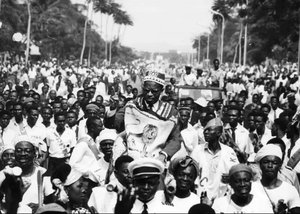
luba people
Democratic Republic of the Congo
基本情報
- Artistic Movement Or Style: Mboko sculpture
- Full Name: Luba people
- Nationality: African
- Notable Artworks:
- Bow and arrow rest (Luba)
- Kneeling female statue carrying a bowl (mboko)
- Place Of Birth: Democratic Republic of the Congo