

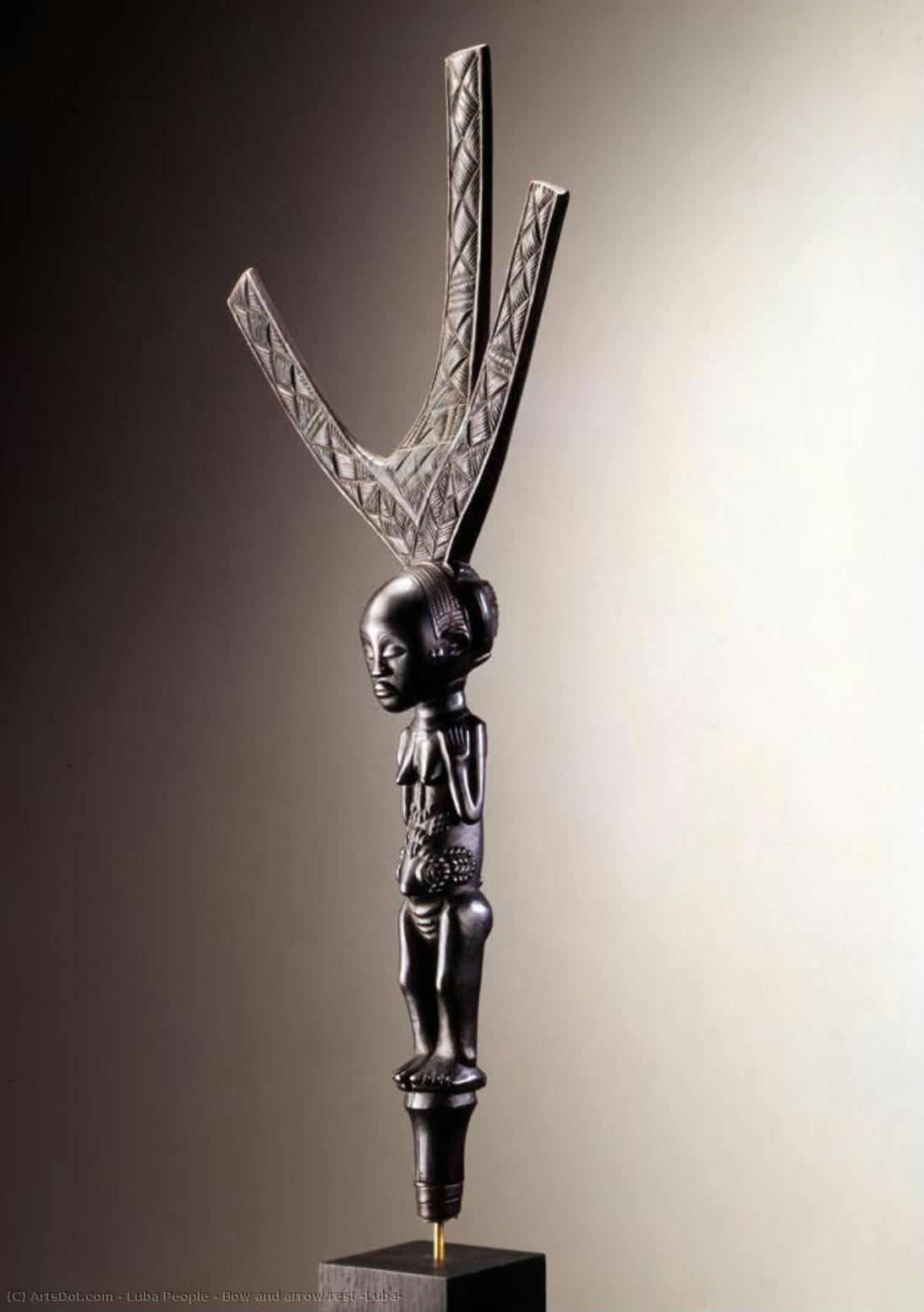
 プレビュー
プレビュー
 シェアする
シェアする シェアする
シェアする
 詳細を見る
詳細を見る

 ダウンロード
 似ている作品
 X線調査
X線調査 スライドショー
 Stats
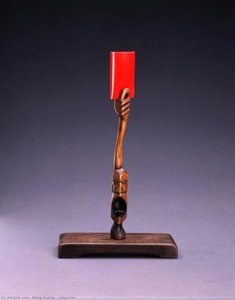
StatsBow and arrow rest (Luba)

 詳細を見る
詳細を見る
オンラインプレビューをはるかに凌ぐ、高解像度で鮮明なデジタル画像をご購入いただけます。
各ファイルは、社内の専門家が高度なツールと熟練した手作業によるレタッチを用いて、細心の注意を払って準備されています。すべての画像において、卓越した鮮明度、正確な色彩再現性、そして繊細なディテールを保証いたします。
最終ファイルは、プロフェッショナルな編集・印刷環境ですぐにご利用いただけるよう最適化された状態で、72時間以内にメールにてお届けいたします。これは、一流のデザインスタジオ、出版社、ギャラリーから信頼されているものと同等の品質です。
デジタルアート
個人での鑑賞、印刷、クリエイティブなプロジェクト用に、高解像度ファイルをダウンロードできます。 ( Switch to Print 手描きの絵画を購入)
デジタル画像のご注文に付随する特典
高品質なデジタル画像配信を、確かな品質で。
ArtsDot.com を選ぶことは、単に画像を手に入れることではありません。それは、プロの手によって精密に仕上げられ、満足保証が付いた高品質なデジタルアートワークを受け取ることを意味します。ご注文いただいた際に自動的に付随する内容は、以下の通りです:

メールですぐにお届け
ご注文から72時間以内に、高解像度のデジタル画像ファイルがメールでお手元に届きます。すぐにそのままご利用いただけます。

AI技術で最適化されたデジタルファイル
お客様の作品は、高度なAIツールと専門家による手作業の編集を組み合わせてプロフェッショナルに最適化されており、細部のディテール、鮮明さ、そして正確な色再現性を最大限に引き出しています。

一生涯無料の再送サービス
ファイルを誤って削除したり、紛失してしまったりしましたか?ご安心ください。いつでも無料で再送いたします。

輸入手数料は一切かかりません
関税や手数料、配送料を気にすることなく、お気に入りのアートワークをすぐにお楽しみいただけます。デジタルダウンロードは常に免税です。

色彩再現の保証
プロ仕様のツールとカラーマネジメント技術を用いることで、デジタル画像が元の色を最大限に忠実に再現することを保証いたします。

100日間満足保証
ご購入いただいたデジタル画像にご満足いただけない場合は、100日以内であれば、理由を問わず修正または100%の返金対応をさせていただきます。

100% 返金保証
ご満足いただけない場合は、デジタルファイルを受け取ってから100日以内であれば、理由を問わず全額返金いたします。

まとめ買い割引
3枚購入で10%OFF - 5枚購入で15%OFF - 10枚以上購入で20%OFF。クリエイティブなプロジェクト、ギャラリー、エージェンシーに最適です。
関連作品
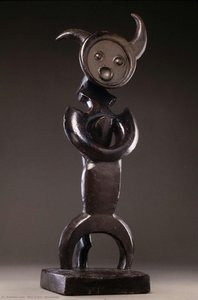






作家の略歴
The Enduring Legacy of the Luba People
The story of art is often told through individual masters, but sometimes it’s a collective spirit—a shared aesthetic and deeply rooted cultural tradition—that defines an artistic legacy. Such is the case with the Luba people, or Baluba, indigenous to the south-central Democratic Republic of the Congo. More than simply creators of beautiful objects, the Luba are custodians of a visual language that speaks volumes about their history, cosmology, and social structure. Their art isn’t merely *displayed*; it is lived, performed, and integral to the fabric of their society. For centuries, they have inhabited the regions surrounding Katanga, Kasaï, and Maniema, developing a unique artistic identity shaped by the dense forests, rich mineral resources, and complex political landscape of their homeland. The Baluba consist of numerous sub-groups or clans, each contributing to the vibrant tapestry of Luba culture.Mboko Sculptures: Vessels of Power and Ancestral Connection
Perhaps the most iconic expression of Luba artistry is the *mboko* sculpture. These wooden figures, often depicting seated male ancestors, are far more than portraits; they embody power, lineage, and spiritual authority. Traditionally commissioned by chiefs or village elders, mboko sculptures served as focal points for rituals, initiations, and political ceremonies. The elongated proportions, carefully carved hairstyles, and subtle gestures of the figures aren’t accidental. They represent ideals of beauty, strength, and wisdom—qualities essential to leadership within Luba society.- Symbolism in Form: The scarifications adorning the bodies of mboko sculptures are not merely decorative; they signify clan affiliation, social status, and rites of passage.
- Material Significance: Wood selection is crucial. Certain types of wood are believed to possess specific spiritual properties, enhancing the sculpture’s potency.
- Polychromy & Patina: While often appearing simple in form, mboko sculptures were frequently adorned with pigments derived from natural sources—red ochre, white kaolin clay, and dark plant dyes. Over time, these pigments develop a rich patina, reflecting the sculpture’s age and the rituals it has witnessed.
Art as Historical Record & Social Commentary
Beyond the mboko sculptures, Luba art encompasses a wide range of forms—textiles, pottery, body adornment, and architectural elements. Each medium serves as a repository of cultural knowledge, preserving oral histories, myths, and social norms. Textiles, for example, are often woven with intricate patterns that narrate important events or symbolize clan identities. Body painting and scarification practices communicate age, marital status, and initiation into secret societies. The Luba worldview is deeply rooted in the concept of kingship. The king, or *mulopwe*, is considered a divine figure responsible for maintaining harmony between the human world and the spirit realm. This belief is reflected in numerous artistic representations—royal stools, headrests, and ceremonial objects adorned with symbols of power and authority. These artifacts weren’t simply emblems of status; they actively participated in reinforcing the king's legitimacy and ensuring the well-being of the kingdom.Challenges & Resilience: The Luba People in a Changing World
The history of the Luba people has been marked by both periods of prosperity and times of immense upheaval. The arrival of European colonizers in the 19th century brought significant disruptions to their traditional way of life, including forced labor, religious conversion, and political domination. More recently, the South Kasai conflict (1960-1965) resulted in widespread violence and displacement, threatening the survival of Luba culture. Despite these challenges, the Luba people have demonstrated remarkable resilience in preserving their artistic traditions. While adapting to changing circumstances, they continue to create art that reflects their enduring values—respect for ancestors, reverence for nature, and a deep commitment to community. Today, Luba artists are finding new ways to express their cultural identity through contemporary mediums while remaining deeply connected to the aesthetic principles of their forebears. Their legacy serves as a powerful reminder of the importance of safeguarding indigenous cultures and recognizing the artistic contributions of often-overlooked communities.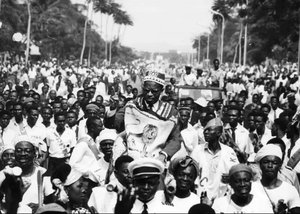
luba people
Democratic Republic of the Congo
プロフィール概要
- Artistic Movement Or Style: Mboko sculpture
- Full Name: Luba people
- Nationality: African
- Notable Artworks:
- Bow and arrow rest (Luba)
- Kneeling female statue carrying a bowl (mboko)
- Place Of Birth: Democratic Republic of the Congo