

 プレビュー
プレビュー
 プリントを購入
 シェアする
シェアする シェアする
シェアする
 詳細を見る
詳細を見る

 ダウンロード
 似ている作品
 X線調査
X線調査 スライドショー
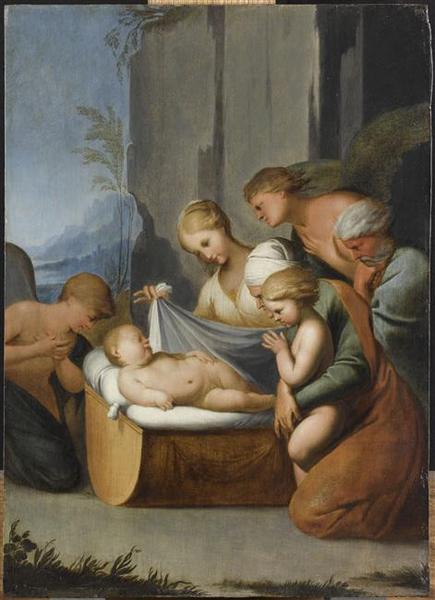
Le sommeil de l'enfant Jésus


 詳細を見る
詳細を見る




P118B $10

P118H $10

P118W $10

P438Z $10

P508JH $12

P508YH $12

P805H $10

P805Z $10

P919BZ $10

P919G $10

P919XJ $10

P959ZH $10

P968JZ $12

W106C $8

W218G $10

W218JH $8

W218Y $10

W307PJ $10

W316G $10

W316PJ $8

W316Y $10

W398PJ $8

W4111J $10

W500HY $15

W500JH $15

W692G $12

W849H $8

W940BG $15

W953PJ $8




作品のオリジナル比率に合わせた、当店の規定サイズからお選びください。

特定のフレームやスペースに合わせて、ご希望のサイズをご入力いただけます。選択されたサイズが元の画像の比率と異なる場合、アートワークをトリミングするか、手描きで要素を追加して絵画を拡張いたします。デジタルモックアップ を制作し、制作開始前にご確認(承認)をいただきます。
画面上のプレビューは、実際のトリミングや拡張を正確に反映しているものではありません。最終的な構図は、モックアップによってのみ正確にご確認いただけます。
カスタムサイズもご利用いただけますが、元の比率を維持するためには、あらかじめ用意されたリストからサイズを選択することをお勧めいたします。
ご注文後、ArtsDot.com チームより詳細な指示をお送りするとともに、仕上がりイメージ(モックアップ)をご提供いたします。


 ガラスオプションは、110cm未満のサイズでのみご利用いただけます。

Le sommeil de l'enfant Jésus
複製技法
複製画のサイズ
-


合計金額
$ 388
作品解説
A Serene Vision of Divine Innocence
In the quietude of Lubin Baugin’s Le sommeil de l'enfant Jésus, the viewer is invited into a moment of profound stillness, where the weight of the world seems to dissolve into the soft shadows of a sacred night. This masterpiece captures the Christ child in a state of deep, undisturbed slumber, nestled within a simple wooden cradle. The composition is masterfully arranged in a gentle semi-circle, drawing the eye inward toward the central figure of the infant. Surrounding this focal point are figures—perhaps Mary and celestial guardians—whose presence radiates a sense of protective adoration. The atmosphere is one of overwhelming peace, a sanctuary of light and shadow that transcends the boundaries of the canvas to touch the very soul of the observer.
The painting serves as a breathtaking example of the French Baroque style, though it eschews the theatrical turbulence often associated with the era in favor of a more intimate, naturalistic grace. Baugin employs a palette dominated by warm, earthy tones—rich ochres, deep browns, and creamy highlights—that evoke a sense of timelessness and warmth. The lighting is particularly enchanting; rather than harsh, dramatic contrasts, we encounter a soft, diffused glow that seems to emanately from an unseen, divine source. This gentle illumination bathes the skin of the figures in delicate pinks and peaches, while the background fades into a hazy, pastoral landscape, creating a shallow depth of field that keeps our emotional focus firmly planted on the tender scene unfolding in the foreground.
Technique and the Art of Texture
To behold this work is to appreciate the meticulous hand of a master. Baugin’s technique involves a sophisticated layering of colors, allowing for subtle transitions that give the drapery its lifelike weight and the skin its luminous quality. There is a beautiful tactile contrast at play here: the smooth, porcelain-like rendering of the infant's flesh stands in poetic opposition to the rougher, more organic textures of the wooden cradle and the heavy folds of the surrounding fabrics. Every brushstroke serves the purpose of enhancing the realism of the scene, making the soft linens feel tangible and the wooden grain feel weathered by time.
The use of lines in this piece is remarkably fluid; there are no jarring or angular interruptions to the visual flow. Instead, organic shapes and sweeping, soft contours guide the viewer through a landscape of devotion. This lack of structural rigidity contributes significantly to the painting's overall sense of tranquility, making it an ideal centerpiece for those seeking to introduce a sense of calm and classical elegance into a sophisticated interior. For the collector or designer, this piece offers more than mere decoration; it provides a window into a moment of eternal peace.
Symbolism and Emotional Resonance
Beyond its technical brilliance, Le sommeil de l'enfant Jésus is steeped in profound symbolic meaning. The sleeping infant is the ultimate emblem of vulnerability and pure innocence, a symbol that resonates deeply across cultures and eras. The surrounding figures, positioned as sentinels of care, represent the themes of guardianship, faith, and the quiet strength found in devotion. The very act of sleep here becomes a metaphor for the divine rest before the unfolding of a monumental destiny.
For an art lover, this painting offers a meditative experience, inviting a pause in the frantic pace of modern life. For the interior designer, it provides a sophisticated anchor for a room, bringing with it a historical weight and a palette that complements both traditional and contemporary settings. Whether viewed as a religious icon or a triumph of 17th-century French naturalism, Baugin’s work remains a captivating testament to the power of art to evoke reverence, tenderness, and an enduring sense of wonder.
関連作品





アーティストの略歴
リュバン・ボーガン:フランス静物画が抱くパラドックス
リュバン・ボーガンという名は、同時代の他の画家たちに比べれば、おそらくそれほど広く知られているわけではありません。しかし、彼は17世紀フランス美術において、極めて魅力的かつ、静かな革新をもたらした人物として君臨しています。1612年、フランスのピティヴィエにある裕福な家庭に生まれたボーガンの生涯は、ルネサンスの再興と、胎動し始めたバロック様式が交錯する、芸術的変革期という背景の中で展開されました。彼が遺した作品群は決して膨大ではなく、確実なものとして帰属されるのはわずか30点ほどに過ぎないと言われていますが、その貢献、とりわけ静物画の領域における足跡は極めて重大です。既存の芸術的慣習に挑戦し、当時の時代精神に対して独自の視点を提示した彼の存在感は、今なお色褪せることがありません。1629年にサン・ジェルマン・デ・プレのギルドに入ってから、1663年にパリで没するまでの約50年間にわたり、彼はフランス宮廷や美術市場の移り変わる嗜好と要求を巧みに捉えながら、その画業を築き上げました。初期の修行と芸術的発展
ボーガンの初期の芸術教育に関する詳細は、いまだ謎に包まれています。名高い巨匠の系譜を明確に辿ることができる同時代の多くの画家とは異なり、彼の徒弟修行に関する文献的な証拠はほとんど残されていません。1622年から1628年にかけて指導を受けていたと推測されていますが、その師が誰であったのかさえ不明なのです。こうした公的な記録の欠如は、ボーガンの芸術的発展をめぐる永続的なミステリーの一端を担っており、当時の多くの芸術家が直面していた困難を浮き彫りにしています。しかし、こうした不透明な状況にもかかわらず、現存する彼の初期作品――20歳に達する前に完成させた、緻密に描き込まれた一連の静物画――には、驚くべき技術と統制力が宿っています。これらの作品は、構図、色彩理論、そして質感の描写における初期の習熟を示しており、後の遠近法や象徴性への探求の礎を築いていたのです。矛盾する様式:静物画と宗教画
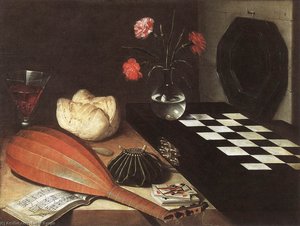
ボーガンの芸術的遺産において、最も心を捉えて離さないのは、彼の静物画と宗教画との間に存在する鮮烈なコントラストでしょう。多くの画家が単一のジャンルに特化していた時代にあって、ボーガンはこれら全く異なる様式の間を、あたかもシームレスに移行するかのような並外れた能力を備えていたようです。彼の静物画、とりわけ象徴的な「五感」(あるいは「チェス盤」として知られる作品)は、均衡を欠いた遠近法、型破りな物の配置、そしてかすかな違和感を伴う方向喪失感によって特徴づけられます。美術評論家のトレヴァー・ウィンクフィールドは、このアプローチを「地形学的な疎外感」と的確に表現し、ジョルジョ・デ・キリコの形而上絵画との類似性を指摘しています(この影響については、今なお学者たちの間で議論の対象となっています)。これらの静物画は、単なる無生物の描写ではありません。それらは鑑賞者の知性に働きかけ、空間に対する認識を揺さぶるために、緻密に構築された視覚的なパズルなのです。 対照的に、ボーガンの宗教画――主に聖母子や聖家族を描いた小規模な信心具としての作品――には、より伝統的なバロックの美学が深く刻み込まれています。そこにあるのは、優雅さと気品、そして確立された芸術的規範への忠実さです。美術史家のアルノー・ブレジョン・ド・ラヴェルニーは、ボーガンのキャリアにおけるこの「偉大なるパラドックス」を、有名な言葉で指摘しました。すなわち、厳格な規則に支配された緻密な構成の静物画と、装飾的な宗教画を、同時に生み出すことができた芸術家であるということです。この二面性は、彼の芸術的動機や、その多様な作品群を形作った影響について、興味深い問いを投げかけます。さらに、静物画には署名がある一方で、宗教画には署名がないという事実が、この謎をより複雑にしています。これは、ボーガン自身が、この特定のジャンルが持つ独自の性質を際立たせるために用いた、意図的な戦略であった可能性さえ示唆しているのです。イタリアの影響とパリでの活動
1632年から1633年頃、ボーガンはイタリアへと渡り、数年間ローマに滞在しました。この時期は間違いなく、彼にとって極めて重要な形成期となりました。イタリア・ルネサンスとバロックの芸術的潮流に直接触れたことは、彼の血肉となったのです。ラファエロやパルミジャニーノといった巨匠たちの影響は、後の宗教画における洗練された構図や優美な人物像に、明白に見て取ることができます。ローマでの滞在を終えた後、ボーガンはフランスへと戻り、1663年の死に至るまで主にパリを拠点に活動しました。この期間中も、彼は静物画と宗教画の両方を制作し続け、パリの美術市場における進化する嗜好に合わせて、自らの様式を適応させていきました。遺産と意義
リュバン・ボーガンに帰属するとされる現存作品の数は比較的少ないものの、彼の作品はフランス美術史において極めて重要な地位を占めています。静物画に対する彼の革新的なアプローチ――特に、均衡を崩した遠近法や型破りな配置の使用――は、ジャン=シメオン・シャルダンといった後の画家たちに影響を与え、18世紀美術における多くの発展の先駆けとなりました。さらに、ボーガンのキャリアは、当時の芸術における流動性と実験精神を体現しており、専門化という伝統的な概念に挑戦し、一人の芸術家が持ち得る驚異的な多才さを証明しています。彼の遺産は、今日においても学者たちによって議論され、再解釈され続けており、17世紀フランス美術という豊かなタペストリーにおける、魅惑的で謎めいた存在としての地位を揺るぎないものにしています。
リュバン・ボーガン
1612 - 1663 , フランス
基本情報
- Artistic Movement Or Style: バロック(静物画および宗教画)
- Artists Or Movements Influenced By This Artist: ['ジョルジョ・デ・キリコ']
- Artists Who Influenced This Artist:
- ラファエロ
- パルミジャニーノ
- Date Of Birth: 1612年頃、フランス、ピティヴィエ
- Date Of Death: 1663年、フランス、パリ
- Full Name: リュバン・ボーガン
- Nationality: フランス
- Notable Artworks:
- アプリコットのある静物画
- 燭台のある静物画
- チェス盤のある静物画
- 聖ヒエロニムス
- ジュピターの幼少期
- Place Of Birth: フランス、ピティヴィエ
関連記事

The Dramatic Flourish: Exploring the Baroque Movement's Enduring Legacy in Art History
Explore the dramatic world of Baroque art! Discover iconic artists like Caravaggio & Rubens, defining techniques, and its lasting impact on art history. Expert insights for collectors & enthusiasts at ArtsDot.

バロック美術を極めた至宝:時代を彩る10大名作の世界
バロック美術の華!カラヴァッジョ、ベルニーニら巨匠が創り上げた10大名作を徹底解剖。ドラマチックな色彩と豪華絢爛の世界観に触れ、至宝のアートプリントで空間を彩ろう。ArtsDot.comで美術館品質の複製と洗練されたインテリアを見つけましょう!

The Golden Age Reforged: Dramatic Realism & Religious Zeal in Spanish Baroque Art
Explore the dramatic world of Spanish Baroque art! Discover masters like Zurbarán & the powerful influence of religious zeal on painting techniques – a guide for collectors and enthusiasts.

バロックのドラマ:現代のインテリアに壮麗さと情感を取り込む
バロック様式の歴史、絵画、家具の魅力をご紹介。ArtsDotでは、高品質な油絵複製やカスタムポートレートをご提供し、現代のインテリアに壮麗さと情感を取り入れます。アートコンサルテーションも承ります。

The Visceral Stage: Exploring Dramatic Narratives & Emotional Intensity in Baroque Art
Explore the dramatic world of Baroque art! Discover iconic masters like Caravaggio & Rembrandt, their techniques, and the movement's lasting impact. Expert insights for collectors & enthusiasts at ArtsDot.

