

 プレビュー
プレビュー
 シェアする
シェアする シェアする
シェアする
 詳細を見る
詳細を見る

 ダウンロード
 似ている作品
 X線調査
X線調査 スライドショー
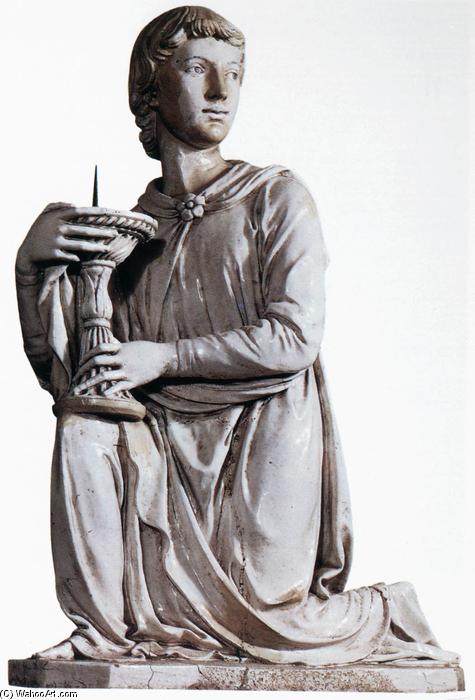
Candelabrum-Bearing Angel
 Acrylic
- WallArt
- Renaissance
 1448
1448 84.0 x 57.0 cm
 ドゥオーモ
ドゥオーモ
 詳細を見る
詳細を見る
ジークレー/アートプリント
迅速な制作と多彩な仕上げオプションを備えた、ミュージアムクオリティのジークレーまたはキャンバスプリント。 ( 手描きの絵画を購入 画像を購入)




P118B $10

P118H $10

P118W $10

P438Z $10

P508JH $12

P508YH $12

P805H $10

P805Z $10

P919BZ $10

P919G $10

P919XJ $10

P959ZH $10

P968JZ $12

W106C $8

W218G $10

W218JH $8

W218Y $10

W307PJ $10

W316G $10

W316PJ $8

W316Y $10

W398PJ $8

W4111J $10

W500HY $15

W500JH $15

W692G $12

W849H $8

W940BG $15

W953PJ $8




作品のオリジナル比率に合わせた、当店の規定サイズからお選びください。

特定のフレームやスペースに合わせて、ご自身でサイズを指定することも可能です。選択されたサイズが元の画像の比率と一致しない場合、作品をトリミングするか、鏡面反射または単色での塗りつぶしによって画像を拡張いたします。制作を開始する前に、ご確認用のデジタルモックアップをお送りいたします。
画面上のプレビューには、実際のトリミングや拡張は反映されませんのでご注意ください。最終的な構図を正確に確認できるのは、モックアップのみとなります。
カスタムサイズも承っておりますが、元の比率を維持するためには、あらかじめ用意されたリストからサイズを選択することをお勧めいたします。


 ガラスオプションは、110cm未満のサイズでのみご利用いただけます。

Candelabrum-Bearing Angel
ジークレー/アートプリント
複製画のサイズ
-


合計金額
$ 62
Luca della Robbia’s Candelabrum-Bearing Angel: A Testament to Florentine Renaissance Idealism
The sculpture “Candelabrum-Bearing Angel,” attributed to Luca della Robbia, embodies the spirit of Florence during its golden age—a period defined by humanist thought and a renewed fascination with classical antiquity. Executed in 1448, this terracotta masterpiece exemplifies della Robbia’s revolutionary approach to sculpting, transforming a relatively humble material into an embodiment of divine grace and spiritual contemplation. Its enduring appeal lies not only in its exquisite craftsmanship but also in the profound symbolism woven into its form and execution.A Pioneering Technique: Terracotta Sculpture Reimagined
Luca della Robbia fundamentally altered the artistic landscape by elevating terracotta—fired clay—to the forefront of sculptural expression. Prior to his innovations, marble dominated Florentine sculpture, representing a monumental investment of resources and skill. Della Robbia’s technique involved meticulously carving away excess material from a solid block of terracotta, leaving behind a remarkably detailed surface that achieved astonishing realism. This subtractive sculpting process demanded exceptional precision and patience—a testament to the artist's dedication and mastery. The resulting texture is subtly rough, mirroring the natural imperfections of stone while simultaneously conveying an impression of organic beauty. Observations of similar techniques employed by Donatello and Ghiberti underscore della Robbia’s position within a vibrant artistic dialogue that propelled Florentine sculpture into new realms of sophistication.Classical Influence and Humanist Ideals
The angel depicted in “Candelabrum-Bearing Angel” is unmistakably informed by classical sculptural traditions, particularly those championed by Polykleitos and Apollodoro. Della Robbia meticulously studied ancient statues, striving to capture the idealized human form—a hallmark of humanist art—characterized by anatomical accuracy and harmonious proportions. The pose of the kneeling figure—a gesture frequently associated with humility and devotion—directly reflects the philosophical currents circulating in Florence at the time, where thinkers like Pico della Mirandola championed the inherent dignity and potential for greatness within every human being. This emphasis on human perfection aligns seamlessly with the broader Renaissance preoccupation with rediscovering and celebrating the glories of Greco-Roman civilization.Symbolism Beyond Beauty: The Cup and Lance
Beyond its aesthetic merits, “Candelabrum-Bearing Angel” is replete with symbolic significance. The angel’s outstretched hand cradles a cup—a potent emblem of Eucharist and spiritual nourishment—representing divine grace and compassion. Simultaneously, he holds a lancet or needle – an instrument traditionally associated with healing and prayer – symbolizing the artist's aspiration for spiritual purification and communion with God. These carefully chosen elements elevate the sculpture beyond mere visual representation, inviting viewers to contemplate themes of faith, humility, and moral virtue—values central to Renaissance humanist thought.Emotional Resonance: Serenity and Contemplation
The sculpture’s soft lighting and subtle modeling techniques contribute significantly to its emotional impact. The diffused illumination enhances the contours of the statue's form, creating a sense of ethereal beauty and fostering contemplation. The serene expression on the angel’s face conveys tranquility and inner peace—a reflection of the humanist ideal that sought to cultivate virtue and elevate human consciousness. “Candelabrum-Bearing Angel” remains an enduring testament to Luca della Robbia’s artistic genius and his unwavering commitment to capturing the sublime essence of human experience within the framework of classical ideals.関連作品
アーティストの略歴
釉薬を纏った土の巨匠:ルカ・デッラ・ロッビアの生涯と遺産
古典的な理想の再生と解剖学的な完璧さの追求によって定義された、フィレンツェ・ルネサンスの核心部において、ルカ・デッラ・ロッビアは彫刻という媒体そのものを変貌させた先見的な芸術家として現れました。同時代の芸術家たちが、大理石の重厚な永続性やブロンズの煌びやかな威信の中に栄光を求めた一方で、ルカは謙虚な「土」の中に、深く、光り輝く美しさを見出したのです。1399年から1忘82年にわたる彼の生涯は、錫釉テラコッタ技法の完成に捧げられました。この技法は、彼個人の遺産を決定づけただけでなく、イタリアの宗教的・市民的な景観に、鮮やかで色彩豊かな声を与えることとなったのです。
フィレンツェの熟練した職人の家系に生まれたルカの若き日は、フィレンツェの工房における厳格な伝統に深く浸っていました。彼の形成期の多くは歴史の霧の中に隠されていますが、その芸術的なDNAが、当時の巨匠たちによって紛れもなく形作られたことは間違いありません。彼はドナテッロやギベルティと同じ知的・創造的なサークルの中で活動し、キリスト教への信心と古典古代の優雅さを融合させようとする、当時芽生えつつあったヒューマニズム(人文主義)の精神を吸収していきました。特にフィレンツェ洗礼堂の記念碑的なプロジェクトに携わった初期の経験は、人間の感情の微細なニュアンスや生命の繊細な質感を捉えようとする「自然主義」の進化を、彼が目の当たりにする機会となったのです。
色彩と粘土における革新
ルカ・デッラ・ロッビアの真の天才性は、それまで石彫に次ぐ二次的なものと考えられていた媒体において、革新をもたらした点にあります。独自の錫釉を開発することで、彼は白と青の鮮烈なパレットを可能にする、美しく耐候性に優れた仕上げを実現しました。デッラ・ロッビア様式としばしば呼ばれるこの技法は、彫刻的な浮彫(レリーフ)に、かつてないほどの輝きをもたらしました。大理石の単色で禁欲的な厳かさとは対照的に、ルカの作品は天上の光のような輝きを放ち、光が精神的な瞑想において極めて重要な役割を果たす教会の祭壇や回廊にとって、理想的な存在となったのです。
彼の技術的な習熟は、純粋芸術と装飾的な卓越性の間の溝を埋めることとなりました。その工程には、釉薬がひび割れたり輝きを失ったりすることなく粘土に完璧に密着するように、化学的知識や窯の温度に関する深い理解が求められました。この革新は、芸術の親しみやすさに多大な影響を与えました。大理石が最もエリートな依頼のためのものだった時代において、ルカの釉薬テラコッタはある程度の再現性を持って制作することが可能であり、彼の美学は大聖堂からより小規模で親密な礼拝空間に至るまで、広く浸透していくこととなったのです。
信心深いヴィジョン:主題と業績
ルカの作品群の主題は、クアトロチェント(15世紀)の宗教的情熱に深く根ざしていました。彼の彫刻は「視覚的な説教」として機能し、慈しみ、敬虔さ、そして畏敬の念を呼び起こすように設計されていました。彼の手を通じて、キリスト教の伝統における最も神聖な人物たちは、信徒たちの心に深く響くような、人間味のある温かみをもって描き出されたのです。
彼のキャリアにおける特筆すべきハイライトには、以下のようなものがあります:
- 降誕:1460年頃に完成した傑作であり、ルネサントスの構図が持つ記念碑的なスケールと、聖家族の親密で優しい描写を融合させる彼の手腕を示しています。
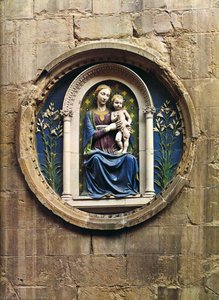
- 聖母子像:この主題における様々なバリエーションは、「甘美な」様式の習熟を証明しており、柔らかな顔立ちと優雅に流れるような衣の表現によって、神聖な存在を親しみやすいものへと変えています。
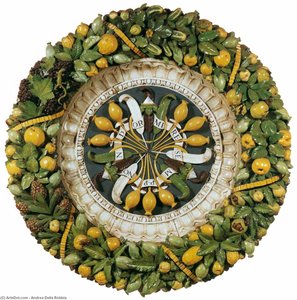
- 浮彫パネル:テラコッタの平らな表面を利用して奥行きと物語的な動きを生み出す能力は、しばしば果物や葉の複雑なガーランド(花綱)によって縁取られ、それが彼の工房のスタイルを象徴する特徴となりました。
個々の技術的な勝利を超えて、ルカ・デッラ・ロッビアの歴史的な重要性は、永続的な芸術王朝を確立したことにあります。彼の工房はフィレンツェの職人技の灯台となり、ヨーロッパ全土の何世代もの彫刻家や装飾家に影響を与えました。テラコッタを実用的な媒体から高尚な芸術形態へと昇華させることで、彼はルネサンスの語彙を拡張し、彼の「釉薬を纏った土」の輝きが、巨匠たちの時代が過ぎ去った後も長く輝き続けることを確かなものにしたのです。
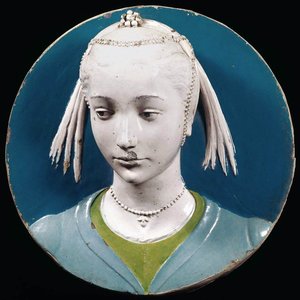
ルカ・デッラ・ロッビア
1399 - 1482 , イタリア
基本情報
- Artistic Movement Or Style: ルネサンス彫刻
- Artists Or Movements Influenced By This Artist:
- アンドレア・デッラ・ロッビア
- ジョヴァンニ・デッラ・ロッビア
- Artists Who Influenced This Artist:
- ドナテッロ
- ギベルティ
- Date Of Birth: イタリア、フィレンツェ (1399年)
- Date Of Death: 1482年
- Full Name: ルカ・デッラ・ロッビア
- Nationality: イタリア人
- Notable Artworks:
- 降誕
- 聖母子
- Place Of Birth: フィレンツェ
関連記事
Luca della Robbia: Renaissance Sculpture & the Innovation of Terracotta Glazing
Discover the innovative terracotta glazing techniques of Luca della Robbia, a Renaissance master sculptor. Explore his iconic works, legacy, and collecting tips with ArtsDot.

Bronze Sculptures That Defined Art History | ArtsDot
Journey through art history with our Top 10 bronze sculptures! Explore masterpieces by Rodin, Michelangelo & more. Discover stories behind iconic statues and find museum-quality reproductions for your home decor at ArtsDot.com.

The Enduring Form: Exploring Themes & Techniques in Sculpture Across Historical Periods
Explore the rich history of sculpture from ancient masterpieces to contemporary innovations. Discover key techniques, influential artists & investment potential for discerning art collectors.
Celestial Messengers: Angels in Painting – A Historical & Artistic Exploration
Explore the captivating history of angels in painting! Discover symbolism, iconic Renaissance & Byzantine masterpieces, and renowned artists. Expert insights for art lovers & collectors at ArtsDot.

Bronze Age to Modern Masters: 10 Sculptures That Redefined Art | ArtsDot
Journey through art history with 10 legendary bronze sculptures – from Michelangelo's David to Rodin’s Thinker. Explore the stories, techniques & timeless beauty of these masterpieces. Find museum-quality reproductions & elevate your home decor on ArtsDot.com.