

 プレビュー
プレビュー
 プリントを購入
 シェアする
シェアする シェアする
シェアする
 詳細を見る
詳細を見る

 ダウンロード
 似ている作品
 X線調査
X線調査 スライドショー
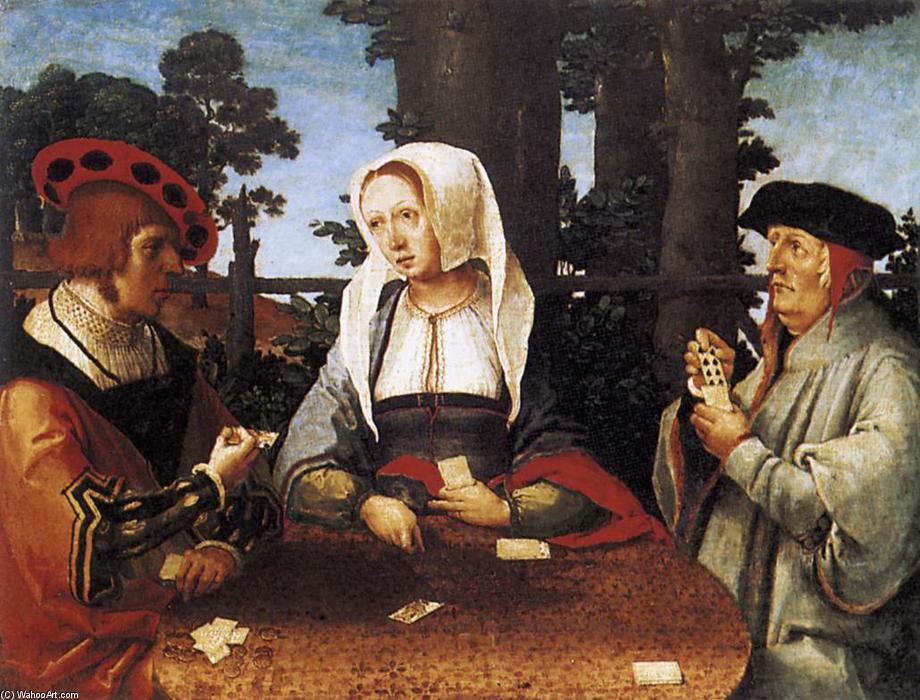
Card Players
 Oil On Panel
- Renaissance Humanism
 1525
1525 40.0 x 50.0 cm
 テイスセン・ボルネミスザ美術館
 詳細を見る
詳細を見る
オンラインプレビューをはるかに凌ぐ、高解像度で鮮明なデジタル画像をご購入いただけます。
各ファイルは、社内の専門家が高度なツールと熟練した手作業によるレタッチを用いて、細心の注意を払って準備されています。すべての画像において、卓越した鮮明度、正確な色彩再現性、そして繊細なディテールを保証いたします。
最終ファイルは、プロフェッショナルな編集・印刷環境ですぐにご利用いただけるよう最適化された状態で、72時間以内にメールにてお届けいたします。これは、一流のデザインスタジオ、出版社、ギャラリーから信頼されているものと同等の品質です。
デジタル画像のご注文に付随する特典
高品質なデジタル画像配信を、確かな品質で。
ArtsDot.com を選ぶことは、単に画像を手に入れることではありません。それは、プロの手によって精密に仕上げられ、満足保証が付いた高品質なデジタルアートワークを受け取ることを意味します。ご注文いただいた際に自動的に付随する内容は、以下の通りです:

メールですぐにお届け
ご注文から72時間以内に、高解像度のデジタル画像ファイルがメールでお手元に届きます。すぐにそのままご利用いただけます。

AI技術で最適化されたデジタルファイル
お客様の作品は、高度なAIツールと専門家による手作業の編集を組み合わせてプロフェッショナルに最適化されており、細部のディテール、鮮明さ、そして正確な色再現性を最大限に引き出しています。

一生涯無料の再送サービス
ファイルを誤って削除したり、紛失してしまったりしましたか?ご安心ください。いつでも無料で再送いたします。

輸入手数料は一切かかりません
関税や手数料、配送料を気にすることなく、お気に入りのアートワークをすぐにお楽しみいただけます。デジタルダウンロードは常に免税です。

色彩再現の保証
プロ仕様のツールとカラーマネジメント技術を用いることで、デジタル画像が元の色を最大限に忠実に再現することを保証いたします。

60日間満足保証
ご購入いただいたデジタル画像にご満足いただけない場合は、60日以内であれば、修正または100%の返金(理由を問う必要はありません)をさせていただきます。

100% 返金保証
ご満足いただけない場合は、デジタルファイルを受け取ってから60日以内であれば、理由を問わず全額返金いたします。

まとめ買い割引
3枚購入で10%OFF - 5枚購入で15%OFF - 10枚以上購入で20%OFF。クリエイティブなプロジェクト、ギャラリー、エージェンシーに最適です。
The Quiet Intensity of “Card Players” by Lucas van Leyden
Lucas van Leyden’s “Card Players,” painted in 1525, is more than just a depiction of a game; it's a meticulously crafted snapshot of a burgeoning social world. Often referred to as the "Genesis of a Game," this oil-on-panel work offers a rare glimpse into the lives and leisure activities of the early 16th century Netherlands – a period marked by both artistic innovation and profound societal shifts. Van Leyden, a master painter and engraver deeply influenced by both Italian Renaissance ideals and his native Flemish traditions, has created an image that resonates with quiet intensity and unspoken narratives, inviting viewers to contemplate the complexities of human interaction.
The painting’s origins are rooted in the evolving social landscape of Europe. As urban centers flourished, new forms of social engagement emerged, and card games – previously largely confined to aristocratic circles – began to gain popularity among merchants, artisans, and a rising middle class. Van Leyden brilliantly captures this transformation by presenting not a grand tournament or formal competition, but a private gathering—a moment of shared camaraderie amidst the everyday realities of life. The composition itself is carefully orchestrated; the three figures are arranged in a dynamic triangular formation, drawing the eye to each individual while simultaneously suggesting an interplay between them – a silent conversation unfolding beneath the surface.
A Study in Detail: Technique and Composition
Van Leyden’s technical mastery is immediately evident. Every detail, from the folds of the clothing to the glint of light on the cards, is rendered with painstaking precision. The artist employs a masterful use of chiaroscuro – the dramatic contrast between light and shadow – to sculpt the figures, creating a sense of depth and volume that draws the viewer into the scene. Notice how the dark background serves to isolate the players, intensifying their presence and emphasizing their engagement with the game. The meticulous rendering of textures—the rough weave of the robes, the smooth surface of the cards—adds a remarkable level of realism, while the subtle variations in color contribute to the overall sense of atmosphere.
Furthermore, Van Leyden’s compositional choices are deliberate and sophisticated. The triangular arrangement of figures creates visual stability and directs the viewer's eye across the canvas. The placement of the women, particularly the central figure with her elaborate headdress, subtly asserts a position of authority within the group—a reflection of the changing roles of women in society during this period. The use of perspective, though not entirely linear, contributes to the illusion of depth and space, further immersing the viewer in the scene.
Symbolism and Context: A Window into Renaissance Life
Beyond its technical brilliance, “Card Players” is rich in symbolic meaning. The game itself represents more than just a pastime; it symbolizes social status, wealth, and intellectual engagement. The piles of gold coins scattered on the table are a clear indication of prosperity and success—a key aspiration for many merchants and artisans during this era. The cards themselves can be interpreted as metaphors for chance, fortune, and the unpredictable nature of life. The quiet expressions on the faces of the players suggest a blend of concentration, anticipation, and perhaps even a touch of rivalry.
Moreover, the painting reflects the humanist ideals that were gaining prominence during the Renaissance. Van Leyden’s focus on human interaction and everyday life—rather than grand historical events or religious narratives—aligns with this broader cultural shift. The scene is not idealized; it's grounded in reality, offering a nuanced portrayal of social dynamics and the complexities of human relationships. The painting serves as a testament to the Renaissance fascination with observing and representing the world around us.
Emotional Resonance: A Moment Frozen in Time
“Card Players” possesses a remarkable emotional resonance that transcends its historical context. Despite the lack of overt drama, the painting evokes a sense of quiet intensity—a feeling of being privy to a private moment of connection and shared experience. The subtle expressions on the faces of the players invite viewers to speculate about their thoughts and feelings, creating a powerful sense of empathy. The scene is both familiar and enigmatic, capturing the timeless appeal of human interaction and the enduring fascination with games of chance.
Whether viewed as a historical document, an artistic masterpiece, or simply a captivating image, “Card Players” continues to resonate with audiences today—a testament to Lucas van Leyden’s skill as a painter and his profound understanding of the human condition.
関連作品
作家の略歴
生い立ちと初期の修業
1494年、オランダのライデンに生まれたルカス・ファン・レイデンは、画家であった父ヒュイグ・ヤコブス(Huygh Jacobsz)のもとで幼少の頃から絵画の訓練を受けました。その才能は早くから開花し、1508年にはコルネリス・エンヘルブレヒトセン(Cornelis Engelbrechtsz)の工房に入り、技術をさらに磨き上げます。ライデンという都市は、当時すでに活気ある芸術文化の中心地であり、ルカスはその豊かな環境の中で独自の画風を築き上げていくことになります。初期の作品からは、その才能の萌芽がうかがえ、半身像を中心に描かれた人物画は、類まれな独創性を示していました。革新的な表現と版画への挑戦
ルカス・ファン・レイデンは、オランダにおける風俗画の先駆者の一人であり、同時に高度な技術を持つ版画家でもありました。彼の初期作品(1506年頃~1512年頃)は、その才能を雄弁に物語っています。成熟するにつれて風景描写にも力を注ぎ、驚くほど若いうちから版画の技術を習得しました。彼が制作した最も古い版画の一つである「ムハンマドと殺害された僧侶」(1508年)は、その卓越した技量を示す好例と言えるでしょう。ルカスの版画は、単なる絵画の複製ではなく、独自の表現を追求した芸術作品として高く評価されています。主要な作品とスタイル
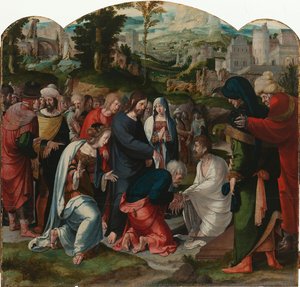
ルカス・ファン・レイデンに確実に帰属される現存する絵画は17点ほどですが、そのどれもが傑作です。「盲人の癒し」は、木々に囲まれた風景を背景に多くの人物を描いた壮大な作品であり、彼の才能を示す代表的なものです。また、「聖パウロ」(attr. レイデン)は、版画における彼の卓越した技術を際立たせています。「ミルク売り娘」(1510年、版画)は、初期の作品の中でも特にその繊細な描写力と表現力が評価されています。ルカスのスタイルは、鮮やかな色彩と遠近感(アエリアル・ペルスペクティブ)によって特徴づけられ、同時代の画家アルブレヒト・デューラーからも高く評価されました。彼の作品には、写実的な描写だけでなく、登場人物の感情や内面世界を表現しようとする試みがうかがえます。影響と後世への遺産
ルカス・ファン・レイデンの芸術は、ドイツ・ルネサンスに大きな影響を与えました。彼の革新的なスタイルと高度な技術は、多くの画家や版画家に刺激を与え、オランダ美術の発展に大きく貢献しました。特に、風俗画においては、その先駆的な役割は重要であり、後の世代の画家たちに多大な影響を与えました。ファン・レイデンの作品は、単なる技巧的な巧みさだけでなく、人間の生活や感情を深く理解しようとする姿勢が込められています。彼の遺産は、今日でも多くの芸術愛好家や研究者によって高く評価され、オランダ美術史における重要な位置を占めています。コレクションとオンラインでの鑑賞
ルカス・ファン・レイデンの作品は、世界各地の美術館に所蔵されており、その中でも特にヴァン・ゴッホ美術館(オランダ)は、彼の版画や絵画を多数収蔵しています。オンラインプラットフォームであるArtsDot.comでは、彼の作品を幅広く紹介しており、美術愛好家が彼の芸術世界を探求するのに役立ちます。- ルカス・ファン・レイデンの作品をArtsDot.comでご覧ください: ArtsDot.com
- ヴァン・ゴッホ美術館(オランダ)のコレクションをオンラインで探求してください: ヴァン・ゴッホ美術館
- オランダ美術とその先駆者について、ArtsDot.comのブログでさらに詳しく知ってください: ArtsDot.comのブログ
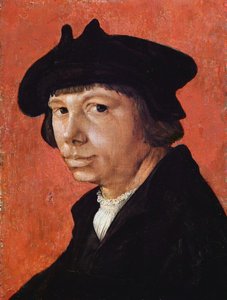
ルーカス・ファン・レイデン
1494 - 1533 , オランダ
プロフィール概要
- Artistic Movement Or Style: 初期ネーデルランド絵画
- Artists Or Movements Influenced By This Artist: ['ドイツ・ルネサンス']
- Artists Who Influenced This Artist: ['アルブレヒト・デューラー']
- Date Of Birth: 1494年、ライデン
- Date Of Death: 1533年
- Full Name: ルカス・ファン・レイデン
- Nationality: オランダ人
- Notable Artworks:
- 盲目の男の癒し
- 聖パウロ
- 牛乳売り
- Place Of Birth (City And Country): オランダ、ライデン

