

 プレビュー
プレビュー
 プリントを購入
 シェアする
シェアする シェアする
シェアする
 詳細を見る
詳細を見る

 ダウンロード
 似ている作品
 X線調査
X線調査 スライドショー
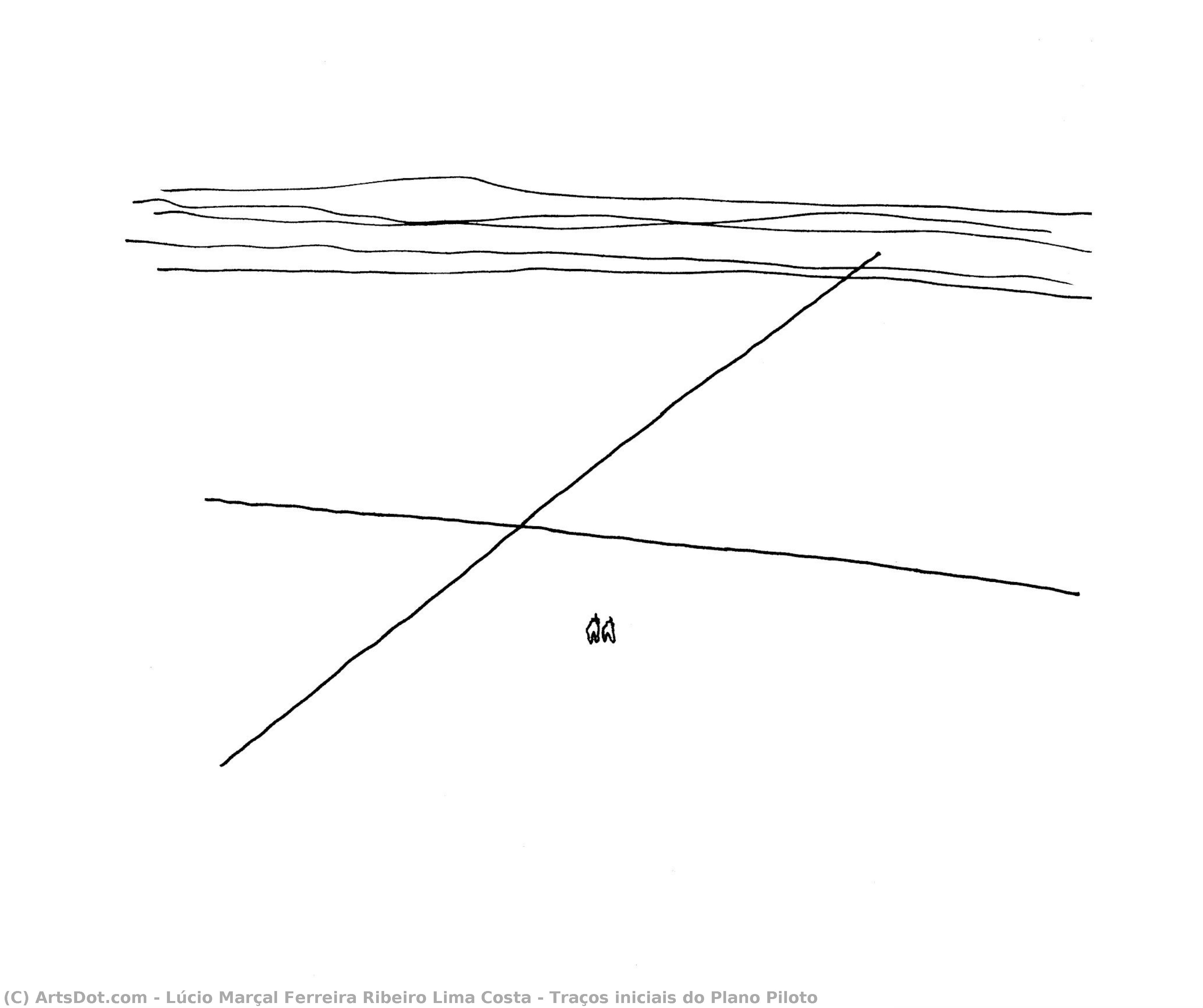
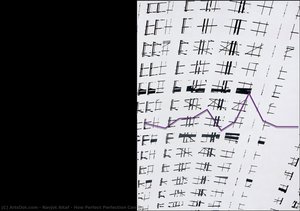
Traços iniciais do Plano Piloto

 詳細を見る
詳細を見る
オンラインプレビューをはるかに凌ぐ、高解像度で鮮明なデジタル画像をご購入いただけます。
各ファイルは、社内の専門家が高度なツールと熟練した手作業によるレタッチを用いて、細心の注意を払って準備されています。すべての画像において、卓越した鮮明度、正確な色彩再現性、そして繊細なディテールを保証いたします。
最終ファイルは、プロフェッショナルな編集・印刷環境ですぐにご利用いただけるよう最適化された状態で、72時間以内にメールにてお届けいたします。これは、一流のデザインスタジオ、出版社、ギャラリーから信頼されているものと同等の品質です。
デジタル画像のご注文に付随する特典
高品質なデジタル画像配信を、確かな品質で。
ArtsDot.com を選ぶことは、単に画像を手に入れることではありません。それは、プロの手によって精密に仕上げられ、満足保証が付いた高品質なデジタルアートワークを受け取ることを意味します。ご注文いただいた際に自動的に付随する内容は、以下の通りです:

メールですぐにお届け
ご注文から72時間以内に、高解像度のデジタル画像ファイルがメールでお手元に届きます。すぐにそのままご利用いただけます。

AI技術で最適化されたデジタルファイル
お客様の作品は、高度なAIツールと専門家による手作業の編集を組み合わせてプロフェッショナルに最適化されており、細部のディテール、鮮明さ、そして正確な色再現性を最大限に引き出しています。

一生涯無料の再送サービス
ファイルを誤って削除したり、紛失してしまったりしましたか?ご安心ください。いつでも無料で再送いたします。

輸入手数料は一切かかりません
関税や手数料、配送料を気にすることなく、お気に入りのアートワークをすぐにお楽しみいただけます。デジタルダウンロードは常に免税です。

色彩再現の保証
プロ仕様のツールとカラーマネジメント技術を用いることで、デジタル画像が元の色を最大限に忠実に再現することを保証いたします。

100日間満足保証
ご購入いただいたデジタル画像にご満足いただけない場合は、100日以内であれば、理由を問わず修正または100%の返金対応をさせていただきます。

100% 返金保証
ご満足いただけない場合は、デジタルファイルを受け取ってから100日以内であれば、理由を問わず全額返金いたします。

まとめ買い割引
3枚購入で10%OFF - 5枚購入で15%OFF - 10枚以上購入で20%OFF。クリエイティブなプロジェクト、ギャラリー、エージェンシーに最適です。
関連作品

作家の略歴
Lúcio Costa: Architect of Brasília and the Brazilian Modernist Soul
Lúcio Marçal Ferreira Ribeiro Lima Costa (February 27, 1902 – June 13, 1998) stands as a monumental figure in Brazilian architecture and urban planning. Born in Toulon, France, to a Brazilian diplomat family, his life was a fascinating synthesis of European education and deep-rooted Brazilian identity. Costa’s legacy isn't simply defined by the iconic design of Brasília, but rather by his profound contribution to shaping a distinctly modern Brazilian aesthetic – one that embraced both international influences and the rich tapestry of national heritage.
Costa’s early artistic training laid the foundation for his architectural vision. He studied at the Escola Nacional de Belas Artes in Rio de Janeiro, absorbing the principles of European Modernism while simultaneously developing a sensitivity to Brazilian forms and materials. His initial work reflected this duality, showcasing eclectic designs that blended colonial influences with emerging modern trends. However, it was his time working alongside Le Corbusier and Oscar Niemeyer – two titans of 20th-century architecture – that truly propelled him toward his signature style.
The Shaping of Brasília
Costa’s most celebrated achievement is undoubtedly the Pilot Plan for Brasília, a project he spearheaded as chief architect and urban planner. Selected as the winner of a prestigious competition in 1957, Costa meticulously crafted a plan that balanced functionality with an acute awareness of the Brazilian landscape and culture. Unlike many modernist schemes that imposed rigid grids, Brasília’s design incorporated curves and organic forms, mirroring the undulating topography of the Cerrado region. The city's layout—a central axis flanked by residential sectors—was intended to foster social interaction and a sense of community.
The construction of Brasília itself was a remarkable feat of engineering and organization, reflecting Brazil’s ambition under President Juscelino Kubitschek. Costa collaborated closely with Niemeyer on many key buildings within the city, including the National Congress, Palácio da Alvorada (Presidential Palace), and several government ministries. These structures, characterized by their bold curves, innovative use of concrete, and integration with the surrounding landscape, became instantly recognizable symbols of Brazil’s modern identity.
Influences and Artistic Style
Costa's architectural style was a complex blend of influences. He deeply admired Le Corbusier’s emphasis on functionality, rational design, and the use of concrete, but he resisted adopting the Swiss architect’s stark, geometric approach. Instead, Costa sought to infuse his designs with a distinctly Brazilian sensibility – incorporating elements of indigenous art, colonial architecture, and the vibrant colors of the country's cultural heritage.
His work also drew inspiration from Oscar Niemeyer, with whom he shared a close professional relationship. Niemeyer’s sculptural forms and innovative use of space profoundly influenced Costa’s designs, particularly in Brasília. However, Costa maintained his own distinct voice, prioritizing the creation of harmonious spaces that responded to the specific context of each project.
Beyond Brasília: A Legacy of Design
While Brasília remains his most famous work, Lúcio Costa's influence extended far beyond the capital city. He designed numerous public buildings throughout Brazil, including the Ministry of Education and Health in Rio de Janeiro, the Hotel do Park São Clemente, and several residential complexes. His designs were characterized by their elegance, functionality, and integration with the surrounding environment.
Costa’s contributions to Brazilian architecture are profound. He not only shaped the physical landscape of the country but also helped to define a national architectural identity – one that embraced modernity while celebrating Brazil's unique cultural heritage. His work continues to inspire architects and urban planners today, solidifying his place as one of the most important figures in 20th-century Brazilian design.
Costa’s Early Years & Academic Foundations
Born in Toulon, France, in 1902, Lúcio Costa's early life was marked by a peripatetic existence due to his father’s diplomatic career. This exposure to diverse cultures and architectural styles undoubtedly shaped his artistic sensibilities. He began his formal training at the Royal Grammar School in Newcastle upon Tyne and later attended the Collège National in Montreux, Switzerland, before returning to Rio de Janeiro to study architecture at the Escola Nacional de Belas Artes (later Escola de Belas Artes/FAU – Faculty of Architecture and Urbanism at the University of Rio de Janeiro).
His initial professional experience involved working as a draftsman for technical offices, primarily designing eclectic and colonial-style houses for the wealthy Carioca elite. This early work provided him with valuable practical skills while simultaneously exposing him to the diverse architectural traditions of Brazil. Crucially, it also marked a departure from purely academic training, grounding his designs in real-world construction practices.
His appointment as director of the Escola Nacional de Belas Artes in 1930 proved pivotal. This role allowed him to implement significant reforms within the school, introducing modern architectural principles and fostering a new generation of Brazilian architects. His tenure was marked by both innovation and controversy, ultimately leading to his resignation amidst political tensions.
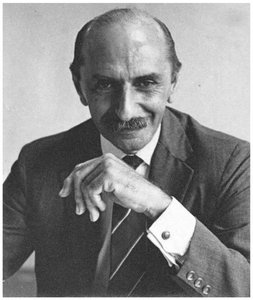
lúcio marçal ferreira ribeiro lima costa
1902 - 1998 , France
プロフィール概要
- Artistic Movement Or Style: Modernism, Brazilian Modernism
- Artists Or Movements Influenced By This Artist: ['Brazilian Modernism']
- Artists Who Influenced This Artist:
- Le Corbusier
- Oscar Niemeyer
- Date Of Birth: February 27, 1902
- Date Of Death: June 13, 1998
- Full Name: Lúcio Marçal Ferreira Ribeiro Lima Costa
- Nationality: Brazilian
- Notable Artworks:
- Brasília Pilot Plan
- Parque Guinle
- Hotel do Park São Clemente
- Place Of Birth: Toulon, France