

 プレビュー
プレビュー
 シェアする
シェアする シェアする
シェアする
 詳細を見る
詳細を見る

 ダウンロード
 似ている作品
 X線調査
X線調査 スライドショー
 統計情報
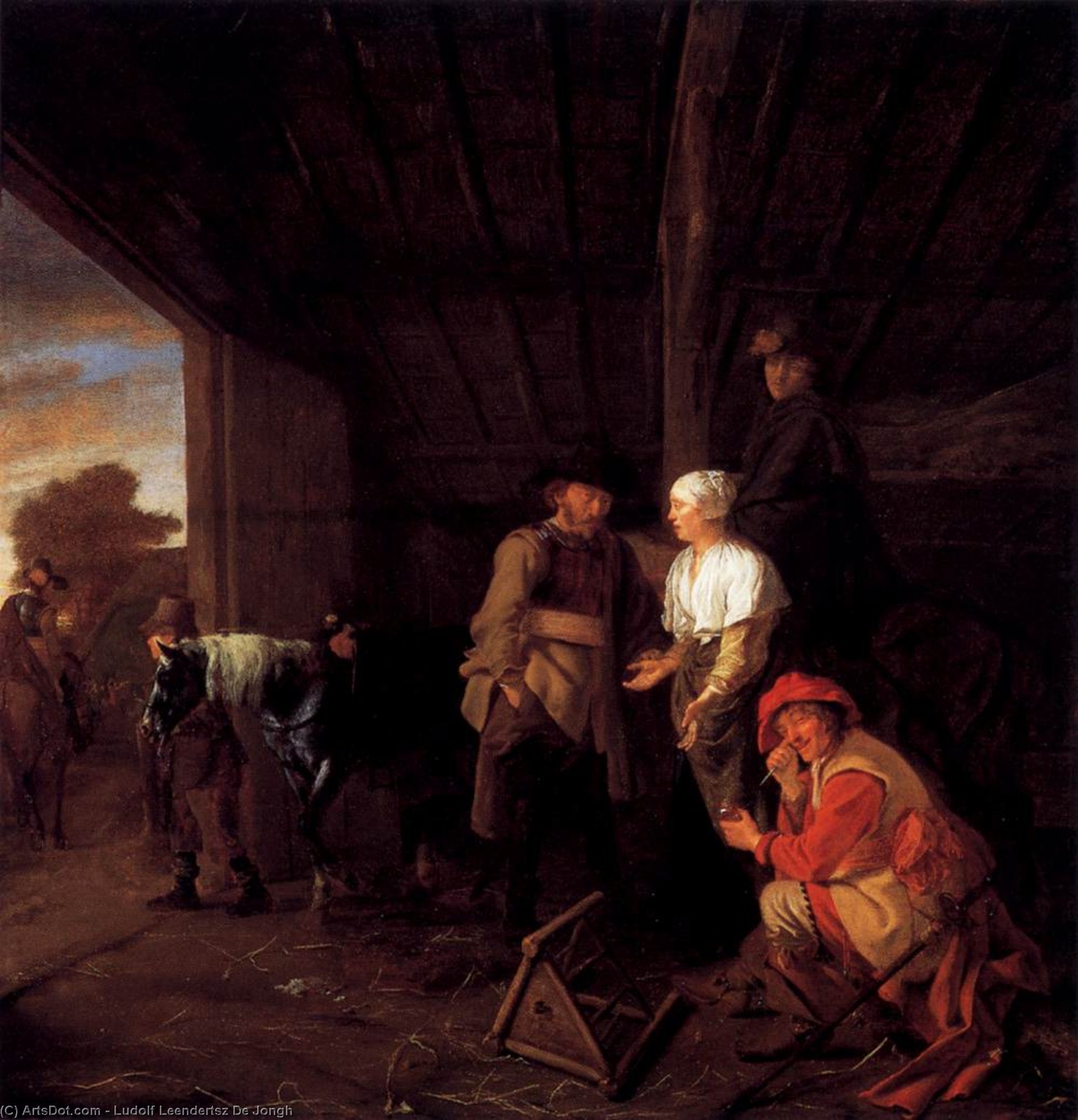
統計情報Paying the Hostess
 1650
1650 66.0 x 63.0 cm
 詳細を見る
詳細を見る
ジークレー/アートプリント
迅速な制作と多彩な仕上げオプションを備えた、ミュージアムクオリティのジークレーまたはキャンバスプリント。 ( 手描きの絵画を購入 デジタル画像販売へ切り替え)




































作品のオリジナル比率に合わせた、当店の規定サイズからお選びください。

特定のフレームやスペースに合わせて、ご自身でサイズを指定することも可能です。選択されたサイズが元の画像の比率と一致しない場合、作品をトリミングするか、鏡面反射または単色での塗りつぶしによって画像を拡張いたします。制作を開始する前に、ご確認用のデジタルモックアップをお送りいたします。
画面上のプレビューには、実際のトリミングや拡張は反映されませんのでご注意ください。最終的な構図を正確に確認できるのは、モックアップのみとなります。
カスタムサイズも承っておりますが、元の比率を維持するためには、あらかじめ用意されたリストからサイズを選択することをお勧めいたします。


 ガラスオプションは、110cm未満のサイズでのみご利用いただけます。

Paying the Hostess
ジークレー/アートプリント
複製画のサイズ
-


合計金額
$ 62
関連作品





アーティストの略歴
The Dramatic Legacy of Ludolf Leendertsz de Jongh
In the heart of the Dutch Golden Age, a period defined by unparalleled artistic flourishing and mercantile prosperity, the name Ludolf Leendertsz de Jongh resonates with the dramatic intensity of a master storyteller. Born in 1616 in Overschie, Netherlands, de Jongh’s ascent from the son of a shoemaker to a celebrated figure in Rotterdam’s vibrant artistic circle is a testament to an extraordinary dedication to his craft. His journey was not merely one of technical mastery but of profound stylistic evolution, as he navigated the complex influences of the Utrecht School and the revolutionary shadows of the Caravaggisti. Through his brush, the quiet landscapes and bustling scenes of the seventeenth century were imbued with a psychological depth that captured the very essence of the human experience.
The foundations of de Jongh’s artistry were laid in Delft, where he studied under the tutelage of Cornelis Saftleven and Anthony Palamedes. This early training deeply embedded him within a tradition that revered the dramatic use of light and shadow. The influence of Caravaggio is palpable throughout his oeuvre; de Jongh mastered the technique of chiaroscuro, using stark contrasts to pull figures from the darkness and lend them a visceral, tactile reality. This mastery allowed him to transform simple genre scenes into profound meditations on movement and emotion. His travels further expanded his horizons, most notably a transformative voyage to France in 1635 alongside Frans Bacon, an experience that undoubtedly broadened his intellectual and visual vocabulary before he eventually established his permanent studio in Rotterdam.
A Versatile Visionary of the Dutch Golden Age
De Jongh was far more than a specialist in a single niche; he was a versatile virtuoso whose repertoire spanned a breathtaking array of subjects. He was equally adept at capturing the rugged energy of a fox hunt, the architectural grandeur of cityscapes, and the serene stillness of landscapes. His ability to blend human activity with the natural world is perhaps most evident in his hunting scenes, where the frantic motion of hounds and horses is balanced by a meticulous attention to the surrounding woods and light. In these works, one can observe his skill as a staffage painter—a specialist capable of breathing life into larger compositions by adding precisely rendered figures that interact seamlessly with the environment.
Beyond the canvas, de Jongh’s life was deeply intertwined with the civic fabric of his time. He was not merely an observer of society but an active participant, serving as a merchant, an officer in the Rotterdam civil guard, and even as the schout (sheriff) of Hillegersberg. This multifaceted existence provided him with a unique vantage point from which to observe the social hierarchies and daily rhythms of Dutch life, which he then translated into his portraits and genre paintings. His influence was so significant that by the 1650s, he stood as the leading genre painter in Rotterdam, leaving an indelible mark on subsequent generations of artists, including the renowned Pieter de Hooch.
The enduring significance of Ludolf Leendertsz de Jongh lies in his ability to synthesize the dramatic tension of the Southern European tradition with the meticulous realism of the Dutch school. His works remain captivating windows into a bygone era, offering much more than mere documentation. They provide an emotional resonance that continues to stir the modern viewer, reminding us of a time when light and shadow were used not just to illuminate a scene, but to reveal the very soul of the subject.
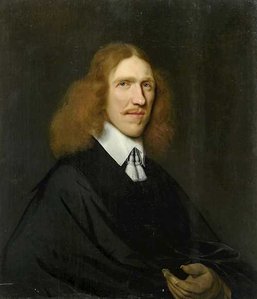
ludolf leendertsz de jongh
1616 - 1679 , Netherlands
基本情報
- Artistic Movement Or Style: Caravaggio-inspired
- Artists Or Movements Influenced By This Artist: ['Caravaggio']
- Artists Who Influenced This Artist:
- Jacob Duck
- Pieter de Hooch
- Date Of Birth: 1616 Oostzaan, Netherlands
- Date Of Death: 1679 Hillegersberg, Netherlands
- Full Name: Ludolf Leendertsz. de Jongh
- Nationality: Dutch
- Notable Artworks:
- Portrait of Aletta van Ravensberg
- Paying the Hostess
- Interior of a Church at Night
- Place Of Birth: Oostzaan