

 プレビュー
プレビュー
 プリントを購入
 シェアする
シェアする シェアする
シェアする
 詳細を見る
詳細を見る

 ダウンロード
 似ている作品
 X線調査
X線調査 スライドショー
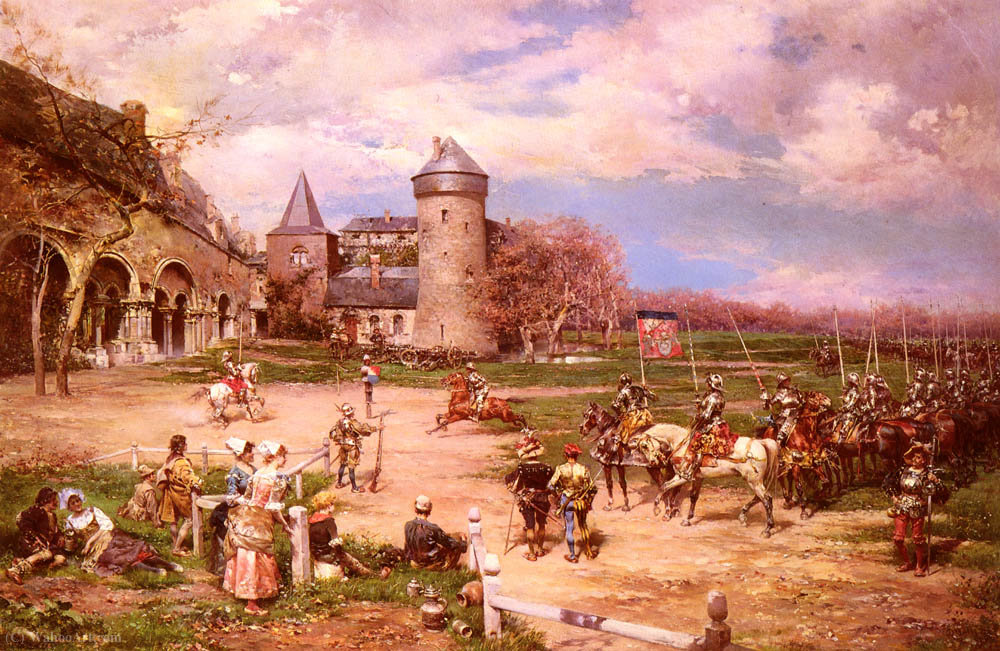
Militari Italiani E Corte D-Onore Del Castello Di Potois

 詳細を見る
詳細を見る




































作品のオリジナル比率に合わせた、当店の規定サイズからお選びください。

特定のフレームやスペースに合わせて、ご希望のサイズをご入力いただけます。選択されたサイズが元の画像の比率と異なる場合、アートワークをトリミングするか、手描きで要素を追加して絵画を拡張いたします。デジタルモックアップ を制作し、制作開始前にご確認(承認)をいただきます。
画面上のプレビューは、実際のトリミングや拡張を正確に反映しているものではありません。最終的な構図は、モックアップによってのみ正確にご確認いただけます。
カスタムサイズもご利用いただけますが、元の比率を維持するためには、あらかじめ用意されたリストからサイズを選択することをお勧めいたします。
ご注文後、ArtsDot.com チームより詳細な指示をお送りするとともに、仕上がりイメージ(モックアップ)をご提供いたします。


 ガラスオプションは、110cm未満のサイズでのみご利用いただけます。

Militari Italiani E Corte D-Onore Del Castello Di Potois
複製技法
複製画のサイズ
-


合計金額
$ 313
関連作品

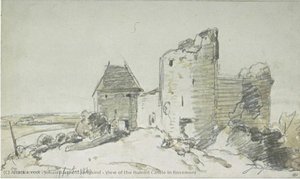
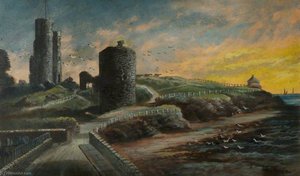
アーティストの略歴
The Enigmatic World of Ludovico Marchetti: A Painter of Aristocratic Life and Military Spectacle
Ludovico Marchetti remains a fascinating, yet somewhat elusive figure in the pantheon of 19th-century Italian painting. While not as widely celebrated as some of his contemporaries, Marchetti carved a distinctive niche for himself with his meticulously detailed depictions of aristocratic life, particularly within military settings. His canvases breathe with an air of romantic nostalgia, capturing a bygone era of elegance, valor, and subtle intrigue. Born in Italy (the exact location and date are often debated, contributing to the enigmatic nature surrounding him), Marchetti’s career unfolded primarily during a period of significant social and political upheaval – the Risorgimento and its aftermath. This context profoundly shaped his artistic vision, leading him to focus on themes of national identity, historical memory, and the enduring power of tradition. He wasn't merely documenting events; he was constructing narratives, often imbued with a sense of idealized heroism and refined sensibility.Early Influences and Artistic Development
Marchetti’s early training remains largely undocumented, but scholars believe he likely received instruction in traditional academic techniques, common to Italian art schools of the time. His work reveals a clear debt to masters like Jean-Léon Gérôme and other Orientalist painters who captivated European audiences with their exotic scenes and dramatic lighting. However, Marchetti quickly moved beyond mere imitation, developing a unique style characterized by an extraordinary attention to detail – particularly in rendering fabrics, weaponry, and architectural elements. His paintings are not simply historical representations; they are exercises in exquisite craftsmanship. He possessed a remarkable ability to recreate textures and surfaces with astonishing realism, drawing viewers into the opulent world he depicted. Initially, his subjects were broader, encompassing genre scenes and portraits, but he soon gravitated towards military themes, likely fueled by the patriotic fervor sweeping Italy during the unification process. This shift marked a turning point in his career, establishing him as a specialist in portraying soldiers, officers, and the rituals of army life.The Rise to Prominence: Depicting Military Life
Marchetti’s breakthrough came with a series of paintings that focused on the Italian military, specifically the *Bersaglieri* – the elite infantry regiment known for their distinctive feathered hats and rapid marching pace. He didn't portray grand battles or sweeping campaigns; instead, he concentrated on intimate moments within the barracks, during training exercises, or in quiet repose. These scenes are remarkable for their psychological depth. Marchetti captured not just the outward appearance of soldiers but also their inner lives – their camaraderie, discipline, and sense of duty. His paintings became immensely popular among military officers and aristocratic patrons who saw in them a celebration of Italian valor and national pride. He skillfully blended historical accuracy with romantic idealism, creating images that resonated deeply with contemporary audiences. The attention to detail extended beyond the figures themselves; he meticulously researched uniforms, weaponry, and military procedures, ensuring an unparalleled level of authenticity.Potois Castle and the Musketeer Series: A Legacy in Detail
Perhaps Marchetti’s most significant achievement is his series of paintings depicting life at Potois Castle, a fictionalized setting inspired by 17th-century aristocratic residences. These works showcase his mastery of composition, color, and narrative storytelling. The scenes are populated with musketeers – dashing figures clad in elaborate costumes, engaged in various activities: duels, banquets, courtly intrigues, and quiet moments of reflection.- The series is notable for its sheer scale and ambition.
- Marchetti created a complete world, filled with richly imagined characters and meticulously rendered details.
- He explored themes of honor, loyalty, and betrayal within the context of a romanticized past.
Historical Significance and Enduring Appeal
Ludovico Marchetti's historical significance lies in his ability to capture the spirit of an era undergoing profound transformation. His paintings offer valuable insights into the social values, political aspirations, and cultural anxieties of 19th-century Italy. While he wasn’t a revolutionary artist challenging established norms, he was a skilled storyteller who used his art to celebrate national identity and historical memory. His meticulous attention to detail and romantic sensibility continue to captivate audiences today. Marchetti's work serves as a reminder of the enduring power of tradition and the allure of a bygone era – an era of elegance, valor, and subtle intrigue that he so skillfully brought to life on canvas. His legacy resides not in grand pronouncements or radical innovations but in the quiet beauty and exquisite craftsmanship of his paintings, offering a glimpse into a world meticulously recreated with passion and precision.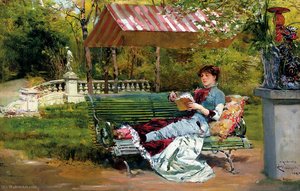
基本情報
- Artistic Movement Or Style: Orientalist painting
- Current Biography: Captures Italian military life & aristocratic scenes with rich detail.
- Full Name: Ludovico Marchetti
- Nationality: Italian
- Notable Artworks:
- Potois Castle
- Musketeers Art
関連記事
19th Century Masterpieces: 10 Paintings That Defined an Era | ArtsDot
Journey through 19th century art with ArtsDot! Explore 10 iconic paintings – from Monet & Renoir to Courbet – and discover the stories behind Romanticism, Realism & Impressionism. Find museum-quality reproductions for your home decor. Explore the full collection online!
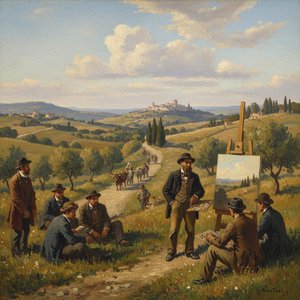
Giovanni Fattori: Realism, Identity & the Tuscan Landscape – A Macchiaioli Master
Explore the life & art of Giovanni Fattori, a leading figure of the Macchiaioli movement. Discover his revolutionary realism, captivating Tuscan landscapes, and lasting impact on Italian painting. Learn more at ArtsDot.
The Art of Italian Living: Transform Your Home with Timeless Landscapes and Renaissance Masterpieces
Elevate your home with the timeless romance of Italy. Discover expert-curated, hand-painted Italian landscapes and Renaissance-inspired masterpieces. From bespoke oil reproductions to custom portraits from photos, transform your space with elegance and artistic passion.
Echoes of Change: Exploring Themes & Techniques in 19th-Century Art
Explore the captivating world of 19th-century art! Discover Romanticism & Realism's key artists, masterpieces, and social commentary. Expert insights for collectors & enthusiasts.
The Enduring Legacy of 18th & 19th Century Art: Movements, Masters & Societal Reflections
Explore the rich history of 18th & 19th-century art! Discover Romanticism, Realism, and iconic masters like Delacroix & Courbet. Expert insights & high-quality reproductions at ArtsDot.

