

 プレビュー
プレビュー
 プリントを購入
 シェアする
シェアする シェアする
シェアする
 詳細を見る
詳細を見る

 ダウンロード
 似ている作品
 X線調査
X線調査 スライドショー
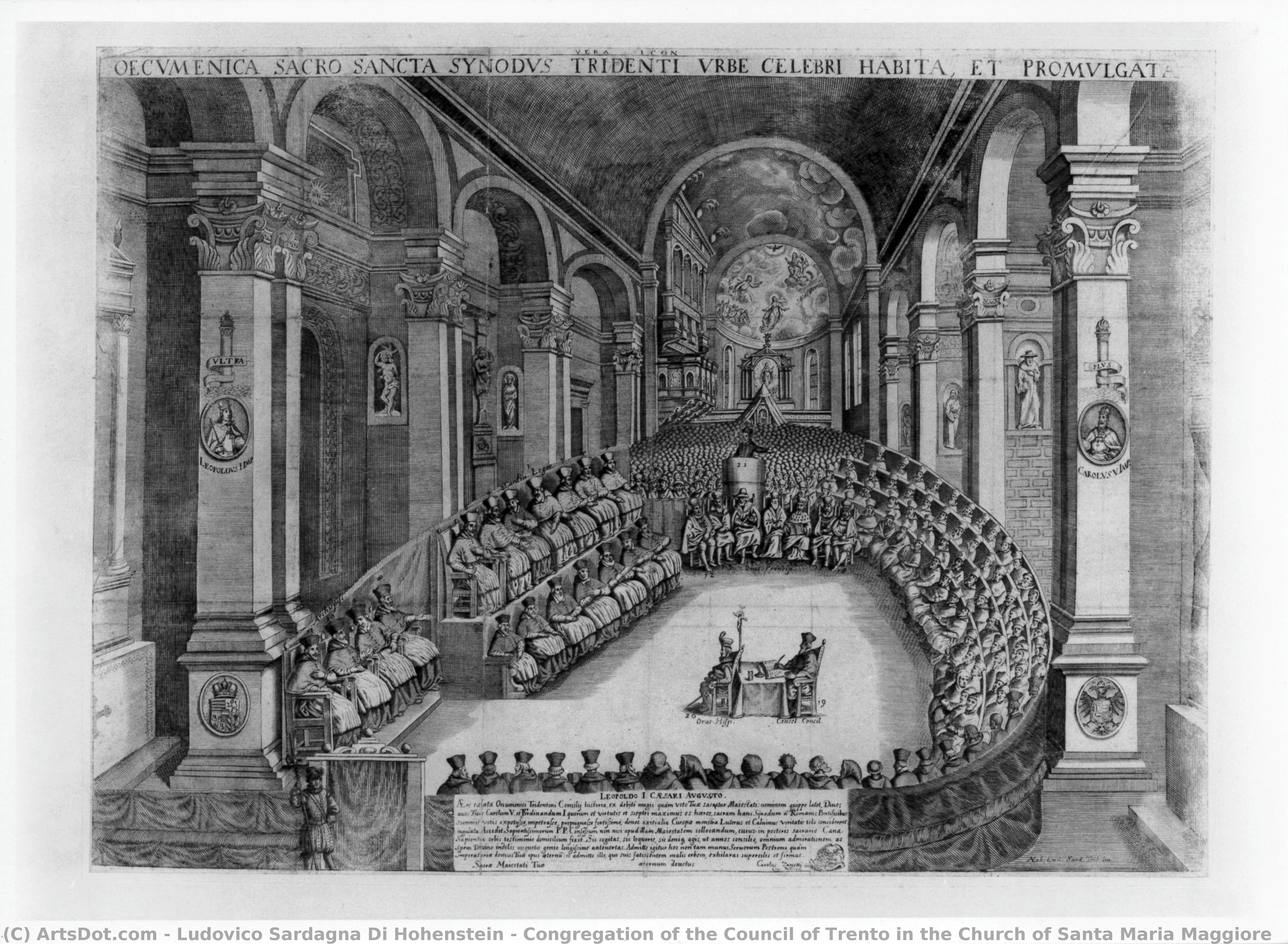
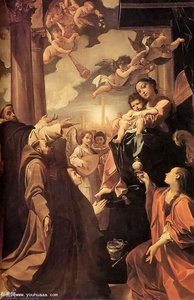
Congregation of the Council of Trento in the Church of Santa Maria Maggiore


 詳細を見る
詳細を見る




































作品のオリジナル比率に合わせた、当店の規定サイズからお選びください。

特定のフレームやスペースに合わせて、ご希望のサイズをご入力いただけます。選択されたサイズが元の画像の比率と異なる場合、アートワークをトリミングするか、手描きで要素を追加して絵画を拡張いたします。デジタルモックアップ を制作し、制作開始前にご確認(承認)をいただきます。
画面上のプレビューは、実際のトリミングや拡張を正確に反映しているものではありません。最終的な構図は、モックアップによってのみ正確にご確認いただけます。
カスタムサイズもご利用いただけますが、元の比率を維持するためには、あらかじめ用意されたリストからサイズを選択することをお勧めいたします。
ご注文後、ArtsDot.com チームより詳細な指示をお送りするとともに、仕上がりイメージ(モックアップ)をご提供いたします。


 ガラスオプションは、110cm未満のサイズでのみご利用いただけます。

Congregation of the Council of Trento in the Church of Santa Maria Maggiore
複製技法
複製画のサイズ
-


合計金額
$ 488
関連作品
アーティストの略歴
Ludovico Sardagna di Hohenstein: A Master of Venetian Religious Painting
Ludovico Sardagna di Hohenstein, a name perhaps less familiar than his contemporaries Veronese or Tintoretto, nevertheless stands as a significant figure in the vibrant artistic landscape of 17th-century Venice. Born around 1620 in Italy – the exact date remains shrouded in some uncertainty – Sardagna’s career unfolded during a period of immense religious fervor and artistic innovation within the Venetian Republic. His work, characterized by a meticulous attention to detail, dramatic lighting, and a profound understanding of Baroque aesthetics, offers a compelling glimpse into the spiritual and cultural currents of his time. While he didn't achieve the same level of widespread fame as some of his peers, Sardagna’s contributions to religious painting are deeply rooted in Venetian tradition and demonstrate a remarkable ability to capture both the grandeur and the emotional intensity of faith.
Sardagna’s early artistic training is somewhat elusive. Records suggest he likely apprenticed under established Venetian masters, absorbing the techniques and stylistic influences prevalent at the time. The impact of Veronese, particularly his mastery of color and composition, is readily apparent in Sardagna's later works. However, there’s also a distinct influence from the more dramatic and tenebrous style of Tintoretto, evident in the use of chiaroscuro – the skillful manipulation of light and shadow – to create a sense of drama and movement within his paintings. This dual influence shaped his unique artistic voice, blending Veronese's opulence with Tintoretto’s dynamism.
Key Works and Artistic Style
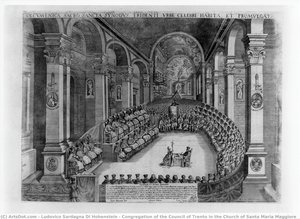
Sardagna’s oeuvre is relatively modest compared to the output of some Venetian masters, but several key works have survived, offering valuable insights into his artistic development. “The Council of Trent in the Church of Santa Maria Maggiore” (1658) stands as perhaps his most celebrated achievement. This monumental painting, commissioned for the prestigious Santa Maria Maggiore church, depicts a scene of immense historical and religious significance – the gathering of cardinals and bishops to address critical issues within the Catholic Church. The composition is meticulously planned, with figures arranged in a dynamic pyramid that draws the viewer’s eye towards the central figure of Pope Alexander VII. Sardagna's skill in rendering fabrics, textures, and facial expressions is particularly noteworthy, conveying both the authority of the church hierarchy and the palpable sense of urgency within the scene.
Beyond “The Council of Trent,” other notable works include depictions of saints, religious scenes, and portraits. His paintings frequently showcase a deep understanding of anatomy and drapery, hallmarks of Venetian art. Sardagna’s use of color is rich and vibrant, employing a palette that reflects the opulent tastes of the Venetian elite. He was particularly adept at creating a sense of depth and perspective, utilizing atmospheric effects to convey the vastness of churches and the grandeur of religious ceremonies. His works often feature elaborate costumes and richly decorated interiors, reflecting the wealth and power of the Catholic Church during the Baroque period.
Historical Context and Influences
Sardagna’s artistic career unfolded within a complex historical context. Venice in the 17th century was a thriving center of commerce, art, and religious patronage. The city's wealth, derived from its maritime trade, fueled an unprecedented demand for art, particularly religious paintings intended for churches and private collections. The Counter-Reformation, initiated by the Catholic Church to combat the spread of Protestantism, also profoundly influenced artistic production. Religious imagery became increasingly didactic, aiming to inspire piety and reinforce Catholic doctrine. Sardagna’s work reflects this trend, often depicting scenes from the Bible or the lives of saints in a manner that emphasized their moral virtues and spiritual significance.
Furthermore, the rise of scientific inquiry during the Renaissance had a subtle but significant impact on Venetian art. Artists like Veronese and Tintoretto were fascinated by optics and perspective, employing these principles to create more realistic and convincing depictions of space. Sardagna’s paintings demonstrate a similar awareness of spatial relationships, utilizing techniques such as linear perspective to create a sense of depth and realism.
Legacy and Recognition
Despite not achieving the same level of fame as some of his contemporaries, Ludovico Sardagna di Hohenstein remains an important figure in Venetian art history. His works are now housed in various museums and private collections around the world, including the Pinacoteca di Brera in Milan and the Galleria dell’Accademia in Venice. His “Council of Trent” continues to be studied for its masterful composition and dramatic use of light and shadow. Research into Sardagna's life and work is ongoing, shedding new light on his artistic development and contributions to the rich tapestry of Venetian painting. His legacy lies not only in his individual works but also in his embodiment of the spirit of the Baroque era – a time of intense religious fervor, artistic innovation, and unparalleled cultural dynamism.
基本情報
- Artistic Movement Or Style: 17th Century Italian Art
- Artists Or Movements Influenced By This Artist:
- Veronese
- Tintoretto
- Full Name: Ludovico Sardagna di Hohenstein
- Nationality: Italian
- Notable Artworks:
- Two Courtiers
- Council of Trent
- Place Of Birth: Italy
関連記事
Engraving's Golden Age: 10 Masterpieces That Redefined Art | ArtsDot
Journey through art history with our Top 10 Legendary Engravings! Explore masterpieces by Dürer, Rembrandt & Goya. Discover the stories behind these iconic prints and find museum-quality reproductions for your home at ArtsDot.com.
Engraving: A Historical Survey of Technique, Artistic Expression & Enduring Legacy
Explore the rich history of engraving with ArtsDot. Discover techniques, iconic artists like Dürer & Callot, collecting tips, and expert guidance for preserving your art investment. Learn about intaglio printing & more!

バロックのドラマ:現代のインテリアに壮麗さと情感を取り込む
バロック様式の歴史、絵画、家具の魅力をご紹介。ArtsDotでは、高品質な油絵複製やカスタムポートレートをご提供し、現代のインテリアに壮麗さと情感を取り入れます。アートコンサルテーションも承ります。
The Intricate World of Engraving: A Historical Survey of Technique, Artistic Expression & Enduring Legacy
Explore the rich history of engraving with ArtsDot. Discover techniques, iconic artists like Dürer & Callot, collecting tips, and expert guidance for preserving your art investment. Learn about intaglio printing & more!

The Dramatic Flourish: Exploring the Baroque Movement's Enduring Legacy in Art History
Explore the dramatic world of Baroque art! Discover iconic artists like Caravaggio & Rubens, defining techniques, and its lasting impact on art history. Expert insights for collectors & enthusiasts at ArtsDot.