

 プレビュー
プレビュー
 プリントを購入
 シェアする
シェアする シェアする
シェアする
 詳細を見る
詳細を見る

 ダウンロード
 似ている作品
 X線調査
X線調査 スライドショー
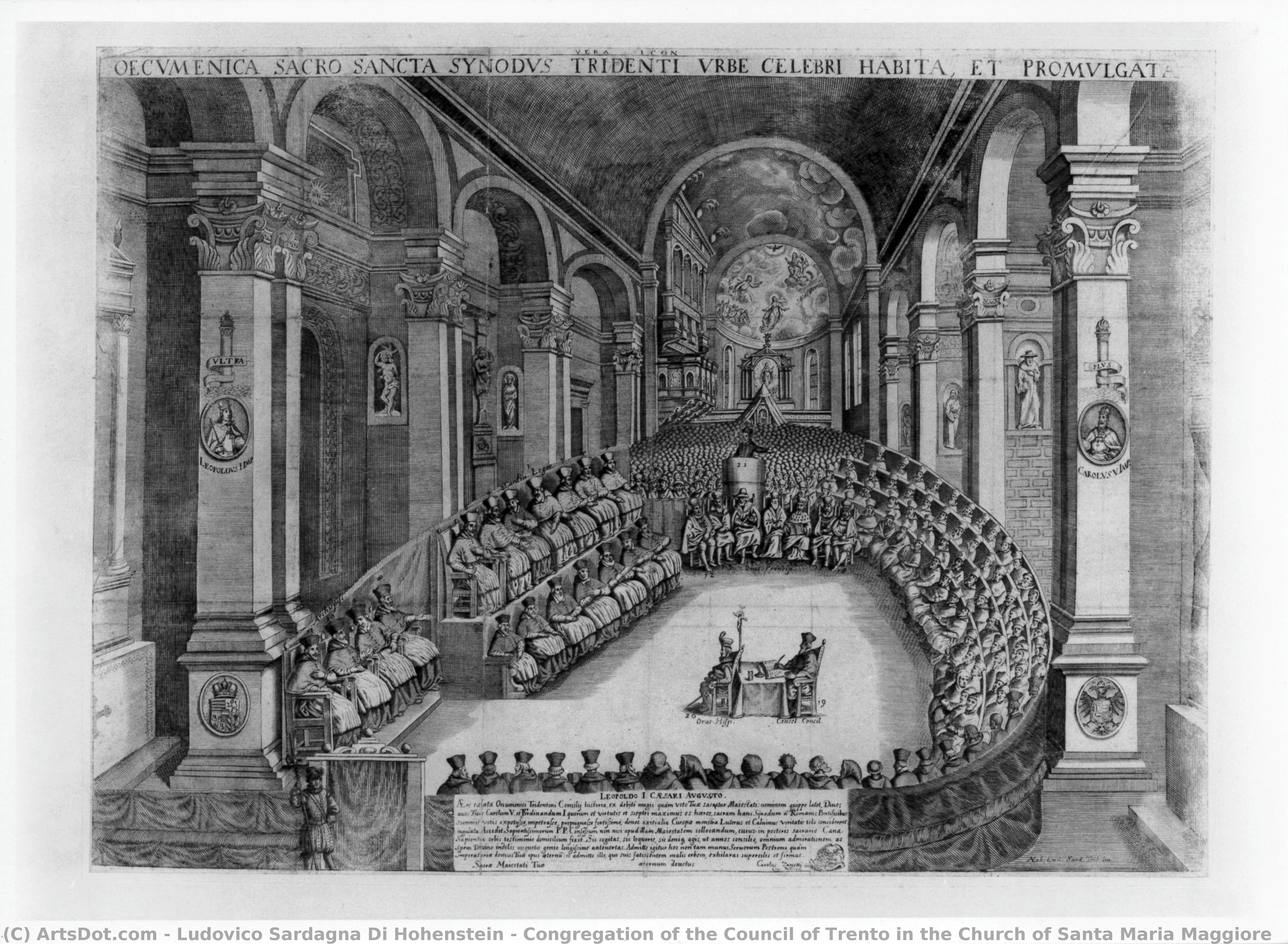
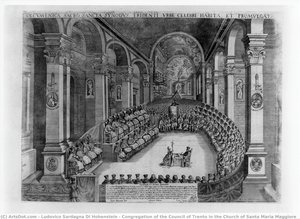
Congregation of the Council of Trento in the Church of Santa Maria Maggiore


 詳細を見る
詳細を見る
オンラインプレビューをはるかに凌ぐ、高解像度で鮮明なデジタル画像をご購入いただけます。
各ファイルは、社内の専門家が高度なツールと熟練した手作業によるレタッチを用いて、細心の注意を払って準備されています。すべての画像において、卓越した鮮明度、正確な色彩再現性、そして繊細なディテールを保証いたします。
最終ファイルは、プロフェッショナルな編集・印刷環境ですぐにご利用いただけるよう最適化された状態で、72時間以内にメールにてお届けいたします。これは、一流のデザインスタジオ、出版社、ギャラリーから信頼されているものと同等の品質です。
デジタル画像のご注文に付随する特典
高品質なデジタル画像配信を、確かな品質で。
ArtsDot.com を選ぶことは、単に画像を手に入れることではありません。それは、プロの手によって精密に仕上げられ、満足保証が付いた高品質なデジタルアートワークを受け取ることを意味します。ご注文いただいた際に自動的に付随する内容は、以下の通りです:

メールですぐにお届け
ご注文から72時間以内に、高解像度のデジタル画像ファイルがメールでお手元に届きます。すぐにそのままご利用いただけます。

AI技術で最適化されたデジタルファイル
お客様の作品は、高度なAIツールと専門家による手作業の編集を組み合わせてプロフェッショナルに最適化されており、細部のディテール、鮮明さ、そして正確な色再現性を最大限に引き出しています。

一生涯無料の再送サービス
ファイルを誤って削除したり、紛失してしまったりしましたか?ご安心ください。いつでも無料で再送いたします。

輸入手数料は一切かかりません
関税や手数料、配送料を気にすることなく、お気に入りのアートワークをすぐにお楽しみいただけます。デジタルダウンロードは常に免税です。

色彩再現の保証
プロ仕様のツールとカラーマネジメント技術を用いることで、デジタル画像が元の色を最大限に忠実に再現することを保証いたします。

100日間満足保証
ご購入いただいたデジタル画像にご満足いただけない場合は、100日以内であれば、修正または100%の返金(理由を問う必要はありません)をさせていただきます。

100% 返金保証
ご満足いただけない場合は、デジタルファイルを受け取ってから100日以内であれば、理由を問わず全額返金いたします。

まとめ買い割引
3枚購入で10%OFF - 5枚購入で15%OFF - 10枚以上購入で20%OFF。クリエイティブなプロジェクト、ギャラリー、エージェンシーに最適です。
関連作品
作家の略歴
Ludovico Sardagna di Hohenstein: A Master of Venetian Religious Painting
Ludovico Sardagna di Hohenstein, a name perhaps less familiar than his contemporaries Veronese or Tintoretto, nevertheless stands as a significant figure in the vibrant artistic landscape of 17th-century Venice. Born around 1620 in Italy – the exact date remains shrouded in some uncertainty – Sardagna’s career unfolded during a period of immense religious fervor and artistic innovation within the Venetian Republic. His work, characterized by a meticulous attention to detail, dramatic lighting, and a profound understanding of Baroque aesthetics, offers a compelling glimpse into the spiritual and cultural currents of his time. While he didn't achieve the same level of widespread fame as some of his peers, Sardagna’s contributions to religious painting are deeply rooted in Venetian tradition and demonstrate a remarkable ability to capture both the grandeur and the emotional intensity of faith.
Sardagna’s early artistic training is somewhat elusive. Records suggest he likely apprenticed under established Venetian masters, absorbing the techniques and stylistic influences prevalent at the time. The impact of Veronese, particularly his mastery of color and composition, is readily apparent in Sardagna's later works. However, there’s also a distinct influence from the more dramatic and tenebrous style of Tintoretto, evident in the use of chiaroscuro – the skillful manipulation of light and shadow – to create a sense of drama and movement within his paintings. This dual influence shaped his unique artistic voice, blending Veronese's opulence with Tintoretto’s dynamism.
Key Works and Artistic Style
Sardagna’s oeuvre is relatively modest compared to the output of some Venetian masters, but several key works have survived, offering valuable insights into his artistic development. “The Council of Trent in the Church of Santa Maria Maggiore” (1658) stands as perhaps his most celebrated achievement. This monumental painting, commissioned for the prestigious Santa Maria Maggiore church, depicts a scene of immense historical and religious significance – the gathering of cardinals and bishops to address critical issues within the Catholic Church. The composition is meticulously planned, with figures arranged in a dynamic pyramid that draws the viewer’s eye towards the central figure of Pope Alexander VII. Sardagna's skill in rendering fabrics, textures, and facial expressions is particularly noteworthy, conveying both the authority of the church hierarchy and the palpable sense of urgency within the scene.
Beyond “The Council of Trent,” other notable works include depictions of saints, religious scenes, and portraits. His paintings frequently showcase a deep understanding of anatomy and drapery, hallmarks of Venetian art. Sardagna’s use of color is rich and vibrant, employing a palette that reflects the opulent tastes of the Venetian elite. He was particularly adept at creating a sense of depth and perspective, utilizing atmospheric effects to convey the vastness of churches and the grandeur of religious ceremonies. His works often feature elaborate costumes and richly decorated interiors, reflecting the wealth and power of the Catholic Church during the Baroque period.
Historical Context and Influences
Sardagna’s artistic career unfolded within a complex historical context. Venice in the 17th century was a thriving center of commerce, art, and religious patronage. The city's wealth, derived from its maritime trade, fueled an unprecedented demand for art, particularly religious paintings intended for churches and private collections. The Counter-Reformation, initiated by the Catholic Church to combat the spread of Protestantism, also profoundly influenced artistic production. Religious imagery became increasingly didactic, aiming to inspire piety and reinforce Catholic doctrine. Sardagna’s work reflects this trend, often depicting scenes from the Bible or the lives of saints in a manner that emphasized their moral virtues and spiritual significance.
Furthermore, the rise of scientific inquiry during the Renaissance had a subtle but significant impact on Venetian art. Artists like Veronese and Tintoretto were fascinated by optics and perspective, employing these principles to create more realistic and convincing depictions of space. Sardagna’s paintings demonstrate a similar awareness of spatial relationships, utilizing techniques such as linear perspective to create a sense of depth and realism.
Legacy and Recognition
Despite not achieving the same level of fame as some of his contemporaries, Ludovico Sardagna di Hohenstein remains an important figure in Venetian art history. His works are now housed in various museums and private collections around the world, including the Pinacoteca di Brera in Milan and the Galleria dell’Accademia in Venice. His “Council of Trent” continues to be studied for its masterful composition and dramatic use of light and shadow. Research into Sardagna's life and work is ongoing, shedding new light on his artistic development and contributions to the rich tapestry of Venetian painting. His legacy lies not only in his individual works but also in his embodiment of the spirit of the Baroque era – a time of intense religious fervor, artistic innovation, and unparalleled cultural dynamism.
プロフィール概要
- Artistic Movement Or Style: 17th Century Italian Art
- Artists Or Movements Influenced By This Artist:
- Veronese
- Tintoretto
- Full Name: Ludovico Sardagna di Hohenstein
- Nationality: Italian
- Notable Artworks:
- Two Courtiers
- Council of Trent
- Place Of Birth: Italy