

 プレビュー
プレビュー
 プリントを購入
 シェアする
シェアする シェアする
シェアする
 詳細を見る
詳細を見る

 ダウンロード
 似ている作品
 X線調査
X線調査 スライドショー
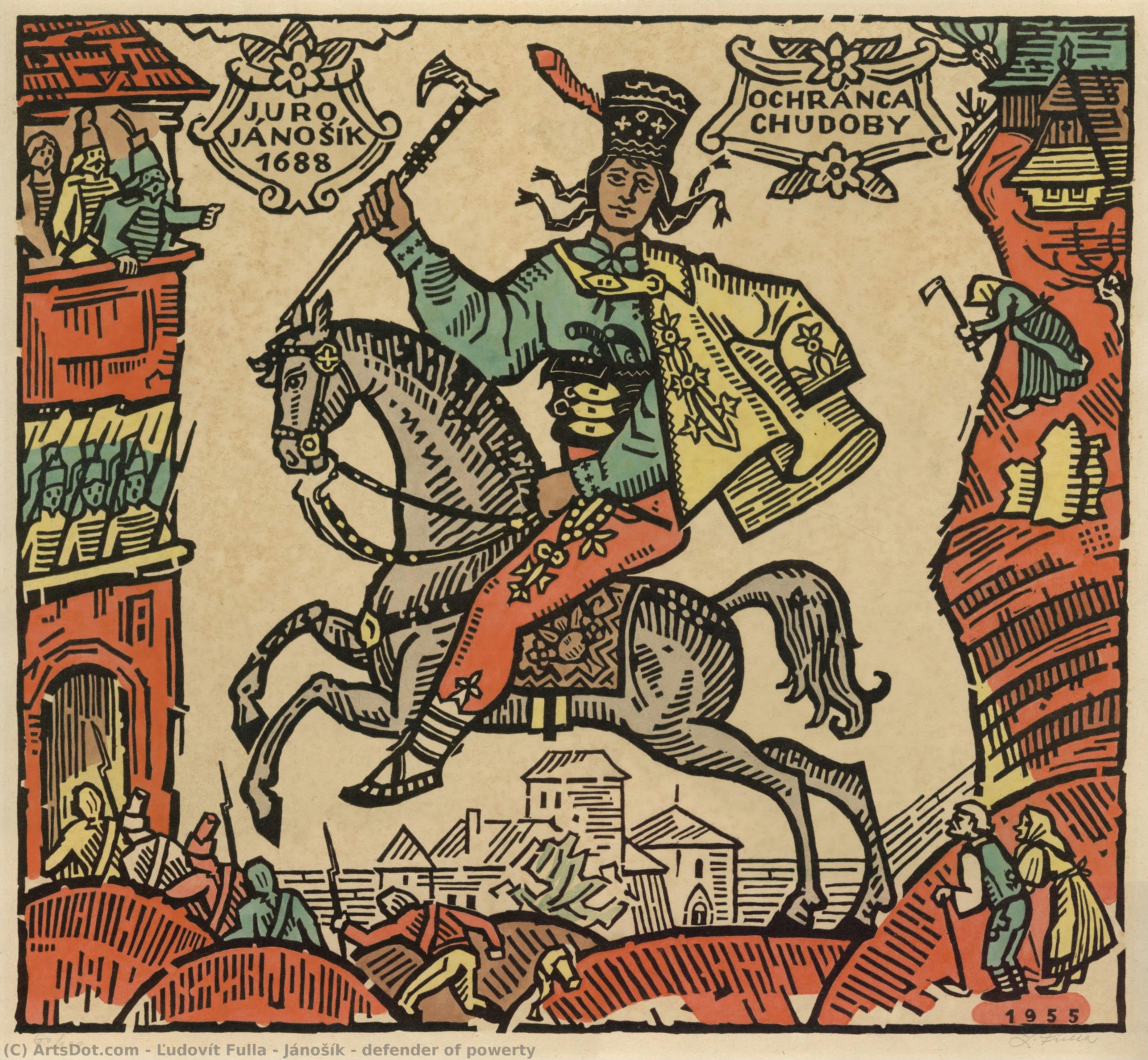
Jánošík - defender of powerty
 Painting
- Modernism
 Modern
 37.0 x 34.0 cm
 Tatra Gallery
 詳細を見る
詳細を見る




P118B $10

P118H $10

P118W $10

P438Z $10

P508JH $12

P508YH $12

P805H $10

P805Z $10

P919BZ $10

P919G $10

P919XJ $10

P959ZH $10

P968JZ $12

W106C $8

W218G $10

W218JH $8

W218Y $10

W307PJ $10

W316G $10

W316PJ $8

W316Y $10

W398PJ $8

W4111J $10

W500HY $15

W500JH $15

W692G $12

W849H $8

W940BG $15

W953PJ $8




作品のオリジナル比率に合わせた、当店の規定サイズからお選びください。

特定のフレームやスペースに合わせて、ご希望のサイズをご入力いただけます。選択されたサイズが元の画像の比率と異なる場合、アートワークをトリミングするか、手描きで要素を追加して絵画を拡張いたします。デジタルモックアップ を制作し、制作開始前にご確認(承認)をいただきます。
画面上のプレビューは、実際のトリミングや拡張を正確に反映しているものではありません。最終的な構図は、モックアップによってのみ正確にご確認いただけます。
カスタムサイズもご利用いただけますが、元の比率を維持するためには、あらかじめ用意されたリストからサイズを選択することをお勧めいたします。
ご注文後、ArtsDot.com チームより詳細な指示をお送りするとともに、仕上がりイメージ(モックアップ)をご提供いたします。


 ガラスオプションは、110cm未満のサイズでのみご利用いただけます。

Jánošík - defender of powerty
複製技法
複製画のサイズ
-


合計金額
$ 263
作品解説
A Heroic Vision in Color
In the evocative painting Jánošík - defender of powerty, the viewer is transported into a legendary era of Slovak folklore and resistance. The canvas captures a moment of profound movement and historical weight, centered around a commanding figure mounted upon a horse. With a sword held aloft, the protagonist embodies the spirit of Juraj Jánošík, the legendary highwayman who became a symbol of justice for the oppressed. The composition is not merely a portrait of a man, but a window into a social tapestry where the struggle between the powerful and the impoverished is rendered through dynamic motion and a sense of impending destiny.
The artist, Ľudovít Fulla, utilizes a style that breathes life into the historical narrative. While the subject matter leans toward the traditional and the heroic, there is an unmistakable energy in the brushwork that suggests a modern sensibility. The scene is populated by a community of figures, some engaged in quiet dialogue while others watch the central rider with bated breath. This layering of characters creates a sense of depth and social complexity, suggesting that the hero's journey is inextricably linked to the people he seeks to protect. The presence of a book near the center of the frame adds a layer of intellectual or perhaps prophetic significance, hinting that this struggle is recorded in both blood and lore.
Symbolism and Artistic Legacy
Every element within this work serves as a vessel for deeper meaning. The horse, powerful and poised, represents the unstoppable force of the movement Jánošík leads, while the sword acts as a piercing symbol of defiance against tyranny. Fulla’s ability to balance these grand, sweeping gestures with intimate details—such as the textures of the costumes and the subtle interactions between bystanders—allows the painting to resonate on both an epic and a human scale. For collectors and enthusiasts of European folk history, this piece offers more than just aesthetic beauty; it provides a tangible connection to the cultural identity of Slovakia.
For those looking to integrate such a powerful narrative into a curated space, this artwork serves as a magnificent focal point. Its rich subject matter and commanding presence make it an ideal choice for interior designers seeking to add character, history, and a sense of drama to a room. Whether placed in a study filled with literature or a grand living area, the painting invites conversation and contemplation, acting as a timeless tribute to the enduring human desire for justice and the legendary figures who rise to meet it.
関連作品

アーティストの略歴
Albert Bierstadt: The Grand Visionary of the American West
Born in Prussia in 1830, Albert Bierstadt’s journey to becoming one of America's most celebrated landscape painters was a testament to his ambition and artistic dedication. His early life, marked by a move to New Bedford, Massachusetts, instilled within him a deep appreciation for the natural world – an appreciation that would profoundly shape his later work. Returning to Europe in 1853 to study painting under masters like Andreas Aschenbach and Karl Friedman Lessing in Düsseldorf, Bierstadt absorbed the tenets of the influential “Düsseldorf School.” This training emphasized meticulous detail, dramatic atmospheric effects, and a heroic portrayal of nature – elements that would become hallmarks of his distinctive style. Crucially, he joined several expeditions westward, not merely as a recorder of scenes but as an active participant in the burgeoning American frontier, documenting the vastness and majesty of the West for a nation eager to embrace its potential.
Bierstadt’s artistic development was inextricably linked to the rise of the Hudson River School. This informal group of artists, centered along the Hudson River, sought to capture the sublime beauty of America's landscapes with a romantic sensibility. Unlike earlier landscape painters who focused on idyllic scenes, the Hudson River School embraced dramatic lighting, expansive vistas, and often incorporated elements of mythology or history into their compositions. Bierstadt’s work perfectly embodies this approach, transforming ordinary landscapes into monumental narratives of exploration and discovery. His paintings weren't simply representations; they were carefully constructed visions designed to inspire awe and a sense of national pride.
The Pioneer Painter of the American Frontier
Bierstadt’s most significant contribution lay in his ability to translate the experiences of westward expansion into compelling visual narratives. He accompanied expeditions led by the U.S. Army, meticulously documenting the landscapes they traversed – from the towering peaks of the Rocky Mountains and Sierra Nevada to the fertile valleys of the West. This firsthand experience, combined with his artistic skill, allowed him to create paintings that were both scientifically accurate and emotionally resonant. Unlike many of his contemporaries who relied on secondhand accounts or sketches, Bierstadt painted directly from observation, capturing the scale and grandeur of the American West in unprecedented detail.
His most famous works, such as *Among the Sierra Nevada Mountains* (1867) and *The First Snowfall* (1885), are iconic representations of the frontier. These paintings aren’t merely depictions of scenery; they're imbued with a sense of drama, heroism, and the spirit of exploration. Bierstadt skillfully employed techniques like atmospheric perspective – using lighter colors and softer details in the distance to create an illusion of depth – to convey the immense scale of the landscapes he depicted. He also masterfully utilized light and shadow to heighten the emotional impact of his scenes, often bathing them in a golden, almost ethereal glow.
Technique and Style
Bierstadt’s artistic style was characterized by meticulous detail, rich color palettes, and a dramatic use of light. He employed a technique known as “luminism,” which involved layering thin washes of paint to create luminous effects and subtle gradations of tone. This approach allowed him to capture the atmospheric qualities of the landscape with remarkable precision. His brushwork was often loose and expressive, particularly in depicting clouds and foliage, while his rendering of mountains and rock formations was remarkably detailed and precise.
He frequently incorporated human figures into his landscapes – not as central subjects but rather as small, almost insignificant elements that served to emphasize the scale and grandeur of the surrounding environment. These figures often represented pioneers, explorers, or Native Americans, adding a layer of narrative complexity to his paintings. Bierstadt’s use of color was particularly noteworthy; he favored warm, earthy tones – reds, browns, yellows, and greens – which evoked the rugged beauty of the American West.
Legacy and Influence
Despite facing criticism for romanticizing the West and potentially glossing over the displacement of Native Americans, Albert Bierstadt remains a pivotal figure in American art history. His paintings profoundly influenced generations of landscape artists, shaping the way America’s frontier was depicted in art and popular culture. His monumental scale, dramatic lighting, and meticulous detail set a new standard for landscape painting, inspiring artists to embrace the grandeur and mystery of the natural world.
Bierstadt's work continues to resonate with audiences today, offering a glimpse into a bygone era of exploration and adventure. His paintings serve as powerful reminders of America’s vast landscapes and the enduring spirit of its pioneers – a legacy that cements his place as one of the most important landscape painters in American history.

ľudovít fulla
1902 - 1980 , Slovakia
基本情報
- Artistic Movement Or Style: Hudson River School, Rocky Mountain School
- Artists Or Movements Influenced By This Artist:
- Hudson River School
- Romanticism
- Artists Who Influenced This Artist:
- Andreas Aschenbach
- Karl Friedman Lessing
- Date Of Birth: January 7, 1830
- Date Of Death: February 18, 1902
- Full Name: Albert Bierstadt
- Nationality: American
- Notable Artworks:
- The Sierra Nevada,
- Among the Sierra Nevada,
- Dakota's Last Stand
- Place Of Birth: Solingen, Prussia
関連記事
レオナルド・ダ・ヴィンチ:至高の25選 - 芸術、科学、そして不朽の名作の世界
レオナルド・ダ・ヴィンチの至宝25選。モナリザ、最後の晩餐…ルネサンス美術を代表する名画の世界へ。芸術史、技法、そして感動の物語を紐解き、お部屋に飾る高級複製画で特別な空間を。ArtsDot.comで全コレクションをご覧ください。

Etching Masters: 10 Legendary Prints That Revolutionized Art | ArtsDot
Journey through 10 legendary etching masterpieces by Rembrandt, Dürer & Goya. Explore the history of printmaking and discover timeless art for your home. Find museum-quality reproductions at ArtsDot.com.

レンブラント傑作25選:光と影の巨匠、魂を揺さぶる名画の世界 | ArtsDot
レンブラントの傑作25選。光と影の魔術師が描いた魂を揺さぶる名画の世界へ。美術史に残る自画像、夜警、宗教画…ArtsDotで高品質なアートプリントやインテリアアートをお楽しみください。コレクションはこちら→
プラド美術館の至宝25選:名画が語るスペイン美術史 | ArtsDot
プラド美術館の至宝25選🎨 ベルラスケス、ゴヤの名画を紐解き、スペイン美術史を旅する。油絵、バロック、印象派…ArtsDotで高品質な複製画とインテリアアートを見つけよう。名画の世界をあなたの空間に✨ Explore the full collection online!

