

 プレビュー
プレビュー
 プリントを購入
 シェアする
シェアする シェアする
シェアする
 詳細を見る
詳細を見る

 ダウンロード
 似ている作品
 X線調査
X線調査 スライドショー
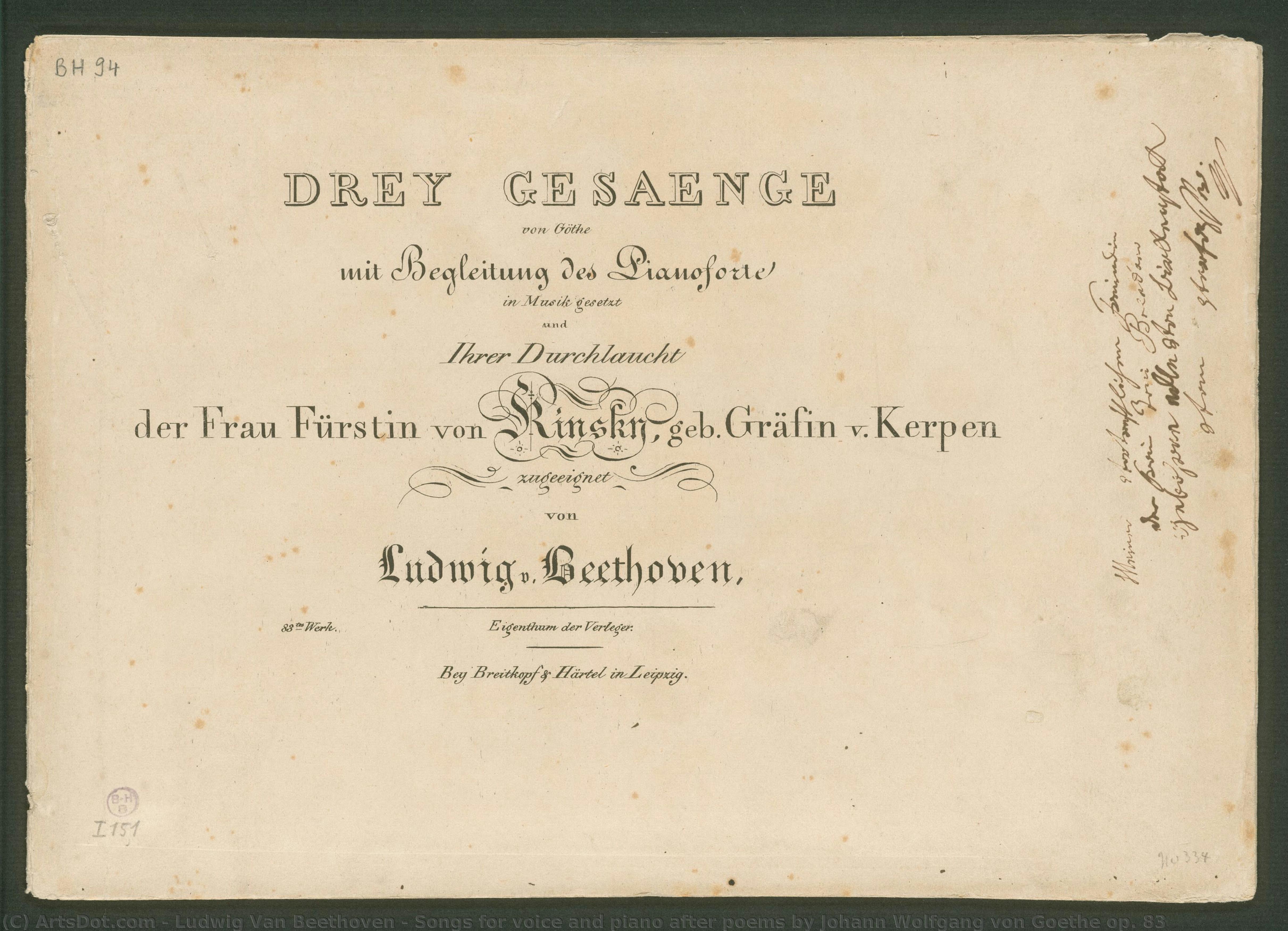
Songs for voice and piano after poems by Johann Wolfgang von Goethe op. 83


 詳細を見る
詳細を見る




P118B $10

P118H $10

P118W $10

P438Z $10

P508JH $12

P508YH $12

P805H $10

P805Z $10

P919BZ $10

P919G $10

P919XJ $10

P959ZH $10

P968JZ $12

W106C $8

W218G $10

W218JH $8

W218Y $10

W307PJ $10

W316G $10

W316PJ $8

W316Y $10

W398PJ $8

W4111J $10

W500HY $15

W500JH $15

W692G $12

W849H $8

W940BG $15

W953PJ $8




作品のオリジナル比率に合わせた、当店の規定サイズからお選びください。

特定のフレームやスペースに合わせて、ご希望のサイズをご入力いただけます。選択されたサイズが元の画像の比率と異なる場合、アートワークをトリミングするか、手描きで要素を追加して絵画を拡張いたします。デジタルモックアップ を制作し、制作開始前にご確認(承認)をいただきます。
画面上のプレビューは、実際のトリミングや拡張を正確に反映しているものではありません。最終的な構図は、モックアップによってのみ正確にご確認いただけます。
カスタムサイズもご利用いただけますが、元の比率を維持するためには、あらかじめ用意されたリストからサイズを選択することをお勧めいたします。
ご注文後、ArtsDot.com チームより詳細な指示をお送りするとともに、仕上がりイメージ(モックアップ)をご提供いたします。


 ガラスオプションは、110cm未満のサイズでのみご利用いただけます。

Songs for voice and piano after poems by Johann Wolfgang von Goethe op. 83
複製技法
複製画のサイズ
-


合計金額
$ 263
Beethoven's Echoes of Goethe: A Symphony in Monochrome
The artwork described is Ludwig Van Beethoven’s “Songs for voice and piano after poems by Johann Wolfgang von Goethe op. 83,” a lithograph commemorating his masterful adaptation of Goethe’s poetic vision into musical form. Created in 1811, this piece stands as a testament to the profound connection between literature and music—a dialogue that continues to resonate across centuries. It resides within the Beethoven-Haus Bonn, Germany, safeguarding its legacy for future generations of art enthusiasts.- Subject Matter: Goethe’s poems served as inspiration for Beethoven's musical compositions, exploring themes of longing, melancholy, and contemplation—subjects deeply rooted in the human experience. The lithograph captures a moment frozen in time, reflecting the artist’s dedication to translating literary ideas into sonic landscapes.
- Style: Beethoven’s style embodies Romanticism, prioritizing emotional expression over strict formal conventions. This lithograph exemplifies this aesthetic through its understated elegance and careful attention to detail—a deliberate choice that underscores the importance of conveying feeling rather than merely presenting visual information.
Technique & Material Considerations
The lithograph itself is a remarkable feat of printmaking. Beethoven’s studio employed a technique known as mezzotint, utilizing hardened copper plates etched with grooves to create tonal variations—a method favored for its ability to produce nuanced shades of gray and black. This meticulous process ensured that every subtle nuance of Goethe's poetry was faithfully reproduced on paper, resulting in an image imbued with depth and atmosphere.- Color Palette: Despite the monochrome aesthetic, Beethoven’s lithograph skillfully utilizes tonal gradations to evoke emotion. The artist carefully considered how light and shadow would interact to convey feelings of sadness and introspection—a technique characteristic of Romantic art.
- Composition: The composition is deliberately simple yet impactful, focusing on conveying a sense of quiet contemplation. Beethoven’s artistic vision prioritized clarity and emotional resonance above elaborate ornamentation, reflecting the spirit of his era.
Historical Context & Goethe's Influence
Johann Wolfgang von Goethe (1749-1832) was arguably Germany’s most celebrated poet during the Romantic period. His works explored universal themes of love, loss, and morality—subjects that captivated audiences across Europe. Beethoven recognized Goethe’s profound influence on his artistic sensibilities, translating his poetic explorations into musical masterpieces. Goethe's poems tackled complex emotions – grief, yearning for beauty, and the contemplation of mortality – mirroring the anxieties and aspirations of a generation grappling with societal change. Beethoven skillfully captured these sentiments through music, creating works that continue to inspire listeners today.Emotional Impact & Artistic Legacy
“Songs for voice and piano after poems by Johann Wolfgang von Goethe op. 83” transcends mere visual representation; it embodies the very essence of Romantic artistic expression. The lithograph’s subdued tones invite viewers into a realm of introspection—encouraging contemplation on themes of beauty, sorrow, and human connection. Beethoven's enduring legacy lies in his ability to transform literary ideas into emotionally resonant music—a testament to the transformative power of art itself.関連作品
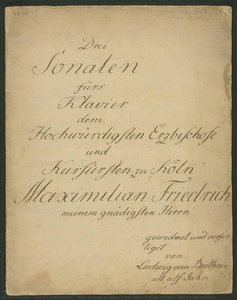
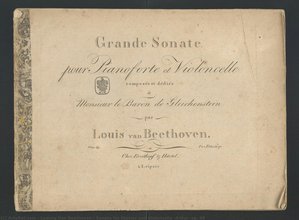
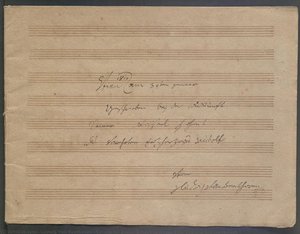
アーティストの略歴
幼少期と音楽の黎明期
ルートヴィヒ・ヴァン・ベートーヴェン、ドイツが生んだ偉大なる作曲家でありピアニストである彼は、1770年にドイツのボンで産声を上げました。幼い頃から類まれな音楽的才能を見せていた彼は、数々の師に師事して研鑽を積み、その後、その生涯の大部分を過ごすことになるウィーンへと舞台を移しました。音楽的革新と、静寂の中での闘い
キャリアの大部分において聴覚障害という過酷な運命に見舞われながらも、ベートーヴェンは決して屈することはありませんでした。交響曲第9番や月光ソナタといった、クラシック音楽史上最も象徴的な傑作を次々と生み出し続けたのです。彼の革新的な楽曲は、声楽と器楽を融合させ、何世紀にもわたって数え切れないほどの音楽家たちに影響を与え続けている唯一無二の響きを創り上げました。主要な作品とその遺産
ベートーヴェンの輝かしい名作には、以下のようなものがあります:- ピアノとチェロのためのソナタ(イ長調)作品69 第1楽章(ArtsDot.comにて閲覧可能)
- ベートーヴェンのミサ・ソレムニスの手稿(Wikipediaにて閲覧可能)
- リヒノフスキー公カール・アロイスの庇護を受けた、3つの作品Op.1 ピアノ・ソナタ
影響力と不朽の名声
ベートーヴェンの最大の功績は、それまで声楽に劣ると見なされていた器楽を、芸術の最高到達点へと引き上げたことにあります。クラシック音楽における彼の存在感は計り知れず、彼の作品は今日でもレパートリーの中で最も頻繁に演奏されるものの一つとして君臨しています。 ArtsDot.comでベートーヴェンのさらなる作品を探求する: ルートヴィヒ・ヴァン・ベートーヴェン | 30の芸術作品 Wikipediaでベートーヴェンの生涯と音楽について詳しく学ぶ: ルートヴィヒ・ヴァン・ベートーヴェン - Wikipedia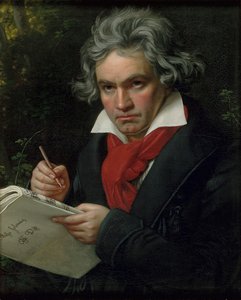
ルートヴィヒ・ヴァン・ベートーヴェン
1770 - 1827 , ドイツ
基本情報
- Artistic Movement Or Style: 古典派・ロマン派
- Artists Or Movements Influenced By This Artist:
- ヨハネス・ブラームス
- ロベルト・シューマン
- Artists Who Influenced This Artist:
- フランツ・ヨーゼフ・ハイドン
- クリスティアン・ゴットロープ・シュルツ
- Date Of Birth: 1770年 ドイツ、ボン
- Date Of Death: 1827年 オーストリア、ウィーン
- Full Name: ルートヴィヒ・ヴァン・ベートーヴェン
- Nationality: ドイツ
- Notable Artworks:
- 月光ソナタ
- 交響曲第9番
- Place Of Birth: ドイツ、ボン
関連記事

Giclée Prints: Archival Quality & Aesthetic Nuances for the Discerning Collector
Explore the world of giclée prints with ArtsDot. Learn about archival quality, aesthetic nuances & investment potential. Expert guidance for discerning art collectors seeking museum-quality reproductions and lasting value.

Top 10 Lithographs That Revolutionized Art | ArtsDot
Explore 10 legendary lithographs by Toulouse-Lautrec, Munch & Picasso that redefined art! Discover the stories behind these iconic prints and find museum-quality reproductions for your home decor at ArtsDot.com. Explore the full collection online.

The Enduring Legacy of Fine Art Prints: Technique, History & Aesthetic Impact
Explore the rich history & techniques of fine art prints. Discover investment potential, assess authenticity, and learn how to preserve your collection with expert guidance. Trusted insights for discerning collectors.
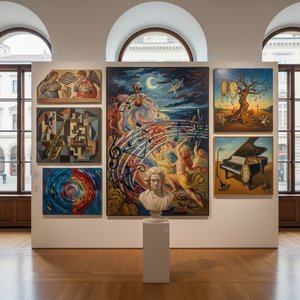
Harmonies on Canvas: Exploring the Visual Representation of Music in Art History
Explore the fascinating history of music's visual representation in art! From ancient symbolism to modern abstraction, discover how artists have captured sound and emotion on canvas. Expert insights & stunning examples.

Echoes of Time: Exploring the Enduring Appeal & Historical Context of Vintage Art Prints
Explore the captivating world of vintage art prints! Discover their history, collecting tips & enduring appeal. Expert insights on chromolithography and building a legacy collection with ArtsDot.

