

 プレビュー
プレビュー
 シェアする
シェアする シェアする
シェアする
 詳細を見る
詳細を見る

 ダウンロード
 似ている作品
 X線調査
X線調査 スライドショー
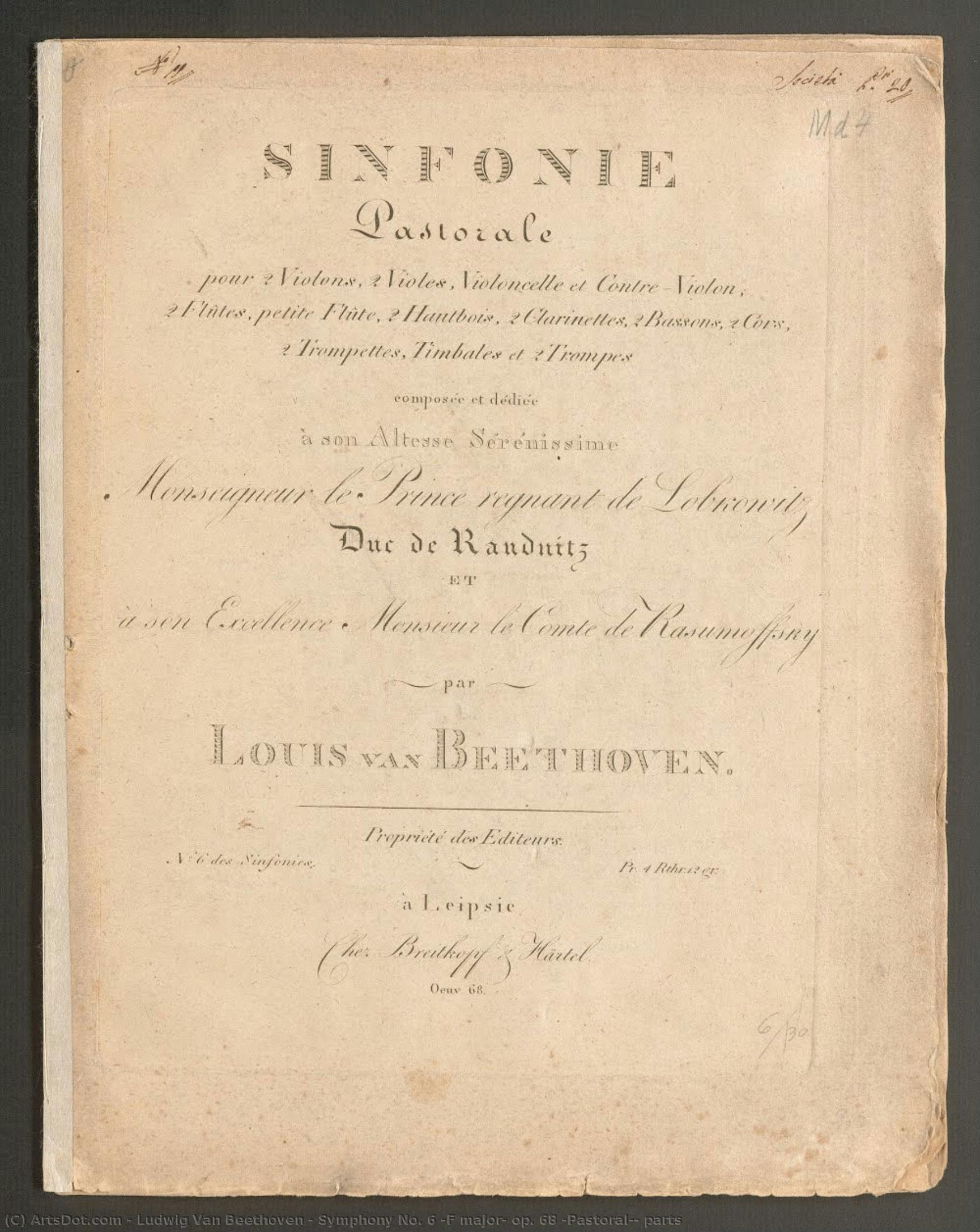
Symphony No. 6 (F major) op. 68 (Pastoral), parts


 詳細を見る
詳細を見る
ジークレー/アートプリント
迅速な制作と多彩な仕上げオプションを備えた、ミュージアムクオリティのジークレーまたはキャンバスプリント。 ( 手描きの絵画を購入 画像を購入)




P118B $10

P118H $10

P118W $10

P438Z $10

P508JH $12

P508YH $12

P805H $10

P805Z $10

P919BZ $10

P919G $10

P919XJ $10

P959ZH $10

P968JZ $12

W106C $8

W218G $10

W218JH $8

W218Y $10

W307PJ $10

W316G $10

W316PJ $8

W316Y $10

W398PJ $8

W4111J $10

W500HY $15

W500JH $15

W692G $12

W849H $8

W940BG $15

W953PJ $8




作品のオリジナル比率に合わせた、当店の規定サイズからお選びください。

特定のフレームやスペースに合わせて、ご自身でサイズを指定することも可能です。選択されたサイズが元の画像の比率と一致しない場合、作品をトリミングするか、鏡面反射または単色での塗りつぶしによって画像を拡張いたします。制作を開始する前に、ご確認用のデジタルモックアップをお送りいたします。
画面上のプレビューには、実際のトリミングや拡張は反映されませんのでご注意ください。最終的な構図を正確に確認できるのは、モックアップのみとなります。
カスタムサイズも承っておりますが、元の比率を維持するためには、あらかじめ用意されたリストからサイズを選択することをお勧めいたします。


 ガラスオプションは、110cm未満のサイズでのみご利用いただけます。

Symphony No. 6 (F major) op. 68 (Pastoral), parts
ジークレー/アートプリント
複製画のサイズ
-


合計金額
$ 62
A Window into the Soul of Nature
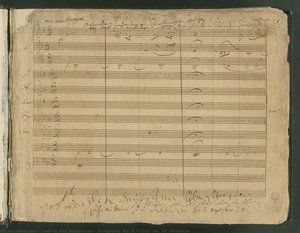
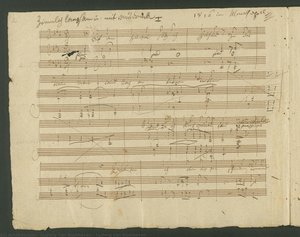
Behold a captivating reproduction of Ludwig van Beethoven’s Symphony No. 6 in F major, affectionately known as the “Pastoral” Symphony – an evocative journey rendered on aged parchment that transcends mere musical notation and becomes a portal to the composer's profound connection with the natural world. This isn’t simply a sheet music page; it’s a tangible artifact whispering tales of rolling hills, babbling brooks, and the quiet majesty of rural life, all meticulously captured within the constraints of 19th-century print design. The deliberate choice of a vintage aesthetic—the subtle yellowing of the paper, the delicate creases hinting at years spent in careful study—immediately establishes an atmosphere of reverence and historical significance, inviting us to step back into a time when music was intimately linked with observation and emotion.
The design itself is a testament to the elegance of classical European printmaking. The typography, a refined serif font, commands attention while maintaining a sense of formality befitting Beethoven’s stature. Handwritten annotations, scattered throughout the score, add a layer of intimacy, suggesting the composer's own meticulous revisions and personal reflections. These details aren’t mere flourishes; they are integral to understanding the work’s genesis – a deliberate attempt by Beethoven to translate his experiences in nature into musical form, moving beyond the rigid structures of earlier classical music.
The Genesis of Pastoralism
Beethoven's Sixth Symphony emerged during a pivotal period in his life—a time marked by increasing deafness and a growing desire for respite from the pressures of Viennese society. Seeking solace and inspiration, he retreated to the countryside, immersing himself in the sights and sounds of nature. This experience profoundly shaped the symphony, which became a deliberate attempt to evoke these sensory impressions through music. The work’s programmatic titles—"Awakening," "Scene by the Brook," "Merry Gathering of Country Folk," and “Thunderstorm”—provide explicit clues to the musical landscape Beethoven sought to portray.
The symphony's structure mirrors this pastoral journey, unfolding in five movements that capture distinct aspects of rural life. The opening movement, “Awakening,” establishes a sense of tranquility and anticipation, while the second, "Scene by the Brook," utilizes delicate string textures and evocative melodic fragments to mimic the sound of flowing water. The third movement, “Merry Gathering of Country Folk,” bursts with lively energy, depicting a boisterous tavern scene filled with dancing and merriment. Finally, the fourth movement, “Thunderstorm,” unleashes a dramatic torrent of orchestral sound, capturing the raw power and awe-inspiring beauty of nature’s fury.
Symbolism and Emotional Resonance
Beyond its programmatic content, Beethoven's Sixth Symphony is rich in symbolism. The pastoral themes resonate with a longing for simplicity, peace, and connection to the natural world—emotions that were particularly poignant during the Romantic era, when artists and writers sought to escape the constraints of industrial society. The symphony’s emotional impact is profound, evoking feelings of joy, serenity, wonder, and even melancholy. It's a testament to Beethoven's ability to tap into universal human experiences through his music.
The aged manuscript itself serves as a powerful symbol—a reminder of the passage of time, the enduring legacy of artistic genius, and the beauty that can be found in both nature and art. This reproduction isn’t just a copy; it's an invitation to connect with Beethoven’s vision, to lose oneself in the music’s evocative landscapes, and to appreciate the profound emotional depth of this timeless masterpiece.
関連作品
アーティストの略歴
幼少期と音楽の黎明期
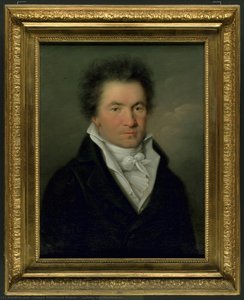
ルートヴィヒ・ヴァン・ベートーヴェン、ドイツが生んだ偉大なる作曲家でありピアニストである彼は、1770年にドイツのボンで産声を上げました。幼い頃から類まれな音楽的才能を見せていた彼は、数々の師に師事して研鑽を積み、その後、その生涯の大部分を過ごすことになるウィーンへと舞台を移しました。音楽的革新と、静寂の中での闘い
キャリアの大部分において聴覚障害という過酷な運命に見舞われながらも、ベートーヴェンは決して屈することはありませんでした。交響曲第9番や月光ソナタといった、クラシック音楽史上最も象徴的な傑作を次々と生み出し続けたのです。彼の革新的な楽曲は、声楽と器楽を融合させ、何世紀にもわたって数え切れないほどの音楽家たちに影響を与え続けている唯一無二の響きを創り上げました。主要な作品とその遺産
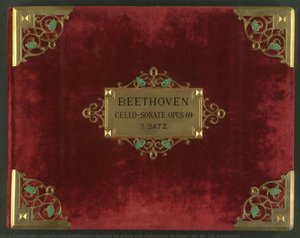
ベートーヴェンの輝かしい名作には、以下のようなものがあります:- ピアノとチェロのためのソナタ(イ長調)作品69 第1楽章(ArtsDot.comにて閲覧可能)
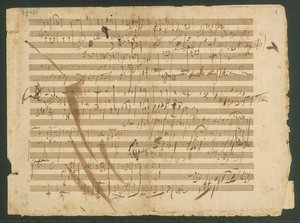
- ベートーヴェンのミサ・ソレムニスの手稿(Wikipediaにて閲覧可能)
- リヒノフスキー公カール・アロイスの庇護を受けた、3つの作品Op.1 ピアノ・ソナタ
影響力と不朽の名声
ベートーヴェンの最大の功績は、それまで声楽に劣ると見なされていた器楽を、芸術の最高到達点へと引き上げたことにあります。クラシック音楽における彼の存在感は計り知れず、彼の作品は今日でもレパートリーの中で最も頻繁に演奏されるものの一つとして君臨しています。 ArtsDot.comでベートーヴェンのさらなる作品を探求する: ルートヴィヒ・ヴァン・ベートーヴェン | 30の芸術作品 Wikipediaでベートーヴェンの生涯と音楽について詳しく学ぶ: ルートヴィヒ・ヴァン・ベートーヴェン - Wikipedia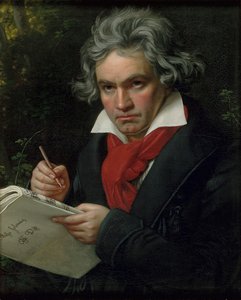
ルートヴィヒ・ヴァン・ベートーヴェン
1770 - 1827 , ドイツ
基本情報
- Artistic Movement Or Style: 古典派・ロマン派
- Artists Or Movements Influenced By This Artist:
- ヨハネス・ブラームス
- ロベルト・シューマン
- Artists Who Influenced This Artist:
- フランツ・ヨーゼフ・ハイドン
- クリスティアン・ゴットロープ・シュルツ
- Date Of Birth: 1770年 ドイツ、ボン
- Date Of Death: 1827年 オーストリア、ウィーン
- Full Name: ルートヴィヒ・ヴァン・ベートーヴェン
- Nationality: ドイツ
- Notable Artworks:
- 月光ソナタ
- 交響曲第9番
- Place Of Birth: ドイツ、ボン
関連記事
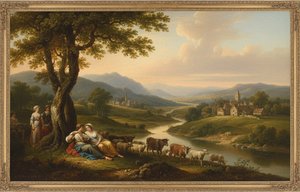
Idyllic Visions: Exploring the Pastoral Tradition in Western Art – Themes, Techniques & Enduring Appeal
Explore the rich history of pastoral art from classical Arcadia to contemporary interpretations. Discover key artists, themes & collecting tips at ArtsDot.
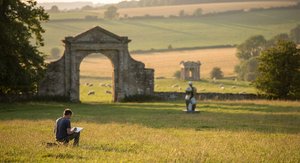
Idyllic Visions: Exploring the Pastoral Scene in Art History – From Arcadia to Modern Interpretations
Explore the captivating history of pastoral art from classical Arcadia to modern masterpieces. Discover key artists like Millet & Cole at ArtsDot. Find serene landscape paintings for your home.

Idyllic Visions: Exploring Pastoral Scenes in Art History – From Arcadia to Modern Interpretations
Explore the captivating history of pastoral art, from classical Arcadia to 19th-century masterpieces. Discover key artists like Millet & Cole and find serene landscape paintings for your home at ArtsDot.
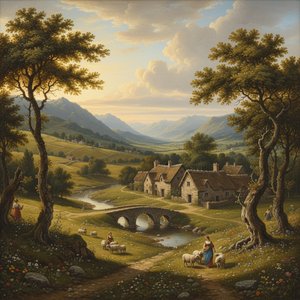
Evoking Arcadia: A Historical & Aesthetic Exploration of Rural Landscape Art
Explore the rich history of pastoral landscape art, from classical Arcadia to Impressionism & beyond. Discover key artists, movements, and how to collect serene rural scenes for your home. Expert insights at ArtsDot.
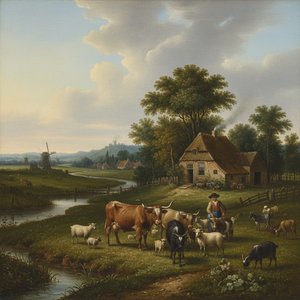
Albertus Verhoesen: Capturing Dutch Pastoral Life with Exquisite Detail
Explore the idyllic rural scenes of Albertus Verhoesen (1806-1881). Discover his charming paintings, renowned for realistic detail and pastoral beauty. Learn about this Dutch Romantic master at ArtsDot.

