

 プリントを購入
 シェアする
シェアする シェアする
シェアする
 詳細を見る
詳細を見る

 ダウンロード
 似ている作品
 スライドショー
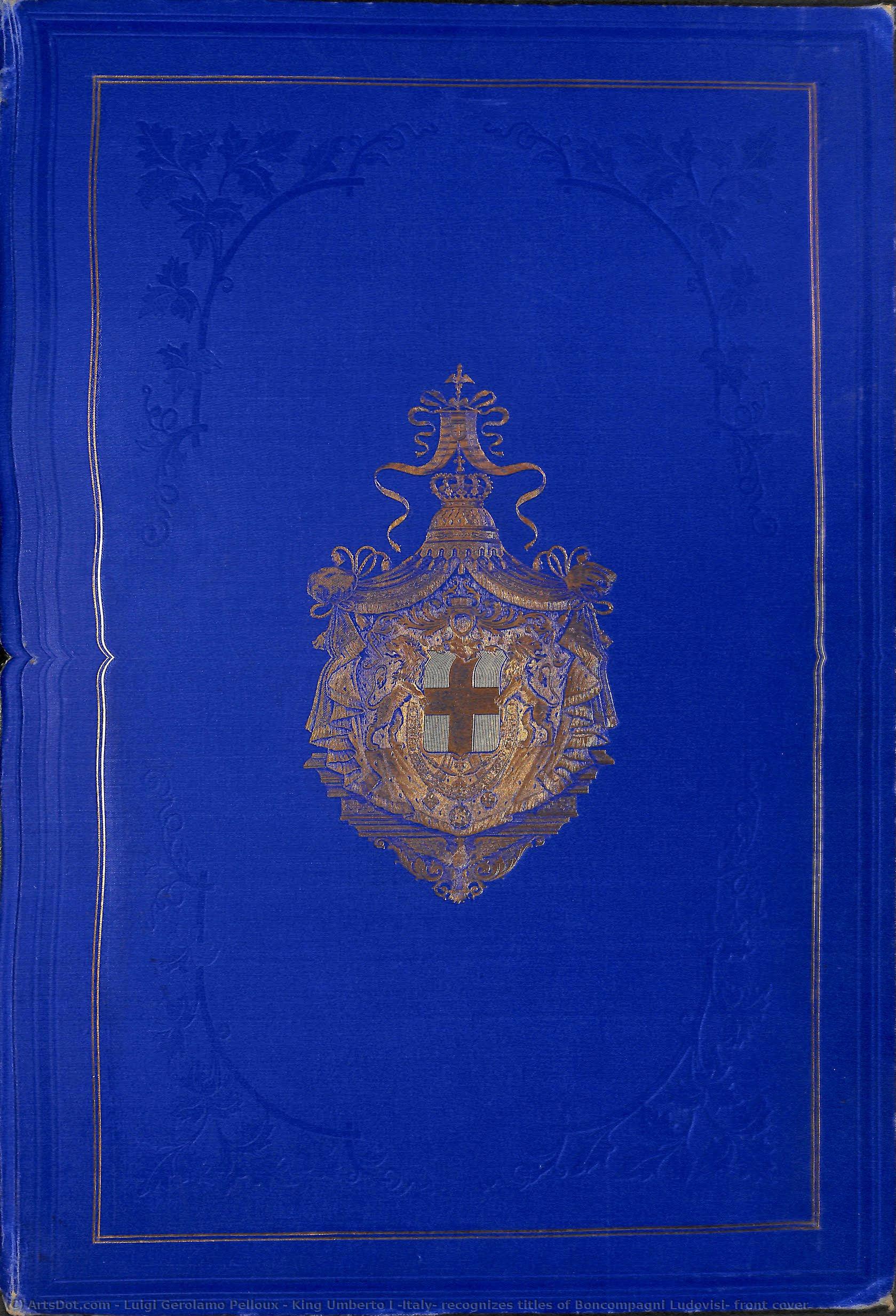
King Umberto I (Italy) recognizes titles of Boncompagni Ludovisi: front cover


 詳細を見る
詳細を見る




































作品のオリジナル比率に合わせた、当店の規定サイズからお選びください。

特定のフレームやスペースに合わせて、ご希望のサイズをご入力いただけます。選択されたサイズが元の画像の比率と異なる場合、アートワークをトリミングするか、手描きで要素を追加して絵画を拡張いたします。デジタルモックアップ を制作し、制作開始前にご確認(承認)をいただきます。
画面上のプレビューは、実際のトリミングや拡張を正確に反映しているものではありません。最終的な構図は、モックアップによってのみ正確にご確認いただけます。
カスタムサイズもご利用いただけますが、元の比率を維持するためには、あらかじめ用意されたリストからサイズを選択することをお勧めいたします。
ご注文後、ArtsDot.com チームより詳細な指示をお送りするとともに、仕上がりイメージ(モックアップ)をご提供いたします。


 ガラスオプションは、110cm未満のサイズでのみご利用いただけます。

King Umberto I (Italy) recognizes titles of Boncompagni Ludovisi: front cover
複製技法
複製画のサイズ
-


合計金額
$ 263
A Gilded Encounter with Italian Royalty
In the quiet majesty of a blue-bound volume, there exists a moment frozen in time, captured through the delicate interplay of gold leaf and deep pigment. The front cover of this exquisite antique book presents a scene of profound historical significance: King Umberto I of Italy formally recognizing the titles of the Boncompagni Ludovisi family. This is not merely an illustration; it is a ceremonial tableau that breathes life into the rigid hierarchies of the late 19th century. The artwork, attributed to the hand of Luigi Gerolamo Pelloux, serves as a window into an era of monarchical prestige and the intricate dance of aristocratic legitimacy.
The visual impact of the piece is immediate and arresting, defined by the luminous contrast between the deep, midnight blue of the book's binding and the radiant brilliance of the gold leaf decorations. The technique employed here elevates the subject matter from a simple historical record to an object of high art. By utilizing gold leaf to render the central figures, the artist imbues the royal encounter with a divine, everlasting quality. Every stroke of the gilded medium catches the light, suggesting the splendor of the Italian court and the weight of the honors being bestowed. For the discerning collector or interior designer, this piece offers a sense of old-world opulence that can anchor a room with historical gravity and sophisticated charm.
Beyond its aesthetic brilliance, the artwork carries a heavy symbolic resonance. The act of recognition—the King bestowing titles upon the Boncompagni Ludovisi—represents the continuity of tradition and the stabilization of social order during a period of intense political transition in Italy. Pelloux, a man whose own life was deeply entwined with the military and political shifts of his time, captures the solemnity of this legal and social ritual. The intricate gold patterns surrounding the central scene act as a frame of honor, reinforcing the sanctity of the royal decree. It is a piece that speaks to themes of legacy, authority, and the enduring nature of heritage.
Integrating a reproduction of such a storied work into a contemporary space allows for a profound emotional connection to the past. Whether placed within a private library, an executive study, or as a focal point in a curated gallery wall, the piece evokes a sense of nostalgia and intellectual curiosity. It invites the viewer to contemplate the vanished world of the Savoyard era and the meticulous craftsmanship required to immortalize such moments. For those who appreciate art that tells a story of power, grace, and historical permanence, this work stands as an incomparable treasure of Italian heritage.
関連作品



アーティストの略歴
Luigi Gerolamo Pelloux: A Conservative Hand in Italian History
Luigi Gerolamo Pelloux (1839-1924) remains a complex and often controversial figure in Italian history – a general, politician, and Prime Minister whose tenure was defined by a conservative, militaristic approach. Born in La Roche-sur-Foron, France, to parents retaining their Italian citizenship following Savoy’s annexation, Pelloux's life intertwined the traditions of both nations, ultimately shaping his political outlook. His legacy isn’t one of artistic creation, but rather a pivotal role in navigating Italy’s turbulent late 19th and early 20th centuries – a period marked by rapid unification, social unrest, and burgeoning imperial ambitions. ArtsDot offers meticulously crafted reproductions of the few known works attributed to Pelloux, providing a tangible connection to this significant, yet often overlooked, historical figure.Early Life and Military Career
Pelloux’s early life was steeped in military service. Entering the artillery corps in 1857, he quickly distinguished himself through bravery, earning recognition for his role at the Battle of Custoza in 1866. This victory, a key moment in the Austro-Prussian War, foreshadowed his future leadership within the Italian army. He rose steadily through the ranks, demonstrating strategic acumen and an unwavering commitment to duty. Notably, he played a crucial role in the capture of Rome in 1870, commanding artillery that breached the walls of Porta Pia – a symbolic act signifying the completion of Italian unification. Following this triumph, Pelloux entered the War Office, implementing vital reforms aimed at modernizing the military structure and bolstering its capabilities. His appointment as Chief of Staff in 1896 marked a significant elevation, placing him at the heart of Italy’s burgeoning military power.Prime Minister and the Sino-Italian Crisis
Pelloux's political career truly began in 1898 when he was entrusted with forming a new government following the fall of Antonio Starabba’s administration. His appointment coincided with a period of intense political instability, fueled by social unrest and demands for economic reform. As Prime Minister, Pelloux adopted a firm, conservative stance, prioritizing order and stability above all else. However, his tenure was dramatically overshadowed by the Sino-Italian Crisis of 1899. Driven by a desire to assert Italy’s influence in East Asia, Foreign Minister Felice Napoleone Canevaro initiated negotiations for a naval coaling station at Sanmen Bay in China – mirroring Germany's established presence. China’s refusal led to a humiliating ultimatum and ultimately, the failure of Italy’s imperial ambitions. This debacle, widely perceived as a national embarrassment, severely damaged Pelloux’s reputation and contributed directly to his resignation in 1900. The crisis exposed deep divisions within the government and highlighted the limitations of Italy's military strength on the international stage.Artistic Legacy and Historical Context
While Pelloux is primarily known for his political career, a small number of paintings are attributed to him, offering glimpses into his artistic sensibilities and the historical context of his time. ArtsDot specializes in reproducing these works with meticulous attention to detail, capturing the grandeur and formality characteristic of Italian art during the late 19th century. These pieces often depict scenes of military parades, official portraits, or historical events – reflecting Pelloux’s background as a general and his role in shaping Italy's national identity. It is important to note that Pelloux was not an artist in the traditional sense; rather, he commissioned works that served to reinforce his authority and project an image of strength and stability. His artistic patronage reflects the broader trends of Italian society at the time – a desire for national unity and a renewed emphasis on military prowess.A Legacy of Conservatism and Militarism
Luigi Gerolamo Pelloux’s legacy remains complex and debated by historians. His rule as Prime Minister was characterized by conservative policies, suppression of dissent, and a strengthening of the military – traits that cemented his reputation as a militarist leader. While he oversaw significant reforms within the army, his approach to domestic politics was often authoritarian, prioritizing order over individual liberties. Despite his short tenure, Pelloux’s actions had a lasting impact on Italy's political landscape, shaping the trajectory of Italian politics in the early 20th century. Reproductions of his artwork, available through ArtsDot, provide a valuable opportunity to engage with this pivotal figure and explore the complexities of a critical period in Italian history – a time when ambition, instability, and national identity were inextricably intertwined.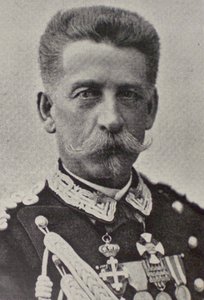
luigi gerolamo pelloux
1839 - 1924 , France
基本情報
- Artistic Movement Or Style: Political figure
- Date Of Birth: 1839-03-01
- Date Of Death: 1924-10-26
- Full Name: Luigi Gerolamo Pelloux
- Nationality: Italian/Savoyard
- Notable Artworks: ['King Umberto I']
- Place Of Birth: La Roche-sur-Foron, France
関連記事

Slate Blue Masterpieces: 10 Iconic Paintings & Timeless Home Decor Ideas
Immerse yourself in the captivating world of slate blue! Explore 10 iconic paintings by Monet, Van Gogh & Renoir. Discover their stories, techniques & find museum-quality art reproductions for your home at .

Golden Masterpieces: 10 Paintings That Define Art History | ArtsDot
Explore 10 breathtaking paintings where gold leaf shines! From Klimt to Byzantine icons, discover art history’s most gilded masterpieces. Find museum-quality reproductions & elevate your home decor with ArtsDot. Explore the full collection online.
The Allure of Gold in Art History: Symbolism, Technique & Cultural Significance
Explore the rich history of gold in art! Discover symbolism, techniques & cultural significance from ancient civilizations to Klimt's masterpieces. Expert insights for collectors at ArtsDot.
The Allure of Azure: Exploring the Symbolic & Aesthetic Depths of Blue in Art History
Explore the rich history of blue in art! Discover its symbolism, from ancient pigments to modern masterpieces by Kandinsky & Seurat. Uncover the psychological impact and cultural meanings behind this captivating hue.

Golden Glow: How to Use Metallic Gold Artworks to Elevate Your Home Decor with Timeless Luxury
Discover how to elevate your home with the timeless elegance of metallic gold artworks. From sculptural metal pieces to gilded oil paintings, learn expert interior design tips for integrating luxurious gold accents into your space with sophistication and grace.

