

 プリントを購入
 シェアする
シェアする シェアする
シェアする
 詳細を見る
詳細を見る

 ダウンロード
 似ている作品
 スライドショー
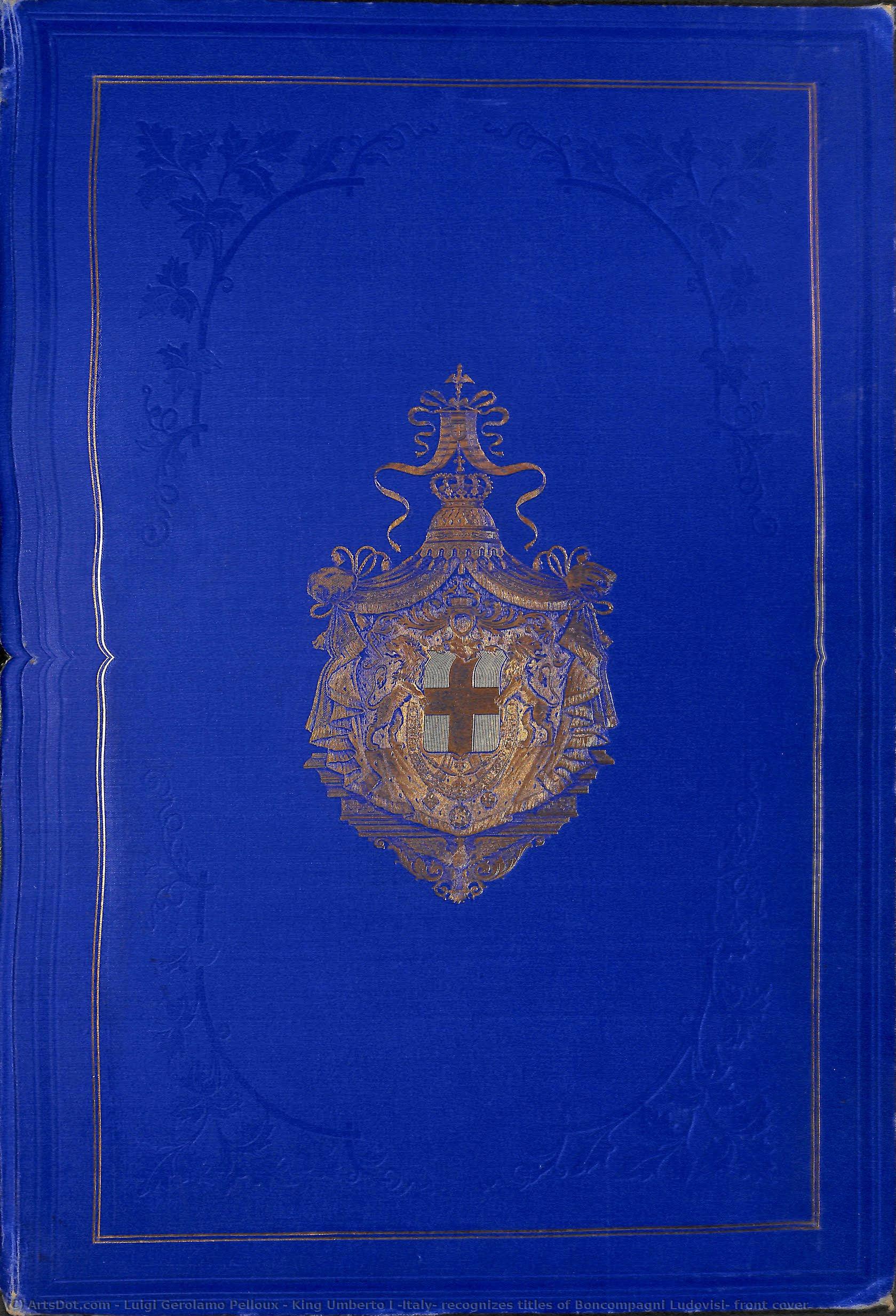
King Umberto I (Italy) recognizes titles of Boncompagni Ludovisi: front cover


 詳細を見る
詳細を見る
オンラインプレビューをはるかに凌ぐ、高解像度で鮮明なデジタル画像をご購入いただけます。
各ファイルは、社内の専門家が高度なツールと熟練した手作業によるレタッチを用いて、細心の注意を払って準備されています。すべての画像において、卓越した鮮明度、正確な色彩再現性、そして繊細なディテールを保証いたします。
最終ファイルは、プロフェッショナルな編集・印刷環境ですぐにご利用いただけるよう最適化された状態で、72時間以内にメールにてお届けいたします。これは、一流のデザインスタジオ、出版社、ギャラリーから信頼されているものと同等の品質です。
デジタル画像のご注文に付随する特典
高品質なデジタル画像配信を、確かな品質で。
ArtsDot.com を選ぶことは、単に画像を手に入れることではありません。それは、プロの手によって精密に仕上げられ、満足保証が付いた高品質なデジタルアートワークを受け取ることを意味します。ご注文いただいた際に自動的に付随する内容は、以下の通りです:

メールですぐにお届け
ご注文から72時間以内に、高解像度のデジタル画像ファイルがメールでお手元に届きます。すぐにそのままご利用いただけます。

AI技術で最適化されたデジタルファイル
お客様の作品は、高度なAIツールと専門家による手作業の編集を組み合わせてプロフェッショナルに最適化されており、細部のディテール、鮮明さ、そして正確な色再現性を最大限に引き出しています。

一生涯無料の再送サービス
ファイルを誤って削除したり、紛失してしまったりしましたか?ご安心ください。いつでも無料で再送いたします。

輸入手数料は一切かかりません
関税や手数料、配送料を気にすることなく、お気に入りのアートワークをすぐにお楽しみいただけます。デジタルダウンロードは常に免税です。

色彩再現の保証
プロ仕様のツールとカラーマネジメント技術を用いることで、デジタル画像が元の色を最大限に忠実に再現することを保証いたします。

60日間満足保証
ご購入いただいたデジタル画像にご満足いただけない場合は、60日以内であれば、修正または100%の返金(理由を問う必要はありません)をさせていただきます。

100% 返金保証
ご満足いただけない場合は、デジタルファイルを受け取ってから60日以内であれば、理由を問わず全額返金いたします。

まとめ買い割引
3枚購入で10%OFF - 5枚購入で15%OFF - 10枚以上購入で20%OFF。クリエイティブなプロジェクト、ギャラリー、エージェンシーに最適です。
A Gilded Encounter with Italian Royalty
In the quiet majesty of a blue-bound volume, there exists a moment frozen in time, captured through the delicate interplay of gold leaf and deep pigment. The front cover of this exquisite antique book presents a scene of profound historical significance: King Umberto I of Italy formally recognizing the titles of the Boncompagni Ludovisi family. This is not merely an illustration; it is a ceremonial tableau that breathes life into the rigid hierarchies of the late 19th century. The artwork, attributed to the hand of Luigi Gerolamo Pelloux, serves as a window into an era of monarchical prestige and the intricate dance of aristocratic legitimacy.
The visual impact of the piece is immediate and arresting, defined by the luminous contrast between the deep, midnight blue of the book's binding and the radiant brilliance of the gold leaf decorations. The technique employed here elevates the subject matter from a simple historical record to an object of high art. By utilizing gold leaf to render the central figures, the artist imbues the royal encounter with a divine, everlasting quality. Every stroke of the gilded medium catches the light, suggesting the splendor of the Italian court and the weight of the honors being bestowed. For the discerning collector or interior designer, this piece offers a sense of old-world opulence that can anchor a room with historical gravity and sophisticated charm.
Beyond its aesthetic brilliance, the artwork carries a heavy symbolic resonance. The act of recognition—the King bestowing titles upon the Boncompagni Ludovisi—represents the continuity of tradition and the stabilization of social order during a period of intense political transition in Italy. Pelloux, a man whose own life was deeply entwined with the military and political shifts of his time, captures the solemnity of this legal and social ritual. The intricate gold patterns surrounding the central scene act as a frame of honor, reinforcing the sanctity of the royal decree. It is a piece that speaks to themes of legacy, authority, and the enduring nature of heritage.
Integrating a reproduction of such a storied work into a contemporary space allows for a profound emotional connection to the past. Whether placed within a private library, an executive study, or as a focal point in a curated gallery wall, the piece evokes a sense of nostalgia and intellectual curiosity. It invites the viewer to contemplate the vanished world of the Savoyard era and the meticulous craftsmanship required to immortalize such moments. For those who appreciate art that tells a story of power, grace, and historical permanence, this work stands as an incomparable treasure of Italian heritage.
関連作品





作家の略歴
Luigi Gerolamo Pelloux: A Conservative Hand in Italian History
Luigi Gerolamo Pelloux (1839-1924) remains a complex and often controversial figure in Italian history – a general, politician, and Prime Minister whose tenure was defined by a conservative, militaristic approach. Born in La Roche-sur-Foron, France, to parents retaining their Italian citizenship following Savoy’s annexation, Pelloux's life intertwined the traditions of both nations, ultimately shaping his political outlook. His legacy isn’t one of artistic creation, but rather a pivotal role in navigating Italy’s turbulent late 19th and early 20th centuries – a period marked by rapid unification, social unrest, and burgeoning imperial ambitions. ArtsDot offers meticulously crafted reproductions of the few known works attributed to Pelloux, providing a tangible connection to this significant, yet often overlooked, historical figure.Early Life and Military Career
Pelloux’s early life was steeped in military service. Entering the artillery corps in 1857, he quickly distinguished himself through bravery, earning recognition for his role at the Battle of Custoza in 1866. This victory, a key moment in the Austro-Prussian War, foreshadowed his future leadership within the Italian army. He rose steadily through the ranks, demonstrating strategic acumen and an unwavering commitment to duty. Notably, he played a crucial role in the capture of Rome in 1870, commanding artillery that breached the walls of Porta Pia – a symbolic act signifying the completion of Italian unification. Following this triumph, Pelloux entered the War Office, implementing vital reforms aimed at modernizing the military structure and bolstering its capabilities. His appointment as Chief of Staff in 1896 marked a significant elevation, placing him at the heart of Italy’s burgeoning military power.Prime Minister and the Sino-Italian Crisis
Pelloux's political career truly began in 1898 when he was entrusted with forming a new government following the fall of Antonio Starabba’s administration. His appointment coincided with a period of intense political instability, fueled by social unrest and demands for economic reform. As Prime Minister, Pelloux adopted a firm, conservative stance, prioritizing order and stability above all else. However, his tenure was dramatically overshadowed by the Sino-Italian Crisis of 1899. Driven by a desire to assert Italy’s influence in East Asia, Foreign Minister Felice Napoleone Canevaro initiated negotiations for a naval coaling station at Sanmen Bay in China – mirroring Germany's established presence. China’s refusal led to a humiliating ultimatum and ultimately, the failure of Italy’s imperial ambitions. This debacle, widely perceived as a national embarrassment, severely damaged Pelloux’s reputation and contributed directly to his resignation in 1900. The crisis exposed deep divisions within the government and highlighted the limitations of Italy's military strength on the international stage.Artistic Legacy and Historical Context
While Pelloux is primarily known for his political career, a small number of paintings are attributed to him, offering glimpses into his artistic sensibilities and the historical context of his time. ArtsDot specializes in reproducing these works with meticulous attention to detail, capturing the grandeur and formality characteristic of Italian art during the late 19th century. These pieces often depict scenes of military parades, official portraits, or historical events – reflecting Pelloux’s background as a general and his role in shaping Italy's national identity. It is important to note that Pelloux was not an artist in the traditional sense; rather, he commissioned works that served to reinforce his authority and project an image of strength and stability. His artistic patronage reflects the broader trends of Italian society at the time – a desire for national unity and a renewed emphasis on military prowess.A Legacy of Conservatism and Militarism
Luigi Gerolamo Pelloux’s legacy remains complex and debated by historians. His rule as Prime Minister was characterized by conservative policies, suppression of dissent, and a strengthening of the military – traits that cemented his reputation as a militarist leader. While he oversaw significant reforms within the army, his approach to domestic politics was often authoritarian, prioritizing order over individual liberties. Despite his short tenure, Pelloux’s actions had a lasting impact on Italy's political landscape, shaping the trajectory of Italian politics in the early 20th century. Reproductions of his artwork, available through ArtsDot, provide a valuable opportunity to engage with this pivotal figure and explore the complexities of a critical period in Italian history – a time when ambition, instability, and national identity were inextricably intertwined.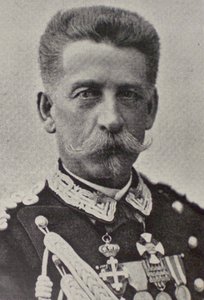
luigi gerolamo pelloux
1839 - 1924 , France
プロフィール概要
- Artistic Movement Or Style: Political figure
- Date Of Birth: 1839-03-01
- Date Of Death: 1924-10-26
- Full Name: Luigi Gerolamo Pelloux
- Nationality: Italian/Savoyard
- Notable Artworks: ['King Umberto I']
- Place Of Birth: La Roche-sur-Foron, France

