

 プレビュー
プレビュー
 シェアする
シェアする シェアする
シェアする
 詳細を見る
詳細を見る

 ダウンロード
 似ている作品
 X線調査
X線調査 スライドショー
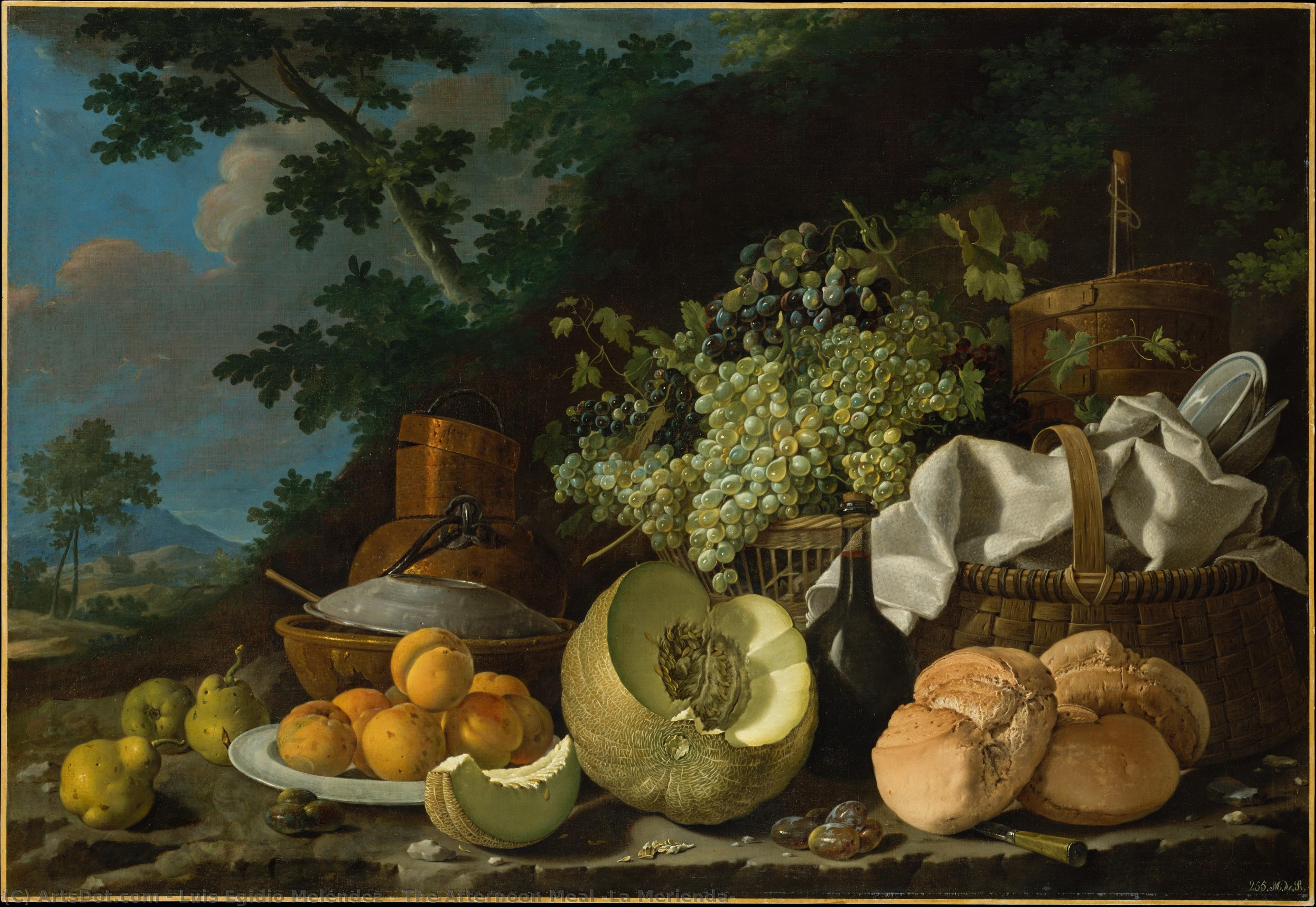
The Afternoon Meal (La Merienda)
 Oil On Canvas
- WallArt
- Baroque
 1772
1772- Early Modern
 105.0 x 154.0 cm
 メトロポリタン美術館
 詳細を見る
詳細を見る
ジークレー/アートプリント
迅速な制作と多彩な仕上げオプションを備えた、ミュージアムクオリティのジークレーまたはキャンバスプリント。 ( 手描きの絵画を購入 画像を購入)




P118B $10

P118H $10

P118W $10

P438Z $10

P508JH $12

P508YH $12

P805H $10

P805Z $10

P919BZ $10

P919G $10

P919XJ $10

P959ZH $10

P968JZ $12

W106C $8

W218G $10

W218JH $8

W218Y $10

W307PJ $10

W316G $10

W316PJ $8

W316Y $10

W398PJ $8

W4111J $10

W500HY $15

W500JH $15

W692G $12

W849H $8

W940BG $15

W953PJ $8




作品のオリジナル比率に合わせた、当店の規定サイズからお選びください。

特定のフレームやスペースに合わせて、ご自身でサイズを指定することも可能です。選択されたサイズが元の画像の比率と一致しない場合、作品をトリミングするか、鏡面反射または単色での塗りつぶしによって画像を拡張いたします。制作を開始する前に、ご確認用のデジタルモックアップをお送りいたします。
画面上のプレビューには、実際のトリミングや拡張は反映されませんのでご注意ください。最終的な構図を正確に確認できるのは、モックアップのみとなります。
カスタムサイズも承っておりますが、元の比率を維持するためには、あらかじめ用意されたリストからサイズを選択することをお勧めいたします。


 ガラスオプションは、110cm未満のサイズでのみご利用いただけます。

The Afternoon Meal (La Merienda)
ジークレー/アートプリント
複製画のサイズ
-


合計金額
$ 62
作品詳細説明
A Symphony of Stillness: The Artistry of Meléndez
In the quietude of 1772, Luis Egidio Meléndez captured more than just a collection of food; he froze a moment of aristocratic grace within the canvas of “The Afternoon Meal” (La Meriente). This masterpiece serves as a profound window into the golden age of Spanish culture, where the simple act of a midday snack was elevated to an art form. As one gazes upon the arrangement, there is an immediate sense of a world slowed down—a period of leisure and refinement that characterized the Bourbon court. The painting transcends its humble subject matter of fruits and vegetables, whispering tales of the meticulous observation of nature and the quiet dignity found in the most mundane elements of life.
The composition is a masterclass in Baroque precision, utilizing a subtle pyramidal structure to guide the viewer's eye through a landscape of textures. At the apex sits a bountiful basket of grapes, their translucent skins catching the light with an almost tactile quality. Scattered around this central focus are apples, placed with such intentionality that they seem to balance the weight of the scene, leading the gaze toward the edges of the table where a solitary knife rests. This careful arrangement creates a harmonious equilibrium, making the work not just a depiction of food, but a carefully choreographed dance of light and shadow.
Technique and the Mastery of Light
What distinguishes Meléndez from his contemporaries is an astonishing level of realism that borders on the miraculous. His technique, rooted in a deep understanding of volume and texture, allows the viewer to almost sense the coolness of the ceramic bowls and the crispness of the fruit's skin. Through painstaking brushwork, he achieves a chiaroscuro effect that breathes life into the inanimate. Every element—from the subtle bruising on an apple to the glint of light on a metal blade—is rendered with a devotion to detail that speaks to his lineage of miniaturists.
For the discerning collector or interior designer, this painting offers a profound emotional resonance. It is a piece that commands attention through its stillness rather than through movement. The way Meléndez manipulates light creates an atmosphere of contemplative peace, making it an ideal centerpiece for spaces designed for reflection and elegance. Whether placed in a sun-drenched dining room or a sophisticated study, the painting brings with it a sense of historical weight and an enduring aesthetic of luxury.
A Legacy of Spanish Baroque Brilliance
To understand the depth of this work, one must consider the artist's complex journey. Born in Naples but deeply embedded in the Spanish courtly tradition, Meléndez navigated a life of both royal patronage and personal struggle. His ability to transform "kitchen fare" into powerful, monumental imagery is a testament to his unique vision. While he may have sought the grander stage of portraiture, it was in the intimate realm of the still life that he truly found his voice, leaving behind a legacy that remains a cornerstone of Spanish art history.
Owning a high-quality reproduction of “The Afternoon Meal” is an opportunity to invite this historical splendor into a modern setting. It is more than a decorative element; it is an invitation to appreciate the beauty in the ephemeral and the extraordinary within the ordinary. For those who seek art that inspires a sense of wonder and a deep appreciation for the meticulous craftsmanship of the past, Meléndez’s work remains an unparalleled choice.
関連作品
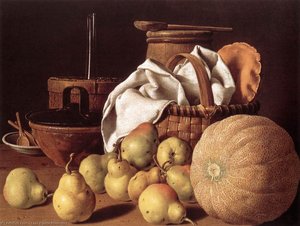
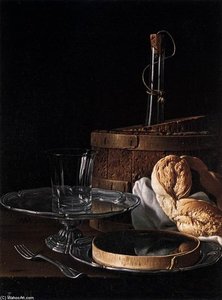
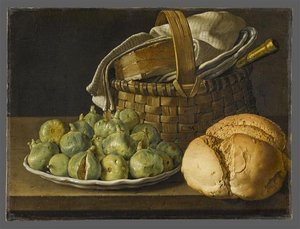
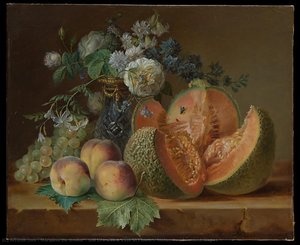
アーティストの略歴
静寂に浸る人生:ルイス・エギディオ・メレンドスの世界
1716年、ナポリの芸術的な血統の中に生を受けたルイス・エギディオ・メレンドス・デ・リヴェラ・ドゥラソ・イ・サント・パドレは、18世紀スペイン絵画における極めて重要な人物としてその名を刻みました。彼の父フランシスコ・メレンドスは、芸術的研鑽を求めてオビエドからマドリード、そしてイタリアへと渡った細密画家であり、叔父のミゲル・ハシントもまたスペイン宮廷で肖像画を手がけていました。幼いルイスにとって、この家族的な芸術環境は揺るぎない基礎となりました。しかし、その後の彼の人生は、王室との繋がり、アカデミーでの挫折、そして最終的には一見控えめに見える「静物画」というジャンルへの深い献身が複雑に絡み合うものとなりました。メレンドスがわずか1歳で家族と共にマドリードへ戻ったことで、彼は宮廷の庇護という軌道に乗ることになります。1725年には父が国王の細密画家として任命されたこともあり、この幼少期の経験は、単なる技術的な習得に留まりとどまらず、王室肖像画に求められる期待や要求への理解をも彼に植え付けました。それは、後に彼が野心と葛藤の両方を抱えながら歩むことになる世界でした。王室への志から、独自のヴィジョンへ
メレンドスの形成期は、確立された芸術的階層の中で認められたいという強い渇望に彩られていました。彼はフランス王室画家ルイ・ミシェル・ヴァン・ルーの指導の下、数年間にわたり肖像画の模写に励み、貴重な経験を積みました。しかし、その活動は自律的な創造というよりは、既存の作品の複製という枠内に留まっていました。彼の野心は、単なる補助的な役割を超え、自らが宮廷画家となることにありました。1744年のサン・フェルナンド王立美術アカデミーの設立は、彼にとって道が開ける好機となり、メレンドスはその第一期生として卓越した素描技術を披露しました。ところが、父がアカデミーの学長に対して行った率直すぎる批判が紛争へと発展し、1748年には父の解任とルイス自身の追放という、キャリアにおける重大な挫折を招いてしまいます。その後、イタリアでの滞在を経て、スペイン国王カルロス3世(当時はナポリ王)のために作品を描く時期もありましたが、1753年にマドリードへ戻り、アルカサル宮殿の修復作業で父を助ける日々が続きました。真に彼自身の道を切り拓き始めたのは1続けた1760年以降のことでした。彼は次第に静物画へと専門を絞っていきます。それは、王室の依頼やアカデミーの承認という制約から解放され、芸術的な自由と独立性を手に入れるための選択でもあったのです。日常の極致:新たな美学の誕生
メレンドスが静物画に捧げた献身は、単なる現実的な選択ではなく、芸術的可能性への意図的な探求でした。彼は、光と影の劇的な演出と緻密な形態描写で知られるフアン・サンチェス・コタンやフランシスコ・デ・スルバランといった17世紀スペインの巨匠たちが築き上げた、厳格な伝統を継承しました。しかし、メレンドスはその遺産に彼独自の感性を吹き込んだのです。対象を暗い背景の中に置く前任者たちとは異なり、彼は被写体を鑑賞者のすぐ近くへと引き寄せました。低い視点(ロー・アングル)を採用することで、直接的な観察と親密な感覚を促したのです。この手法は、経験的な研究と科学的探究を重視する、当時高まりつつあった啓蒙主義の精神と共鳴しており、美学的観点における微細ながらも重大な転換点となりました。1759年から1772年にかけて、彼はアストゥリアス公(後の国王カルロス4世)の私的な自然史博物館のために少なくとも44点の静物画を制作しました。現在プラド美術館に収蔵されているこれらの作品は、その写実性、細部への執着、そして光と影の繊細な扱いによって、ありふれた台所の品々を芸術的な価値を持つ存在へと昇華させ、ジャンルの巨匠としての地位を不動のものにしました。写実主義と静かなる尊厳の遺産
類まれな才能と情熱を持ちながらも、メレドスはその生涯の大部分を相対的な貧困の中で過ごしました。国王への手紙の中で「手元には筆しかない」と嘆いたエピソードはあまりにも有名です。1780年、彼はマドリードで困窮した状態でこの世を去りました。生前、彼が広く認められることはほとんどありませんでした。彼の作品が18世紀スペイン静物画の頂点として絶賛されるようになったのは、あくまで死後のことでした。果物、野菜、陶器、ガラスといった日常的な品々を、芸術的な尊厳と美の域へと引き上げた彼の功績は、今も色褪せることがありません。彼は単に目に見えるものを複製したのではなく、緻密な観察眼と繊細な芸術性というレンズを通して、それらを解釈し直したのです。彼の構図は、単なる物の配置ではなく、光、質感、そして形態を丹念に構築した研究そのものなのです。歴史的意義
ルイス・エギディオ・メレンドスの歴史的な重要性は、その卓越した写実主義、啓蒙主義の理想の受容、そしてスペインの芸術的遺産への貢献にあります。彼は以下の点において高く評価されています。- 写実主義の巨匠: 日常的な物体を驚くべき正確さと細部まで描き出す、比類なき能力。
- 啓蒙主義の影響: 低い視点と直接的な観察への集中は、経験的・科学的な探究を重視した啓蒙主義の精神を反映しています。
- スペイン芸術の遺産: スペイン静物画の伝統を継承しながらも独自のスタイルを確立し、スペイン美術史に永続的な足跡を残しました。
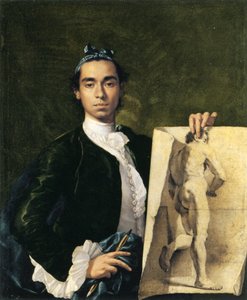
ルイス・エギディオ・メレンデス
1716 - 1780
基本情報
- Artistic Movement Or Style: 静物画
- Artists Who Influenced This Artist:
- フアン・サンチェス・コタン
- フランシスコ・デ・スルバラン
- Date Of Birth: 1716年
- Date Of Death: 1780年
- Full Name: ルイス・エギディオ・メレンデス・デ・リヴェラ・ドラソ
- Nationality: スペイン
- Notable Artworks:
- 無花果の静物画
- 果物と水差しのある静物画
- Place Of Birth: イタリア、ナポリ
関連記事
The Golden Age Reforged: Dramatic Realism & Religious Zeal in Spanish Baroque Art
Explore the dramatic world of Spanish Baroque art! Discover masters like Zurbarán & the powerful influence of religious zeal on painting techniques – a guide for collectors and enthusiasts.
The Bountiful Still Life: Symbolism & Artistic Representation of Fruit Across Art History
Explore the rich history of still life painting & the symbolism of fruit across art movements. Discover masterpieces from Caravaggio to Cézanne with ArtsDot – expert guidance & museum-quality reproductions.

The Dramatic Flourish: Exploring the Baroque Movement's Enduring Legacy in Art History
Explore the dramatic world of Baroque art! Discover iconic artists like Caravaggio & Rubens, defining techniques, and its lasting impact on art history. Expert insights for collectors & enthusiasts at ArtsDot.

バロック美術を極めた至宝:時代を彩る10大名作の世界
バロック美術の華!カラヴァッジョ、ベルニーニら巨匠が創り上げた10大名作を徹底解剖。ドラマチックな色彩と豪華絢爛の世界観に触れ、至宝のアートプリントで空間を彩ろう。ArtsDot.comで美術館品質の複製と洗練されたインテリアを見つけましょう!
Silent Narratives: Exploring the Enduring Appeal of Still Life Painting Across Centuries
Explore the rich history of still life painting with ArtsDot. Discover Dutch Masters, decode vanitas symbolism & learn about collecting timeless art. Expert insights and museum-quality reproductions.

