

 プレビュー
プレビュー
 シェアする
シェアする シェアする
シェアする
 詳細を見る
詳細を見る

 ダウンロード
 似ている作品
 X線調査
X線調査 スライドショー
 Stats
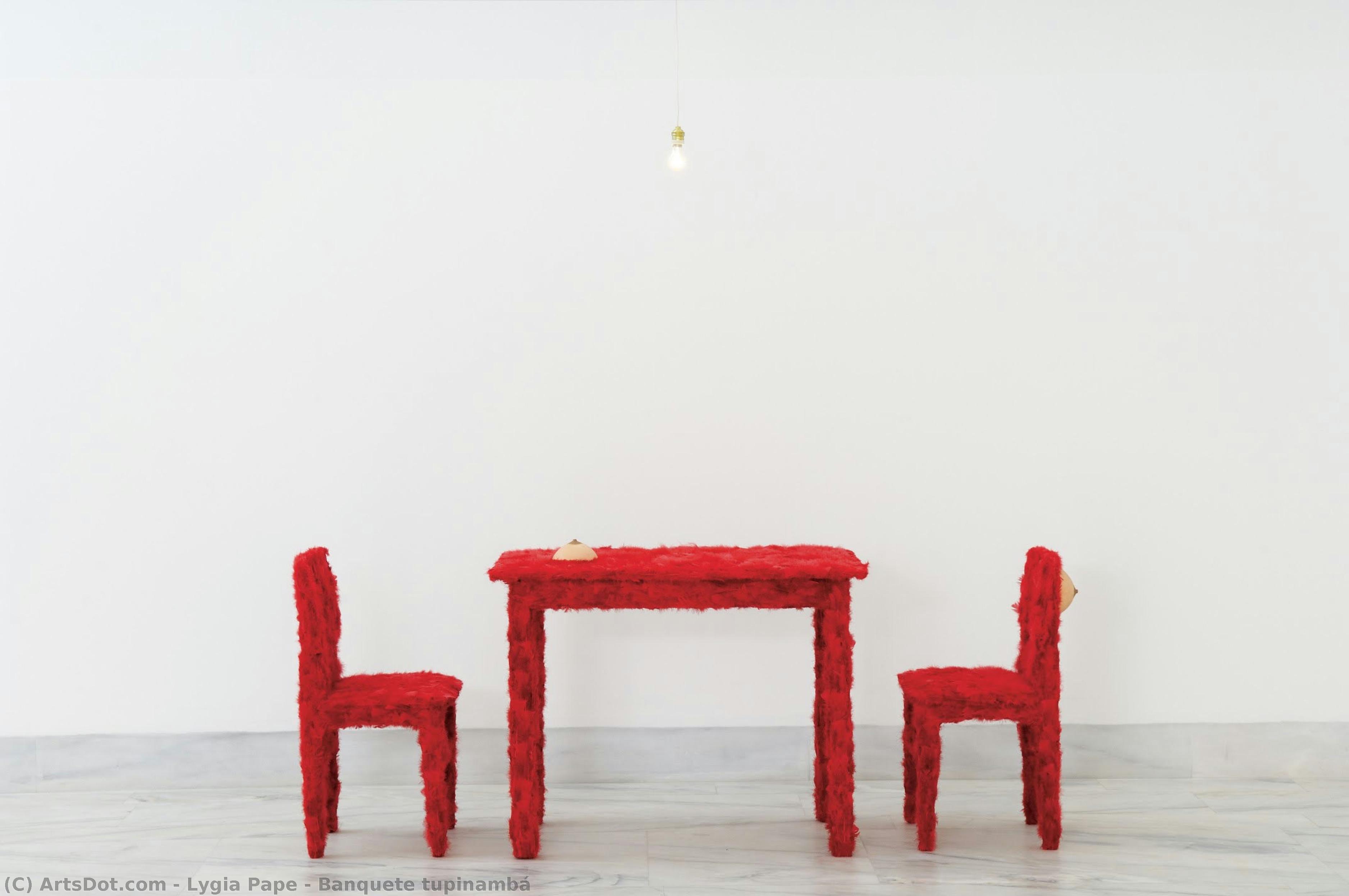
StatsBanquete tupinambá
 2000
2000 77.0 x 140.0 cm
 Culturgest - Fundação Caixa Geral de Depósitos
 詳細を見る
詳細を見る
オンラインプレビューをはるかに凌ぐ、高解像度で鮮明なデジタル画像をご購入いただけます。
各ファイルは、社内の専門家が高度なツールと熟練した手作業によるレタッチを用いて、細心の注意を払って準備されています。すべての画像において、卓越した鮮明度、正確な色彩再現性、そして繊細なディテールを保証いたします。
最終ファイルは、プロフェッショナルな編集・印刷環境ですぐにご利用いただけるよう最適化された状態で、72時間以内にメールにてお届けいたします。これは、一流のデザインスタジオ、出版社、ギャラリーから信頼されているものと同等の品質です。
デジタルアート
個人での鑑賞、印刷、クリエイティブなプロジェクト用に、高解像度ファイルをダウンロードできます。 ( Switch to Print 手描きの絵画を購入)
デジタル画像のご注文に付随する特典
高品質なデジタル画像配信を、確かな品質で。
ArtsDot.com を選ぶことは、単に画像を手に入れることではありません。それは、プロの手によって精密に仕上げられ、満足保証が付いた高品質なデジタルアートワークを受け取ることを意味します。ご注文いただいた際に自動的に付随する内容は、以下の通りです:

メールですぐにお届け
ご注文から72時間以内に、高解像度のデジタル画像ファイルがメールでお手元に届きます。すぐにそのままご利用いただけます。

AI技術で最適化されたデジタルファイル
お客様の作品は、高度なAIツールと専門家による手作業の編集を組み合わせてプロフェッショナルに最適化されており、細部のディテール、鮮明さ、そして正確な色再現性を最大限に引き出しています。

一生涯無料の再送サービス
ファイルを誤って削除したり、紛失してしまったりしましたか?ご安心ください。いつでも無料で再送いたします。

輸入手数料は一切かかりません
関税や手数料、配送料を気にすることなく、お気に入りのアートワークをすぐにお楽しみいただけます。デジタルダウンロードは常に免税です。

色彩再現の保証
プロ仕様のツールとカラーマネジメント技術を用いることで、デジタル画像が元の色を最大限に忠実に再現することを保証いたします。

100日間満足保証
ご購入いただいたデジタル画像にご満足いただけない場合は、100日以内であれば、理由を問わず修正または100%の返金対応をさせていただきます。

100% 返金保証
ご満足いただけない場合は、デジタルファイルを受け取ってから100日以内であれば、理由を問わず全額返金いたします。

まとめ買い割引
3枚購入で10%OFF - 5枚購入で15%OFF - 10枚以上購入で20%OFF。クリエイティブなプロジェクト、ギャラリー、エージェンシーに最適です。
関連作品

作家の略歴
Early Life and Education
- Born: April 7, 1927, Nova Friburgo, Brazil
- Died: May 3, 2004, Rio de Janeiro, Brazil
- Studied philosophy at the Universidade Federal do Rio de Janeiro (UFRJ).
- Received informal training in fine arts and studied with Fayga Ostrower at the Museu de Arte Moderna do Rio de Janeiro.
- Began her artistic journey around 1950, influenced by European constructivism.
The Concrete and Neo-Concrete Movements
- Concrete Art: Joined the Concrete art movement in the early 1950s, embracing geometric shapes and materiality.
- Grupo Frente: Co-founded Grupo Frente in 1952 with Ivan Serpa, Hélio Oiticica, and Aluíso Carvão. This group rejected Brazilian modernism's figuration and nationalism.
- Neo-Concrete Movement: A key figure in the emergence of the Neo-Concrete movement in the late 1950s. This movement moved away from pure rationalism, incorporating sensuality, color, and poetic feeling.
- Manifesto: Co-signed the Neo-Concrete manifesto with Lygia Clark and Hélio Oiticica, advocating for viewer interaction and phenomenological experiences.
Key Works and Artistic Development
- Tecelares Series (1950s): A series of wood prints featuring planes of black ink and thin lines, evoking handiwork and a connection to Brazilian culture. These works explored the concept of "magnetized space."
- Livro da Criação (Book of Creation) (1959): A part-book-part-sculptural work designed to narrate the genesis of the world, allowing viewers to manipulate pages and create unique narratives.
- Livro do tempo (Book of Time) (1961–63): Consisted of 365 three-dimensional units representing each day of the year.
- Neoconcrete Ballets (late 1950s): Performance pieces involving dancers in colored costumes, exploring movement and space.
- Film Work: Involved with Cinema Novo as a designer and later created experimental films incorporating social and political themes.
Influences and Historical Significance
- European Constructivism: Early influence on her geometric abstraction.
- Brazilian Indigenous Culture: Inspiration for the "weaving" metaphor in the Tecelares series, connecting to traditional Brazilian art forms.
- Hélio Oiticica & Lygia Clark: Collaborated with these artists and shared a vision for expanding contemporary art in Brazil.
- Pioneer of Neo-Concrete Art: Pape's work significantly contributed to the development and expansion of Neo-Concrete art, pushing boundaries through interaction, ethics, and politics.
- Legacy: Her emphasis on viewer participation and exploration of social themes continues to inspire artists and art enthusiasts worldwide.
Later Career and Recognition
- Taught at the Museu de Arte Moderna and Universidade Santa Úrsula in Rio de Janeiro.
- Received a master's degree in philosophy of art from UFRJ.
- Participated in major exhibitions, including the São Paulo Bienal and the Venice Biennale.
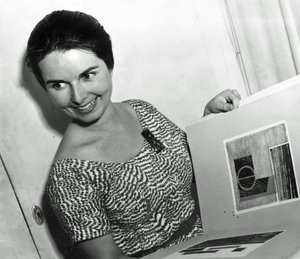
Lygia Pape
1927 - 2004 , Brazil
プロフィール概要
- Artistic Movement Or Style: Neo-Concrete Movement
- Artists Who Influenced This Artist: ['Theo van Doesburg']
- Date Of Birth: April 7, 1927
- Date Of Death: May 3, 2004
- Full Name: Lygia Pape
- Nationality: Brazilian
- Notable Artworks:
- Tecelares Series
- Livro da Criação
- Ttéias
- Place Of Birth: Nova Friburgo, Brazil