

 プレビュー
プレビュー
 シェアする
シェアする シェアする
シェアする
 詳細を見る
詳細を見る

 ダウンロード
 似ている作品
 X線調査
X線調査 スライドショー
 Stats
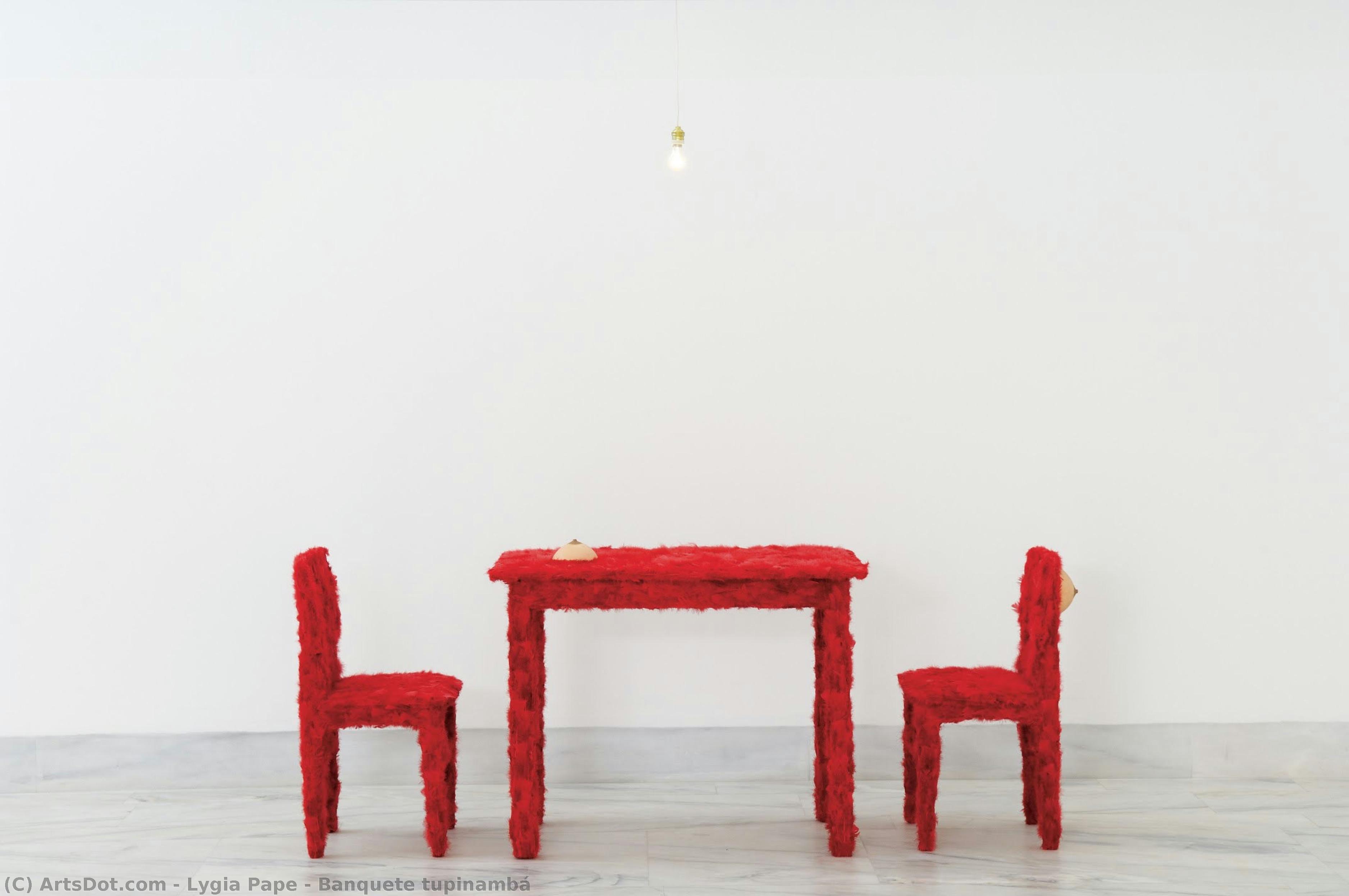
StatsBanquete tupinambá
 2000
2000 77.0 x 140.0 cm
 Culturgest - Fundação Caixa Geral de Depósitos
 詳細を見る
詳細を見る
ジークレー/アートプリント
迅速な制作と多彩な仕上げオプションを備えた、ミュージアムクオリティのジークレーまたはキャンバスプリント。 ( 手描きの絵画を購入 Switch to Digital Image)




































作品のオリジナル比率に合わせた、当店の規定サイズからお選びください。

特定のフレームやスペースに合わせて、ご自身でサイズを指定することも可能です。選択されたサイズが元の画像の比率と一致しない場合、作品をトリミングするか、鏡面反射または単色での塗りつぶしによって画像を拡張いたします。制作を開始する前に、ご確認用のデジタルモックアップをお送りいたします。
画面上のプレビューには、実際のトリミングや拡張は反映されませんのでご注意ください。最終的な構図を正確に確認できるのは、モックアップのみとなります。
カスタムサイズも承っておりますが、元の比率を維持するためには、あらかじめ用意されたリストからサイズを選択することをお勧めいたします。


 ガラスオプションは、110cm未満のサイズでのみご利用いただけます。

Banquete tupinambá
ジークレー/アートプリント
複製画のサイズ
-


合計金額
$ 62
関連作品

アーティストの略歴
Early Life and Education
- Born: April 7, 1927, Nova Friburgo, Brazil
- Died: May 3, 2004, Rio de Janeiro, Brazil
- Studied philosophy at the Universidade Federal do Rio de Janeiro (UFRJ).
- Received informal training in fine arts and studied with Fayga Ostrower at the Museu de Arte Moderna do Rio de Janeiro.
- Began her artistic journey around 1950, influenced by European constructivism.
The Concrete and Neo-Concrete Movements
- Concrete Art: Joined the Concrete art movement in the early 1950s, embracing geometric shapes and materiality.
- Grupo Frente: Co-founded Grupo Frente in 1952 with Ivan Serpa, Hélio Oiticica, and Aluíso Carvão. This group rejected Brazilian modernism's figuration and nationalism.
- Neo-Concrete Movement: A key figure in the emergence of the Neo-Concrete movement in the late 1950s. This movement moved away from pure rationalism, incorporating sensuality, color, and poetic feeling.
- Manifesto: Co-signed the Neo-Concrete manifesto with Lygia Clark and Hélio Oiticica, advocating for viewer interaction and phenomenological experiences.
Key Works and Artistic Development
- Tecelares Series (1950s): A series of wood prints featuring planes of black ink and thin lines, evoking handiwork and a connection to Brazilian culture. These works explored the concept of "magnetized space."
- Livro da Criação (Book of Creation) (1959): A part-book-part-sculptural work designed to narrate the genesis of the world, allowing viewers to manipulate pages and create unique narratives.
- Livro do tempo (Book of Time) (1961–63): Consisted of 365 three-dimensional units representing each day of the year.
- Neoconcrete Ballets (late 1950s): Performance pieces involving dancers in colored costumes, exploring movement and space.
- Film Work: Involved with Cinema Novo as a designer and later created experimental films incorporating social and political themes.
Influences and Historical Significance
- European Constructivism: Early influence on her geometric abstraction.
- Brazilian Indigenous Culture: Inspiration for the "weaving" metaphor in the Tecelares series, connecting to traditional Brazilian art forms.
- Hélio Oiticica & Lygia Clark: Collaborated with these artists and shared a vision for expanding contemporary art in Brazil.
- Pioneer of Neo-Concrete Art: Pape's work significantly contributed to the development and expansion of Neo-Concrete art, pushing boundaries through interaction, ethics, and politics.
- Legacy: Her emphasis on viewer participation and exploration of social themes continues to inspire artists and art enthusiasts worldwide.
Later Career and Recognition
- Taught at the Museu de Arte Moderna and Universidade Santa Úrsula in Rio de Janeiro.
- Received a master's degree in philosophy of art from UFRJ.
- Participated in major exhibitions, including the São Paulo Bienal and the Venice Biennale.
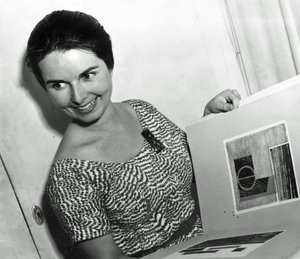
Lygia Pape
1927 - 2004 , Brazil
基本情報
- Artistic Movement Or Style: Neo-Concrete Movement
- Artists Who Influenced This Artist: ['Theo van Doesburg']
- Date Of Birth: April 7, 1927
- Date Of Death: May 3, 2004
- Full Name: Lygia Pape
- Nationality: Brazilian
- Notable Artworks:
- Tecelares Series
- Livro da Criação
- Ttéias
- Place Of Birth: Nova Friburgo, Brazil