

 プレビュー
プレビュー
 プリントを購入
 シェアする
シェアする シェアする
シェアする
 詳細を見る
詳細を見る

 ダウンロード
 似ている作品
 X線調査
X線調査 スライドショー
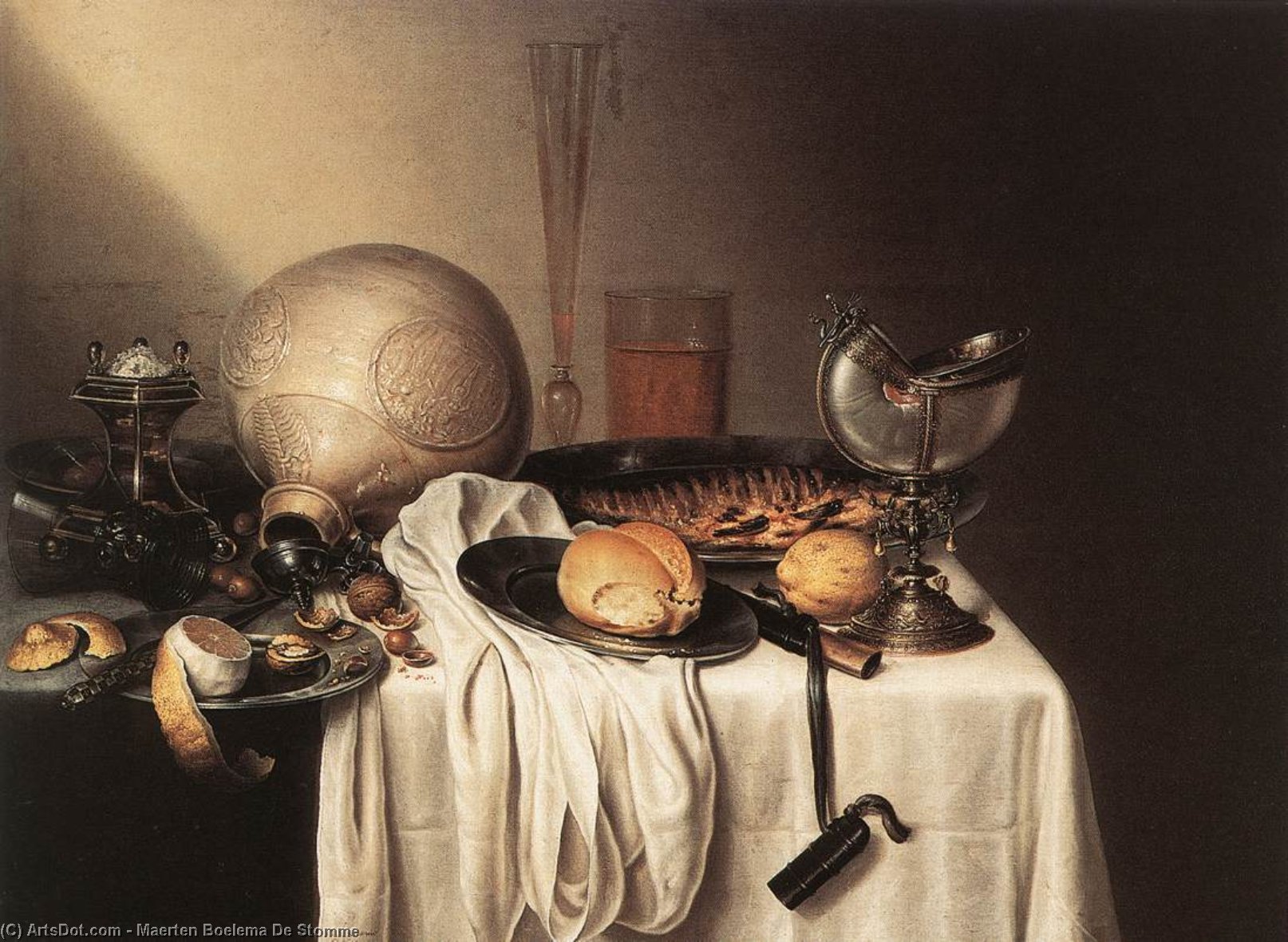
Still-Life with a Bearded Man Crock and a Nautilus Shell Cup
 Oil
Oil- WallArt
 1642
1642 73.0 x 96.0 cm
 ロイヤル・ミュゼー・ドゥ・ビュート・アールス
 詳細を見る
詳細を見る
オンラインプレビューをはるかに凌ぐ、高解像度で鮮明なデジタル画像をご購入いただけます。
各ファイルは、社内の専門家が高度なツールと熟練した手作業によるレタッチを用いて、細心の注意を払って準備されています。すべての画像において、卓越した鮮明度、正確な色彩再現性、そして繊細なディテールを保証いたします。
最終ファイルは、プロフェッショナルな編集・印刷環境ですぐにご利用いただけるよう最適化された状態で、72時間以内にメールにてお届けいたします。これは、一流のデザインスタジオ、出版社、ギャラリーから信頼されているものと同等の品質です。
デジタル画像のご注文に付随する特典
高品質なデジタル画像配信を、確かな品質で。
ArtsDot.com を選ぶことは、単に画像を手に入れることではありません。それは、プロの手によって精密に仕上げられ、満足保証が付いた高品質なデジタルアートワークを受け取ることを意味します。ご注文いただいた際に自動的に付随する内容は、以下の通りです:

メールですぐにお届け
ご注文から72時間以内に、高解像度のデジタル画像ファイルがメールでお手元に届きます。すぐにそのままご利用いただけます。

AI技術で最適化されたデジタルファイル
お客様の作品は、高度なAIツールと専門家による手作業の編集を組み合わせてプロフェッショナルに最適化されており、細部のディテール、鮮明さ、そして正確な色再現性を最大限に引き出しています。

一生涯無料の再送サービス
ファイルを誤って削除したり、紛失してしまったりしましたか?ご安心ください。いつでも無料で再送いたします。

輸入手数料は一切かかりません
関税や手数料、配送料を気にすることなく、お気に入りのアートワークをすぐにお楽しみいただけます。デジタルダウンロードは常に免税です。

色彩再現の保証
プロ仕様のツールとカラーマネジメント技術を用いることで、デジタル画像が元の色を最大限に忠実に再現することを保証いたします。

60日間満足保証
ご購入いただいたデジタル画像にご満足いただけない場合は、60日以内であれば、修正または100%の返金(理由を問う必要はありません)をさせていただきます。

100% 返金保証
ご満足いただけない場合は、デジタルファイルを受け取ってから60日以内であれば、理由を問わず全額返金いたします。

まとめ買い割引
3枚購入で10%OFF - 5枚購入で15%OFF - 10枚以上購入で20%OFF。クリエイティブなプロジェクト、ギャラリー、エージェンシーに最適です。
作品の詳細
A Quiet Stillness from the Dutch Golden Age
To gaze upon this still life with a Bearded Man Crock and a Nautilus Shell Cup is to step directly into the intimate, meticulously ordered world of 17th-century Dutch domesticity. Painted in 1642 by Maerten Boelema de Stomme, this work transcends a mere arrangement of objects; it is a carefully composed meditation on material culture, light, and the passage of time. The scene unfolds upon a table draped with a pristine white cloth, creating a luminous stage for the collection of everyday treasures.
The composition invites the viewer to slow down, to notice the subtle gleam on polished porcelain, the rich patina of aged wood, and the delicate curve of natural forms like the nautilus shell. It speaks in hushed tones of wealth, daily ritual, and the quiet pleasures afforded by a settled life.
Mastery of Light and Texture
Boelema de Stomme’s technique is nothing short of breathtaking. He possessed an almost unparalleled ability to render texture—the soft nap of fabric contrasting sharply with the hard, reflective glaze of the ceramic vessels. Observe how the light seems to originate from an unseen source, catching the edges of the various bowls and cups, defining their contours with exquisite precision. This masterful handling of chiaroscuro, the dramatic interplay between illumination and shadow, gives the entire arrangement a palpable sense of three-dimensionality. The inclusion of objects like the knife near the edge adds a subtle narrative tension, suggesting that life—and perhaps the meal itself—has only just paused.
Symbolism in the Everyday Objects
In the world of Dutch still life painting, no object is accidental. Each item carries potential symbolic weight. The vessels themselves—the crocks, the cups, the vases—are not merely decorative; they speak to trade routes, domestic routines, and the burgeoning mercantile success of the era. The inclusion of a figure, perhaps the bearded man glimpsed within the scene, grounds the still life in human experience, suggesting that these beautiful objects are integral parts of lived moments. These paintings often served as *vanitas* reminders, subtly reminding the affluent viewer to appreciate the fleeting nature of earthly beauty and material possessions.
An Enduring Appeal for Modern Interiors
For the contemporary collector or designer, this piece offers more than just historical artistry; it provides an aesthetic anchor. The restrained palette, dominated by whites, creams, and muted earth tones punctuated by the gleam of metal and shell, harmonizes beautifully with both classical and modern interior schemes. Reproducing such a work allows one to infuse a space with the sophisticated quietude of the Dutch Golden Age. It is art that whispers refinement rather than shouting opulence, making it a perfect focal point for a dining room, study, or gallery wall.
関連作品
作家の略歴
Maerten Boelema de Stomme: A Master of Dutch Still Life
The world of 17th-century Dutch painting is replete with remarkable talent, yet few artists possess the singular, haunting beauty of Maerten Boelema de Stomme (c. 1611 – after 1644). His name, literally translating to “Maerten Boelema the Silent,” reflects a defining characteristic of his life and profoundly shaped his artistic vision. Born in Leeuwarden, Netherlands, into a family steeped in artistic tradition—his father was a painter—Boelema’s early life remains shrouded in some mystery, though it's believed he received instruction from Willem Claesz Heda, a master of meticulously rendered domestic scenes. Despite the influence of this esteemed teacher, Boelema quickly developed his own distinctive style, one characterized by an almost unsettling intimacy with everyday objects and a masterful manipulation of light and shadow.
Boelema’s most celebrated works are his still lifes – compositions that seem to capture a fleeting moment in time. These aren't merely arrangements of items; they are carefully constructed narratives, imbued with a quiet drama and an underlying sense of melancholy. He frequently depicted scenes of domesticity: tables laden with food, overflowing with the bounty of the harvest or the remnants of a lavish meal. Crucially, Boelema’s subjects were not idealized; he embraced imperfection, presenting objects in states of decay, half-eaten fruit, and slightly wilted flowers – a deliberate rejection of the polished perfection favored by many of his contemporaries. This focus on transience and vulnerability is perhaps rooted in his own silence, suggesting an empathetic understanding of mortality and the ephemeral nature of earthly pleasures.
The Silent Language of Objects
Boelema’s compositions are remarkably detailed, demanding close scrutiny to fully appreciate their complexity. He was a master of texture, meticulously rendering the sheen of silver, the velvety softness of fruit, and the rough grain of wood. His use of light is particularly striking – often employing dramatic chiaroscuro, he casts deep shadows that heighten the sense of mystery and draw the viewer’s eye to specific details within the scene. The objects themselves are carefully chosen for their symbolic weight. A half-peeled lemon might represent fleeting beauty or impending decay; a nautilus shell cup, frequently featured in his works, symbolizes both abundance and the mysteries of the sea. A recurring motif is the “Roemer” glass – a tall, slender vessel used to hold white wine – which adds an element of elegance and sophistication to many of his compositions.
The inclusion of human elements—often a bearded man with a crock or a partially visible figure—further complicates these still lifes. These figures are rarely fully rendered; they’re often obscured by shadows, their faces turned away from the viewer, suggesting an emotional distance and reinforcing the sense that we are observing a private moment rather than a public display. The presence of these enigmatic figures invites speculation about their identities and motivations, adding another layer of intrigue to Boelema's work.
A Short but Significant Career
Despite his undeniable talent, Boelema’s career was tragically brief. He signed his works with the unassuming “M.B. de Stomme,” a testament to his self-awareness and perhaps a subtle defiance of societal expectations. He is believed to have worked primarily between 1642 and 1644, producing a remarkably concentrated body of work in a relatively short period. The exact circumstances surrounding his death remain uncertain; however, it’s widely accepted that he died in Haarlem, a major artistic center at the time.
Boelema's influence on subsequent generations of Dutch still life painters is considerable. His emphasis on realism, his exploration of light and shadow, and his willingness to depict imperfection paved the way for artists like Willem van Nieukerk and Pieter Claesz. His work continues to resonate with viewers today, offering a poignant meditation on beauty, mortality, and the quiet dignity of everyday objects. Maerten Boelema de Stomme’s legacy lies not just in the exquisite detail of his paintings but also in the profound emotional depth he brought to the seemingly mundane world of still life.
Key Works
- Still-Life with a Bearded Man Crock and a Nautilus Shell Cup (1642-1644): Arguably his most famous work, this painting exemplifies Boelema’s mastery of composition, light, and texture. The arrangement is both opulent and melancholic, capturing the fleeting beauty of a moment in time.
- Still Life with meat pie (1642-1644): A dramatic depiction of food, showcasing Boelema’s ability to create a sense of immediacy and realism. The lighting is particularly effective in highlighting the textures and colors of the various elements.
- Still Life (1642-1644): A simpler composition that nevertheless demonstrates Boelema's skill in capturing the essence of everyday objects and creating a sense of atmosphere.
Historical Context
Maerten Boelema de Stomme’s work emerged during the height of the Dutch Golden Age, a period of unprecedented artistic and economic prosperity. The Dutch Republic was a center for trade and innovation, and its cities—particularly Amsterdam and Haarlem—attracted artists from across Europe. The demand for art fueled a flourishing market, allowing artists to pursue their craft with relative freedom. However, despite this vibrant cultural environment, Boelema’s silence – both literal and perhaps metaphorical – set him apart. His work reflects the anxieties and uncertainties of his time, offering a subtle critique of wealth and status while simultaneously celebrating the beauty of the natural world.
maerten boelema de stomme
1611 - 1644 , Netherlands
プロフィール概要
- Artistic Movement Or Style: Still life painting
- Artists Who Influenced This Artist: ['Willem Claesz Heda']
- Date Of Birth: 1611, Leeuwarden
- Date Of Death: 1644, Haarlem
- Full Name: Maerten Boelema de Stomme
- Nationality: Dutch
- Notable Artworks:
- Nautilus Cup Still Life
- Meat Pie Still Life
- Bearded Man Crock
- Place Of Birth: Leeuwarden, Netherlands

