

 プレビュー
プレビュー
 シェアする
シェアする シェアする
シェアする
 詳細を見る
詳細を見る

 ダウンロード
 似ている作品
 X線調査
X線調査 スライドショー
Untitled (D2XAHZ)
 Oil On Canvas
- WallArt
- Early Renaissance
 1390
1390- Renaissance
 149.0 x 89.0 cm
 メトロポリタン美術館
 詳細を見る
詳細を見る
ジークレー/アートプリント
迅速な制作と多彩な仕上げオプションを備えた、ミュージアムクオリティのジークレーまたはキャンバスプリント。 ( 手描きの絵画を購入 画像を購入)




P118B $10

P118H $10

P118W $10

P438Z $10

P508JH $12

P508YH $12

P805H $10

P805Z $10

P919BZ $10

P919G $10

P919XJ $10

P959ZH $10

P968JZ $12

W106C $8

W218G $10

W218JH $8

W218Y $10

W307PJ $10

W316G $10

W316PJ $8

W316Y $10

W398PJ $8

W4111J $10

W500HY $15

W500JH $15

W692G $12

W849H $8

W940BG $15

W953PJ $8




作品のオリジナル比率に合わせた、当店の規定サイズからお選びください。

特定のフレームやスペースに合わせて、ご自身でサイズを指定することも可能です。選択されたサイズが元の画像の比率と一致しない場合、作品をトリミングするか、鏡面反射または単色での塗りつぶしによって画像を拡張いたします。制作を開始する前に、ご確認用のデジタルモックアップをお送りいたします。
画面上のプレビューには、実際のトリミングや拡張は反映されませんのでご注意ください。最終的な構図を正確に確認できるのは、モックアップのみとなります。
カスタムサイズも承っておりますが、元の比率を維持するためには、あらかじめ用意されたリストからサイズを選択することをお勧めいたします。


 ガラスオプションは、110cm未満のサイズでのみご利用いただけます。

Untitled (D2XAHZ)
ジークレー/アートプリント
複製画のサイズ
-


合計金額
$ 62
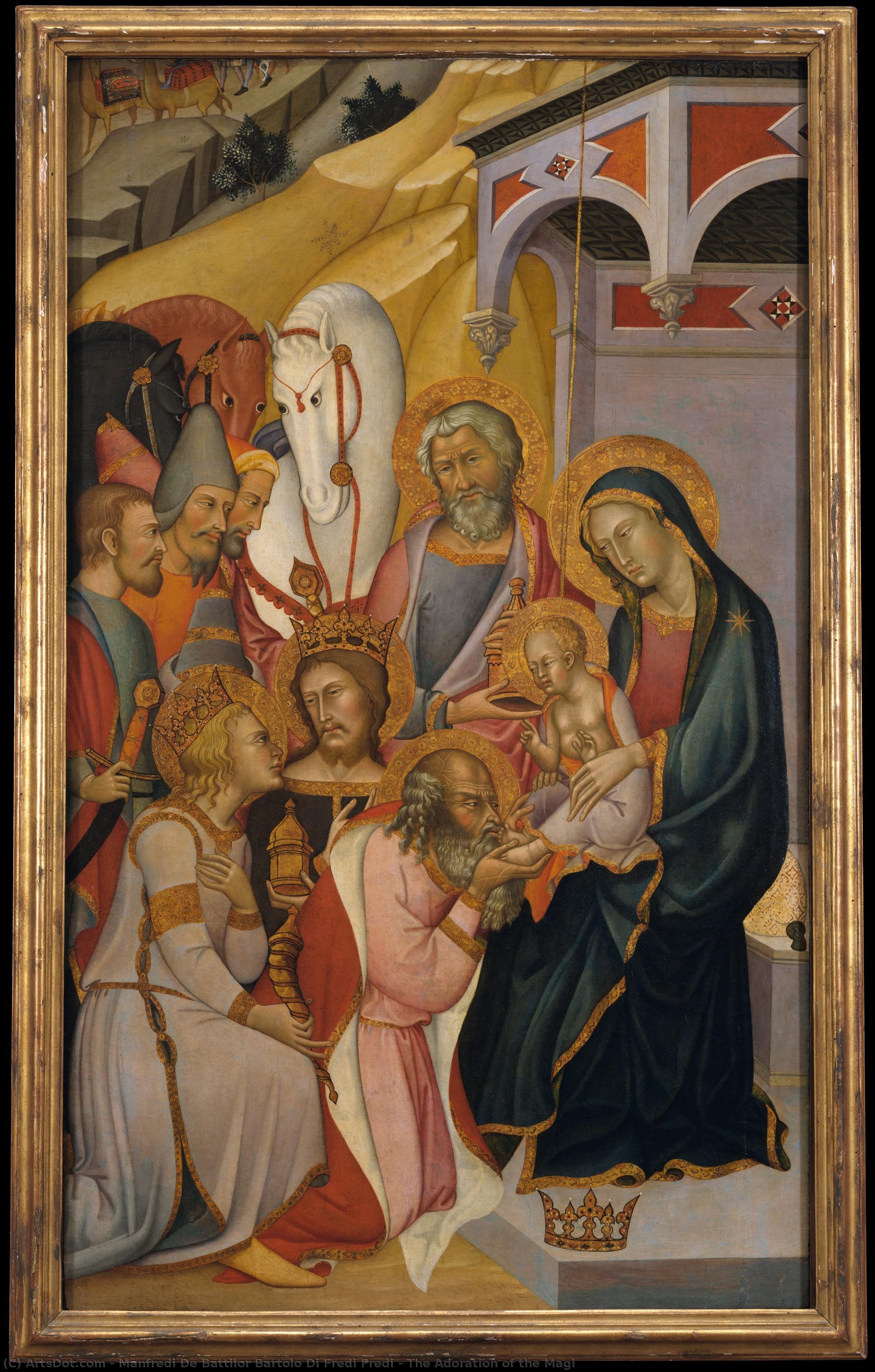
The Divine Encounter: Adoration in Sienese Splendor
To gaze upon this depiction of the Adoration of the Magi is to step directly into the devotional heart of Quattrocento Siena. The scene unfolds with an almost palpable sense of sacred drama, capturing that pivotal moment when earthly homage meets divine mystery. At its core lies the tender tableau of Mary cradling the Christ Child, surrounded by the solemn grandeur of the three wise kings. These figures are not merely participants in a narrative; they embody humanity’s journey toward recognition of the divine. The composition draws the eye immediately to the infant Jesus, the focal point around which all adoration converges. Notice the careful arrangement of the surrounding figures—the kneeling man, perhaps Joseph, whose posture speaks volumes of protective reverence, and others who observe with hushed awe.
Mastery in Fresco Tradition: Technique and Craft
Painted around 1390 by Manfredi de Battilor Bartolo di Fredi, this work is a testament to the enduring power of the Sienese school. While originally conceived for monumental fresco cycles, its intimate scale here allows us to appreciate the meticulous detail that characterized Bartolo’s hand. The technique employed speaks to an academic rigor combined with deep spiritual feeling. Observe the handling of the drapery; the folds are rendered not just as fabric, but as carriers of weight and emotion, falling in rich, complex patterns. The background architecture, suggested by the building with its distinctive red roofline, anchors the heavenly event within a recognizable, earthly setting, grounding the miracle for the viewer.
Symbolism Woven into Sacred Narrative
The symbolism inherent in this Adoration is profound and multi-layered. The Magi themselves represent the Gentile world acknowledging Christ’s kingship—a universal recognition of salvation. Their gifts are not mere tokens; they symbolize the three great virtues: gold for royalty, frankincense for divinity, and myrrh for mortality. Every gesture, from the outstretched hands offering tribute to the gentle gaze exchanged between mother and child, is steeped in theological meaning. The entire composition functions as a visual sermon, inviting contemplation on themes of humility before greatness and the enduring nature of faith.
An Echo of Renaissance Devotion for Your Space
For the collector or designer seeking an object imbued with historical weight and spiritual resonance, this piece offers unparalleled depth. Reproducing such a work allows one to bring the luminous piety of late medieval Italian art into a modern sanctuary or drawing-room. The rich palette, characteristic of Sienese masters who favored deep jewel tones against softer skin passages, ensures that it commands attention without overwhelming a space. It is more than decoration; it is an heirloom piece of devotional artistry, inviting quiet reflection and conversation about the enduring power of sacred narrative.
関連作品
アーティストの略歴
Manfredi de Battilor Bartolo di Fredi: A Sienese Master of Biblical Narrative
Manfredi de Battilor Bartolo di Fredi (c. 1330 – 26 January 1410), often referred to as Bartolo Battiloro, stands as a pivotal figure within the vibrant artistic landscape of Siena during the Renaissance period. Born in Siena itself—a city renowned for its architectural grandeur and fervent devotion—Bartolo’s legacy resides primarily in his monumental frescoes adorning churches throughout Tuscany, notably the Cathedral of San Gimignano and St. Mary's Basilica in Siena. These paintings are not merely decorative embellishments; they represent a profound engagement with theological themes and masterful execution of artistic principles that cemented Bartolo’s place as one of the foremost Sienese fresco painters of his time.Early Life and Artistic Training
Information regarding Bartolo's formative years remains somewhat elusive, reflecting the typical paucity of biographical detail prevalent in medieval art history. However, scholarly consensus suggests he honed his skills within the influential workshop of Giovanni Pisano—a sculptor and painter who championed a stylistic approach rooted in Gothic traditions yet increasingly receptive to humanist ideals. This exposure undoubtedly instilled in Bartolo a deep understanding of sculptural form and compositional balance, elements that would subsequently permeate his fresco cycles. The influence of Pisano’s emphasis on expressive realism is palpable in Bartolo's depictions of biblical figures—particularly the poignant portrayal of Job—where anatomical accuracy combined with emotive gestures conveys profound spiritual contemplation.Notable Frescoes: Expressions of Faith and Artistic Innovation
Bartolo’s artistic output achieved its zenith during his tenure as cathedral painter in San Gimignano, where he undertook a ambitious project to decorate the nave with scenes from the Old Testament. The “Killing of the Servants of Job” fresco stands as a testament to Bartolo's technical prowess and artistic vision. Utilizing tempera on plaster—a technique favored by Sienese artists—Bartolo achieved remarkable luminosity and textural detail, capturing the agony and despair of Job’s companions with breathtaking sensitivity. His masterful use of chiaroscuro—the dramatic interplay between light and shadow—amplified the emotional impact of the composition, mirroring the stylistic trends emerging from Florence under Brunelleschi and Masaccio. Similarly, his depiction of The Adoration of the Shepherds in Siena's St Mary’s Basilica showcases a harmonious blend of Gothic and Renaissance elements, demonstrating Bartolo’s ability to synthesize disparate influences into a cohesive artistic statement.Stylistic Characteristics and Artistic Legacy
Bartolo’s frescoes are characterized by their meticulous attention to detail, anatomical accuracy, and expressive realism—traits that align seamlessly with the broader stylistic developments of the Quattrocento. However, Bartolo distinguishes himself from his contemporaries through a subtle infusion of Gothic sensibilities—particularly in drapery folds and architectural ornamentation—reflecting Siena's enduring connection to its medieval past. His work embodies the humanist spirit of the era, prioritizing psychological depth and conveying profound spiritual truths through carefully crafted imagery. Bartolo’s frescoes continue to inspire admiration for their artistic beauty and intellectual rigor, serving as invaluable sources of insight into Sienese art history and the broader cultural currents shaping Renaissance Italy. He remains a cornerstone of Siena's artistic heritage—a painter who elevated biblical narratives to levels of unparalleled emotional resonance and technical accomplishment.Historical Significance
Bartolo’s contribution to Sienese art is undeniable, establishing him as one of the most important artists of his generation. His frescoes not only beautified religious spaces but also served as vehicles for disseminating theological ideas and fostering a sense of civic pride within Siena. Furthermore, Bartolo's stylistic innovations—particularly his masterful use of tempera on plaster and his incorporation of Gothic elements—influenced subsequent generations of Sienese painters, shaping the artistic landscape of Tuscany for decades to come. His legacy endures as an exemplar of artistic excellence and spiritual devotion—a testament to the enduring power of art to illuminate human experience and convey timeless truths.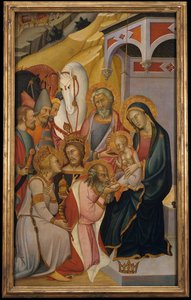
manfredi de battilor bartolo di fredi fredi
1330 - 1410 , Italy
基本情報
- Artistic Movement Or Style: Sienese School
- Date Of Birth: c. 1330
- Date Of Death: 1410
- Full Name: Manfredi de Battilor Bartolo di Fredi
- Nationality: Italian
- Notable Artworks:
- The Adoration of the Shepherds
- Killing of the servants of Job
- Place Of Birth: Siena, Italy
関連記事

ジョット・ディ・ボンドーネ:至高の25選 - ルネサンスの夜明けを彩る傑作たち | ArtsDot
ジョット・ディ・ボンドーネの至高の25選。ルネサンス美術を牽引した巨匠の傑作と、その感動的な物語を紐解きます。高品質な絵画複製やインテリアアートで、名画の世界をあなたの空間に。ArtsDot.com でコレクションをご覧ください。
High Medieval Art: 10 Masterpieces That Shaped an Era | ArtsDot
Journey through High Medieval Art! Explore 10 iconic masterpieces – from Giotto's frescoes to stunning Gothic cathedrals. Discover the stories behind these timeless paintings, sculptures & illuminated manuscripts. Find museum-quality art reproductions at ArtsDot.com.
Late Medieval Masterpieces: 10 Artworks That Defined an Era | ArtsDot
Journey through 10 defining Late Medieval masterpieces – from Giotto's frescoes to Jan van Eyck’s realism. Explore the stories, techniques & vibrant colors of Gothic art. Find museum-quality reproductions and elevate your home decor with ArtsDot.com! Discover all masterpieces on ArtsDot.com
Proto-Renaissance Masters: 10 Artworks That Changed History | ArtsDot
Journey back to the dawn of Renaissance art! Explore 10 iconic Proto-Renaissance masterpieces by Giotto, Cimabue & Duccio. Discover their stories, techniques & lasting impact. Find museum-quality reproductions for your home at ArtsDot.com
ヴェネツィア・ビエンナーレ厳選25作品:芸術と歴史が織りなす至高のコレクション | ArtsDot
ヴェネツィア・ビエンナーレの至宝25選。印象派から現代アートまで、名画の背景にある物語と芸術家の情熱を紐解きます。ArtsDotで、キャンバスアートや油絵複製をお楽しみください。今すぐコレクションをご覧ください。

