

 プレビュー
プレビュー
 シェアする
シェアする シェアする
シェアする
 詳細を見る
詳細を見る

 ダウンロード
 似ている作品
 X線調査
X線調査 スライドショー
 Stats
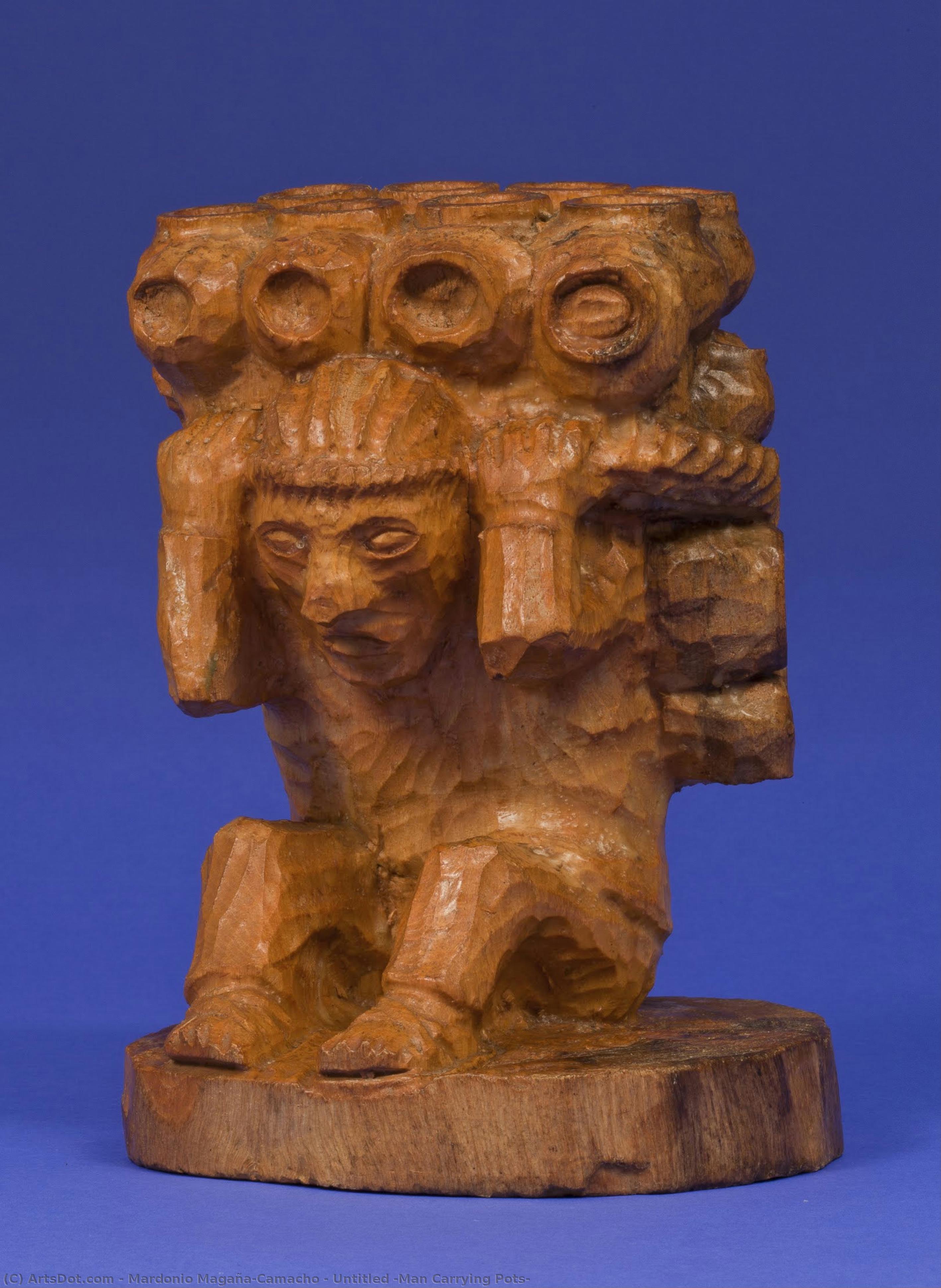
StatsUntitled (Man Carrying Pots)


 詳細を見る
詳細を見る
手描き油彩複製画
当社のアーティストが、お客様のご希望のサイズと額縁に合わせて、キャンバスに手描きで制作する油彩画です。 ( Switch to Print Switch to Digital Image)




































作品のオリジナル比率に合わせた、当店の規定サイズからお選びください。

特定のフレームやスペースに合わせて、ご希望のサイズをご入力いただけます。選択されたサイズが元の画像の比率と異なる場合、アートワークをトリミングするか、手描きで要素を追加して絵画を拡張いたします。デジタルモックアップ を制作し、制作開始前にご確認(承認)をいただきます。
画面上のプレビューは、実際のトリミングや拡張を正確に反映しているものではありません。最終的な構図は、モックアップによってのみ正確にご確認いただけます。
カスタムサイズもご利用いただけますが、元の比率を維持するためには、あらかじめ用意されたリストからサイズを選択することをお勧めいたします。
ご注文後、ArtsDot.com チームより詳細な指示をお送りするとともに、仕上がりイメージ(モックアップ)をご提供いたします。


 ガラスオプションは、110cm未満のサイズでのみご利用いただけます。

Untitled (Man Carrying Pots)
複製技法
複製画のサイズ
-


合計金額
$ 263
関連作品






アーティストの略歴
A Life Carved in Stone: The Story of Mardonio Magaña
Mardonio Magaña-Camacho, affectionately known as “Magañita,” emerged from the rural landscapes of La Estancia Nueva, Guanajuato, Mexico, around 1865. His life was a testament to the power of raw talent blossoming outside the confines of formal training. For decades, he labored as a foreman on local properties, his hands intimately acquainted with the earth and its bounty. Little did anyone suspect that these same hands possessed an extraordinary gift for sculpting, a passion quietly nurtured amidst the demands of daily life. He began carving wood and calabash gourds as a child, often reprimanded for prioritizing artistry over duty—a foreshadowing of the profound impact his work would eventually have on the art world. It wasn’t until he reached the age of 55, following the upheaval of the Mexican Revolution and the sale of the Hacienda where he worked, that Magaña ventured to Mexico City in search of a new livelihood. This move proved pivotal, setting the stage for an unexpected encounter that would forever alter his destiny.Discovery and Artistic Awakening
In 1921, Magaña found employment as a janitor at the Escuela de Pintura al Aire Libre de Coyoacán—a vibrant hub of artistic innovation. It was here, amidst the creative energy of burgeoning Mexican muralists and painters, that his talent caught the discerning eye of Diego Rivera. The story goes that Rivera was immediately struck by Magaña’s innate ability to imbue stone with life, recognizing a unique power in his direct carvings—a style unburdened by academic convention. Rivera famously declared him “the greatest contemporary Mexican sculptor,” a bold statement that launched Magaña into the national spotlight. This wasn't merely patronage; Rivera saw in Magaña a profound connection to indigenous traditions and an authentic expression of Mexican identity, qualities he deeply valued. He became a close friend to both Rivera and Frida Kahlo, finding support and encouragement within their artistic circle.The Essence of Folk Art: Technique and Themes
Magaña’s art is rooted in the everyday lives of indigenous Mexicans. He worked primarily with stone, wood, and mud, eschewing traditional sculpting tools for a direct approach—chiseling, carving, and molding with an intuitive understanding of his materials. His sculptures depict scenes of rural life: farmers tending their fields, families sharing meals, animals grazing peacefully, and figures engaged in traditional crafts. There’s a remarkable simplicity to his forms, yet they are imbued with a powerful sense of movement and emotion. He didn't strive for idealized representations; instead, he captured the essence of human experience—the dignity of labor, the warmth of community, and the enduring connection to the land. His work is characterized by a deliberate lack of polish, embracing the rough textures and natural imperfections of his chosen mediums. This rawness isn’t a deficiency but rather an integral part of its charm, reflecting the unrefined beauty of folk art traditions.Recognition and Lasting Legacy
Throughout the 1930s, Magaña held various teaching positions in Mexico City, sharing his knowledge and passion with aspiring artists. His work gained international recognition, finding its way into prestigious collections such as the Philadelphia Museum of Art, the Museum of Modern Art (MoMA), and the Nelson A. Rockefeller Collection. He became a symbol of self-taught artistry and the power of folk traditions to inspire contemporary art. Perhaps one of his most enduring legacies is his inclusion in Diego Rivera’s monumental mural, *Pan American Unity* (1940), now housed at City College of San Francisco. His portrait within this iconic work serves as a testament to Rivera's unwavering belief in Magaña’s genius and the importance of representing Mexican culture on a global stage. Magaña passed away in Mexico City in 1947, leaving behind a body of work that continues to resonate with audiences today. His sculptures are not merely objects; they are windows into a way of life—a celebration of resilience, community, and the enduring power of human creativity.Historical Significance
Magaña’s importance lies in his unique position within Mexican art history. He stands as one of the few sculptors from the period 1920-1940 whose work achieved international acclaim. He embodies a crucial link between pre-Columbian artistic traditions and the burgeoning nationalist movements of post-revolutionary Mexico. His sculptures, born from humble beginnings and devoid of formal training, challenged conventional notions of artistry and paved the way for greater appreciation of folk art as a legitimate form of expression.- He represented an authentic voice during a period of intense cultural redefinition.
- His work helped to elevate the status of indigenous artisans and their contributions to Mexican society.
- Magaña’s story continues to inspire artists today, demonstrating that creativity can flourish regardless of background or education.
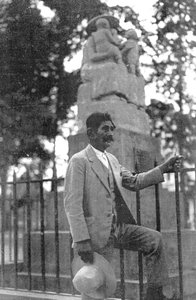
mardonio magaña-camacho
1947 , Mexico
基本情報
- Artistic Movement Or Style: World Goes Pop
- Artists Or Movements Influenced By This Artist: ['Pop Art']
- Artists Who Influenced This Artist:
- Andy Warhol
- Roy Lichtenstein
- Date Of Death: 1947
- Notable Artworks:
- Untitled (Pop)
- Untitled (Pop)