

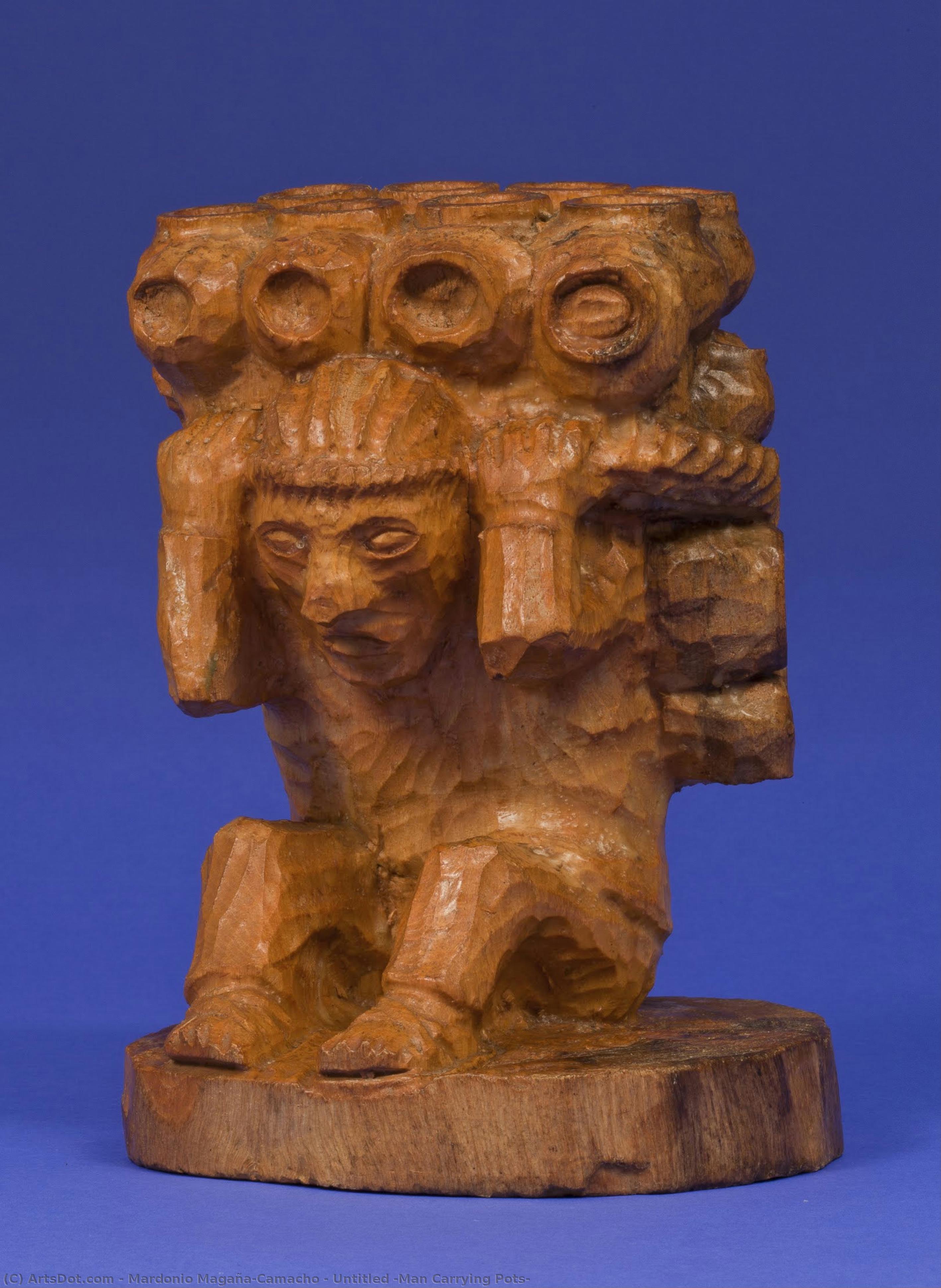
 プレビュー
プレビュー
 シェアする
シェアする シェアする
シェアする
 詳細を見る
詳細を見る

 ダウンロード
 似ている作品
 X線調査
X線調査 スライドショー
 Stats
StatsUntitled (Man Carrying Pots)


 詳細を見る
詳細を見る
オンラインプレビューをはるかに凌ぐ、高解像度で鮮明なデジタル画像をご購入いただけます。
各ファイルは、社内の専門家が高度なツールと熟練した手作業によるレタッチを用いて、細心の注意を払って準備されています。すべての画像において、卓越した鮮明度、正確な色彩再現性、そして繊細なディテールを保証いたします。
最終ファイルは、プロフェッショナルな編集・印刷環境ですぐにご利用いただけるよう最適化された状態で、72時間以内にメールにてお届けいたします。これは、一流のデザインスタジオ、出版社、ギャラリーから信頼されているものと同等の品質です。
デジタルアート
個人での鑑賞、印刷、クリエイティブなプロジェクト用に、高解像度ファイルをダウンロードできます。 ( Switch to Print 手描きの絵画を購入)
デジタル画像のご注文に付随する特典
高品質なデジタル画像配信を、確かな品質で。
ArtsDot.com を選ぶことは、単に画像を手に入れることではありません。それは、プロの手によって精密に仕上げられ、満足保証が付いた高品質なデジタルアートワークを受け取ることを意味します。ご注文いただいた際に自動的に付随する内容は、以下の通りです:

メールですぐにお届け
ご注文から72時間以内に、高解像度のデジタル画像ファイルがメールでお手元に届きます。すぐにそのままご利用いただけます。

AI技術で最適化されたデジタルファイル
お客様の作品は、高度なAIツールと専門家による手作業の編集を組み合わせてプロフェッショナルに最適化されており、細部のディテール、鮮明さ、そして正確な色再現性を最大限に引き出しています。

一生涯無料の再送サービス
ファイルを誤って削除したり、紛失してしまったりしましたか?ご安心ください。いつでも無料で再送いたします。

輸入手数料は一切かかりません
関税や手数料、配送料を気にすることなく、お気に入りのアートワークをすぐにお楽しみいただけます。デジタルダウンロードは常に免税です。

色彩再現の保証
プロ仕様のツールとカラーマネジメント技術を用いることで、デジタル画像が元の色を最大限に忠実に再現することを保証いたします。

100日間満足保証
ご購入いただいたデジタル画像にご満足いただけない場合は、100日以内であれば、理由を問わず修正または100%の返金対応をさせていただきます。

100% 返金保証
ご満足いただけない場合は、デジタルファイルを受け取ってから100日以内であれば、理由を問わず全額返金いたします。

まとめ買い割引
3枚購入で10%OFF - 5枚購入で15%OFF - 10枚以上購入で20%OFF。クリエイティブなプロジェクト、ギャラリー、エージェンシーに最適です。
関連作品





作家の略歴
A Life Carved in Stone: The Story of Mardonio Magaña
Mardonio Magaña-Camacho, affectionately known as “Magañita,” emerged from the rural landscapes of La Estancia Nueva, Guanajuato, Mexico, around 1865. His life was a testament to the power of raw talent blossoming outside the confines of formal training. For decades, he labored as a foreman on local properties, his hands intimately acquainted with the earth and its bounty. Little did anyone suspect that these same hands possessed an extraordinary gift for sculpting, a passion quietly nurtured amidst the demands of daily life. He began carving wood and calabash gourds as a child, often reprimanded for prioritizing artistry over duty—a foreshadowing of the profound impact his work would eventually have on the art world. It wasn’t until he reached the age of 55, following the upheaval of the Mexican Revolution and the sale of the Hacienda where he worked, that Magaña ventured to Mexico City in search of a new livelihood. This move proved pivotal, setting the stage for an unexpected encounter that would forever alter his destiny.Discovery and Artistic Awakening
In 1921, Magaña found employment as a janitor at the Escuela de Pintura al Aire Libre de Coyoacán—a vibrant hub of artistic innovation. It was here, amidst the creative energy of burgeoning Mexican muralists and painters, that his talent caught the discerning eye of Diego Rivera. The story goes that Rivera was immediately struck by Magaña’s innate ability to imbue stone with life, recognizing a unique power in his direct carvings—a style unburdened by academic convention. Rivera famously declared him “the greatest contemporary Mexican sculptor,” a bold statement that launched Magaña into the national spotlight. This wasn't merely patronage; Rivera saw in Magaña a profound connection to indigenous traditions and an authentic expression of Mexican identity, qualities he deeply valued. He became a close friend to both Rivera and Frida Kahlo, finding support and encouragement within their artistic circle.The Essence of Folk Art: Technique and Themes
Magaña’s art is rooted in the everyday lives of indigenous Mexicans. He worked primarily with stone, wood, and mud, eschewing traditional sculpting tools for a direct approach—chiseling, carving, and molding with an intuitive understanding of his materials. His sculptures depict scenes of rural life: farmers tending their fields, families sharing meals, animals grazing peacefully, and figures engaged in traditional crafts. There’s a remarkable simplicity to his forms, yet they are imbued with a powerful sense of movement and emotion. He didn't strive for idealized representations; instead, he captured the essence of human experience—the dignity of labor, the warmth of community, and the enduring connection to the land. His work is characterized by a deliberate lack of polish, embracing the rough textures and natural imperfections of his chosen mediums. This rawness isn’t a deficiency but rather an integral part of its charm, reflecting the unrefined beauty of folk art traditions.Recognition and Lasting Legacy
Throughout the 1930s, Magaña held various teaching positions in Mexico City, sharing his knowledge and passion with aspiring artists. His work gained international recognition, finding its way into prestigious collections such as the Philadelphia Museum of Art, the Museum of Modern Art (MoMA), and the Nelson A. Rockefeller Collection. He became a symbol of self-taught artistry and the power of folk traditions to inspire contemporary art. Perhaps one of his most enduring legacies is his inclusion in Diego Rivera’s monumental mural, *Pan American Unity* (1940), now housed at City College of San Francisco. His portrait within this iconic work serves as a testament to Rivera's unwavering belief in Magaña’s genius and the importance of representing Mexican culture on a global stage. Magaña passed away in Mexico City in 1947, leaving behind a body of work that continues to resonate with audiences today. His sculptures are not merely objects; they are windows into a way of life—a celebration of resilience, community, and the enduring power of human creativity.Historical Significance
Magaña’s importance lies in his unique position within Mexican art history. He stands as one of the few sculptors from the period 1920-1940 whose work achieved international acclaim. He embodies a crucial link between pre-Columbian artistic traditions and the burgeoning nationalist movements of post-revolutionary Mexico. His sculptures, born from humble beginnings and devoid of formal training, challenged conventional notions of artistry and paved the way for greater appreciation of folk art as a legitimate form of expression.- He represented an authentic voice during a period of intense cultural redefinition.
- His work helped to elevate the status of indigenous artisans and their contributions to Mexican society.
- Magaña’s story continues to inspire artists today, demonstrating that creativity can flourish regardless of background or education.
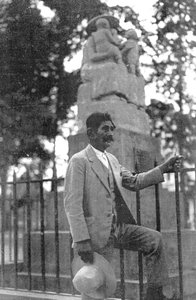
mardonio magaña-camacho
1947 , Mexico
プロフィール概要
- Artistic Movement Or Style: World Goes Pop
- Artists Or Movements Influenced By This Artist: ['Pop Art']
- Artists Who Influenced This Artist:
- Andy Warhol
- Roy Lichtenstein
- Date Of Death: 1947
- Notable Artworks:
- Untitled (Pop)
- Untitled (Pop)