

 プレビュー
プレビュー
 プリントを購入
 シェアする
シェアする シェアする
シェアする
 詳細を見る
詳細を見る

 ダウンロード
 似ている作品
 X線調査
X線調査 スライドショー
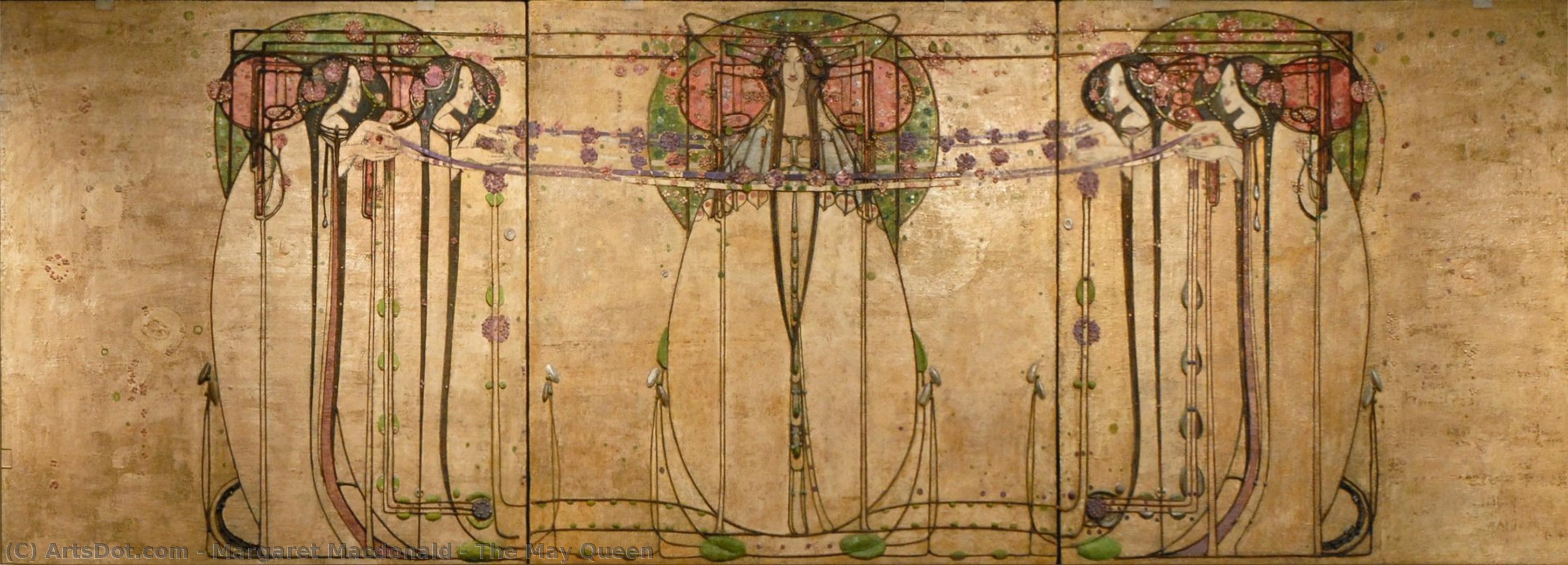
The May Queen
 Ink On Paper
- Glasgow Style
 1900
1900- 19th Century
 159.0 x 457.0 cm
 ケルビングローブ美術館
 詳細を見る
詳細を見る




P118B $10

P118H $10

P118W $10

P438Z $10

P508JH $12

P508YH $12

P805H $10

P805Z $10

P919BZ $10

P919G $10

P919XJ $10

P959ZH $10

P968JZ $12

W106C $8

W218G $10

W218JH $8

W218Y $10

W307PJ $10

W316G $10

W316PJ $8

W316Y $10

W398PJ $8

W4111J $10

W500HY $15

W500JH $15

W692G $12

W849H $8

W940BG $15

W953PJ $8




作品のオリジナル比率に合わせた、当店の規定サイズからお選びください。

特定のフレームやスペースに合わせて、ご希望のサイズをご入力いただけます。選択されたサイズが元の画像の比率と異なる場合、アートワークをトリミングするか、手描きで要素を追加して絵画を拡張いたします。デジタルモックアップ を制作し、制作開始前にご確認(承認)をいただきます。
画面上のプレビューは、実際のトリミングや拡張を正確に反映しているものではありません。最終的な構図は、モックアップによってのみ正確にご確認いただけます。
カスタムサイズもご利用いただけますが、元の比率を維持するためには、あらかじめ用意されたリストからサイズを選択することをお勧めいたします。
ご注文後、ArtsDot.com チームより詳細な指示をお送りするとともに、仕上がりイメージ(モックアップ)をご提供いたします。


 ガラスオプションは、110cm未満のサイズでのみご利用いただけます。

The May Queen
複製技法
複製画のサイズ
-


合計金額
$ 263
An Ethereal Vision of Springtime Renewal
In the delicate, flowing lines of The May Queen, we encounter a masterpiece that transcends mere decoration to become a window into a mystical, bygone era. Created in 1900 by the visionary Margaret Macdonald Mackintosh, this extraordinary work presents a stylized, frieze-like composition that unfolds across three vertical panels, much like an ancient tapestry brought to life. The artwork captures the very essence of the Glasgow Style, blending the organic grace of Art Nouveau with the soulful, rhythmic patterns of the Celtic Revival. As one gazes upon the elongated, slender figures, there is an immediate sense of being transported to a dreamscape where nature and spirit are inextricably entwined.
The subject matter serves as a poetic tribute to fertility and the cyclical rebirth of the natural world. The central figure, a regal May Queen, stands as a symbol of spring’s arrival, her form possessing an elegant, almost skeletal grace that avoids the heavy realism of the Victorian era in favor of something far more symbolic. Through the use of flowing, curvilative lines and a horizontal band of stylized floral motifs, Mackintosh connects these three panels into a unified narrative of growth and continuity. The figures appear to float within a flattened, two-dimensional space, creating a rhythmic visual dance that draws the eye across the entire breadth of the composition.
A Symphony of Muted Earth Tones and Delicate Detail
Technically, The May Queen is a triumph of restrained elegance. The color palette is masterfully curated, relying on a foundation of warm, earthy tones—beige, ochre, and deep browns—which provide a grounded, organic atmosphere. This muted backdrop allows the subtle accents of soft pink, crimson, and sage green to emerge like wildflowers through the soil, highlighting the intricate details of the floral elements and the delicate outlines of the figures. The technique suggests the meticulous hand of a designer, likely utilizing pen and ink with soft watercolor washes to achieve a diffused, ethereal light that eliminates harsh shadows and emphasizes pattern over depth.
For the discerning collector or interior designer, this piece offers unparalleled versatility and emotional resonance. Its structural symmetry and rhythmic repetition make it an ideal focal point for spaces that demand a sense of calm, sophistication, and historical depth. Whether placed in a contemporary minimalist setting to provide a touch of organic warmth or integrated into a classic, richly textured room, The May Queen acts as a conversation piece that invites contemplation. Owning a high-quality reproduction of this work is not merely about acquiring art; it is about bringing a fragment of the Glasgow Style’s legendary mysticism and the timeless promise of renewal into the modern home.
関連作品

アーティストの略歴
A Visionary of the Glasgow Style
Margaret Macdonald Mackintosh, born in Port Glasgow, Scotland, on November 5th, 1864, stands as a pivotal figure in the development of the Glasgow Style and its contribution to the broader Art Nouveau movement. Though often recognized through the lens of her marriage to Charles Rennie Mackintosh, her artistic voice was distinct, powerful, and integral to shaping the aesthetic landscape of turn-of-the-century Britain. Her early life saw a family relocation from Staffordshire, England, following her father’s engineering career, eventually settling in Glasgow – a city that would become both her creative home and the crucible for a new artistic identity. She, alongside her sister Frances, received art education at the Glasgow School of Art, an institution fostering experimentation and challenging conventional Victorian norms. This environment proved fertile ground for their burgeoning talent, allowing them to forge a unique visual language steeped in symbolism and organic forms.The Flourishing of ‘The Four’
Margaret's artistic journey truly gained momentum through her collaboration with Frances Macdonald, Charles Rennie Mackintosh, and Herbert MacNair – collectively known as “The Four.” This collective represented a radical departure from established artistic traditions. Their work, characterized by elongated figures, flowing lines, and intricate patterns inspired by Celtic art, Japanese woodcuts, and the natural world, quickly garnered attention—and sometimes controversy. They embraced a deliberately stylized aesthetic, often described as ‘spook school’ due to its hauntingly beautiful and somewhat unsettling quality. This group's influence extended beyond painting; they designed interiors, furniture, textiles, and graphics, blurring the boundaries between fine art and applied design. Margaret’s contributions were particularly notable in gesso panels, metalwork, and watercolor paintings, showcasing a remarkable ability to translate complex ideas into visually arresting forms. Her skill lay not merely in decoration but in imbuing her designs with a sense of mystery and emotional resonance. The collaborative spirit fostered within “The Four” allowed for cross-pollination of ideas and techniques, resulting in a cohesive yet diverse body of work that defined the Glasgow Style.Symbolism and Artistic Innovation
Margaret Macdonald Mackintosh’s artistic vision was deeply rooted in symbolism. Her paintings, such as The Mysterious Garden, housed at the Scottish National Gallery, are not simply depictions of landscapes but rather explorations of inner states and psychological realms. These works often feature ethereal figures amidst lush vegetation, evoking a sense of enchantment and melancholy. The use of muted colors, sinuous lines, and symbolic motifs—like birds, flowers, and celestial bodies—creates an atmosphere of dreamlike ambiguity. The Tangled Garden, a larger oil-on-board piece at the National Gallery of Canada, exemplifies this approach, presenting a dense, interwoven composition that suggests both beauty and constraint. Her designs for interiors, often executed in collaboration with Charles Rennie Mackintosh, extended this symbolic language into three dimensions. The tearooms they designed—most notably the Willow Tearooms—were not merely places to dine but immersive artistic experiences, where every detail, from the furniture to the lighting, contributed to a unified aesthetic vision. She was also adept at metalwork and embroidery, creating intricate designs that showcased her mastery of different media.Legacy and Lasting Influence
Despite facing periods of relative obscurity following Charles Rennie Mackintosh’s declining health and their subsequent move to France in search of a warmer climate, Margaret Macdonald Mackintosh's legacy has experienced a significant resurgence in recent decades. Her work is now recognized as essential to understanding the development of modern design and its connection to broader cultural movements. Her influence can be seen in the work of later artists and designers who embraced organic forms, symbolism, and the integration of art into everyday life. The rediscovery of her contributions has also prompted a re-evaluation of the historical narrative surrounding the Glasgow Style, acknowledging Margaret’s independent artistic merit rather than solely defining her role through her relationship with her husband. Her innovative use of materials, her evocative imagery, and her commitment to creating holistic design experiences continue to inspire artists and designers today. She passed away on January 7th, 1933, in London, leaving behind a body of work that continues to captivate and challenge viewers, solidifying her place as a true visionary of the Art Nouveau era.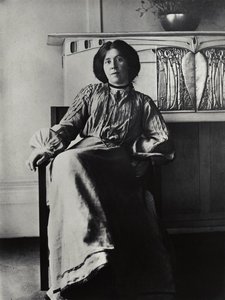
Margaret Macdonald Mackintosh
1864 - 1933 , United Kingdom
基本情報
- Artistic Movement Or Style: Glasgow Style, Art Nouveau
- Artists Or Movements Influenced By This Artist:
- Gustav Klimt
- Josef Hoffmann
- Date Of Birth: November 5, 1864
- Date Of Death: January 7, 1933
- Full Name: Margaret Macdonald Mackintosh
- Nationality: Scottish
- Notable Artworks:
- The Mysterious Garden
- The Tangled Garden
- Silver Apples of Moon
- Place Of Birth: Port Glasgow, UK
関連記事

Ethereal Masterpieces: 10 Artworks That Transcend Reality | ArtsDot
Immerse yourself in 10 ethereal masterpieces by Klimt, Turner & more. Explore dreamy landscapes, spiritual symbolism & romantic art that transcends reality. Find museum-quality reproductions and curated decor ideas on ArtsDot.com.
モディリアーニ傑作25選:魂を揺さぶる肖像画とヌードの世界 | ArtsDot
モディリアーニの傑作25選。魂を揺さぶる肖像画、ヌード、パリ派絵画の世界へ。ArtsDotで高品質な美術品複製やインテリアアートをお楽しみください。アメデオ・モディリアーニの芸術をご堪能あれ。今すぐコレクションをご覧ください。
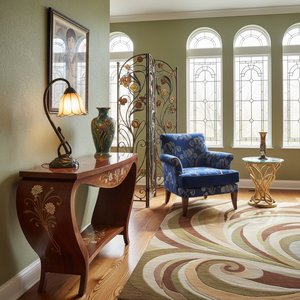
アール・ヌーヴォーを彩る至宝:10の傑作が語る芸術と装飾の世界
アール・ヌーヴォーの魅力を再発見!ムンロ、ドレ、ガウディ…10の傑作が織りなす曲線美の世界。芸術と装飾が融合した至高のアートをArtsDotで堪能し、お部屋に新たな彩りを。コレクションをオンラインで探索しましょう。
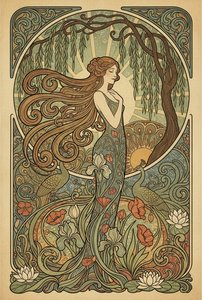
The Flowing Line & Flourishing Form: Exploring Art Nouveau's Aesthetic Legacy
Explore the captivating world of Art Nouveau! Discover its origins, key artists like Horta & Mucha, regional styles, innovative techniques, and lasting influence on architecture & design. A comprehensive guide for art enthusiasts.
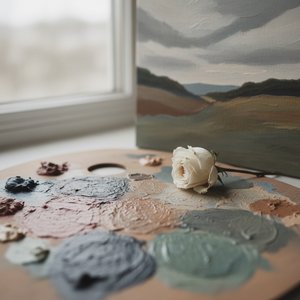
The Subdued Resonance: Exploring Emotional Depth & Artistic Nuance within Muted Color Palettes
Explore the captivating world of muted colors in art & design! Discover historical context, psychological effects, techniques, and inspiration for creating serene spaces. Elevate your aesthetic with ArtsDot.