

 プレビュー
プレビュー
 プリントを購入
 シェアする
シェアする シェアする
シェアする
 詳細を見る
詳細を見る

 ダウンロード
 似ている作品
 X線調査
X線調査 スライドショー
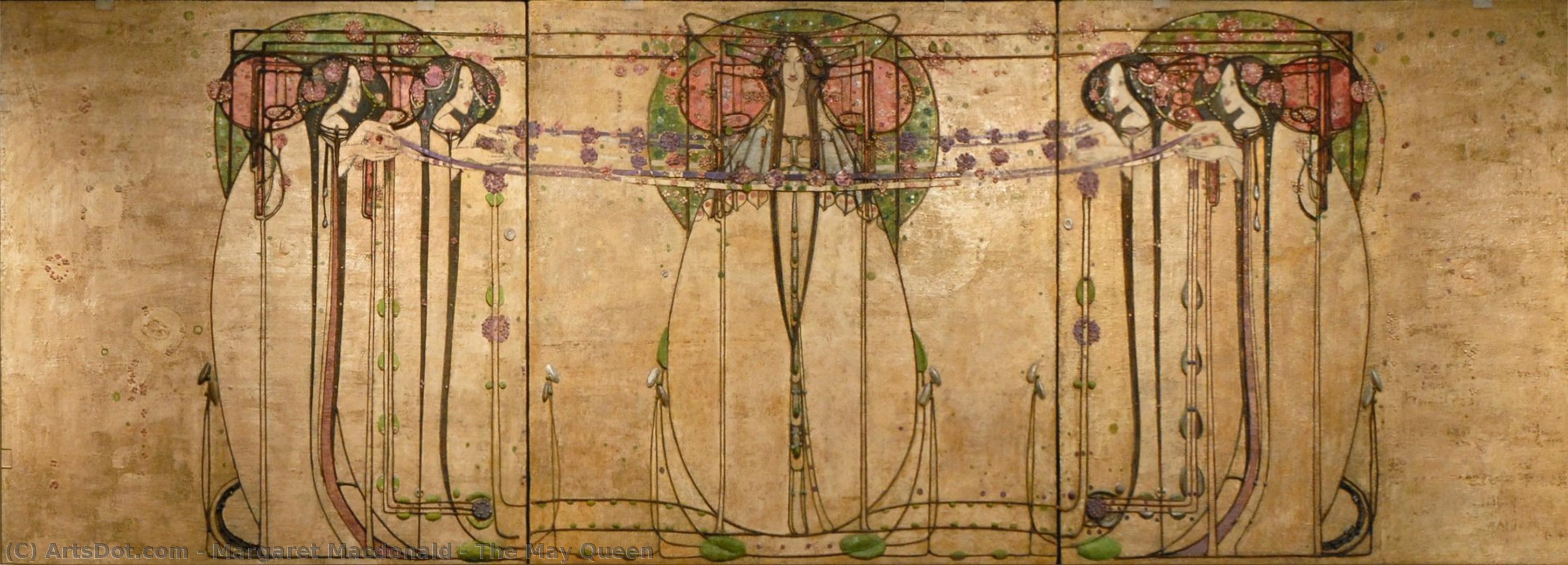
The May Queen
 Ink On Paper
- Glasgow Style
 1900
1900- 19th Century
 159.0 x 457.0 cm
 ケルビングローブ美術館
 詳細を見る
詳細を見る
オンラインプレビューをはるかに凌ぐ、高解像度で鮮明なデジタル画像をご購入いただけます。
各ファイルは、社内の専門家が高度なツールと熟練した手作業によるレタッチを用いて、細心の注意を払って準備されています。すべての画像において、卓越した鮮明度、正確な色彩再現性、そして繊細なディテールを保証いたします。
最終ファイルは、プロフェッショナルな編集・印刷環境ですぐにご利用いただけるよう最適化された状態で、72時間以内にメールにてお届けいたします。これは、一流のデザインスタジオ、出版社、ギャラリーから信頼されているものと同等の品質です。
デジタル画像のご注文に付随する特典
高品質なデジタル画像配信を、確かな品質で。
ArtsDot.com を選ぶことは、単に画像を手に入れることではありません。それは、プロの手によって精密に仕上げられ、満足保証が付いた高品質なデジタルアートワークを受け取ることを意味します。ご注文いただいた際に自動的に付随する内容は、以下の通りです:

メールですぐにお届け
ご注文から72時間以内に、高解像度のデジタル画像ファイルがメールでお手元に届きます。すぐにそのままご利用いただけます。

AI技術で最適化されたデジタルファイル
お客様の作品は、高度なAIツールと専門家による手作業の編集を組み合わせてプロフェッショナルに最適化されており、細部のディテール、鮮明さ、そして正確な色再現性を最大限に引き出しています。

一生涯無料の再送サービス
ファイルを誤って削除したり、紛失してしまったりしましたか?ご安心ください。いつでも無料で再送いたします。

輸入手数料は一切かかりません
関税や手数料、配送料を気にすることなく、お気に入りのアートワークをすぐにお楽しみいただけます。デジタルダウンロードは常に免税です。

色彩再現の保証
プロ仕様のツールとカラーマネジメント技術を用いることで、デジタル画像が元の色を最大限に忠実に再現することを保証いたします。

100日間満足保証
ご購入いただいたデジタル画像にご満足いただけない場合は、100日以内であれば、理由を問わず修正または100%の返金対応をさせていただきます。

100% 返金保証
ご満足いただけない場合は、デジタルファイルを受け取ってから100日以内であれば、理由を問わず全額返金いたします。

まとめ買い割引
3枚購入で10%OFF - 5枚購入で15%OFF - 10枚以上購入で20%OFF。クリエイティブなプロジェクト、ギャラリー、エージェンシーに最適です。
An Ethereal Vision of Springtime Renewal
In the delicate, flowing lines of The May Queen, we encounter a masterpiece that transcends mere decoration to become a window into a mystical, bygone era. Created in 1900 by the visionary Margaret Macdonald Mackintosh, this extraordinary work presents a stylized, frieze-like composition that unfolds across three vertical panels, much like an ancient tapestry brought to life. The artwork captures the very essence of the Glasgow Style, blending the organic grace of Art Nouveau with the soulful, rhythmic patterns of the Celtic Revival. As one gazes upon the elongated, slender figures, there is an immediate sense of being transported to a dreamscape where nature and spirit are inextricably entwined.
The subject matter serves as a poetic tribute to fertility and the cyclical rebirth of the natural world. The central figure, a regal May Queen, stands as a symbol of spring’s arrival, her form possessing an elegant, almost skeletal grace that avoids the heavy realism of the Victorian era in favor of something far more symbolic. Through the use of flowing, curvilative lines and a horizontal band of stylized floral motifs, Mackintosh connects these three panels into a unified narrative of growth and continuity. The figures appear to float within a flattened, two-dimensional space, creating a rhythmic visual dance that draws the eye across the entire breadth of the composition.
A Symphony of Muted Earth Tones and Delicate Detail
Technically, The May Queen is a triumph of restrained elegance. The color palette is masterfully curated, relying on a foundation of warm, earthy tones—beige, ochre, and deep browns—which provide a grounded, organic atmosphere. This muted backdrop allows the subtle accents of soft pink, crimson, and sage green to emerge like wildflowers through the soil, highlighting the intricate details of the floral elements and the delicate outlines of the figures. The technique suggests the meticulous hand of a designer, likely utilizing pen and ink with soft watercolor washes to achieve a diffused, ethereal light that eliminates harsh shadows and emphasizes pattern over depth.
For the discerning collector or interior designer, this piece offers unparalleled versatility and emotional resonance. Its structural symmetry and rhythmic repetition make it an ideal focal point for spaces that demand a sense of calm, sophistication, and historical depth. Whether placed in a contemporary minimalist setting to provide a touch of organic warmth or integrated into a classic, richly textured room, The May Queen acts as a conversation piece that invites contemplation. Owning a high-quality reproduction of this work is not merely about acquiring art; it is about bringing a fragment of the Glasgow Style’s legendary mysticism and the timeless promise of renewal into the modern home.
関連作品
作家の略歴
A Visionary of the Glasgow Style
Margaret Macdonald Mackintosh, born in Port Glasgow, Scotland, on November 5th, 1864, stands as a pivotal figure in the development of the Glasgow Style and its contribution to the broader Art Nouveau movement. Though often recognized through the lens of her marriage to Charles Rennie Mackintosh, her artistic voice was distinct, powerful, and integral to shaping the aesthetic landscape of turn-of-the-century Britain. Her early life saw a family relocation from Staffordshire, England, following her father’s engineering career, eventually settling in Glasgow – a city that would become both her creative home and the crucible for a new artistic identity. She, alongside her sister Frances, received art education at the Glasgow School of Art, an institution fostering experimentation and challenging conventional Victorian norms. This environment proved fertile ground for their burgeoning talent, allowing them to forge a unique visual language steeped in symbolism and organic forms.The Flourishing of ‘The Four’
Margaret's artistic journey truly gained momentum through her collaboration with Frances Macdonald, Charles Rennie Mackintosh, and Herbert MacNair – collectively known as “The Four.” This collective represented a radical departure from established artistic traditions. Their work, characterized by elongated figures, flowing lines, and intricate patterns inspired by Celtic art, Japanese woodcuts, and the natural world, quickly garnered attention—and sometimes controversy. They embraced a deliberately stylized aesthetic, often described as ‘spook school’ due to its hauntingly beautiful and somewhat unsettling quality. This group's influence extended beyond painting; they designed interiors, furniture, textiles, and graphics, blurring the boundaries between fine art and applied design. Margaret’s contributions were particularly notable in gesso panels, metalwork, and watercolor paintings, showcasing a remarkable ability to translate complex ideas into visually arresting forms. Her skill lay not merely in decoration but in imbuing her designs with a sense of mystery and emotional resonance. The collaborative spirit fostered within “The Four” allowed for cross-pollination of ideas and techniques, resulting in a cohesive yet diverse body of work that defined the Glasgow Style.Symbolism and Artistic Innovation
Margaret Macdonald Mackintosh’s artistic vision was deeply rooted in symbolism. Her paintings, such as The Mysterious Garden, housed at the Scottish National Gallery, are not simply depictions of landscapes but rather explorations of inner states and psychological realms. These works often feature ethereal figures amidst lush vegetation, evoking a sense of enchantment and melancholy. The use of muted colors, sinuous lines, and symbolic motifs—like birds, flowers, and celestial bodies—creates an atmosphere of dreamlike ambiguity. The Tangled Garden, a larger oil-on-board piece at the National Gallery of Canada, exemplifies this approach, presenting a dense, interwoven composition that suggests both beauty and constraint. Her designs for interiors, often executed in collaboration with Charles Rennie Mackintosh, extended this symbolic language into three dimensions. The tearooms they designed—most notably the Willow Tearooms—were not merely places to dine but immersive artistic experiences, where every detail, from the furniture to the lighting, contributed to a unified aesthetic vision. She was also adept at metalwork and embroidery, creating intricate designs that showcased her mastery of different media.Legacy and Lasting Influence
Despite facing periods of relative obscurity following Charles Rennie Mackintosh’s declining health and their subsequent move to France in search of a warmer climate, Margaret Macdonald Mackintosh's legacy has experienced a significant resurgence in recent decades. Her work is now recognized as essential to understanding the development of modern design and its connection to broader cultural movements. Her influence can be seen in the work of later artists and designers who embraced organic forms, symbolism, and the integration of art into everyday life. The rediscovery of her contributions has also prompted a re-evaluation of the historical narrative surrounding the Glasgow Style, acknowledging Margaret’s independent artistic merit rather than solely defining her role through her relationship with her husband. Her innovative use of materials, her evocative imagery, and her commitment to creating holistic design experiences continue to inspire artists and designers today. She passed away on January 7th, 1933, in London, leaving behind a body of work that continues to captivate and challenge viewers, solidifying her place as a true visionary of the Art Nouveau era.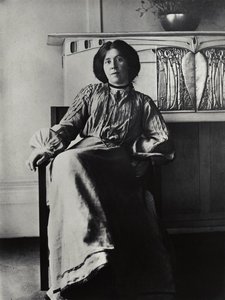
Margaret Macdonald Mackintosh
1864 - 1933 , United Kingdom
プロフィール概要
- Artistic Movement Or Style: Glasgow Style, Art Nouveau
- Artists Or Movements Influenced By This Artist:
- Gustav Klimt
- Josef Hoffmann
- Date Of Birth: November 5, 1864
- Date Of Death: January 7, 1933
- Full Name: Margaret Macdonald Mackintosh
- Nationality: Scottish
- Notable Artworks:
- The Mysterious Garden
- The Tangled Garden
- Silver Apples of Moon
- Place Of Birth: Port Glasgow, UK