

 プレビュー
プレビュー
 シェアする
シェアする シェアする
シェアする
 詳細を見る
詳細を見る

 ダウンロード
 似ている作品
 X線調査
X線調査 スライドショー
 Stats
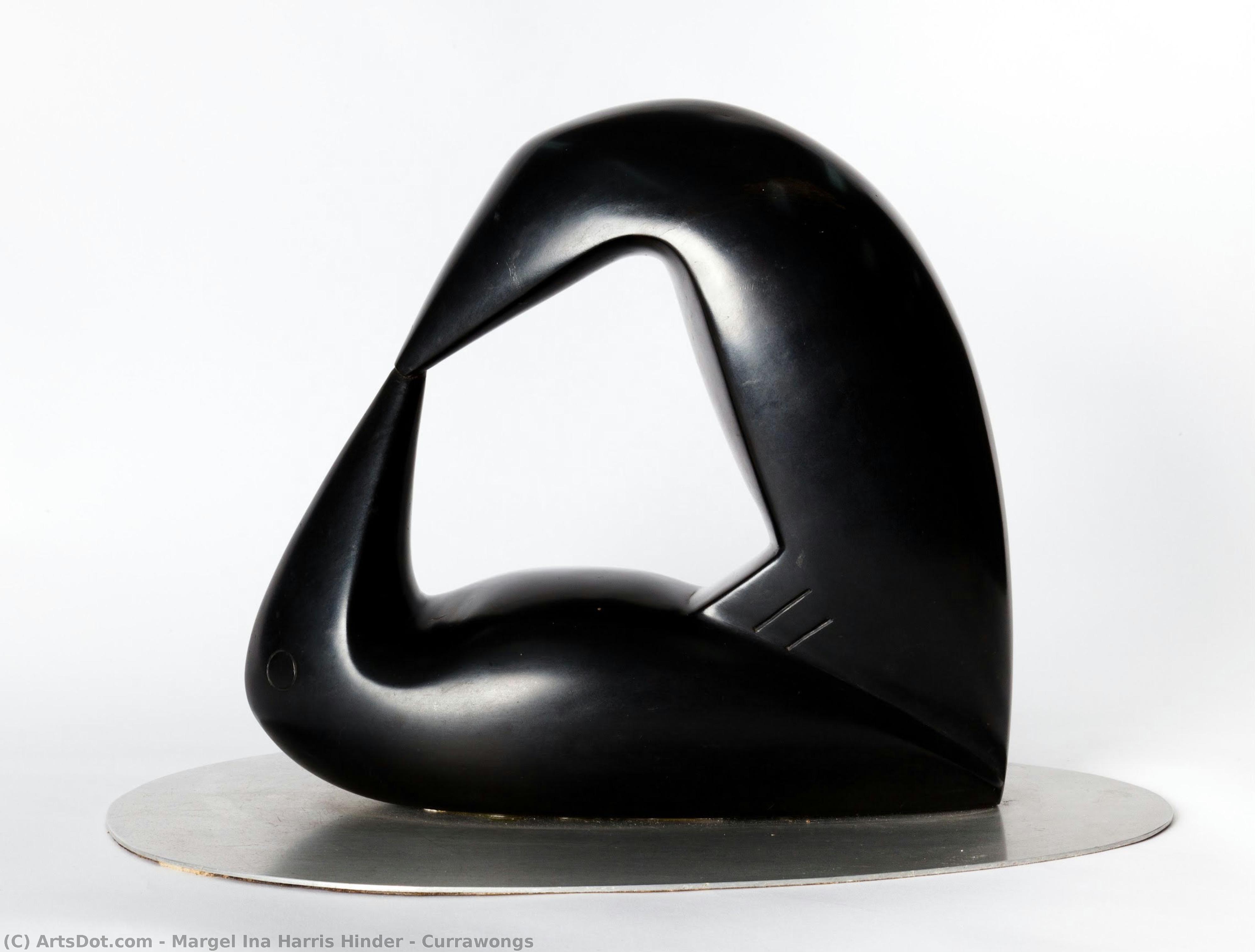
StatsCurrawongs
 1947
1947 25.0 x 27.0 cm
 Penrith Regional Gallery - Home of the Lewers Bequest
 詳細を見る
詳細を見る
オンラインプレビューをはるかに凌ぐ、高解像度で鮮明なデジタル画像をご購入いただけます。
各ファイルは、社内の専門家が高度なツールと熟練した手作業によるレタッチを用いて、細心の注意を払って準備されています。すべての画像において、卓越した鮮明度、正確な色彩再現性、そして繊細なディテールを保証いたします。
最終ファイルは、プロフェッショナルな編集・印刷環境ですぐにご利用いただけるよう最適化された状態で、72時間以内にメールにてお届けいたします。これは、一流のデザインスタジオ、出版社、ギャラリーから信頼されているものと同等の品質です。
デジタルアート
個人での鑑賞、印刷、クリエイティブなプロジェクト用に、高解像度ファイルをダウンロードできます。 ( Switch to Print 手描きの絵画を購入)
デジタル画像のご注文に付随する特典
高品質なデジタル画像配信を、確かな品質で。
ArtsDot.com を選ぶことは、単に画像を手に入れることではありません。それは、プロの手によって精密に仕上げられ、満足保証が付いた高品質なデジタルアートワークを受け取ることを意味します。ご注文いただいた際に自動的に付随する内容は、以下の通りです:

メールですぐにお届け
ご注文から72時間以内に、高解像度のデジタル画像ファイルがメールでお手元に届きます。すぐにそのままご利用いただけます。

AI技術で最適化されたデジタルファイル
お客様の作品は、高度なAIツールと専門家による手作業の編集を組み合わせてプロフェッショナルに最適化されており、細部のディテール、鮮明さ、そして正確な色再現性を最大限に引き出しています。

一生涯無料の再送サービス
ファイルを誤って削除したり、紛失してしまったりしましたか?ご安心ください。いつでも無料で再送いたします。

輸入手数料は一切かかりません
関税や手数料、配送料を気にすることなく、お気に入りのアートワークをすぐにお楽しみいただけます。デジタルダウンロードは常に免税です。

色彩再現の保証
プロ仕様のツールとカラーマネジメント技術を用いることで、デジタル画像が元の色を最大限に忠実に再現することを保証いたします。

100日間満足保証
ご購入いただいたデジタル画像にご満足いただけない場合は、100日以内であれば、理由を問わず修正または100%の返金対応をさせていただきます。

100% 返金保証
ご満足いただけない場合は、デジタルファイルを受け取ってから100日以内であれば、理由を問わず全額返金いたします。

まとめ買い割引
3枚購入で10%OFF - 5枚購入で15%OFF - 10枚以上購入で20%OFF。クリエイティブなプロジェクト、ギャラリー、エージェンシーに最適です。
関連作品







作家の略歴
A Life Forged in Motion: The Sculptural Vision of Margel Hinder
Margel Ina Harris Hinder, born in Brooklyn, New York, on January 4th, 1906, was an artist whose life became a compelling testament to the power of artistic reinvention and the enduring allure of modernist abstraction. Her journey, spanning continents and evolving aesthetic philosophies, culminated in a significant body of work that continues to grace public spaces across Australia. Hinder’s story isn't simply one of sculptural creation; it is a narrative interwoven with personal resilience, intellectual curiosity, and a dedication to exploring the dynamic relationship between form, space, and movement. Her early life offered little indication of the path she would ultimately forge. While raised in New York City, a burgeoning center for artistic experimentation, her formal training began later in life, after relocating to Australia with her husband, artist John Hinder, in 1938. This move proved pivotal, not only altering the geographical landscape of her creative practice but also profoundly shaping its thematic concerns and stylistic direction. The initial years were marked by a collaborative spirit with John, as they established a studio and began exhibiting their work. However, Margel soon distinguished herself, developing a unique voice characterized by an increasingly abstract vocabulary and a fascination with kinetic sculpture – works that literally breathed with motion.From Collaboration to Kinetic Exploration
The 1940s witnessed Hinder’s emergence as a leading figure in Australian modernist sculpture. Initially working in more traditional materials like stone and wood, she quickly gravitated towards metal, recognizing its potential for expressing the fluidity and dynamism that captivated her imagination. This period saw the development of her signature style: complex arrangements of welded steel forms, often incorporating elements of balance and counter-balance to create sculptures that responded to air currents or even human interaction. Her early kinetic works were groundbreaking in Australia, challenging conventional notions of static form and introducing a new dimension of perceptual engagement. These weren’t merely objects to be viewed; they were experiences to be witnessed, subtly shifting and changing with the environment. The influence of Constructivism and other European modernist movements is evident in her work, yet Hinder never simply replicated these styles. She infused them with a distinctly Australian sensibility, drawing inspiration from the vastness of the landscape and the unique light conditions of the region. Her sculptures began to reflect an interest in natural forces – wind, water, gravity – and their impact on form. This fascination wasn’t purely aesthetic; it also stemmed from a broader philosophical inquiry into the nature of change and impermanence.Public Art & Monumental Statements
The post-war era saw Hinder increasingly focused on creating large-scale public sculptures, believing that art should be accessible to all and integrated into the fabric of everyday life. This commitment led to several landmark commissions, most notably her iconic work outside the Reserve Bank building in Martin Place, Sydney (1986). This sculpture, a towering assemblage of steel forms, became an instant symbol of the city, embodying both its modernity and its connection to the natural world. The Martin Place sculpture is not simply a decorative element; it’s a powerful statement about economic stability and growth, reflecting the building's function while simultaneously offering a visually arresting experience for passersby. Other significant public works include memorials in Newcastle, New South Wales, and Canberra, ACT, each tailored to its specific context and imbued with symbolic meaning. Hinder’s ability to create monumental sculptures that were both aesthetically compelling and conceptually resonant solidified her reputation as one of Australia's most important sculptors. She skillfully navigated the challenges of working on a large scale, ensuring that her works remained elegant and refined despite their imposing size.Influences & Artistic Development
While Hinder’s artistic journey was marked by independent exploration, several key influences shaped her development. The Constructivist movement, with its emphasis on geometric abstraction and industrial materials, provided a foundational framework for her early work. She admired the sculptures of Naum Gabo and Antoine Pevsner, whose pioneering use of space and transparency resonated deeply with her own aesthetic sensibilities.- The Bauhaus school’s principles of functionalism and integration of art and technology also played a role in her thinking.
- Her husband, John Hinder, was a constant source of intellectual stimulation and artistic dialogue, although their styles diverged over time.
- Perhaps most importantly, the Australian landscape itself served as a profound inspiration, influencing her choice of materials and thematic concerns.
Legacy & Historical Significance
Margel Hinder passed away in Roseville, New South Wales, on May 29th, 1995, leaving behind a rich legacy of sculptural innovation and public art. Her work continues to be celebrated for its elegance, dynamism, and conceptual depth. She was a pioneer in the field of kinetic sculpture in Australia, challenging conventional notions of form and introducing a new dimension of perceptual engagement. Her commitment to creating accessible public art ensured that her sculptures would reach a wide audience, enriching the lives of countless individuals. Today, Hinder’s work is held in several Australian public collections, including the National Gallery of Australia and the Art Gallery of New South Wales. She remains an important figure in the history of Australian modernism, inspiring generations of artists to explore the dynamic relationship between form, space, and movement. Her sculptures stand as enduring testaments to her vision – a life forged in motion, dedicated to creating art that breathes with the spirit of innovation and resonates with the pulse of the world around us.
margel ina harris hinder
1906 - 1995 , United States of America